
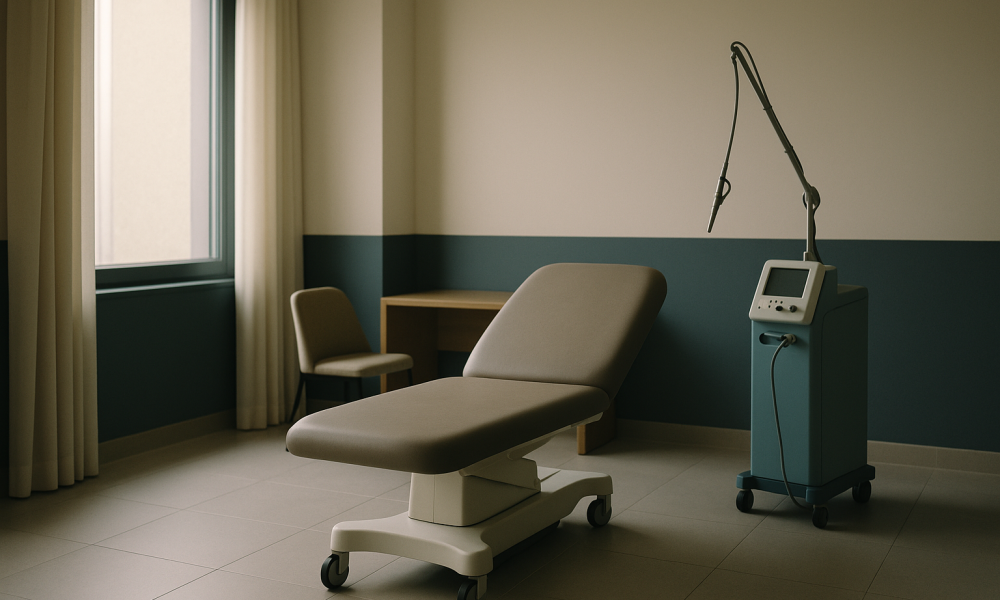
What Varicose Vein Laser Treatment is and who it is for
Varicose vein laser treatment, also known as endovenous laser therapy (EVLT), is a minimally invasive procedure designed to treat varicose veins. These veins are typically enlarged and twisted, often appearing blue or dark purple, primarily affecting the legs. This condition occurs when the small valves inside the veins stop working properly, causing blood to pool rather than flow smoothly back to the heart. This pooling leads to the characteristic bulging appearance.
EVLT is a popular choice for addressing varicose veins due to its effectiveness and relatively quick recovery time. The procedure involves the use of a laser fibre inserted into the affected vein through a small incision. The laser emits energy that heats the vein, causing it to collapse and seal shut. Over time, the treated vein is absorbed by the body, and blood is naturally redirected to healthier veins.
This treatment is particularly suitable for individuals who experience symptoms such as aching, throbbing, or heaviness in the legs, as well as those with visible, protruding veins. It is also chosen by those who have not found relief through conservative measures like compression stockings or lifestyle changes.
Typically performed under local anaesthesia, the procedure lasts between 30 to 60 minutes. It is considered safe and effective, with a success rate of approximately 90-95% in closing treated veins. However, it is important to note that like any medical procedure, there are potential risks and complications, including bruising, swelling, and in rare cases, deep vein thrombosis.
Patients are usually able to resume normal activities within a day or two, making it an attractive option for those with busy lifestyles. Immediate results are often visible, although full cosmetic improvement may take a few weeks as bruising and swelling subside.
Are you a good candidate?
Determining whether you are a good candidate for varicose vein laser treatment involves several considerations. This procedure is generally well-suited for individuals who are in good overall health and have realistic expectations regarding the outcomes. Ideal candidates typically experience discomfort or pain due to varicose veins or have cosmetic concerns about their appearance.
Here is a checklist to help assess your suitability:
- Medical Evaluation: A thorough medical assessment by a qualified healthcare professional is crucial to determine if EVLT is appropriate for your condition.
- Symptoms: Do you experience pain, swelling, or heaviness in the legs? These symptoms often indicate a need for intervention.
- Conservative Measures: Have you tried non-invasive treatments like compression stockings or lifestyle changes without sufficient relief?
- Vein Size and Location: The size and location of your veins are important factors. EVLT is most effective on larger veins located deeper within the leg.
- General Health: Are you free from conditions that may complicate surgery, such as severe arterial disease or bleeding disorders?
- Realistic Expectations: Understanding that while the procedure is highly effective, it may not eliminate every vein, and additional treatments might be necessary.
- Commitment to Post-Procedure Care: Willingness to adhere to post-procedure guidelines, including wearing compression stockings and attending follow-up appointments.
It’s important to consult with a vascular specialist to discuss your specific condition and medical history. They will typically perform a duplex ultrasound to assess the veins and confirm that EVLT is the most suitable option for you.
Ultimately, the decision to undergo varicose vein laser treatment should be made collaboratively between you and your healthcare provider, considering both the medical necessity and your personal preferences.
The procedure, step by step
The varicose vein laser treatment, commonly known as Endovenous Laser Therapy (EVLT), is a minimally invasive procedure aimed at alleviating the symptoms and appearance of varicose veins. The treatment is conducted under local anaesthesia, ensuring patient comfort throughout the process. Here is a detailed step-by-step guide to what you can expect during the procedure:
- Initial Consultation: Prior to the procedure, an initial consultation with a vascular specialist is essential. This includes a thorough physical examination and a duplex ultrasound scan to assess the condition of the veins and plan the treatment accordingly.
- Preparation: On the day of the procedure, patients are advised to wear loose-fitting clothing. The treatment area is sterilised, and a local anaesthetic is applied to minimise discomfort.
- Vein Access: A small incision is made, usually near the knee or other appropriate site, to allow access to the affected vein. This is typically done under ultrasound guidance to ensure precision.
- Catheter Insertion: A thin catheter is inserted into the vein. This catheter is equipped with a laser fibre that delivers the precise energy required to treat the vein.
- Laser Activation: The laser fibre is activated, emitting energy that heats the vein walls, causing them to collapse and seal shut. This process is carefully monitored through ultrasound imaging.
- Catheter Removal: Once the vein is sealed, the catheter is gently removed. The incision site is cleaned and bandaged.
- Post-Procedure Monitoring: Patients are observed for a short period to ensure there are no immediate complications. They are usually able to walk out of the clinic the same day.
- Instructions for Aftercare: Before leaving, patients receive specific aftercare instructions, including guidance on wearing compression stockings and activity limitations.
The entire procedure typically takes about 45 to 60 minutes, depending on the extent of the varicose veins being treated. The use of local anaesthesia, along with the minimally invasive nature of the procedure, contributes to a reduced risk of complications and a quicker return to normal activities.
Recovery timeline
Recovering from varicose vein laser treatment is generally straightforward, with most patients experiencing minimal discomfort. However, understanding the recovery timeline can help manage expectations and ensure optimal healing. Here is a typical recovery timeline presented in a table format:
| Period | What to expect | Care notes |
|---|---|---|
| Day 1 | Mild soreness and bruising around the treated area. Some patients may feel a tightness or pulling sensation in the leg. | Wear compression stockings as advised. Avoid strenuous activities and keep the leg elevated when resting. |
| Days 2-7 | Gradual reduction in bruising and discomfort. Most patients can resume light activities. | Continue wearing compression stockings during the day. Gentle walking is encouraged to promote circulation. |
| Week 2 | Noticeable improvement in symptoms. Bruising should be significantly reduced. | Follow up with your specialist as scheduled. Discuss any persistent symptoms. |
| Weeks 3-4 | Most patients experience significant relief from symptoms. The treated veins should appear less visible. | Compression stockings may no longer be necessary. Gradually resume normal activities, avoiding heavy lifting. |
| Full Recovery (4-6 weeks) | The treated area should feel normal with minimal to no symptoms. Any residual bruising should have faded. | Final follow-up to assess treatment success. Discuss any concerns with your specialist. |
While the above timeline provides a general guideline, individual recovery can vary. Factors such as the extent of the treatment, adherence to aftercare instructions, and individual health conditions play a role in recovery speed and success. Always consult your healthcare provider for personalised advice tailored to your specific condition.
What it costs: Turkey vs Europe
When considering varicose vein laser treatment, cost is a significant factor, especially for patients travelling from Europe. Turkey has become a popular destination due to its competitive pricing, often providing high-quality care at a fraction of the cost found in many European countries. However, it’s important to remember that cost should not be the sole factor in decision-making. Quality of care, experience of the medical staff, and the accreditation of the facility are equally important.
Below is a comparison of indicative price ranges for varicose vein laser treatment in Turkey versus various European countries. These figures are indicative and can vary based on the complexity of the case, the reputation of the clinic, and the specifics of the treatment package chosen.
| Country | Indicative Price Range (GBP) | Typical Package Inclusions |
|---|---|---|
| Turkey | £1,200 – £2,500 | Consultation, pre-operative tests, laser treatment, post-operative care, accommodation, and airport transfers |
| United Kingdom | £3,000 – £5,000 | Consultation and laser treatment |
| Germany | £3,500 – £6,000 | Consultation, laser treatment, and limited post-operative care |
| France | £3,200 – £5,500 | Consultation, laser treatment, and follow-up consultation |
| Spain | £2,800 – £4,800 | Consultation, laser treatment, and post-operative care |
As shown in the table, the cost of treatment in Turkey often includes additional services such as accommodation and airport transfers, which are not typically included in the base price in many European countries. This makes Turkey an attractive option for those seeking comprehensive care at a lower total cost.
While these figures are indicative, patients are encouraged to contact clinics directly to obtain detailed quotes and understand what each package includes. It’s vital to ensure that the chosen clinic maintains high standards of care and that the medical staff are well-qualified and experienced in performing varicose vein laser treatments.
Risks and how accredited providers manage them
Like any medical procedure, varicose vein laser treatment carries certain risks. However, these risks are generally low when the procedure is performed by qualified and experienced professionals in accredited facilities. Understanding these risks and how they are managed can help patients make informed decisions and feel reassured about their treatment journey.
The primary risks associated with varicose vein laser treatment include:
- Bruising and Swelling: It’s common for patients to experience some bruising and swelling in the treated area. This typically resolves within a few weeks. Accredited clinics provide detailed post-operative care instructions to help manage these symptoms effectively.
- Skin Burns: Although rare, there is a risk of skin burns from the laser. Accredited providers use advanced equipment with built-in safety features and adhere to stringent protocols to minimise this risk.
- Nerve Damage: There is a small risk of nerve damage that can lead to temporary numbness or tingling. This is usually transient and resolves over time. Experienced practitioners take great care to avoid nerve structures during the procedure.
- Blood Clots: Deep vein thrombosis is a rare but serious risk. Accredited clinics perform thorough pre-operative assessments to identify patients at higher risk and implement preventive measures, such as compression stockings and early mobilisation.
Accredited clinics in Turkey are subject to rigorous standards and regular inspections to ensure patient safety and quality of care. They employ highly trained vascular surgeons and utilise state-of-the-art technology to perform procedures.
Pre-operative assessments are crucial in managing risks. These assessments include reviewing the patient’s medical history, conducting necessary tests, and discussing any potential complications. This process allows the medical team to tailor the treatment to the individual needs of the patient, further minimising risks.
Post-operative care is another critical component of risk management. Accredited providers offer comprehensive follow-up care, including regular check-ups and 24/7 access to medical support in case of any complications. Patients are given detailed instructions on how to care for the treated area, recognise signs of complications, and when to seek medical attention.
In summary, while there are risks associated with varicose vein laser treatment, these are generally low and well-managed by accredited providers in Turkey. Patients can feel confident that their safety and well-being are the top priorities of these facilities.
How to choose the right provider (accreditation, surgeon experience, aftercare, red flags)
When considering varicose vein laser treatment in Turkey, selecting the right provider is crucial to ensure a safe and successful outcome. Here are some essential factors to consider:
- Accreditation: Look for clinics that are accredited by international healthcare accreditation bodies such as the Joint Commission International (JCI) or the European Foundation for Quality Management (EFQM). Such accreditations indicate adherence to high standards of patient care and safety.
- Surgeon Experience: The expertise and experience of the surgeon performing the procedure are paramount. It is advisable to choose a surgeon who is board-certified in vascular surgery or a related specialty and has extensive experience in performing laser treatments for varicose veins. Ask about the number of procedures they have performed and the success rates.
- Aftercare: Comprehensive aftercare is essential for recovery and monitoring progress. Ensure that the provider offers a robust aftercare programme, including follow-up appointments, access to a healthcare professional for any concerns, and detailed guidance on post-treatment care. Inquire about the availability of remote consultations if you return home shortly after the procedure.
- Red Flags: Be cautious of providers who offer guarantees of success or significantly lower prices than the typical range of £1,000 to £2,500 for such procedures. Also, be wary of clinics that pressure you into making quick decisions or those that have poor communication and lack transparency about their processes and costs.
Conduct thorough research, read patient reviews, and consider obtaining recommendations from other medical professionals or previous patients. A well-informed choice will help you achieve the best possible outcome.
Planning your trip (timeline before travel, documents, length of stay, follow-up at home)
Proper planning is essential when travelling to Turkey for varicose vein laser treatment. Here’s a comprehensive guide to help you prepare:
- Timeline Before Travel: Begin planning at least two to three months in advance. This timeframe allows you to research and select a suitable clinic, consult with your chosen surgeon, and arrange necessary travel documents. It also provides ample time to coordinate with your local healthcare provider for any pre-travel medical assessments.
- Documents: Ensure that your passport is valid for at least six months beyond your planned return date. You may also need a visa, depending on your nationality, which can often be obtained online. Additionally, carry all relevant medical records, including previous treatments, current medications, and any allergies. A letter from your local doctor detailing your medical history can be beneficial.
- Length of Stay: Plan for a stay of approximately 5 to 7 days. This duration allows for pre-operative consultations, the procedure itself, and initial post-operative recovery and monitoring. Some patients may need a longer stay depending on their recovery speed and any additional treatments required.
- Follow-up at Home: Before leaving Turkey, ensure you have a clear post-treatment care plan. This should include instructions on wound care, activity restrictions, and signs of complications. Arrange for follow-up appointments with a local vascular specialist to monitor your recovery and address any concerns. Remote follow-up consultations with your Turkish surgeon can also be beneficial.
By carefully planning your trip, you can ensure a smoother experience and focus on recovery and returning to your usual activities with minimal disruption.
Frequently Asked Questions
What is the typical cost of varicose vein laser treatment in Turkey?
The typical cost for varicose vein laser treatment in Turkey ranges from £1,000 to £2,500. This range depends on factors such as the clinic's location, the surgeon's experience, and the complexity of the procedure. It's important to confirm what is included in the quoted price, such as initial consultations, post-operative care, and any additional treatments.
Are the clinics in Turkey accredited and safe for treatment?
Many clinics in Turkey are accredited by international bodies like the Joint Commission International (JCI), ensuring they meet high standards of safety and care. When choosing a clinic, look for such accreditations and reviews from past patients to ensure the facility adheres to rigorous healthcare standards.
How experienced are the surgeons performing these procedures in Turkey?
Surgeons in Turkey performing varicose vein laser treatments typically have extensive training and are often board-certified in vascular surgery or related specialties. It's advisable to inquire about their specific experience with the procedure, including the number of surgeries performed and their success rates, to ensure you are in capable hands.
What should I expect during the recovery period after treatment?
Recovery from varicose vein laser treatment typically involves minimal downtime. You may experience some bruising, swelling, or discomfort, which usually subsides within a few weeks. Following your surgeon's post-operative care instructions, including wearing compression stockings and avoiding strenuous activities, can aid in a smooth recovery.
Do I need a visa to travel to Turkey for medical treatment?
Visa requirements for Turkey depend on your nationality. Many European citizens can enter Turkey for short stays without a visa or can obtain an e-Visa online. It's important to check the specific visa requirements based on your country of origin well in advance of your travel date.
How long should I plan to stay in Turkey for the procedure?
Plan for a stay of about 5 to 7 days. This allows time for pre-operative consultations, the procedure, and initial recovery. The exact duration may vary based on your specific treatment plan and recovery progress. Discuss this with your clinic to ensure you have enough time for all necessary appointments.
What post-treatment care is necessary after returning home?
After returning home, follow-up care includes monitoring the treated area for signs of complications, attending scheduled appointments with a local specialist, and adhering to activity restrictions. Keeping in touch with the Turkish clinic for remote consultations can also help address any concerns that arise during recovery.
How can I verify the credentials of a Turkish surgeon?
You can verify a Turkish surgeon's credentials by checking their board certification in vascular surgery and any affiliations with reputable medical associations. Additionally, researching patient reviews and testimonials can provide insight into their expertise and patient satisfaction.
Is it possible to have remote consultations with Turkish doctors after treatment?
Yes, many Turkish clinics offer remote consultations via video calls or emails to assist international patients after they return home. This service provides continuity of care, allowing you to discuss your recovery progress and address any concerns directly with your surgeon.
What are the potential risks of varicose vein laser treatment?
Like any medical procedure, varicose vein laser treatment carries some risks, including infection, bleeding, nerve damage, and blood clots. However, these are generally rare when performed by experienced surgeons in accredited facilities. Discuss potential risks and complications with your surgeon before undergoing the procedure.
How do I prepare for the varicose vein laser procedure?
Preparation involves a medical evaluation to assess your suitability for the procedure. Your surgeon may advise you to avoid certain medications, wear compression stockings, and arrange for someone to accompany you home after the treatment. Following pre-operative instructions can help ensure a successful procedure and recovery.
Can I expect to see immediate results after the treatment?
While some improvement may be visible immediately after varicose vein laser treatment, it typically takes a few weeks to months for the full effects to become apparent. Swelling and bruising may temporarily obscure results, but these usually resolve as healing progresses. Regular follow-up appointments will help track your recovery.