
What Varicose Vein Laser Treatment is and who it is for
Varicose vein laser treatment, also known as Endovenous Laser Therapy (EVLT), is a minimally invasive procedure that targets varicose veins, which are swollen, twisted veins visible just beneath the surface of the skin. These veins commonly occur in the legs and can cause discomfort, pain, and cosmetic concerns for many individuals. The treatment involves using laser energy to seal off the affected veins, redirecting blood flow to healthier veins. This procedure is largely performed on an outpatient basis, making it a convenient choice for many patients seeking relief from varicose vein symptoms.
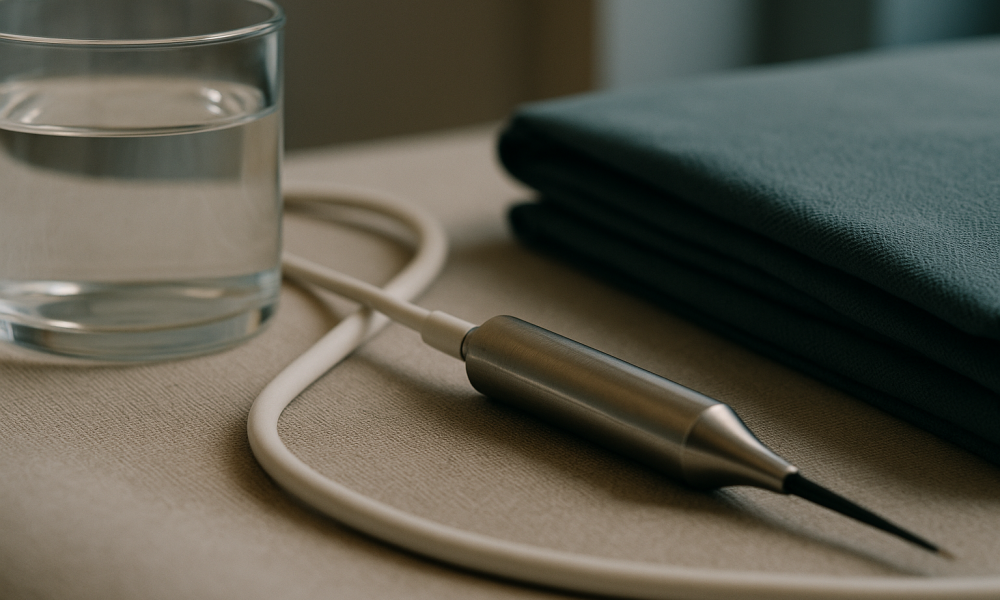
In this procedure, a thin laser fibre is inserted through a small incision in the skin into the problematic vein. The laser emits energy that heats and closes the vein. Once the vein is closed, it is gradually absorbed by the body, reducing its visibility and alleviating associated symptoms. Patients often experience a significant reduction in pain and swelling post-treatment, alongside an improved appearance of the affected area.
Varicose vein laser treatment is suitable for individuals who experience symptoms such as aching, swelling, or a heavy sensation in their legs. It is also an option for those who are concerned about the appearance of their veins. This treatment is typically recommended for adults and is particularly beneficial for those who have not found relief through conservative measures such as compression stockings or lifestyle changes.
Turkey has become a popular destination for this procedure due to its combination of high-quality care and affordability. Patients from Australia and other parts of the world are increasingly considering Turkey for medical procedures, attracted by the country’s advanced medical facilities and experienced healthcare professionals. However, it is crucial to consult with a healthcare provider to discuss individual concerns and potential risks associated with the procedure.
Are you a good candidate?
Determining if you are a good candidate for varicose vein laser treatment is a crucial step in the decision-making process. This treatment is not suitable for everyone, and there are specific criteria that potential patients should meet to ensure a safe and effective outcome. Below is a checklist to help you assess your candidacy:
- Age: Ideal candidates are typically adults over the age of 18.
- Health Status: Generally, candidates should be in good overall health, without significant underlying medical conditions that could complicate the procedure.
- Vein Size: Candidates should have veins that are large enough to accommodate the laser fibre.
- Symptoms: Individuals experiencing pain, swelling, or other discomforts related to varicose veins may be suitable candidates.
- Previous Treatments: Those who have not responded well to conservative treatments like wearing compression stockings may consider laser treatment.
- Pregnancy: Pregnant women are usually advised to postpone treatment until after childbirth.
- Skin Condition: Candidates should not have active infections or skin conditions in the area to be treated.
It is essential to have a thorough consultation with a healthcare provider who can evaluate your medical history and the specific characteristics of your varicose veins. This consultation usually involves a physical examination and, in some cases, ultrasound imaging to assess the veins’ condition. During this evaluation, the healthcare provider will discuss potential risks and benefits, helping you make an informed decision.
While varicose vein laser treatment offers many benefits, including a quick recovery time and minimal scarring, it is important to have realistic expectations regarding the results. Most patients see a substantial improvement in their symptoms and the cosmetic appearance of their veins, but as with any medical procedure, there are no guarantees of outcomes. Discussing these aspects with your healthcare provider will help ensure that you have a clear understanding of what to expect from the treatment.
The procedure, step by step
Laser treatment for varicose veins, also known as endovenous laser therapy (EVLT), is a minimally invasive procedure that uses laser energy to reduce or eliminate varicose veins. This procedure is performed under local anaesthesia and involves several steps to ensure the effectiveness and safety of the treatment.
- Initial Consultation: Before the procedure, a thorough consultation with a vascular specialist is conducted. This includes a detailed medical history review and a physical examination. An ultrasound scan is typically performed to map out the veins and assess their condition.
- Preparation: On the day of the procedure, the patient is asked to wear comfortable clothing and avoid applying lotions or oils on their legs. The patient lies down on the treatment table, and the targeted leg is cleaned with an antiseptic solution.
- Local Anaesthesia: Local anaesthesia is administered to numb the treatment area. This helps in minimizing any discomfort during the procedure. The anaesthesia is usually injected around the vein using a fine needle.
- Insertion of Laser Fibre: A small incision is made near the affected vein, and a thin laser fibre is inserted into the vein using a catheter. The insertion point is often below the knee or near the ankle, depending on the vein’s location.
- Ultrasound Guidance: Throughout the procedure, ultrasound imaging is used to guide the positioning of the laser fibre and to monitor the progress. This ensures precision in targeting the problematic vein.
- Laser Activation: Once the fibre is correctly positioned, the laser is activated. The laser energy heats the vein walls, causing them to collapse and eventually seal shut. This process diverts blood flow to healthier veins.
- Completion and Dressing: After the vein is treated, the laser fibre is carefully removed. The incision site is small enough that stitches are not required. It is usually covered with a small bandage or dressing.
- Post-Procedure Instructions: Patients are given specific instructions, including wearing compression stockings for a certain period to aid in the healing process and enhance circulation.
The entire procedure typically takes about 30 to 60 minutes per leg. Patients can usually return to their normal activities soon after, although they are advised to avoid strenuous exercise for a short period.
Recovery timeline
Recovering from varicose vein laser treatment is generally straightforward, but it’s important to follow the recommended care guidelines to ensure optimal healing and outcomes. Here is a typical recovery timeline that patients can expect following the procedure.
| Period | What to expect | Care notes |
|---|---|---|
| Day 1 | Patients may experience mild discomfort or a tingling sensation in the treated leg. Swelling and bruising are common but usually minimal. | It is advisable to rest and elevate the leg when possible. Over-the-counter pain relief can be taken if necessary. Wear compression stockings as directed by your doctor. |
| Week 1 | Bruising and swelling should gradually decrease. Walking is encouraged to promote circulation and aid recovery. | Avoid heavy lifting and prolonged standing. Continue wearing compression stockings during the day. |
| Week 2 | Most patients notice a significant reduction in discomfort. The treated vein may feel firm or lumpy as it heals. | Follow up with your doctor if any unusual symptoms occur. Continue daily activities but avoid high-impact sports. |
| Week 3-4 | The majority of swelling and bruising should be resolved. The leg should feel more comfortable. | Compression stockings may no longer be necessary if advised by your doctor. Resume normal exercise routines gradually. |
| Full Recovery (4-6 weeks) | Complete healing of the treated vein. Any residual firmness should disappear over time. | Attend any scheduled follow-up appointments. Report any persistent issues to your healthcare provider. |
It is important for patients to adhere to the care instructions provided by their healthcare provider to ensure a smooth recovery. While most patients experience a swift return to normalcy, individual recovery times can vary based on personal health factors and the extent of the treatment.
What it costs: Turkey vs Australia
When considering varicose vein laser treatment, cost is a crucial factor for many prospective patients. Turkey has become a popular destination for medical tourism, including varicose vein treatments, due to its competitive pricing and quality healthcare services. It’s important to note that the figures provided here are indicative and can vary depending on the specific clinic, the experience of the medical team, and the complexity of the individual case.
| Country | Indicative Price Range (AUD) | Package Inclusions |
|---|---|---|
| Turkey | 2,000 – 3,500 |
|
| Australia | 4,500 – 7,500 |
|
In Turkey, the cost of varicose vein laser treatment typically ranges from AUD 2,000 to AUD 3,500. This often includes comprehensive packages that cover not only the medical procedure itself but also accommodation for recovery, airport transfers, and sometimes even a personal assistant to help navigate the medical process. These packages are designed to offer convenience and peace of mind to international patients.
In contrast, the same treatment in Australia generally costs between AUD 4,500 and AUD 7,500. While Australian clinics offer high standards of care, the higher costs often reflect the local healthcare system’s pricing and operational expenses. Additionally, packages in Australia may not include accommodation or transportation, leading to additional costs for patients who need to travel within the country for treatment.
It is essential to understand that while cost is an important consideration, it should not be the sole factor in deciding where to undergo treatment. Prospective patients should also consider the experience and qualifications of the medical team, the accreditation of the clinic, and the overall quality of care.
Risks and how accredited providers manage them
Like any medical procedure, varicose vein laser treatment comes with its own set of risks. However, understanding these risks and knowing how accredited providers in Turkey manage them can help alleviate concerns and make the decision-making process more informed.
Common risks associated with varicose vein laser treatment include bruising, swelling, skin discolouration, and in rare cases, blood clots or nerve damage. Accredited providers in Turkey take these risks seriously and have protocols in place to minimise their occurrence and impact.
- Pre-treatment Evaluation: Before any procedure, a comprehensive evaluation is conducted. This includes a detailed medical history review and necessary diagnostic tests such as ultrasound imaging to understand the specific condition of the veins and plan the treatment accordingly.
- Experienced Practitioners: Accredited clinics employ experienced vascular specialists and surgeons who are well-versed in the latest laser technologies and techniques. Their expertise is crucial in reducing the risk of complications.
- State-of-the-Art Technology: Many Turkish clinics invest in the latest laser equipment, which allows for more precise and effective treatments. This technology helps in targeting the problematic veins while minimising damage to surrounding tissues.
- Post-operative Care: After the procedure, patients receive detailed instructions for post-operative care, including wearing compression stockings and guidelines on physical activity. Follow-up appointments are scheduled to monitor healing and address any concerns promptly.
- Accreditation and Standards: Clinics accredited by international bodies adhere to stringent standards of care. This includes maintaining a sterile environment, using approved medical devices, and having protocols for emergency situations.
While the risks are generally low, it is important for patients to follow all pre- and post-treatment instructions provided by their healthcare team to minimise any potential complications. Accredited providers in Turkey are committed to patient safety and employ a holistic approach to care, ensuring that every step of the process is handled with the utmost professionalism.
Prospective patients should engage in open discussions with their chosen clinic to fully understand the risks and management strategies. This transparency helps build trust and ensures that patients are well-informed about their treatment journey.
How to choose the right provider
When selecting a provider for varicose vein laser treatment in Turkey, it is crucial to consider several factors to ensure a safe and effective experience. Accreditation is a primary concern; choose clinics that are certified by internationally recognised bodies such as the Joint Commission International (JCI) or have national accreditation from the Turkish Ministry of Health. These certifications indicate that the facility adheres to high standards of safety and care.
The experience of the surgeon is another critical factor. Look for specialists who have extensive experience in performing endovenous laser therapy (EVLT) specifically. A surgeon with at least five years of experience and a substantial number of successful procedures can provide more reliable outcomes. You might also want to ask for patient testimonials or before-and-after photos to gauge the surgeon’s track record.
Aftercare is an essential component of the treatment process. Ensure the clinic offers comprehensive post-operative care, including follow-up consultations and instructions for recovery. A well-structured aftercare plan can significantly impact the effectiveness of the treatment and your overall satisfaction. Check if the clinic provides remote follow-up options, which can be particularly beneficial for international patients.
Watch out for red flags when choosing a provider. Be cautious of clinics that promise guaranteed results or offer very low prices compared to the average range, which typically varies from £1,200 to £2,500 depending on the complexity of the procedure and the clinic’s reputation. Also, avoid providers who are reluctant to answer questions or provide detailed information about the procedure, risks, and potential complications.
Finally, consider the overall patient experience. Communication is key, so ensure that the staff speaks your language fluently or provides qualified interpreters. The clinic should offer clear, detailed information about the entire process, from initial consultation to post-operative care. A transparent and customer-focused approach is indicative of a reputable provider.
Planning your trip
Planning your trip to Turkey for varicose vein laser treatment involves several key steps to ensure a smooth and stress-free experience. Begin by establishing a timeline for your treatment. Typically, it’s advisable to contact your chosen clinic at least 6-8 weeks before your intended travel date to allow enough time for consultations and preparations. This also provides ample time to gather necessary medical records and obtain any required pre-treatment assessments.
Documentation is critical when travelling for medical treatment. Ensure your passport is valid for at least six months beyond your planned departure date. You may also need to apply for a Turkish visa, which is often available online for Australian citizens. Additionally, have all medical documents, including your medical history and any previous treatment records, readily accessible.
Regarding the length of stay, plan for at least a week in Turkey. This duration typically covers the initial consultation, the procedure itself, and immediate post-operative care. While the laser treatment is minimally invasive and often performed on an outpatient basis, allowing for a quick recovery, staying a few extra days can be beneficial for follow-up visits and to ensure no immediate complications arise.
Consider logistics for your return home and follow-up care. Discuss with your surgeon about the expected recovery timeline and any necessary follow-up appointments. It’s crucial to have a plan for follow-up care with a local healthcare provider in Australia to monitor your recovery and address any concerns that may arise after returning home.
Lastly, consider travel insurance that covers medical procedures abroad. This can provide peace of mind and financial protection in case of any unexpected complications. Research and choose a policy that covers all aspects of your trip, including the medical procedure, travel delays, and emergency evacuation if necessary.
Frequently Asked Questions
How much does varicose vein laser treatment cost in Turkey?
The cost of varicose vein laser treatment in Turkey typically ranges from £1,200 to £2,500. This variation depends on factors such as the clinic's reputation, the surgeon's experience, and the complexity of the procedure. Always ensure that you understand what is included in the quoted price, such as consultations, surgery, and post-operative care.
Is the procedure safe?
Endovenous laser therapy for varicose veins is generally considered safe when performed by an experienced specialist in an accredited facility. As with any medical procedure, there are risks involved, including infection, bruising, or nerve injury. To minimise risks, choose a reputable clinic with a strong track record and discuss any concerns with your surgeon prior to the procedure.
What qualifications should I look for in a surgeon?
When choosing a surgeon, look for qualifications such as board certification in vascular surgery or a related specialty. Experience is key, so a surgeon with at least five years of experience and a significant number of successful procedures is preferable. Patient reviews and before-and-after photos can also provide insights into the surgeon's expertise.
How long is the recovery period?
Recovery from varicose vein laser treatment is typically quick. Most patients can return to normal activities within a few days, though strenuous activity should be avoided for about two weeks. Your surgeon will provide specific guidelines based on your individual case to ensure a smooth recovery.
What should I pack for my trip?
Pack comfortable clothing that is easy to wear post-procedure, as well as any prescribed medications or compression stockings. Bring all necessary documents, including your passport, visa, medical records, and travel insurance details. It's also wise to have a list of emergency contacts and local healthcare providers.
How do I arrange follow-up care after returning to Australia?
Before travelling, discuss a follow-up care plan with your Turkish surgeon. They may recommend regular check-ups with a local healthcare provider in Australia. Ensure you have all necessary medical records and contact details for both your surgeon in Turkey and your local GP to facilitate ongoing care.
Will I need someone to accompany me?
While not essential, having someone accompany you can be helpful for support and assistance, especially during the immediate post-operative period. If travelling alone, ensure you have arranged for transportation and assistance as needed following the procedure.
Are there any pre-procedure tests required?
Your surgeon may require pre-procedure tests such as blood work or an ultrasound to assess the extent of your varicose veins and confirm your suitability for laser treatment. These tests are typically arranged during your initial consultation and should be completed before travelling.
How soon can I fly back to Australia after the procedure?
It's generally recommended to wait at least a few days after the procedure before flying to allow for initial recovery and to reduce the risk of complications such as deep vein thrombosis. Consult with your surgeon for personalised advice based on your recovery progress.
What are the payment options?
Most clinics in Turkey accept various payment methods, including credit cards and bank transfers. Some may also offer payment plans. Ensure you confirm the accepted payment methods and any deposit requirements prior to your travel to avoid any surprises.
How do I ensure the clinic is accredited?
Check if the clinic is accredited by internationally recognised bodies such as the Joint Commission International (JCI) or has national accreditation from the Turkish Ministry of Health. These accreditations ensure that the clinic meets high standards of care and safety.
What if I experience complications after returning home?
If you experience complications after returning to Australia, contact your local healthcare provider immediately. Keep your Turkish surgeon's contact details for consultation if needed. Having travel insurance that covers medical procedures can also provide support in managing any unexpected issues.