
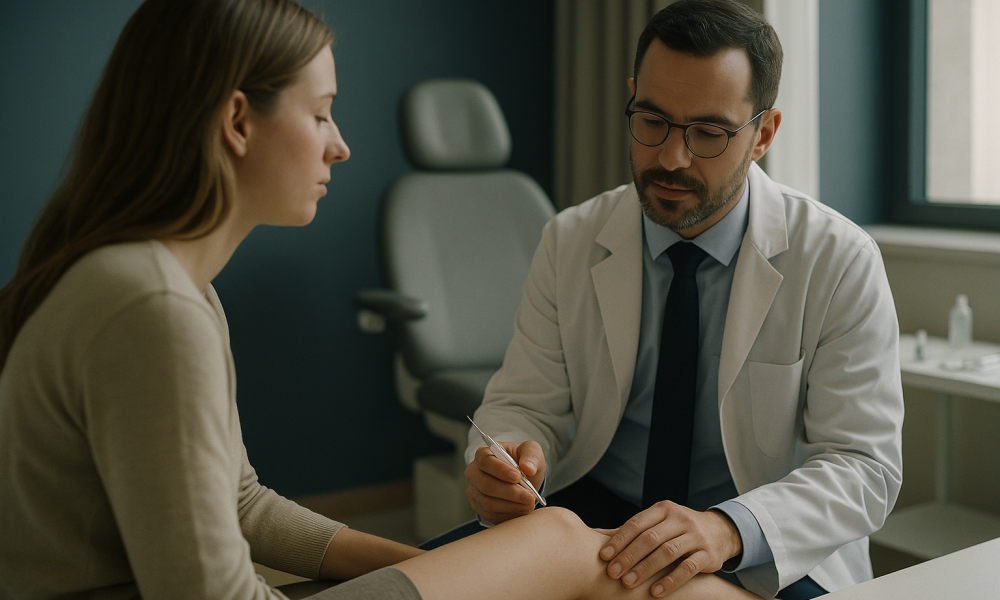
What Sclerotherapy is and who it is for
Sclerotherapy is a medical procedure primarily used to treat varicose and spider veins. It involves the injection of a solution directly into the vein, which causes the vein to scar and collapse. This forces blood to reroute through healthier veins, and the collapsed vein is reabsorbed into local tissue and eventually fades. The procedure is minimally invasive and does not require anaesthesia, making it a popular choice for individuals seeking cosmetic improvement or relief from symptoms associated with problematic veins.
In Turkey, sclerotherapy is performed by experienced specialists using advanced techniques that ensure both safety and effectiveness. The typical session lasts between 30 to 60 minutes, depending on the number of veins being treated. Patients often report minimal discomfort, as the needles used are very fine. Some practitioners may use ultrasound guidance to improve precision, particularly for deeper veins.
Sclerotherapy is suitable for adults who are experiencing discomfort from varicose veins, such as aching, swelling, or burning sensations. It is also chosen by those who wish to improve the appearance of their legs. The procedure is not typically recommended for individuals who are pregnant, breastfeeding, or have a history of blood clotting issues. A thorough consultation with a healthcare provider is essential to determine suitability.
Turkey is an appealing destination for sclerotherapy due to its combination of skilled practitioners and cost-effective treatment options. The indicative cost per session ranges from £200 to £500, which is generally lower than in Canada, making it an attractive option for medical tourists. The healthcare standards in Turkey are high, with many clinics accredited by international bodies, ensuring that patients receive quality care.
Are you a good candidate?
Determining whether you are a suitable candidate for sclerotherapy involves a comprehensive evaluation of your medical history and current health status. This procedure is most effective for treating small to medium-sized varicose veins and spider veins. However, it may not be appropriate for everyone.
Here are some criteria that may indicate you are a good candidate for sclerotherapy:
- Presence of small to medium-sized varicose veins or spider veins.
- Experiencing symptoms such as aching, swelling, or burning in the legs.
- Desire to improve the cosmetic appearance of the legs.
- Not currently pregnant or breastfeeding.
- No history of deep vein thrombosis or other significant clotting disorders.
- Good overall health with no significant medical issues that could complicate recovery.
- Able to wear compression stockings as recommended after the procedure.
Before proceeding with sclerotherapy, a full medical evaluation is necessary. This typically includes an ultrasound examination to assess the vein structure and ensure that no underlying conditions could affect the treatment’s success. It’s important to discuss any medications you are taking with your healthcare provider, as certain medications may need to be adjusted prior to the procedure.
Patients are advised to have realistic expectations about the outcomes of sclerotherapy. While the procedure is highly effective, it may require multiple sessions to achieve the desired results, particularly for more extensive vein networks. Recovery times can vary, but most individuals return to normal activities within a day or two, with full recovery typically observed within two to four weeks.
Ultimately, the decision to undergo sclerotherapy should be made in consultation with a qualified healthcare provider who can assess your specific needs and provide personalised recommendations. Choosing to have the procedure in Turkey offers the advantages of experienced practitioners and cost-effective care, but thorough research and planning are essential to ensure the best possible outcome.
The procedure, step by step
Sclerotherapy is a minimally invasive procedure aimed at treating varicose and spider veins. In Turkey, this procedure is performed by skilled vascular specialists in a controlled medical setting. Understanding each step can help patients feel more comfortable and prepared for the treatment.
- Initial Consultation: Before the procedure, patients will have a consultation with a specialist. During this meeting, the doctor will evaluate the veins to be treated, usually using ultrasound imaging, to assess the venous structure and severity of the condition. This step is crucial as it allows the specialist to plan the treatment and decide on the appropriate sclerosant solution and concentration.
- Preparation: On the day of the procedure, patients are advised to wear loose, comfortable clothing. The treatment area will be cleaned and sterilised. Patients may be asked to stand for a brief period to allow the veins to become more visible.
- Injection: The specialist will use a fine needle to inject the sclerosant solution directly into the affected veins. The solution irritates the lining of the blood vessel, causing it to collapse and stick together, eventually forming scar tissue that fades from view. The number of injections varies depending on the size and number of veins being treated, typically ranging from 5 to 40 injections per session.
- Compression: After the injections, the treated area will be compressed with bandages or compression stockings. This helps prevent blood from re-entering the vein and aids in the healing process. Patients are usually advised to wear compression stockings for several days to weeks, depending on the doctor’s recommendation.
- Post-Procedure Monitoring: The patient will rest briefly while the doctor monitors for any immediate adverse reactions. Patients can typically resume normal activities immediately, although they may be advised to avoid strenuous exercise for a short period.
- Follow-Up: A follow-up appointment is usually scheduled within a few weeks to assess the success of the treatment and determine if additional sessions are necessary. Some patients may require multiple treatments to achieve optimal results.
Overall, sclerotherapy is a straightforward procedure with a short duration, often completed in 30 to 60 minutes per session. The experience of Turkish practitioners in this field ensures that patients receive high-quality care and attention throughout the process.
Recovery timeline
Recovery from sclerotherapy is generally quick, allowing patients to return to their normal activities with minimal downtime. The following table outlines the typical recovery timeline and what patients can expect at each stage:
| Period | What to expect | Care notes |
|---|---|---|
| Day 1 | Mild discomfort and bruising at injection sites. | Avoid strenuous activities; wear compression stockings as advised. |
| Days 2-7 | Bruising may become more noticeable. Some swelling and itching can occur. | Continue wearing compression stockings. Walking encouraged to promote circulation. |
| Week 2 | Bruising begins to fade. Treated veins may feel hard or lumpy. | Maintain compression as advised; avoid prolonged standing or sitting. |
| Weeks 3-4 | Significant reduction in bruising and swelling. Treated veins start to diminish in appearance. | Gradually resume normal exercise routines; continue follow-up with your doctor. |
| 1-3 months | Final results become more apparent. Any residual vein discoloration continues to fade. | Consult with your specialist if additional sessions are needed. |
| Full recovery | Typically, 3-6 months for complete resolution of treated veins. | Maintain a healthy lifestyle to prevent the formation of new varicose veins. |
It is important for patients to closely follow post-procedure instructions provided by their healthcare provider to ensure optimal recovery and results. Wearing compression stockings as recommended and attending follow-up appointments can significantly enhance the outcome of the treatment.
5. What it costs: Turkey vs Canada
When considering sclerotherapy, a common treatment for varicose and spider veins, understanding the cost implications in different countries can guide your decision-making process. In Turkey, the cost of sclerotherapy is often more affordable compared to Canada, even when factoring in travel and accommodation. This financial advantage is one of the reasons Turkey is a popular destination for medical tourism.
In Canada, the cost of sclerotherapy can vary significantly depending on the clinic, the city, and the specifics of the treatment required. Typically, you might expect to pay anywhere from CAD 350 to CAD 700 per session. Most patients require multiple sessions, which can increase the overall cost substantially.
In Turkey, the price for a single session of sclerotherapy generally ranges between CAD 150 and CAD 300. This lower cost is largely due to the lower operational and staffing expenses in Turkey compared to Canada. It is essential, however, to consider what is included in these prices. Many clinics in Turkey offer comprehensive packages that may include additional benefits and services.
| Country | Indicative Price per Session | Typical Package Inclusions |
|---|---|---|
| Canada | CAD 350 – CAD 700 | Consultation, treatment session; additional costs for follow-up and support |
| Turkey | CAD 150 – CAD 300 | Consultation, treatment session, follow-up, airport transfers, accommodation |
It is important to note that these figures are indicative and actual prices may vary depending on the provider, the complexity of the case, and the specific requirements of the patient. When evaluating costs, prospective patients should also consider the value of packages that often include not just the procedure itself, but also pre- and post-treatment consultations, airport transfers, and, in some cases, accommodation.
While cost is a significant factor, it should not be the sole consideration. Quality of care, the experience of the medical team, and the accreditation of the clinic are equally crucial factors to consider when choosing where to undergo sclerotherapy.
6. Risks and how accredited providers manage them
Sclerotherapy, like any medical treatment, carries certain risks, and it is important for prospective patients to be aware of these before proceeding. Understanding both the potential complications and how accredited providers in Turkey manage them can help patients make informed decisions.
Common side effects of sclerotherapy include bruising, redness, and mild pain at the injection site. These symptoms usually resolve within a few days. However, there are also less common, more serious risks such as allergic reactions, skin ulceration, and, very rarely, deep vein thrombosis or pulmonary embolism. Given these potential risks, it is crucial to choose a reputable clinic with experienced practitioners.
Accredited providers in Turkey adhere to international standards of care to minimise these risks. They ensure that all procedures are conducted by qualified and experienced medical professionals. Additionally, these clinics often employ rigorous pre-treatment assessments to evaluate a patient’s suitability for sclerotherapy, which includes reviewing their medical history and conducting necessary tests to rule out contraindications.
In managing the risks associated with sclerotherapy, Turkish clinics typically follow a structured approach:
- Pre-treatment Evaluation: Comprehensive assessments are conducted to understand the patient’s health status and to tailor the treatment plan accordingly.
- Use of Advanced Techniques: Providers use the latest sclerotherapy techniques and high-quality sclerosant solutions to ensure safety and efficacy.
- Post-treatment Monitoring: Patients are monitored closely after the procedure to quickly address any adverse reactions or complications that may arise.
- Patient Education: Clinics focus on educating patients about the procedure, what to expect, and how to care for the treated area post-procedure to promote healing and reduce the risk of complications.
Furthermore, Turkish clinics often offer post-treatment support, which may include follow-up consultations and emergency contact options for patients who experience any concerning symptoms. This comprehensive approach to managing risks helps ensure that patients receive safe and effective care.
By choosing an accredited provider, patients can be assured that stringent protocols are in place to manage risks effectively. This commitment to safety and quality in healthcare is a hallmark of reputable clinics in Turkey, making it a trusted destination for those considering sclerotherapy abroad.
How to choose the right provider
Choosing a provider for sclerotherapy in Turkey requires careful consideration of several key factors to ensure both safety and satisfaction. First and foremost, accreditation is a crucial element. Look for clinics that are certified by international bodies such as the Joint Commission International (JCI) or the International Organization for Standardization (ISO). These accreditations signify that the clinic adheres to high standards of healthcare quality and patient safety.
The experience of the surgeon or specialist performing the procedure is another critical factor. It is advisable to select a provider with extensive experience in both the procedure itself and in treating international patients. Surgeons who have completed a significant number of sclerotherapy procedures and who hold memberships in relevant professional organisations, such as the International Union of Phlebology, can offer added reassurance of their expertise.
Aftercare is an often-overlooked aspect of treatment planning but is essential for successful recovery. Inquire about the scope of aftercare services provided, including follow-up appointments, emergency contacts, and advice on lifestyle modifications post-treatment. A provider that offers comprehensive aftercare demonstrates a commitment to patient welfare beyond the procedure itself.
Be vigilant for red flags that may indicate unreliability or substandard care. These can include a lack of clear communication, difficulty in verifying credentials, or overly aggressive marketing tactics promising guaranteed results. Transparency in pricing and treatment plans is also important; avoid clinics that are vague about costs or that significantly undercut typical price ranges, as this could reflect lower quality of service.
By carefully evaluating these factors—accreditation, surgeon experience, aftercare, and potential red flags—you can better ensure a safe and satisfactory sclerotherapy experience in Turkey.
Planning your trip
Proper planning is key to a smooth and successful trip for sclerotherapy in Turkey. Begin by establishing a timeline for your travel. Ideally, start planning 2-3 months in advance to allow ample time for research, consultation, and booking. This timeframe also ensures availability of your chosen provider.
Documentation is another crucial aspect. Canadian citizens require a valid passport with at least six months of validity from the date of entry into Turkey. Additionally, a visa is needed, which can be obtained online through the e-Visa system. Ensure that you have your medical records, including any previous treatments or relevant health information, ready for consultation.
The length of stay will depend on the specifics of your treatment plan. Typically, a stay of 5-7 days is sufficient to accommodate pre-procedure consultations, the procedure itself, and initial recovery. However, this can vary based on individual recovery rates and any additional treatments or follow-up appointments that may be required.
Consider the logistics of follow-up care upon returning to Canada. Prior to travelling, discuss with your provider the protocol for follow-up consultations, which may include virtual check-ins or coordination with a local healthcare provider. This ensures continuity of care and addresses any post-procedure concerns promptly.
Budgeting for your trip is also important. Typical costs for sclerotherapy in Turkey range from £250 to £500 per session, depending on the complexity and number of sessions required. Factor in additional expenses for travel, accommodation, and daily living costs to avoid unexpected financial strain. By organizing these elements in advance, you can focus on your treatment and recovery with peace of mind.
Frequently Asked Questions
What is the typical cost of sclerotherapy in Turkey?
The typical cost of sclerotherapy in Turkey ranges from £250 to £500 per session. Prices may vary based on the complexity of the case, the clinic's location, and the specialist's experience. It is important to obtain a detailed quote before proceeding with treatment to understand the full financial commitment.
Are there any additional costs beyond the procedure fee?
Yes, additional costs may include pre-treatment consultations, post-procedure care, medications, and compression stockings. Travel expenses, accommodation, and daily living costs should also be considered. Always ask for a comprehensive breakdown of costs from your provider to budget accurately.
How safe is sclerotherapy in Turkey?
Sclerotherapy is generally considered safe when performed by qualified and experienced specialists. To ensure safety, choose a clinic accredited by international bodies such as JCI or ISO and verify the credentials of the healthcare professionals involved. Thorough research and preparation can significantly mitigate risks.
What should I bring with me for the procedure?
You should bring all relevant medical records, including previous treatments and health conditions, a valid passport, visa documentation, and any prescribed medications. Comfortable clothing and compression stockings, if recommended by your provider, are also advisable for post-procedure recovery.
How long should I plan to stay in Turkey for the treatment?
A stay of approximately 5-7 days is typically recommended to cover pre-procedure consultations, the treatment itself, and initial recovery. This duration may vary depending on individual recovery rates and any additional follow-up appointments required.
What post-procedure care is required after sclerotherapy?
Post-procedure care includes wearing compression stockings, avoiding prolonged standing or sitting, and refraining from strenuous exercise for a period as advised by your specialist. Follow-up consultations are important to monitor progress and address any concerns.
Can I fly back to Canada immediately after the procedure?
It is generally advised to wait at least 2-3 days before flying after sclerotherapy to reduce the risk of complications such as deep vein thrombosis. Your provider will offer specific guidance based on your individual case and recovery progress.
Is it necessary to have a follow-up appointment after returning home?
Yes, follow-up appointments are crucial to ensure proper healing and to address any post-procedure issues. Discuss with your Turkish provider about coordinating follow-up care with a local healthcare professional in Canada or through virtual consultations.
What are the signs of complications I should watch for after treatment?
Common signs of complications include severe pain, swelling, redness, or unusual discharge from the treated area. If you experience any of these symptoms, it is important to contact your healthcare provider immediately for assessment and management.
How do I verify the credentials of a potential provider?
Verify credentials by checking for international accreditations such as JCI or ISO. Additionally, look for membership in professional organisations like the International Union of Phlebology. Research reviews and testimonials from previous patients for further insight into their experience and reputation.
Are there any lifestyle changes I should make before the procedure?
Before undergoing sclerotherapy, it is advisable to maintain a healthy weight, avoid smoking, and limit alcohol consumption. These lifestyle changes can improve overall health and enhance recovery outcomes. Discuss any specific recommendations with your healthcare provider.
What should I do if I have concerns about my treatment plan?
If you have concerns about your treatment plan, discuss them openly with your provider. A reputable clinic will address your questions comprehensively and adjust the treatment plan if necessary. Seeking a second opinion can also provide additional reassurance.