
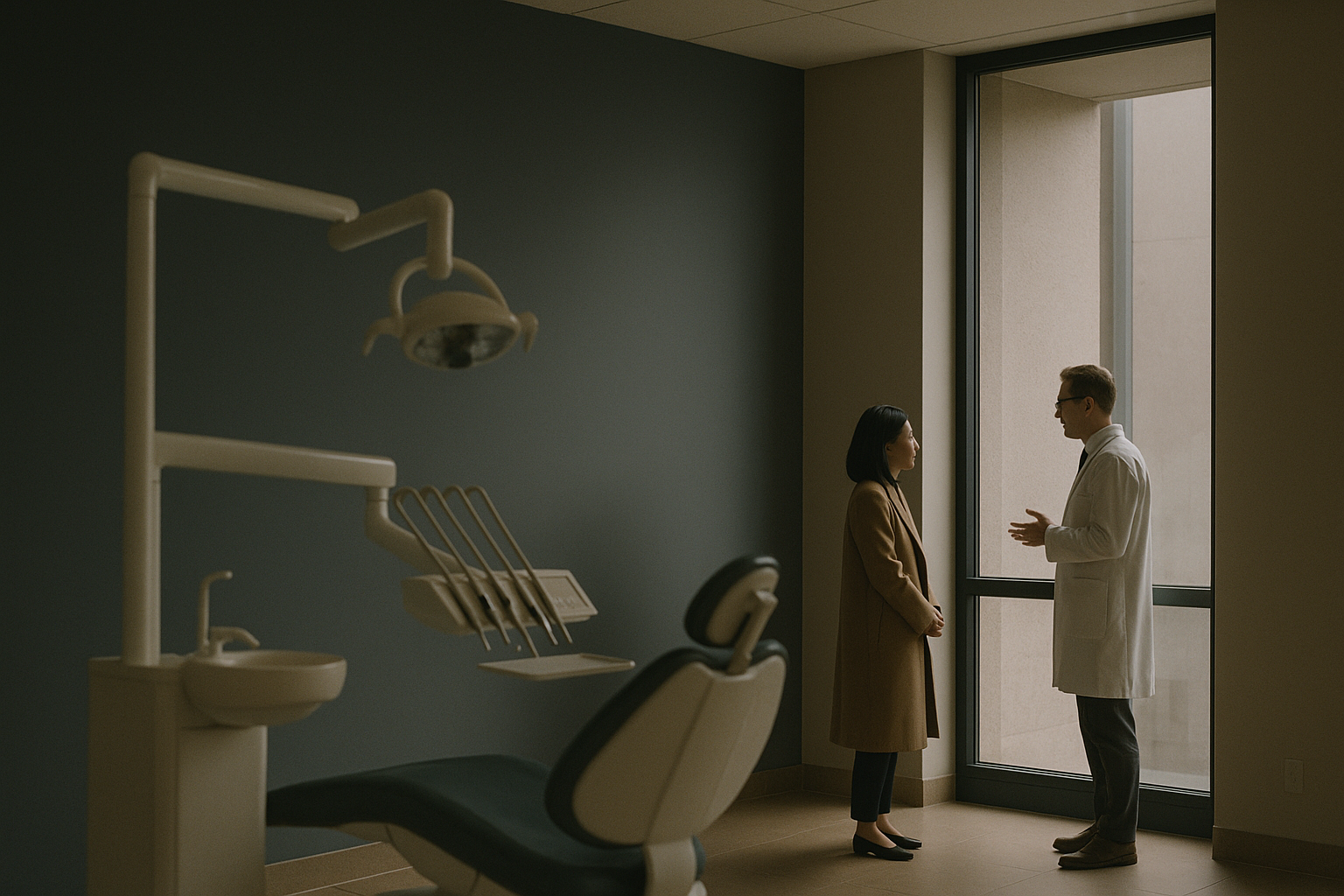
Choosing the best country for teeth implants involves considering various factors such as treatment quality, cost, and accessibility. As medical tourism grows, understanding these elements can ensure a successful and reassuring experience for international patients.
Why Choose Dental Implants Abroad?
Dental implants abroad can offer significant cost savings without compromising quality. Many countries, especially in Eastern Europe, Latin America, and Asia, have invested in state-of-the-art dental technology and highly trained specialists. These investments have elevated their dental care standards to be comparable to or even surpass those found in Western countries. For example, clinics in Hungary and Mexico use the latest 3D imaging and CAD/CAM technology, ensuring precision and efficiency in implant procedures. This advanced technology allows for more accurate placement and reduced procedure times, which can lead to faster recovery and improved outcomes for patients.
Cost is a major driving factor for patients considering dental treatment abroad. In the United States or the United Kingdom, dental implants can cost up to $5,000 per tooth, whereas in countries like India or Thailand, the cost can be as low as $1,000. This price difference can result in savings of 50% to 70%, making dental tourism an attractive option. Moreover, some countries offer the added benefit of dental tourism packages that include accommodation, local transportation, and even guided tours, transforming the treatment journey into a vacation-like experience. These packages can help offset the travel and accommodation costs, making the overall investment in dental health more accessible.
Another compelling reason to choose dental implants abroad is the reduced waiting times. In countries with socialized healthcare systems, such as the UK or Canada, patients might wait months for a consultation or procedure. In contrast, international clinics often have more flexible scheduling, allowing for appointments and procedures to be booked within weeks, if not days. This immediacy can be crucial for patients who are in pain or those who have time-sensitive travel plans. The ability to schedule procedures quickly also means that patients can plan their dental treatments around their own schedules, reducing the disruption to their personal and professional lives.
What Are the Best Countries for Dental Implants?
Hungary, Mexico, and India are among the best countries for dental implants, known for their affordable and high-quality services. Hungary is often referred to as the dental capital of Europe, with cities like Budapest hosting numerous top-tier clinics. The country’s stringent medical standards, along with the expertise of its dental professionals, make it a favored destination for those seeking reliable dental care. Clinics in Hungary are renowned for their comprehensive treatment plans that are tailored to individual needs, often featuring multilingual staff to cater to international patients. In addition to high-quality care, Hungary’s central location in Europe makes it easily accessible for patients from neighboring countries.
Mexico provides an ideal option for North American patients due to its geographical proximity and the presence of numerous clinics along the US-Mexico border. This accessibility means patients can easily travel for a day or a weekend to receive treatment. The clinics in cities like Tijuana and Cancun are equipped with modern dental technology, and many employ English-speaking staff to facilitate smooth communication. Additionally, the cultural familiarity and the option to pay in US dollars make Mexico an appealing choice for American and Canadian patients. Mexican clinics often offer flexible payment plans, which can further ease the financial burden of dental care.
India stands out for its robust healthcare system and competitive pricing, making it an attractive option for dental tourists. The country is home to many internationally accredited dental clinics, especially in metropolitan areas like Mumbai and Bangalore. These clinics offer world-class facilities and are staffed by dentists who have often trained or practiced in Western countries. Patients opting for dental implants in India can expect to pay a fraction of what they would in the West, with savings of up to 80% not uncommon. Furthermore, the opportunity to explore India’s rich cultural heritage during recovery adds to the allure. India’s diverse landscapes and historic sites make it a unique destination for those seeking both dental care and cultural enrichment.
How to Choose the Right Clinic for Dental Implants?
Choosing the right clinic involves thorough research and consideration of several factors. Firstly, verify the clinic’s accreditation and check whether it is recognized by international dental associations, such as the American Dental Association (ADA) or the European Federation of Periodontology (EFP). Accreditation ensures that the clinic adheres to global standards of care and maintains a high level of professionalism. Additionally, accredited clinics are more likely to follow stringent hygiene and safety protocols, which are crucial for successful dental implant procedures. Patients should also inquire about the clinic’s history and any awards or recognitions that might highlight its reputation in the field.
It is also crucial to review the qualifications and experience of the dental professionals. Look for information about their training, certifications, and specialization in implantology. Many top clinics provide detailed bios of their dental team on their websites, highlighting their experience and any international training. Patient testimonials and reviews on independent platforms can offer additional insights into the quality of care and patient satisfaction. A clinic with a proven track record of successful implant procedures is preferable, as this indicates both expertise and reliability. Patients may also consider reaching out directly to former patients to get first-hand accounts of their experiences.
Additionally, consider the clinic’s location and accessibility. Proximity to airports and accommodation can ease the logistical aspects of your medical journey. Some clinics offer packages that include transportation and lodging, which can simplify the travel process. This is particularly beneficial for patients unfamiliar with the local area or those who prefer a hassle-free experience. When evaluating clinics, also consider the language spoken and whether translation services are available, as clear communication is essential for effective treatment and a comfortable experience. The ease of communication can greatly impact the overall satisfaction and success of the dental implant procedure.
What Are the Costs Involved in Dental Implants Abroad?
The cost of dental implants abroad varies depending on the country and clinic chosen. On average, patients can expect to pay between 30% to 70% less than they would in Western countries. This substantial saving is a primary motivator for many seeking treatment abroad. For instance, in Hungary, a single implant may cost around $1,000 to $1,500, compared to $3,000 or more in the United States. In Mexico, prices can be even lower, with implants costing approximately $800 each, depending on the specific treatment plan and materials used. India offers some of the most competitive prices, with implants available for as little as $600 to $900.
While cost is a significant factor, it is important not to compromise quality for savings. Ensure that the clinic you choose provides a detailed breakdown of costs and any additional fees that may arise during treatment. Some clinics might offer bundled packages that include the implant, abutment, and crown, which could lead to further savings. However, be wary of prices that seem too good to be true, as they might indicate lower quality materials or lack of follow-up care. Patients should also consider the longevity of the materials used, as opting for cheaper alternatives might necessitate future corrective procedures.
Besides the direct costs of the implants, consider additional expenses such as travel, accommodation, and potential follow-up visits. Some countries may have hidden costs, such as taxes or service fees, that can add to the overall expense. It is advisable to obtain a comprehensive quote from the clinic before committing to treatment. This should include all potential costs, ensuring there are no surprises. Additionally, inquire about payment options and whether the clinic offers financing plans or accepts insurance, as this can help manage the financial aspects more effectively. Some clinics may offer discounts for upfront payments, which can be beneficial for those with the means to pay in advance.
What Are the Safety and Accreditation Considerations?
Safety is paramount when considering dental implants abroad. Look for clinics that hold international accreditation, such as those awarded by the Joint Commission International (JCI) or the International Organization for Standardization (ISO). These certifications indicate adherence to high safety and quality standards, ensuring that the clinic follows best practices in patient care and treatment procedures. Accredited clinics are regularly audited and must comply with stringent criteria, providing an additional layer of assurance for international patients. Patients should also verify if the clinic is part of any dental tourism associations, which can offer additional peace of mind regarding safety and quality.
Moreover, inquire about the sterilization protocols and the materials used for implants. High-quality clinics will use FDA-approved materials and maintain strict hygiene standards to prevent infection and ensure successful outcomes. During consultation, don’t hesitate to ask about the types of implants used, as reputable clinics typically provide detailed information about the brands and materials, such as titanium or zirconia, known for their durability and biocompatibility. Understanding these materials can help patients make informed decisions about the best options for their specific needs and health conditions.
Additionally, understanding the follow-up care and guarantees offered by the clinic can provide peace of mind. Some clinics offer warranties on implants, covering repairs or replacements if necessary. This is particularly important in case of complications or failures, which, although rare, can occur. Ensure that the clinic’s warranty policy is clearly outlined and that you understand the terms and conditions. Consider clinics that offer a comprehensive aftercare plan, which may include follow-up visits, remote consultations, or collaboration with local dentists in your home country for ongoing care. This continuity of care ensures that any issues can be addressed promptly, maintaining the health and longevity of the implants.
What Is the Timeline for Getting Dental Implants Abroad?
The timeline for obtaining dental implants abroad can vary based on the procedure, individual healing times, and the chosen country. Generally, the process can be completed in one to two visits, with each visit lasting about one to two weeks. Initially, patients undergo a consultation and evaluation, which includes detailed imaging and assessments to ensure candidacy for implants. This is usually followed by the implant placement. Clinics often provide a comprehensive treatment plan outlining the procedure steps, costs, and expected timelines to help patients plan their travel accordingly.
After implant placement, a healing period of three to six months is required for osseointegration, where the implant fuses with the jawbone. This period is crucial for the stability and longevity of the implant. In some cases, clinics offer immediate load implants, which allow for the placement of temporary crowns on the same day as the implant surgery. This option can significantly shorten the treatment time and is suitable for patients with sufficient bone density and volume. Patients should discuss the feasibility of immediate load implants with their dentist to determine if this option aligns with their specific dental and health conditions.
Once healing is complete, a second visit is often necessary for the placement of the abutment and crown. This visit typically lasts one week and involves multiple appointments to ensure the proper fit and aesthetics of the final restoration. Patients should plan their travel and accommodation accordingly, taking into account any necessary recovery time before returning home. It’s also advisable to schedule a follow-up appointment with a local dentist to monitor the implant’s progress and address any concerns that may arise after returning home. This local follow-up can facilitate any necessary adjustments or additional care.
Conclusion: Making an Informed Decision
Choosing the best country for teeth implants requires careful consideration of various factors including cost, quality, and safety. By conducting thorough research and selecting a reputable clinic, patients can achieve successful outcomes and enjoy significant savings. It’s essential to weigh the pros and cons of each potential destination, considering factors such as travel convenience, language barriers, and cultural differences, which can impact the overall experience. Consulting with dental tourism agencies can provide valuable insights and help streamline the process of choosing the right country and clinic.
Ultimately, the goal is to find a balance between affordability and quality, ensuring that the chosen destination offers both excellent dental care and a supportive environment for recovery. This may involve consulting with dental tourism agencies or seeking recommendations from past patients who have undergone similar treatments. Such insights can provide valuable guidance in selecting the right country and clinic. Additionally, leveraging online resources and forums can help connect with individuals who have firsthand experience with dental tourism, offering practical advice and recommendations.
In conclusion, dental tourism offers a viable solution for those seeking affordable and high-quality dental implants. With the right preparation and informed decision-making, patients can embark on a dental journey that not only restores their smile but also enriches their life with new cultural experiences and personal growth. As always, prioritize safety and quality over cost, and choose a clinic that puts patient care at the forefront of its services. By doing so, patients can ensure a positive and rewarding experience that meets their dental health needs and personal goals.
Proven result
20 to 200 hair-transplant patients a month from Australia
Aesthetic surgery group
Frequently asked questions
What is the best country for medical tourism?
Countries like Thailand, India, and Mexico are often regarded as top destinations for medical tourism due to their quality care and affordability.
Which country is best for medical tourism?
The best country for medical tourism depends on the specific treatment sought. Thailand and India are popular for diverse medical procedures.
Where is the best treatment for amputees and prosthetics abroad?
Germany and the United States are renowned for advanced prosthetics and rehabilitation services for amputees.
What factors should I consider when choosing a country for dental implants?
Consider the clinic’s accreditation, the experience of dental professionals, costs, and the convenience of location and travel logistics.
Related guides

Turkey Hospitals vs Local Hospitals Compared
A lower procedure quote can get a patient’s attention. It should not make the decision on its own.…

Patient Experience That Drives Trust and Growth
A patient who has already uploaded medical records, compared providers, and arranged time away from work is not…

What Is a Medical Travel Facilitator and Why Use One?
A lower treatment quote can look compelling until you try to compare what it actually includes: surgeon fees,…