
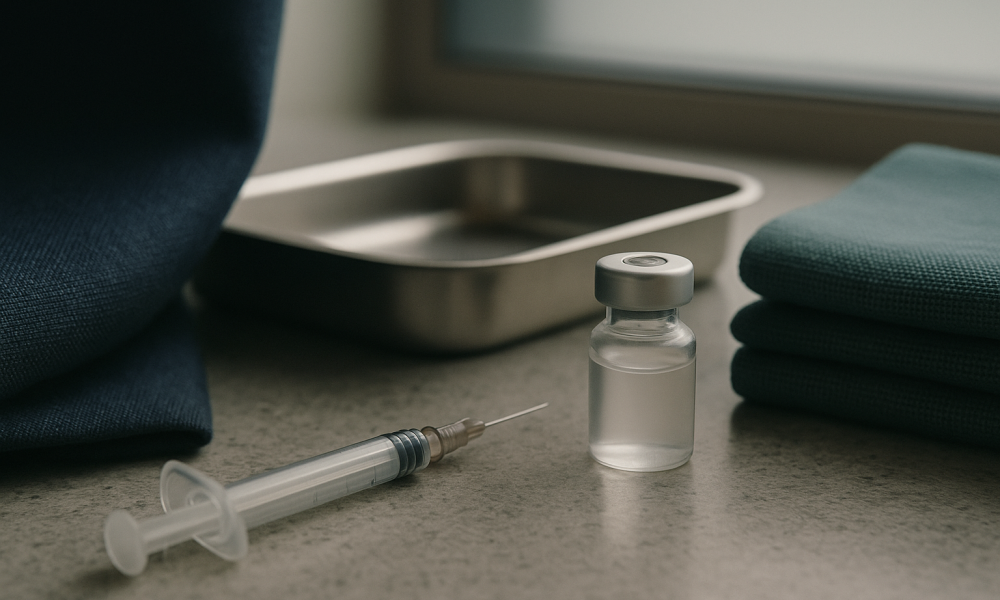
What Dermal Fillers is and who it is for
Dermal fillers are gel-like substances injected beneath the skin to restore lost volume, smooth lines, soften creases, or enhance facial contours. In Turkey, this cosmetic procedure has gained popularity due to its minimally invasive nature and the expertise available in the country’s medical facilities. The substances used in dermal fillers typically include hyaluronic acid, calcium hydroxylapatite, poly-L-lactic acid, and polymethylmethacrylate (PMMA). Among these, hyaluronic acid is the most common, known for its ability to add volume and hydration to the skin.
This procedure appeals to a broad demographic, particularly individuals seeking non-surgical solutions for facial rejuvenation. It is suitable for both men and women who wish to address signs of ageing such as wrinkles, sagging skin, and hollow areas. Additionally, younger individuals often opt for dermal fillers to enhance features like lips, cheeks, and jawlines, achieving a more defined or fuller appearance.
The popularity of dermal fillers in Turkey is also driven by the cost-effectiveness compared to other countries, with prices typically ranging from £150 to £500 per syringe, depending on the type of filler used and the extent of treatment required. Clinics in Turkey often use FDA-approved products and adhere to international safety standards, ensuring a high level of care for international patients.
The procedure itself is relatively quick, often taking between 30 to 60 minutes, and involves minimal downtime. Patients can usually resume normal activities immediately, although some may experience temporary swelling or bruising at the injection site. These side effects are generally mild and resolve within a few days. Results from dermal fillers are visible immediately, though optimal results may be observed once any initial swelling subsides.
Are you a good candidate?
Determining whether you are a good candidate for dermal fillers is an essential step before proceeding with the treatment. While dermal fillers can benefit many people, they are not suitable for everyone. It is crucial to consider several factors to ensure that this cosmetic procedure aligns with your aesthetic goals and health profile.
- Age: Typically, candidates are over the age of 18. However, most people seeking dermal fillers are in their 30s to 50s, looking to address signs of ageing.
- Health Status: Ideal candidates should be in good overall health. Individuals with active skin infections, uncontrolled diabetes, or bleeding disorders may need to avoid this treatment.
- Realistic Expectations: Candidates should have realistic expectations about the outcomes of dermal fillers. While they can enhance appearance, they do not stop the ageing process.
- Non-smokers: Non-smokers tend to have better healing and more satisfactory results. Smoking can impede the healing process and affect the longevity of the results.
- Skin Condition: Healthy skin with good elasticity can achieve better results. Those with severely sun-damaged or very thin skin might not see optimal outcomes.
- Allergy Considerations: Candidates should not have a history of severe allergies or allergic reactions to any of the substances used in fillers, particularly if they contain lidocaine.
- Previous Cosmetic Procedures: Those who have undergone other cosmetic procedures should inform their practitioner, as this may influence the suitability and approach to treatment.
Before proceeding, a comprehensive consultation with a qualified practitioner in Turkey is recommended. This consultation will assess your medical history, discuss your aesthetic goals, and determine the most appropriate type of filler and treatment plan tailored to your needs. During this process, transparency about past medical history and any medications you are taking is important to ensure safety and effectiveness.
The procedure, step by step
Undergoing dermal filler treatment in Turkey is a well-structured process designed to ensure patient safety and satisfaction. Here’s a detailed step-by-step overview of what you can expect during the procedure:
- Initial Consultation: The process begins with a comprehensive consultation with a licensed dermatologist or cosmetic surgeon. During this session, the specialist will discuss your aesthetic goals, assess your facial structure, and review your medical history to determine the most suitable type of filler. This is also the time to address any questions or concerns you might have.
- Treatment Planning: After the consultation, a customised treatment plan is developed. This plan includes the type of filler to be used, the areas to be treated, and the expected volume of filler. The specialist will also discuss the expected outcomes and any potential risks.
- Preparation: On the day of the procedure, the treatment area will be thoroughly cleaned to prevent infection. A topical anaesthetic may be applied to minimise discomfort during the injections. This step typically takes about 15 to 30 minutes.
- Marking: The specialist will mark the targeted areas on your face with a temporary marker. This helps ensure precision and symmetry during the injection process.
- Injection: Using a fine needle or cannula, the specialist will inject the filler into the predetermined areas. The number of injections will vary based on the treatment plan. Each injection takes only a few seconds, but the entire process can last between 15 to 60 minutes depending on the number of areas being treated.
- Post-Injection Assessment: Immediately after the injections, the specialist will gently massage the treated areas to distribute the filler evenly and reduce the risk of lumps. They will also assess the results to ensure they meet the desired aesthetic goals.
- Aftercare Instructions: Before you leave, you will receive detailed aftercare instructions. These may include guidelines on how to minimise swelling, avoid certain activities, and when to schedule a follow-up appointment. It is crucial to adhere to these instructions to ensure optimal results.
Recovery timeline
Understanding the recovery timeline is essential for planning your dermal filler treatment in Turkey. Here is a detailed table outlining what you can expect from day one to full recovery:
| Period | What to Expect | Care Notes |
|---|---|---|
| Day 1 | Immediately after treatment, you may experience mild swelling, redness, and tenderness at the injection sites. | Apply a cold compress to reduce swelling. Avoid touching the treated areas unnecessarily. |
| Days 2-3 | Swelling and redness should begin to subside. Bruising may become more apparent. | Continue using cold compresses. Avoid strenuous activities and exposure to direct sunlight. |
| Days 4-7 | Most swelling and redness will have diminished. Bruising, if present, may still be visible but should start fading. | You can resume light activities. Use sunscreen to protect the treated areas. |
| Week 2 | The filler will start settling, and you should see more defined results. Minor asymmetries may still adjust. | Attend any scheduled follow-up appointments. Discuss any concerns with your specialist. |
| Weeks 3-4 | Full results are typically visible by now. The skin should feel smooth and natural. | Maintain a regular skincare routine and follow any additional advice from your specialist. |
It’s important to remember that individual recovery times can vary based on factors such as the type of filler used, the areas treated, and your personal healing process. Always follow the specific advice given by your healthcare provider to ensure the best possible outcome.
What it costs: Turkey vs the United States
When considering dermal filler treatments, cost is often a significant factor for many prospective patients. Turkey has become an attractive destination for such procedures due to its competitive pricing and high standards of care. However, it’s crucial to understand that prices can vary based on several factors, including the type of filler used, the area of treatment, and the clinic’s location and reputation.
The following table provides a general comparison of indicative price ranges for dermal filler treatments in Turkey and the United States. Please note that these figures are approximate and can vary:
| Treatment | Turkey (USD) | United States (USD) |
|---|---|---|
| Lip Augmentation | 350 – 600 | 600 – 1,200 |
| Cheek Enhancement | 400 – 700 | 800 – 1,500 |
| Nasolabial Folds | 300 – 550 | 500 – 1,100 |
| Under Eye Fillers | 400 – 750 | 700 – 1,500 |
In Turkey, the typical cost of dermal filler treatments often includes more than just the procedure itself. Most clinics offer packages that may cover the initial consultation, the procedure, follow-up visits, and sometimes even accommodation and transportation for international patients. This comprehensive approach can significantly enhance the overall value of the treatment package, making it a more attractive option for those traveling from abroad.
It’s also important to note that the lower price range in Turkey does not necessarily imply lower quality. The country boasts numerous internationally accredited clinics and highly experienced practitioners who adhere to stringent safety and hygiene standards. Patients are encouraged to thoroughly research and select clinics that are well-reviewed and have proven credentials.
Prospective patients should always verify what is included in the quoted price, as some clinics might offer different packages with varying inclusions. Asking detailed questions during the initial consultation can help ensure that there are no unexpected costs later on.
Risks and how accredited providers manage them
Like any medical procedure, dermal filler treatments carry certain risks. These can range from mild and temporary side effects to more serious complications, although the latter is rare when performed by a qualified professional. Understanding these risks and how they are managed is crucial for anyone considering treatment abroad.
Common side effects of dermal fillers include bruising, swelling, redness, and tenderness at the injection site. These symptoms are typically mild and resolve within a few days. More serious risks, although rare, can include infection, allergic reactions, and filler migration. In some cases, if the filler is injected improperly, it can lead to vascular complications, which can be serious.
Accredited clinics in Turkey employ several strategies to minimise these risks. First and foremost, they ensure that all procedures are performed by certified and experienced practitioners. These professionals are trained to use advanced techniques that reduce the likelihood of complications. They also use high-quality, FDA-approved fillers, which are crucial for ensuring both the safety and efficacy of the treatment.
Prior to the procedure, a thorough consultation is conducted to assess the patient’s medical history and suitability for the treatment. This helps in identifying any potential contraindications, such as allergies to filler ingredients or pre-existing conditions that might affect the outcome.
Moreover, reputable clinics adhere to strict hygiene protocols. This includes using sterile equipment and maintaining a clean environment to prevent infections. Patients are also provided with detailed aftercare instructions to facilitate proper healing and minimise the risk of adverse effects.
In the unlikely event of complications, accredited clinics in Turkey are well-prepared to manage them promptly. This includes having protocols in place for the immediate treatment of any adverse reactions and offering follow-up care to ensure patient safety and satisfaction.
Ultimately, while no medical procedure is without risk, choosing an accredited provider with a proven track record of safety can significantly mitigate these risks. Patients are encouraged to conduct thorough research and select clinics based on their credentials, reviews, and the comprehensiveness of their patient care practices.
How to choose the right provider
Choosing the right provider for dermal fillers in Turkey is crucial to ensure a safe and satisfactory outcome. The first step is to verify the clinic’s accreditation. Look for clinics accredited by international bodies such as the Joint Commission International (JCI) or the Turkish Ministry of Health. These accreditations ensure that the clinic adheres to high standards of safety and quality.
Surgeon experience is another critical factor. Research the credentials of the practitioners, focusing on their qualifications and years of experience. A practitioner with at least five years of experience in administering dermal fillers can offer a higher level of expertise. It is also advisable to ask for before-and-after photos of previous patients to gauge the practitioner’s skill.
Consider the clinic’s aftercare services. Quality clinics provide comprehensive aftercare, including follow-up appointments and emergency contact options. This support is vital in case of any complications or concerns post-procedure. Ensure that the clinic offers a clear aftercare plan tailored to your needs.
Be vigilant for red flags that may indicate a less reputable provider. These include lack of transparency about the products used, overly aggressive pricing, or pressure tactics to book immediately. Also, avoid clinics that do not conduct a thorough consultation or fail to discuss potential risks and complications.
Ultimately, the right provider will prioritise patient safety, offer transparent information, and have a proven track record of successful outcomes. It’s essential to feel comfortable and confident in your choice, so take the time to research and consult multiple providers if necessary.
Planning your trip
Planning your journey for dermal filler treatment in Turkey involves several important steps to ensure a smooth and successful experience. Begin by establishing a timeline. It is advisable to schedule your procedure at least 6-8 weeks in advance. This allows ample time for consultations, travel arrangements, and any necessary medical evaluations.
Ensure you have all required documents, including a valid passport with at least six months’ validity from your date of entry to Turkey. Depending on your nationality, you may also need a visa, which can be obtained online through the Turkish government’s e-Visa portal.
Plan for a stay of at least 3-5 days. This duration allows for the procedure, initial recovery, and a follow-up appointment. During this period, you can also enjoy some leisure time to explore local attractions, provided it does not interfere with your recovery.
Consider accommodation options close to the clinic for convenience. Many clinics have partnerships with nearby hotels that offer special rates for patients. Ensure your accommodation meets your comfort and accessibility needs, particularly for post-procedure rest.
After your return to the United States, arrange for follow-up care with a local dermatologist or aesthetician. This step is crucial to monitor your healing process and address any concerns. Ensure you have access to your treatment records, which can be shared with your local provider.
Finally, plan your budget carefully. In addition to the procedure cost, which typically ranges from £200 to £600 per session, account for travel expenses, accommodation, and any additional treatments you may want while in Turkey.
Frequently Asked Questions
What are the typical costs for dermal fillers in Turkey?
The cost of dermal fillers in Turkey can vary depending on the clinic and the type of filler used. On average, patients can expect to pay between £200 and £600 per session. This range is indicative and may differ based on specific needs and the practitioner's expertise. It's important to consult with multiple clinics to get detailed quotes and understand what is included in the price.
How safe is it to have dermal fillers in Turkey?
Dermal fillers in Turkey are generally safe, especially when performed by qualified practitioners in accredited clinics. It's crucial to ensure the clinic is recognised by international bodies like the Joint Commission International (JCI) to guarantee adherence to safety standards. Patients should also verify that the products used are approved by health authorities and have a proven safety record.
How long should I plan to stay in Turkey for dermal filler treatment?
You should plan to stay in Turkey for at least 3-5 days for dermal filler treatment. This timeframe allows for the procedure, initial recovery, and a follow-up appointment to ensure everything is proceeding as expected. Additionally, this period provides an opportunity to enjoy some local attractions, provided your recovery allows for such activities.
What documents do I need to travel to Turkey for treatment?
To travel to Turkey for treatment, you will need a valid passport with at least six months of validity from your date of entry. Depending on your nationality, a visa may also be required, which can be easily obtained online through the Turkish government's e-Visa portal. It is advisable to keep copies of all travel and medical documents for your records.
What factors should I consider when choosing a clinic in Turkey?
When choosing a clinic in Turkey, consider its accreditation status, the experience and qualifications of its practitioners, and the quality of aftercare services. Check for international accreditations like JCI and ensure the clinic is transparent about the products used. Avoid clinics with aggressive sales tactics or those that lack thorough consultation processes.
Will I need follow-up care after returning home?
Yes, follow-up care is important after returning home to ensure proper healing and address any concerns. Arrange for a local dermatologist or aesthetician to review your progress. It is essential to have access to your treatment records to share with your local provider, ensuring continuity of care.
Can I combine my dermal filler treatment with a holiday in Turkey?
Yes, many patients choose to combine their treatment with a holiday in Turkey. It is advisable to plan your leisure activities around your recovery needs. Avoid strenuous activities immediately after the procedure and consult your practitioner about any limitations related to travel or physical exertion.
What should I do if I experience complications after the procedure?
If you experience any complications after the procedure, contact the clinic immediately for guidance. Most reputable clinics offer emergency contact options as part of their aftercare services. If you have returned home, consult a local healthcare provider as soon as possible. Having your treatment records will be helpful in addressing any issues.
Is it necessary to have a consultation before the procedure?
Yes, a consultation is a critical step before undergoing dermal filler treatment. During the consultation, the practitioner will assess your suitability for the procedure, discuss your goals, and explain the potential risks and benefits. This is also an opportunity to ask any questions and ensure you are comfortable with the planned treatment.
How can I verify a clinic's accreditation in Turkey?
To verify a clinic's accreditation in Turkey, check for recognitions from international bodies such as the Joint Commission International (JCI) or approvals from the Turkish Ministry of Health. These accreditations indicate that the clinic meets high standards of safety and quality. You can often find this information on the clinic's website or by contacting them directly.
Are there any red flags I should watch out for when choosing a provider?
Yes, be cautious of clinics that lack transparency about the products used, offer prices that seem too good to be true, or use pressure tactics to secure bookings. Also, avoid providers that do not conduct thorough consultations or fail to discuss potential risks and complications. It's crucial to feel comfortable and informed about your choice.
What are the benefits of having dermal fillers in Turkey compared to the US?
Having dermal fillers in Turkey can offer several benefits compared to the US, including lower costs, access to internationally accredited clinics, and experienced practitioners. Turkey is renowned for its medical tourism industry, providing opportunities to combine treatment with travel. However, it's important to thoroughly research clinics and ensure they meet high safety and quality standards.