
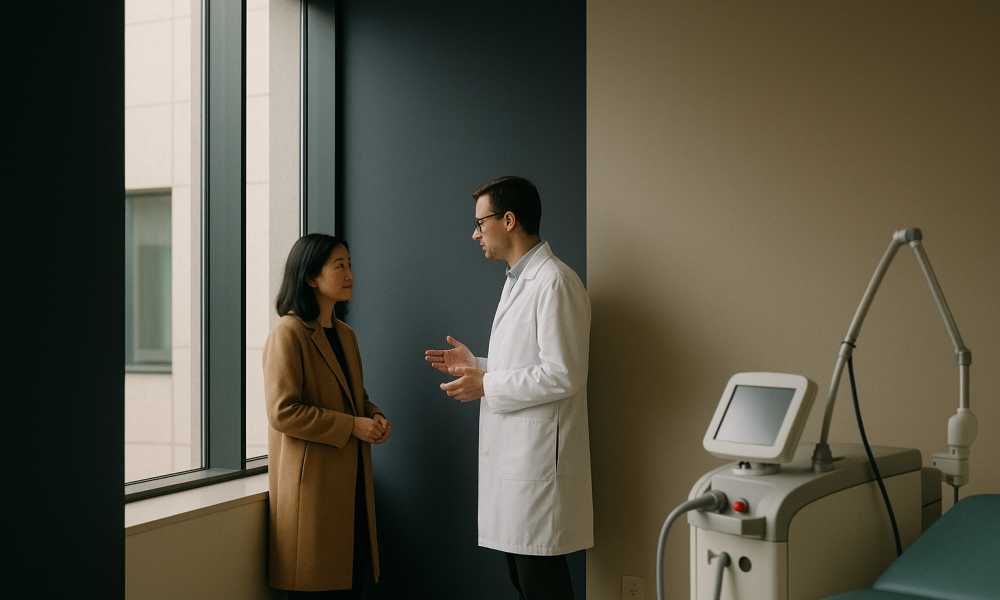
What Laser Hair Removal is and who it is for
Laser hair removal is a medical procedure that utilises concentrated light beams to target and destroy hair follicles. The laser emits a light that is absorbed by the pigment (melanin) in the hair, subsequently damaging the follicle to inhibit future growth. This treatment is favoured for its precision, speed, and predictability. Common areas for treatment include the face, legs, arms, underarms, bikini line, and back. While it reduces hair growth, it does not guarantee permanent removal.
Individuals seeking a long-term solution to unwanted hair may consider this treatment. It is particularly beneficial for those with dark hair and light skin, as the laser targets the pigment in the hair. However, advances in technology have made it possible to treat a wider range of skin types and hair colours. Patients often choose Turkey for this procedure due to the country’s reputation for high-quality medical care and competitive pricing. The cost of laser hair removal in Turkey typically ranges from £100 to £300 per session, depending on the area being treated and the clinic’s location.
Laser hair removal is generally safe when performed by a qualified and experienced practitioner. It is essential to have a thorough consultation before proceeding, allowing the practitioner to assess your suitability and discuss any potential risks. Common side effects include temporary redness, swelling, and discomfort, similar to a mild sunburn. These effects usually resolve within a few hours to a couple of days.
Patients should be aware that multiple sessions are typically required to achieve optimal results. The number of sessions varies based on the individual’s hair colour, skin type, and the area being treated. Most people need between three to eight sessions, spaced four to six weeks apart, to see significant hair reduction. Following each session, patients can return to normal activities, though it is recommended to avoid direct sun exposure and apply sunscreen to protect the treated areas.
Are you a good candidate?
Determining if you are a suitable candidate for laser hair removal involves several considerations. The effectiveness of the treatment largely depends on the contrast between hair and skin colour, though newer technologies have broadened the scope of who can benefit. Here are some criteria to consider:
- Hair Colour: Ideal for individuals with dark hair due to the laser’s targeting of melanin.
- Skin Type: Best results are seen in those with lighter skin, but advancements have made it possible for those with darker skin to safely undergo treatment.
- Medical History: Individuals with certain conditions, such as a history of skin cancer or specific skin disorders, may need to consult a specialist.
- Current Medications: Some medications, especially those causing photosensitivity, may interfere with the treatment.
- Pregnancy: Generally not recommended for pregnant women due to the lack of research on its safety during pregnancy.
- Realistic Expectations: Understanding that the goal is hair reduction, not complete removal, is crucial for satisfaction with the results.
Before deciding on laser hair removal, a consultation with a qualified practitioner in Turkey is essential. During this session, the practitioner will review your medical history, evaluate your skin and hair type, and discuss your expectations. This assessment ensures that the treatment plan is tailored to your specific needs, maximising the likelihood of a successful outcome.
In addition to these criteria, consider the practical aspects of undergoing treatment in Turkey. These include travel arrangements, accommodation, and the logistics of attending multiple sessions if required. Many clinics offer packages that cater to international patients, providing assistance with these details to ensure a smooth and stress-free experience.
The procedure, step by step
Undergoing laser hair removal in Turkey involves a carefully structured process designed to ensure safety and effectiveness. Here is a detailed step-by-step guide to give you a clear understanding of what to expect during the procedure:
- Initial Consultation: Before the procedure begins, you will have an initial consultation with a qualified dermatologist or laser technician. During this session, your medical history will be reviewed, and a skin and hair assessment will be conducted. The practitioner will discuss your goals, explain the procedure in detail, and address any questions or concerns you might have.
- Preparation: On the day of the procedure, the target area will be cleaned thoroughly. You may be asked to shave the area one to two days prior to your appointment to ensure the laser can effectively target the hair follicles. Avoid tanning or using self-tanning products for at least two weeks before the treatment.
- Protective Gear: Both you and the technician will wear protective eyewear to shield your eyes from the laser light. This is a crucial safety measure to prevent any potential damage to your vision.
- Test Patch: A test patch may be performed to ensure that your skin reacts well to the laser and to determine the most effective settings for your skin type and hair colour. This step helps to minimize any potential side effects.
- Laser Treatment: The technician will use a handheld device to deliver laser pulses to the target area. The laser emits a concentrated beam of light that penetrates the skin and is absorbed by the pigment in the hair follicles. This light energy is converted into heat, which damages the follicles and inhibits future hair growth. The duration of the session can vary depending on the size of the area being treated, typically ranging from 15 minutes for small areas like the upper lip to an hour for larger areas such as the back or legs.
- Cooling Measures: To enhance comfort, a cooling gel or a cooling device may be used during the procedure. This helps to soothe the skin and reduce any discomfort from the laser’s heat.
- Post-Treatment Care: Immediately after the session, a soothing lotion or cream may be applied to calm the skin. You will receive specific post-treatment care instructions, including how to manage any redness or swelling, which are common temporary side effects.
It’s important to note that laser hair removal typically requires multiple sessions, usually spaced 4-6 weeks apart, to achieve optimal results. This is because hair grows in cycles, and the laser is most effective on follicles in the active growth phase.
Recovery timeline
Understanding the recovery timeline for laser hair removal is essential for managing expectations and ensuring optimal care. Here’s a detailed breakdown of what you can expect from day one through to full recovery:
| Period | What to Expect | Care Notes |
|---|---|---|
| Day 1 | Immediately after the procedure, mild redness and swelling in the treated area are common. These symptoms are similar to a mild sunburn and typically subside within a few hours to a couple of days. | Apply a soothing lotion or aloe vera gel to ease discomfort. Avoid direct sun exposure and do not use any perfumed or harsh skin products. |
| Days 2-3 | The redness should begin to decrease. Some patients may notice slight crusting or scabbing in the treated area. | Continue using soothing lotions. Do not pick or scratch at any scabs to prevent scarring. Use sunscreen with at least SPF 30 if you need to be outdoors. |
| Week 1 | Hair in the treated area may appear to be growing as it is pushed out of the follicle. This is a normal part of the hair removal process. | Gently exfoliate the skin to help remove treated hairs. Avoid waxing, plucking, or threading. |
| Weeks 2-4 | Most of the treated hair should fall out. The skin should look clearer and smoother. | Continue to protect the skin from sun exposure. Moisturise regularly to keep the skin hydrated. |
| Full Recovery (4-6 weeks) | The skin should be fully healed, and any remaining hair should be minimal. You may start seeing significant reduction in hair regrowth. | Prepare for your next session if needed. Maintain a skincare routine that includes sun protection and gentle cleansing. |
The recovery process is generally straightforward, but it is crucial to follow the aftercare instructions provided by your practitioner to ensure the best results and minimise the risk of side effects. Always contact your healthcare provider if you experience any unusual symptoms or have concerns about your recovery.
What it costs: Turkey vs Australia
When considering laser hair removal, cost is often a significant factor for international patients. Turkey has become a preferred destination for this treatment, offering competitive prices compared to Australia. However, it is crucial to understand that these cost figures are indicative and can vary depending on factors such as the clinic’s location, the expertise of the practitioners, and the technology used.
Below is a comparison table illustrating the typical price ranges for laser hair removal in Turkey and Australia.
| Area Treated | Turkey (Indicative Range in USD) | Australia (Indicative Range in AUD) |
|---|---|---|
| Upper Lip | $20 – $50 per session | $30 – $70 per session |
| Underarms | $40 – $80 per session | $50 – $100 per session |
| Bikini Line | $50 – $100 per session | $60 – $120 per session |
| Full Legs | $150 – $300 per session | $250 – $500 per session |
| Full Body | $200 – $500 per session | $300 – $700 per session |
In Turkey, clinics often offer package deals that include multiple sessions, which can further reduce the overall cost. For instance, a full course of treatment for an area like the underarms might be offered as a package of six sessions, with a typical range of $200 to $400 USD. In Australia, similar packages might range from $300 to $600 AUD. These packages can provide better value, especially for larger areas or full-body treatments.
While cost savings are a significant advantage of choosing Turkey for laser hair removal, it’s important to factor in travel and accommodation expenses. However, the overall expenditure often remains lower compared to undergoing the same treatment in Australia. Prospective patients are encouraged to contact clinics directly to obtain precise quotes and to verify what is included in the package, such as pre-treatment consultations and post-treatment care.
Ultimately, while cost is an important consideration, it should be balanced with other factors, such as the quality of care, the clinic’s reputation, and the qualifications of the practitioners.
Risks and how accredited providers manage them
Laser hair removal, like any medical procedure, carries certain risks. These can include skin irritation, pigment changes, and in rare cases, burns or scarring. However, these risks are generally low when the procedure is performed by qualified and experienced professionals using appropriate equipment.
Accredited providers in Turkey are well-equipped to manage these risks effectively. They adhere to strict safety protocols and guidelines to ensure patient safety. Here are some of the measures they typically implement:
- Pre-treatment Consultation: Before any treatment, a comprehensive consultation is conducted. This includes a review of the patient’s medical history, skin type, and hair characteristics to determine suitability for the procedure.
- Patch Testing: A patch test may be performed on a small area of skin to assess how it reacts to the laser. This helps in selecting the appropriate laser settings and reduces the risk of adverse reactions.
- Qualified Practitioners: Treatments are conducted by trained professionals who are certified in laser hair removal. They have the expertise to adjust the laser settings according to the patient’s skin type and hair colour.
- Use of Advanced Technology: Accredited clinics use state-of-the-art laser equipment that is regularly maintained and calibrated to ensure optimal performance and safety.
- Post-treatment Care: Patients receive detailed instructions on post-treatment care to minimise risks such as skin irritation. This may include avoiding sun exposure and using prescribed skin care products.
- Monitoring and Follow-up: Providers often schedule follow-up appointments to monitor the patient’s progress and address any concerns. This ongoing care helps in managing any potential issues promptly.
While the risks associated with laser hair removal are minimal when performed correctly, patients are encouraged to ask questions and express any concerns during their initial consultations. Choosing an accredited provider with a strong reputation is crucial in ensuring a safe and effective treatment experience. Patients should look for clinics that have received certification from recognised health authorities and have positive reviews from previous clients.
In summary, while laser hair removal does come with inherent risks, accredited providers in Turkey have robust systems in place to manage these effectively, ensuring a high standard of care and patient satisfaction.
How to choose the right provider
Choosing the right provider for laser hair removal in Turkey is crucial for a safe and effective experience. Start by examining the accreditation of the clinic. Reputable clinics should be accredited by recognised international bodies such as the Joint Commission International (JCI) or the International Organization for Standardization (ISO). Accreditation ensures that the clinic adheres to international standards of healthcare quality and patient safety.
Next, consider the experience and qualifications of the practitioners. Laser hair removal should be performed by a dermatologist or a licensed practitioner with specialised training in laser treatments. Ask about their years of experience, the number of procedures they have performed, and request before-and-after photos of their work if possible. A practitioner with a proven track record in laser hair removal can provide insights into expected outcomes and manage any potential complications.
Aftercare is another critical aspect to consider. A reputable provider will offer comprehensive aftercare instructions and be available for follow-up consultations. Ensure that the clinic has a clear protocol for managing any side effects or complications that may arise post-treatment. This might include providing topical treatments, advice on sun protection, and guidelines on avoiding activities like swimming or sunbathing that could irritate treated areas.
Be vigilant about red flags such as unreasonably low prices, lack of transparency about the treatment process, or a high-pressure sales environment. Clinics that promise guaranteed results or downplay potential risks should be approached with caution. Legitimate providers will offer a thorough consultation to discuss your medical history, skin type, and treatment goals, and they will set realistic expectations regarding the number of sessions required and possible outcomes.
In summary, selecting the right provider involves verifying accreditation, assessing practitioner experience, ensuring comprehensive aftercare, and recognising red flags. Taking these steps will help ensure a safe and satisfactory laser hair removal experience in Turkey.
Planning your trip
Planning your trip for laser hair removal in Turkey involves several crucial steps. Start by determining a timeline that suits your schedule and the treatment plan. Typically, a series of 6 to 8 sessions is required for optimal results, with each session spaced about 4 to 6 weeks apart. This means you may need to plan multiple trips unless you intend to stay in Turkey for an extended period.
Before travelling, ensure all necessary documents are in order. This includes a valid passport, a visa if required (Australian citizens may need an e-visa), and comprehensive travel insurance that covers medical procedures abroad. It’s also wise to have copies of any medical records or previous treatment histories that may be relevant to your laser hair removal sessions.
Your length of stay in Turkey will depend on your treatment schedule. For a single session, most patients can expect to stay 2 to 3 days—one day for travel, one for the treatment, and an additional day for any follow-up consultations. If planning multiple sessions, you might consider a longer stay or multiple visits.
Consider the logistics of your stay, including accommodation and transportation. Many clinics offer packages that include hotel stays and airport transfers, which can simplify the planning process. However, always ensure that these services meet your standards and are included at a fair price.
After your treatment, follow-up care is essential. Discuss with your provider how you can maintain contact for any post-treatment questions or issues. Some clinics may offer virtual consultations, which can be a convenient option once you return home to Australia.
Lastly, consider the cultural and recreational opportunities in Turkey. While medical travel is the primary purpose, enjoying Turkey’s rich history, cuisine, and landscapes can enhance your trip. Balance your itinerary to include rest and recovery time after each treatment session.
Frequently Asked Questions
What is the typical cost of laser hair removal in Turkey?
The cost of laser hair removal in Turkey can vary depending on the clinic, the area being treated, and the number of sessions required. On average, prices range from €100 to €300 per session. It's important to remember that multiple sessions are usually needed for optimal results, so budget accordingly.
How safe is laser hair removal in Turkey?
Laser hair removal in Turkey is generally safe when performed by qualified professionals in accredited clinics. Ensure the clinic follows international safety standards and the practitioner is experienced. Discuss any medical conditions or concerns during your consultation to minimise risks.
How many sessions of laser hair removal are typically needed?
Most patients require between 6 to 8 sessions of laser hair removal to achieve optimal results. The exact number of sessions can vary based on individual factors such as hair type, skin type, and the area being treated. Your practitioner will provide a personalised treatment plan.
Can I expect permanent hair removal?
While laser hair removal significantly reduces hair growth, it may not result in permanent hair removal. Most patients experience long-term hair reduction, but some hair regrowth can occur over time. Maintenance sessions may be required to sustain results.
What should I do to prepare for my treatment?
Before your laser hair removal session, avoid sun exposure and tanning for at least two weeks. Refrain from plucking or waxing the area to be treated, as the laser targets hair roots. Shave the area a day before treatment and follow any specific instructions provided by your clinic.
Are there any side effects I should be aware of?
Common side effects of laser hair removal include redness, swelling, and mild discomfort in the treated area, which usually subside within a few hours. Rarely, more serious side effects like blistering or changes in skin pigmentation can occur. Discuss potential risks with your provider.
How long does each laser hair removal session take?
The duration of a laser hair removal session depends on the size of the area being treated. Small areas like the upper lip may take only 5 to 10 minutes, while larger areas like the legs or back can take up to an hour. Your provider will give you an estimate during your consultation.
What is the recovery time after a session?
Recovery time after a laser hair removal session is minimal. Most patients experience minor redness and swelling that resolves within a few hours. You can typically return to normal activities immediately, though it's advised to avoid sun exposure and heat treatments for a short period.
Can I combine my treatment with a holiday in Turkey?
Yes, many patients combine laser hair removal with a holiday in Turkey. Ensure your itinerary allows for necessary downtime after each treatment session. Enjoy Turkey's cultural and historical attractions, but balance activities with rest to aid recovery.
Is laser hair removal suitable for all skin types?
Laser hair removal is effective for a variety of skin types, though results can vary. Advances in laser technology have made treatments safer and more effective for darker skin tones. Your practitioner will assess your skin type and recommend the most suitable laser technology for you.
What follow-up care is necessary after treatment?
After laser hair removal, avoid sun exposure and apply sunscreen to protect treated areas. Moisturise the skin and avoid hot showers, saunas, and strenuous exercise for a few days. Follow any specific aftercare instructions provided by your clinic to ensure optimal results.
Can I get a package deal for multiple sessions?
Many clinics in Turkey offer package deals for multiple laser hair removal sessions, which can provide cost savings. Packages typically cover a specific number of sessions and may include additional services like accommodation or transfers. Inquire about package options during your consultation.