
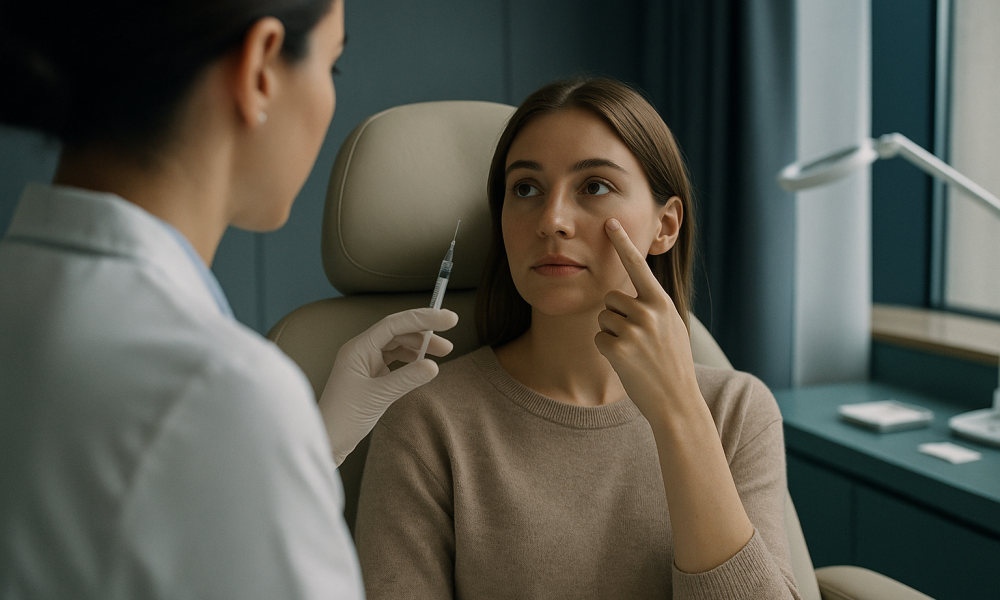
What Under-Eye Filler is and who it is for
Under-eye filler is a non-surgical aesthetic procedure designed to rejuvenate the area beneath the eyes, commonly referred to as the ‘tear trough’. It involves the injection of dermal fillers, typically made from hyaluronic acid, a substance naturally found in the skin, to add volume and smooth out hollows that can contribute to a tired or aged appearance. This treatment is particularly sought after by individuals experiencing dark circles, under-eye bags, or a sunken appearance due to ageing or genetics.
In Turkey, under-eye filler treatments are performed by qualified and experienced practitioners who are well-versed in the latest techniques. The procedure aims to create a more youthful and refreshed look by reducing the shadowing and hollows that occur under the eyes. While the results are not permanent, they can last from 9 to 12 months, depending on individual factors such as metabolism and lifestyle.
Patients often choose Turkey for this procedure due to the country’s advanced medical infrastructure, competitive pricing, and the opportunity to combine treatment with a holiday. It’s important to note that while under-eye fillers can be highly effective, they are not suitable for addressing all concerns, such as severe skin laxity or excess fat deposits, which may require alternative treatments.
The procedure is minimally invasive and typically takes between 30 to 60 minutes. A topical anaesthetic is applied to ensure patient comfort. After the treatment, patients can expect some mild swelling or bruising, which usually resolves within a few days. The results are visible immediately, although optimal results are typically observed after any swelling subsides.
Overall, under-eye fillers in Turkey offer a blend of quality care and affordability. However, prospective patients should conduct thorough research and consult with qualified professionals to ensure the procedure aligns with their aesthetic goals and health needs.
Are you a good candidate?
Determining whether you are a suitable candidate for under-eye filler involves a careful assessment of your individual needs and circumstances. This treatment is ideal for those seeking to address specific cosmetic concerns under the eyes without undergoing surgery. However, it is not suitable for everyone, and certain criteria should be considered before proceeding.
Firstly, candidates should be in good overall health and have realistic expectations about the outcomes. It’s crucial to understand that while under-eye fillers can significantly improve appearance, they do not provide permanent results and will require maintenance treatments to sustain the effects.
- Presence of mild to moderate hollows under the eyes.
- Desire to reduce the appearance of dark circles or tired-looking eyes.
- Good skin elasticity, as this affects how well the filler integrates into the surrounding tissue.
- Non-smoker or willing to quit smoking for a period before and after the procedure to promote optimal healing.
- No active skin infections or inflammation in the treatment area.
- Not pregnant or breastfeeding, as these conditions may pose additional risks.
It is also important that candidates do not have a history of severe allergic reactions to dermal fillers or any of their components. Those with bleeding disorders or who are taking blood-thinning medication should consult with their healthcare provider to assess potential risks.
Ultimately, a comprehensive consultation with a qualified practitioner in Turkey is essential to evaluate your suitability for the procedure. They will perform a detailed examination and discuss your medical history, aesthetic goals, and any concerns you may have. This ensures that you receive personalised advice and that the treatment plan is tailored to your specific needs, leading to the best possible outcomes.
The procedure, step by step
Under-eye filler treatment in Turkey is a meticulous procedure designed to enhance the volume and smoothness of the tear trough area. Before embarking on this journey, understanding each step can help set realistic expectations and alleviate apprehensions.
1. Consultation: The process begins with an in-depth consultation with a qualified dermatologist or plastic surgeon. During this session, the practitioner will assess your medical history, discuss your aesthetic goals, and evaluate the anatomy of your under-eye area. This is crucial for determining the appropriate type and amount of filler. Typically, hyaluronic acid-based fillers are preferred for their safety profile and reversibility.
2. Pre-procedure Preparation: Once a personalised plan is agreed upon, you may receive instructions to avoid blood-thinning medications and supplements, such as aspirin, ibuprofen, and vitamin E, at least a week before the procedure to minimise bruising. You might also be advised to refrain from alcohol consumption for a few days prior.
3. Marking the Treatment Area: On the day of the procedure, the practitioner will cleanse the skin and use a sterile marker to delineate the areas to be treated. This ensures precise application and symmetry.
- Numbing the Area: A topical anaesthetic cream is applied to the under-eye area to minimise discomfort. The numbing process usually takes about 15-30 minutes.
- Filler Injection: Using a fine needle or cannula, the practitioner carefully injects the filler into the targeted areas. The choice between a needle and a cannula depends on the practitioner’s technique and the specific needs of the patient. The injection process itself is relatively quick, typically lasting 15-30 minutes.
- Shaping and Smoothing: After the filler is injected, the practitioner will gently massage the area to distribute the product evenly and achieve a natural-looking result. They will assess the symmetry and make any necessary adjustments.
- Final Assessment: Once the desired outcome is achieved, the practitioner will provide you with a mirror to review the results. Any immediate concerns can be addressed at this stage.
4. Post-procedure Advice: To optimise the results and minimise complications, you will receive detailed aftercare instructions. These typically include avoiding strenuous activities for 24-48 hours, refraining from touching or massaging the treated area, and avoiding exposure to extreme temperatures.
Overall, the under-eye filler procedure is relatively simple and minimally invasive, with most patients experiencing little to no downtime. The entire process, from consultation to post-procedure advice, is designed to ensure patient safety and satisfaction.
Recovery timeline
Understanding the recovery timeline for under-eye filler treatment is essential for setting realistic expectations and ensuring optimal results. The following table outlines the typical recovery phases and the care considerations associated with each period.
| Period | What to Expect | Care Notes |
|---|---|---|
| Day 1 | Immediately after the procedure, you may experience mild swelling and redness in the treated area. Some patients also report a slight bruising or tenderness. | Apply a cold compress gently to reduce swelling. Avoid touching the area and refrain from using any makeup for at least 24 hours. |
| Days 2-3 | Swelling may persist but should start to diminish. Bruising, if present, might become more noticeable before it begins to fade. | Continue using cold compresses as needed. You can start using light makeup to cover any bruising. Avoid vigorous exercise and alcohol consumption. |
| Days 4-7 | By now, swelling and bruising should significantly reduce. The initial results of the filler start becoming more apparent. | Maintain gentle skin care routines and protect the area from direct sunlight. Consider using sunscreen to prevent pigmentation changes. |
| Week 2 | Most patients see the full effects of the filler with a noticeable improvement in under-eye hollows. Any residual swelling is minimal. | Continue to protect the area from sun exposure. Follow up with your practitioner if there are any concerns or unexpected changes. |
| Week 3-4 | The area should be fully healed, with the final results visible. The under-eye area appears rejuvenated and smoother. | Maintain regular skincare routines. Schedule a follow-up appointment with your practitioner to assess the results and discuss any further treatments if needed. |
In summary, while recovery from under-eye filler is generally quick, individual experiences can vary. Adhering to the aftercare advice provided by your practitioner will help ensure a smooth recovery and the best possible outcome.
What it costs: Turkey vs the United States
When considering under-eye filler treatments, cost is a significant factor for many patients. The pricing for these procedures can vary considerably between Turkey and the United States, influenced by factors such as the clinic’s location, the expertise of the provider, and what is included in the treatment package. Below is an indicative comparison of the typical price ranges in both countries:
| Country | Indicative Price Range (USD) | Typical Package Inclusions |
|---|---|---|
| Turkey | $350 – $700 | Initial consultation, under-eye filler treatment, aftercare advice, and sometimes a follow-up appointment. |
| United States | $800 – $1,500 | Initial consultation and under-eye filler treatment. Follow-up appointments and aftercare may incur additional costs. |
It’s important to note that these figures are indicative and can vary depending on the specific clinic and practitioner. In Turkey, the healthcare sector benefits from lower operational costs, which can translate into more competitive pricing for comparable quality services. Many clinics in Turkey offer packages that not only include the treatment itself but also accommodation and transport services, which are particularly appealing for international patients.
In contrast, the United States typically has higher operational costs, which is reflected in the pricing of cosmetic procedures. This is often due to higher malpractice insurance rates, staff salaries, and administrative costs. Patients may find that the cost of the procedure itself is just one part of the total expense, as additional fees for consultations and follow-up care can add up quickly.
For patients travelling to Turkey, it is essential to research and select clinics that are accredited and have a good reputation. Many Turkish clinics are internationally accredited, ensuring they meet high standards of care and safety. This can provide peace of mind that the lower cost does not equate to a compromise in quality.
Risks and how accredited providers manage them
Like any medical procedure, under-eye filler treatments carry certain risks. It is essential for prospective patients to understand these risks and how they are managed by accredited providers in Turkey. Common risks associated with under-eye fillers include bruising, swelling, and asymmetry, while more serious complications, although rare, can include vascular occlusion or infection.
Accredited clinics in Turkey are well-equipped to manage these risks effectively. They adhere to strict international standards and guidelines to ensure patient safety. Prior to the procedure, a comprehensive consultation is conducted to assess the patient’s medical history, expectations, and specific anatomical considerations. This helps in tailoring the treatment to minimise risks.
During the procedure, experienced practitioners use advanced techniques and high-quality products to ensure precision and safety. The use of cannulas instead of needles, for instance, can reduce the risk of bruising and vascular complications. Additionally, practitioners are trained to recognise and promptly address any adverse reactions that may occur.
Post-procedure, accredited providers offer thorough aftercare instructions to minimise the likelihood of complications. Patients are advised on how to care for the treated area, what symptoms to watch for, and when to seek medical advice. Follow-up appointments are often part of the package, allowing practitioners to monitor the results and address any concerns.
In the rare event of complications, accredited clinics in Turkey have protocols in place to provide immediate medical intervention. Many of these clinics maintain partnerships with nearby hospitals, ensuring swift access to additional medical support if necessary. This integrated approach is a key component of the comprehensive care offered to international patients.
Choosing an accredited provider is crucial for ensuring a safe and satisfactory experience. Accreditation bodies such as the Joint Commission International (JCI) evaluate healthcare providers based on rigorous criteria, ensuring that they maintain high standards of clinical excellence and patient safety. Patients should always verify the accreditation status of a clinic, as this is a reliable indicator of quality and adherence to best practices.
How to choose the right provider
When considering under-eye filler treatment in Turkey, selecting the right provider is crucial for ensuring a safe and satisfactory experience. Here are some key factors to consider:
- Accreditation: Choose a clinic that is accredited by internationally recognised bodies. Look for certifications from organisations such as the Joint Commission International (JCI) or the International Organization for Standardization (ISO). These accreditations indicate adherence to high standards of care and patient safety.
- Surgeon Experience: The expertise of the practitioner performing the procedure is paramount. Research the surgeon’s qualifications, years of experience, and the number of procedures they have performed. A practitioner with at least five years of experience in facial aesthetics, particularly in dermal fillers, is preferable. Check for memberships in professional bodies like the Turkish Society of Plastic Reconstructive and Aesthetic Surgeons (TSPRAS).
- Aftercare: Comprehensive aftercare services should be a part of the package offered by the clinic. Inquire about the availability of follow-up appointments and what support is provided in case of complications. Good clinics offer clear aftercare instructions and support to manage any post-procedure concerns.
- Red Flags: Be wary of clinics that guarantee results or offer prices that are significantly lower than the average. Avoid practitioners who do not conduct a thorough pre-consultation or fail to explain the risks and limitations of the procedure. Additionally, steer clear of clinics that do not provide detailed information about the filler products they use.
Choosing the right provider involves careful research and consideration. Taking the time to evaluate these factors can significantly impact the quality and safety of your treatment.
Planning your trip
Proper planning is essential for a smooth and successful under-eye filler treatment journey in Turkey. Here’s a detailed guide:
- Timeline Before Travel: Begin planning your trip at least two to three months in advance. This allows ample time for research, consultations, and arrangements. Schedule a virtual consultation with your chosen clinic to discuss your needs and expectations.
- Documents: Ensure you have a valid passport with at least six months of validity from your planned return date. Check if you require a visa to enter Turkey and apply for it online through the Turkish government’s official e-Visa website. Also, carry any medical records that might be relevant to your treatment.
- Length of Stay: Plan to stay in Turkey for at least three to five days. This duration allows for the procedure, initial recovery, and follow-up appointments. Keep in mind that you may experience swelling or bruising for a few days post-procedure, so factor this into your travel plans.
- Follow-up at Home: Arrange for follow-up care with a local dermatologist or cosmetic surgeon once you return to the United States. This is important to monitor your healing process and address any concerns that may arise. Discuss potential arrangements for remote follow-ups with your Turkish provider before leaving.
By meticulously planning each aspect of your trip, you can ensure a stress-free experience and focus on achieving the desired results from your under-eye filler treatment.
Frequently Asked Questions
What is the typical cost range for under-eye filler in Turkey?
The cost of under-eye filler treatment in Turkey typically ranges from £250 to £500 per session. This range is indicative and can vary depending on the clinic's location, the practitioner's expertise, and the type of filler used. Always confirm the total cost during your initial consultation.
How safe is it to get under-eye fillers in Turkey?
Under-eye fillers in Turkey are generally safe when performed by qualified and experienced practitioners in accredited clinics. Ensure that the clinic adheres to international safety standards and that the practitioner has a robust track record in facial aesthetics. Always discuss potential risks and complications during your consultation.
What should I look for in a clinic for under-eye fillers?
Look for clinics accredited by international bodies like JCI or ISO. Check the practitioner's experience, verify their qualifications, and ensure they specialise in facial aesthetics. Comprehensive aftercare services and transparent communication about risks and outcomes are also important factors to consider.
How long do under-eye fillers last?
Under-eye fillers typically last between 6 to 12 months, depending on the type of filler used and individual patient factors such as metabolism and lifestyle. Discuss the longevity of the specific filler with your practitioner during the consultation.
Can I combine my trip with other cosmetic procedures?
Yes, many patients combine under-eye fillers with other cosmetic procedures like Botox or skin resurfacing. However, it's essential to discuss your plans with your practitioner to ensure safety and achieve optimal results without overburdening your recovery process.
What is the recovery process like after under-eye fillers?
Recovery from under-eye fillers is typically quick, with most patients experiencing mild swelling and bruising for a few days. It's advisable to avoid strenuous activities, heat exposure, and alcohol for at least 24 hours post-procedure. Follow your practitioner's aftercare instructions for the best results.
Will I need a visa to travel to Turkey for treatment?
US citizens typically require a visa to enter Turkey. You can apply for an e-Visa online through the official Turkish government website. Ensure your passport is valid for at least six months beyond your planned departure date from Turkey.
How can I ensure quality follow-up care once I return home?
Arrange follow-up appointments with a local dermatologist or cosmetic surgeon in the US before your trip. Ensure they are informed about your procedure and any specific aftercare instructions from your Turkish provider. Consider remote follow-ups with your Turkish practitioner if needed.
What are the risks associated with under-eye filler treatment?
Potential risks include bruising, swelling, asymmetry, infection, or allergic reactions. Rarely, more severe complications like vascular occlusion may occur. Discuss these risks with your practitioner and ensure they are prepared to manage any adverse events.
How soon can I fly after getting under-eye fillers?
It's generally safe to fly 24 to 48 hours after receiving under-eye fillers, but individual recommendations may vary based on your specific treatment and recovery. Confirm this with your practitioner to ensure no complications arise from air travel.
Are there any contraindications for under-eye fillers?
Yes, contraindications may include pregnancy, breastfeeding, certain autoimmune conditions, and allergies to filler components. Discuss your medical history thoroughly with your practitioner to determine if you are a suitable candidate for the procedure.
What should I expect during the initial consultation?
During the initial consultation, the practitioner will assess your facial anatomy, discuss your aesthetic goals, and explain the procedure, risks, and expected outcomes. They will also review your medical history and any contraindications. This is an opportunity to ask questions and ensure you feel comfortable with the planned treatment.