
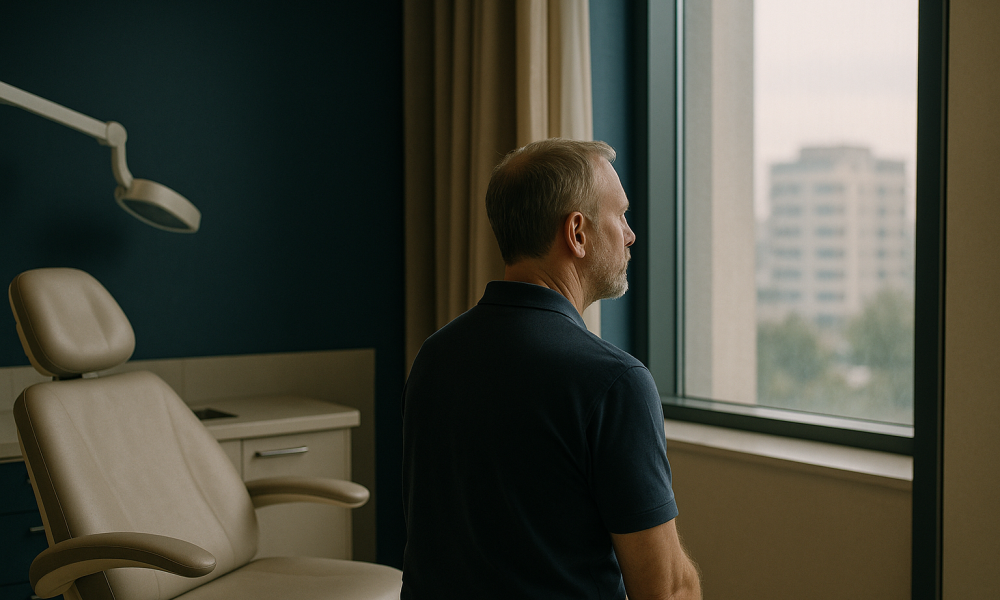
What Jawline Filler is and who it is for
Jawline filler is a non-surgical cosmetic procedure designed to enhance and define the jawline. It involves the injection of dermal fillers, typically composed of hyaluronic acid, into targeted areas along the jawline. This treatment is popular among individuals seeking a more contoured and youthful appearance without the need for invasive surgery. The procedure is relatively quick, often completed within 30 to 60 minutes, and involves minimal downtime.
The primary goal of jawline filler is to create a sharper, more defined jawline that complements the natural contours of the face. This can be particularly beneficial for those who feel that their jawline lacks definition or has become less pronounced due to ageing. Additionally, jawline filler can address asymmetry, balance facial proportions, and even reduce the appearance of jowls.
In Turkey, jawline filler procedures are performed by qualified and experienced practitioners who are adept at tailoring treatments to suit individual needs. The country has gained a reputation for offering high-quality medical care at competitive prices, making it an attractive destination for medical tourism. Patients can expect to pay an indicative cost ranging from £200 to £600, depending on the amount of filler used and the specific requirements of the treatment.
Jawline filler is suitable for a wide range of individuals, including both men and women, who are looking to enhance their facial aesthetics. However, it is essential to have realistic expectations and understand that results can vary based on factors such as skin type, age, and the natural structure of the jawline. While the results are immediate, they are not permanent, and maintenance treatments are usually required every 12 to 18 months to sustain the desired look.
Are you a good candidate?
Determining whether you are a good candidate for jawline filler involves considering several factors related to your health, aesthetic goals, and expectations. It is crucial to consult with a qualified practitioner who can assess your suitability for the procedure based on a comprehensive evaluation.
Here are some criteria that can help determine if jawline filler is right for you:
- Age: You should be over 18 years old. Most candidates are between 25 and 55 years old, as this is when age-related changes in facial structure often become more noticeable.
- Health: You should be in good overall health with no significant medical conditions that could interfere with the healing process. It’s important to disclose any allergies or past reactions to dermal fillers.
- Realistic expectations: Candidates should have a clear understanding of what jawline filler can achieve, recognising that it enhances but does not completely transform facial features.
- Skin condition: Healthy skin that is free from active infections, inflammation, or lesions at the injection site is necessary.
- Aesthetic goals: You should have specific goals in mind, such as enhancing jawline definition or correcting asymmetry, which can be realistically achieved with fillers.
- Non-smoker: While not mandatory, non-smokers tend to have better outcomes due to improved circulation and healing capabilities.
It is also beneficial to discuss any prior cosmetic procedures or current skincare routines with your practitioner, as these can influence the treatment plan. A detailed consultation will provide the opportunity to explore these factors and develop a personalised approach to achieving your desired results.
The procedure, step by step
Undergoing a jawline filler procedure in Turkey is a structured process designed to ensure patient safety and satisfaction. Here is a detailed step-by-step guide to the procedure:
- Consultation: The initial step involves a thorough consultation with a certified dermatologist or aesthetic surgeon. During this session, the practitioner evaluates the patient’s facial structure and discusses aesthetic goals. This is the time to raise any questions about the procedure, including potential risks and outcomes.
- Preparation: Before the procedure, the medical professional will cleanse the face to remove any makeup or impurities. A topical anaesthetic cream is typically applied to the jawline area to minimise discomfort during the injection process. This numbing process can take 20-30 minutes.
- Marking: The practitioner will mark the key injection points along the jawline. These markings guide the precise placement of the filler to achieve the desired contour and balance.
- Filler Injection: Using a very fine needle or cannula, the practitioner injects the dermal filler into the marked areas. The most commonly used fillers are hyaluronic acid-based, known for their safety and compatibility with the body. The injection process can take approximately 15-30 minutes, depending on the complexity of the enhancement required.
- Shaping and Assessment: After the filler is injected, the practitioner may gently massage the area to ensure even distribution and natural contouring. The patient is then asked to assess the immediate results. Adjustments can be made if necessary.
- Post-Procedure Instructions: Once the procedure is complete, the practitioner provides specific aftercare instructions. These typically include advice on avoiding certain activities, such as excessive facial movements and exposure to heat, for the first 24-48 hours.
- Follow-Up Appointment: A follow-up appointment is usually scheduled within two weeks to monitor the results and address any concerns. This appointment is crucial for ensuring patient satisfaction and the longevity of the results.
It is important to note that individual experiences may vary, and a reputable clinic will tailor the procedure to each patient’s unique needs.
Recovery timeline
Recovering from a jawline filler procedure is generally straightforward, with most patients experiencing minimal downtime. Below is a detailed recovery timeline, outlining what to expect and how to care for the treated area.
| Period | What to expect | Care notes |
|---|---|---|
| Day 1 | Initial swelling and redness at the injection sites. Some patients may experience mild discomfort or tenderness. | Avoid touching or massaging the treated area. Apply a cold compress to reduce swelling and take over-the-counter pain relief if necessary. |
| Days 2-3 | Swelling begins to subside. Bruising may become more apparent but is typically minor. | Continue to avoid strenuous activities and excessive heat exposure. Keep the head elevated when resting to help reduce swelling. |
| Days 4-7 | Most swelling and bruising should diminish significantly. The initial results of the filler become more visible. | Moisturise the skin as recommended by your practitioner. You may resume light activities but continue to avoid direct sun exposure. |
| Week 2 | The filler has settled, and the final results are emerging. Any residual swelling or bruising is typically resolved. | Attend the follow-up appointment for assessment and to discuss any concerns with your practitioner. |
| Week 3-4 | Full recovery is achieved, and the final aesthetic results are apparent. The jawline appears more defined and balanced. | Maintain a regular skincare regimen and protect the skin from UV rays to prolong the results. |
It’s important to adhere to the aftercare instructions provided by your practitioner to ensure optimal results and minimise potential side effects. Recovery times can vary depending on individual healing rates and the type of filler used.
What it costs: Turkey vs Europe
When considering jawline filler treatments, cost is a significant factor for many prospective patients. Turkey has emerged as a popular destination largely due to its competitive pricing compared to many European countries. However, it’s crucial to understand these costs in detail and what they typically include.
The following table provides a comparison of indicative price ranges for jawline fillers in Turkey and various European countries. Please note that these figures are purely indicative and can vary based on the specific clinic, the expertise of the practitioner, and the type of filler used.
| Location | Indicative Price Range (GBP) | Typical Inclusions |
|---|---|---|
| Turkey | £250 – £500 | Consultation, Procedure, Follow-up |
| United Kingdom | £500 – £1,000 | Consultation, Procedure |
| Germany | £600 – £1,200 | Consultation, Procedure |
| France | £550 – £1,100 | Consultation, Procedure, Follow-up |
| Italy | £500 – £1,000 | Consultation, Procedure |
In Turkey, the cost of jawline filler typically ranges from £250 to £500. This usually includes an initial consultation to discuss your goals and expectations, the procedure itself, and at least one follow-up appointment to ensure satisfactory results. Some clinics may also offer packages that include airport transfers and accommodation, though these would be at the higher end of the price range.
Comparatively, in the United Kingdom, prices for similar treatments range from £500 to £1,000, often excluding follow-up appointments. In Germany and France, the costs are slightly higher, ranging from £600 to £1,200 and £550 to £1,100 respectively, with varying inclusions depending on the clinic. It’s important to factor in these differences when making your decision.
Risks and how accredited providers manage them
As with any medical procedure, jawline filler treatments carry certain risks, and understanding these is crucial for anyone considering treatment. Accredited providers in Turkey are well-equipped to manage these risks, ensuring patient safety and satisfaction.
Common risks associated with jawline fillers include swelling, bruising, and redness at the injection site. These side effects are generally mild and resolve within a few days. However, more serious risks, although rare, can occur. These include infection, allergic reactions, and asymmetry. In very rare cases, vascular complications can occur if the filler is inadvertently injected into a blood vessel, leading to tissue damage.
Accredited clinics in Turkey mitigate these risks through several strategies:
- Qualified Practitioners: Only certified and experienced practitioners perform these procedures. They have in-depth knowledge of facial anatomy and are trained to handle complications effectively.
- High-Quality Products: Clinics use FDA-approved fillers and ensure that all products are sourced from reputable manufacturers, reducing the risk of adverse reactions.
- Comprehensive Consultations: Before the procedure, a thorough consultation is conducted to discuss the patient’s medical history, allergies, and expectations. This helps in planning the treatment effectively and minimizing potential risks.
- Sterile Environment: Maintaining a sterile environment during the procedure is paramount to prevent infections. Accredited clinics adhere to strict hygiene protocols.
- Aftercare Support: Post-procedure, patients are provided with detailed aftercare instructions and are encouraged to attend follow-up appointments to monitor the results and address any concerns promptly.
Patients are advised to choose clinics that are accredited by reputable international healthcare bodies. These accreditations ensure that the clinic adheres to global standards of care and patient safety, providing an additional layer of reassurance.
Ultimately, while risks cannot be entirely eliminated, they can be significantly minimized by choosing a reputable provider and following all pre- and post-procedure instructions diligently. Patients should feel empowered to ask questions and discuss any concerns with their practitioner, ensuring a transparent and informed treatment journey.
How to choose the right provider
Choosing the right provider for your jawline filler treatment in Turkey is a crucial step in ensuring a safe and satisfactory experience. Begin by examining the accreditation of the clinic or hospital. Look for facilities that are accredited by internationally recognised organisations such as the Joint Commission International (JCI) or the International Organization for Standardization (ISO). These accreditations indicate adherence to global healthcare standards.
Next, assess the experience of the surgeon or practitioner. A qualified provider should have a proven track record in facial aesthetics, particularly in administering dermal fillers. Inquire about their educational background, years of practice, and specific experience with jawline fillers. Look for practitioners who are board-certified in dermatology or plastic surgery and who have participated in continuing education courses related to the latest techniques in aesthetic treatments.
Aftercare is another critical aspect to consider. Ensure that the provider offers comprehensive aftercare services, including follow-up consultations to monitor the results of the treatment and address any potential complications. A professional clinic will provide detailed post-procedure instructions and be available to answer any questions or concerns you may have during the recovery period.
Be vigilant for red flags when choosing a provider. Avoid clinics that make unrealistic promises or guarantees of outcomes, offer treatment at prices significantly lower than the typical range of €250 to €600 per session, or fail to provide clear information about the procedure and potential risks. Additionally, steer clear of practitioners who do not conduct a thorough consultation before treatment, as this is essential to understanding your medical history and aesthetic goals.
Lastly, consider seeking testimonials and reviews from previous patients. Genuine feedback can provide insights into the quality of care and patient satisfaction. However, be cautious of overly positive reviews that lack detail or seem fabricated. By carefully evaluating these factors, you can select a provider that aligns with your expectations and ensures a safe and effective treatment experience.
Planning your trip
When planning your trip for a jawline filler treatment in Turkey, it is essential to consider several factors to ensure a smooth and stress-free experience. Start by determining the timeline before travel. Contact the clinic well in advance to schedule your consultation and treatment. Ideally, you should allow at least 4 to 6 weeks from initial contact to your travel date to accommodate any necessary pre-travel arrangements and consultations.
Ensure that you have all the required documents ready, such as your passport and any visas needed for entry into Turkey. Additionally, confirm whether the clinic requires you to bring any medical records or documentation of previous treatments. It’s advisable to have a comprehensive travel insurance policy that covers medical procedures abroad.
The length of stay in Turkey will depend on the specifics of your treatment plan and recovery needs. Generally, patients undergoing jawline filler treatments may need to stay for 2 to 3 days post-procedure to allow for initial recovery and any necessary follow-up consultations. This timeframe provides an opportunity for the practitioner to assess the immediate results and address any concerns.
Consider your accommodation options carefully. Some clinics offer packages that include lodging, which can simplify logistics. If you choose to arrange your own accommodation, select a location that is convenient to the clinic and offers a comfortable environment for recovery.
Plan for follow-up care once you return home. Discuss with your provider what kind of aftercare will be required and how they can support you remotely. It’s vital to have a local healthcare professional who can assist with any issues that may arise after your return. Keep in mind that while initial swelling and bruising typically subside within a week, the final results of filler treatments can take a few weeks to fully settle.
By carefully planning each aspect of your trip, you can ensure a positive and rewarding experience with your jawline filler treatment in Turkey.
Frequently Asked Questions
How much does jawline filler treatment typically cost in Turkey?
The cost of jawline filler treatment in Turkey generally ranges from €250 to €600 per session. This indicative range can vary based on the clinic's location, the practitioner's expertise, and the type of filler used. It's important to consider that multiple sessions may be required for optimal results, and discussing your specific needs during a consultation will provide a more accurate estimate.
Are jawline fillers safe?
Jawline fillers are generally considered safe when administered by a qualified and experienced practitioner. The procedure involves minimal risk when proper techniques are used, and accredited clinics adhere to high standards of hygiene and patient care. However, as with any medical procedure, there are potential risks and side effects, such as swelling, bruising, or allergic reactions. It's crucial to discuss these with your provider during the consultation.
How long do the results of jawline fillers last?
The results of jawline fillers typically last between 12 to 18 months. The longevity of the results depends on factors such as the type of filler used, the area treated, and individual metabolic rates. Regular follow-up treatments can help maintain the desired appearance. Your practitioner can provide guidance on the expected duration based on your specific treatment plan.
What should I expect during the consultation?
During the consultation, the practitioner will assess your facial structure, discuss your aesthetic goals, and review your medical history. They will explain the procedure, potential risks, and expected outcomes. This is an opportunity to ask questions and express any concerns. The practitioner may also provide a treatment plan, including the type of filler to be used and the number of sessions required for optimal results.
How do I prepare for jawline filler treatment?
Preparation for jawline filler treatment includes avoiding blood-thinning medications, alcohol, and certain supplements like vitamin E and fish oil for at least a week prior to the procedure. These can increase the risk of bruising. It's also advisable to stay hydrated and maintain a healthy diet. Your practitioner may provide additional pre-treatment instructions based on your individual health profile.
Can I combine jawline fillers with other treatments?
Yes, jawline fillers can often be combined with other aesthetic treatments such as Botox or other dermal fillers to enhance overall facial harmony. However, it's essential to discuss this with your practitioner, as combining treatments may affect the recovery process and outcomes. A comprehensive treatment plan tailored to your specific needs and goals will ensure the best results.
What is the recovery process like?
Recovery from jawline filler treatment is typically quick, with most patients resuming normal activities within 24 to 48 hours. Some swelling, redness, or bruising may occur at the injection sites, but these effects usually subside within a few days. It's important to follow post-procedure care instructions provided by your practitioner to ensure optimal healing and results.
How can I verify a practitioner's qualifications?
To verify a practitioner's qualifications, check for board certification in dermatology or plastic surgery and inquire about their specific experience with dermal fillers. Look for membership in professional organisations, such as the International Society of Aesthetic Plastic Surgery (ISAPS). Reviewing patient testimonials and seeking referrals from trusted sources can also provide assurance of their expertise.
What are the potential side effects of jawline fillers?
Potential side effects of jawline fillers include temporary swelling, bruising, redness, and tenderness at the injection site. In rare cases, patients may experience allergic reactions, infection, or asymmetry. It's crucial to have the procedure performed by a qualified practitioner to minimise risks. Discuss any concerns with your provider during the consultation to fully understand the potential side effects.
Will I need follow-up appointments after the treatment?
Yes, follow-up appointments are generally recommended after jawline filler treatment to monitor the results and address any concerns. The practitioner will assess the treatment's effectiveness and make any necessary adjustments. These appointments usually occur within a few weeks post-treatment. Regular follow-ups can also help maintain the desired results over time.
Is there a minimum age requirement for jawline fillers?
Most practitioners recommend that patients be at least 18 years old before undergoing jawline filler treatment. This age requirement ensures that facial growth is complete and that the patient can provide informed consent. However, the suitability of treatment depends on individual circumstances and should be discussed during the initial consultation with the practitioner.
What factors affect the cost of jawline fillers?
Several factors can influence the cost of jawline fillers, including the type and brand of filler used, the expertise of the practitioner, and the geographic location of the clinic. Additional costs may arise from pre-treatment consultations, post-procedure care, and any supplementary treatments combined with the filler. It's important to obtain a detailed cost breakdown during your consultation to understand all potential expenses.