
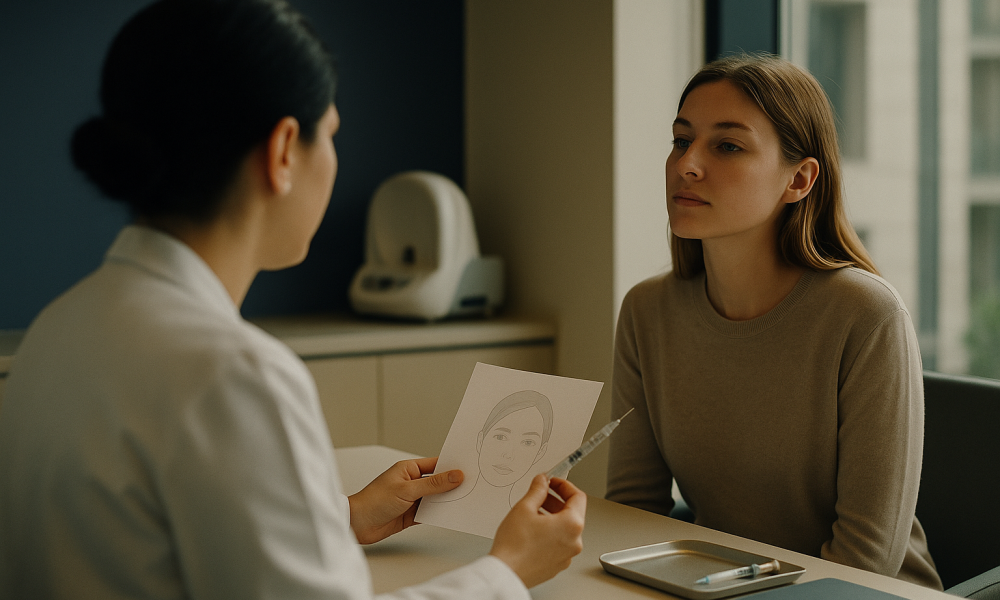
What Skin Boosters is and who it is for
Skin boosters are a non-surgical cosmetic treatment designed to improve skin hydration, firmness, and luminosity. They involve micro-injections of hyaluronic acid, a naturally occurring substance in the body known for its ability to retain moisture and support collagen production. Unlike traditional dermal fillers, which target volume loss and deep wrinkles, skin boosters focus on enhancing the overall quality of the skin. This treatment is particularly popular for areas that need subtle rejuvenation, such as the face, neck, décolletage, and hands.
In Turkey, skin boosters have gained popularity due to the country’s advanced medical infrastructure and the availability of highly skilled practitioners. The procedure is minimally invasive and suitable for a wide range of individuals, making it an attractive option for those looking to enhance their skin’s appearance without undergoing surgery. Patients can expect a fresher, more hydrated complexion with improved elasticity and a reduction in fine lines.
Skin boosters work by injecting small amounts of hyaluronic acid into the dermis, the layer of skin beneath the outer epidermis. This process helps to draw moisture into the skin, promoting a plumper and healthier appearance. Over time, the treatment can stimulate the production of new collagen and elastin, further contributing to a youthful look.
The procedure typically takes between 30 to 60 minutes, depending on the areas being treated. A topical anaesthetic cream is applied beforehand to minimise discomfort during the injections. Most patients experience little to no downtime, with slight redness or swelling resolving within a few days.
Skin boosters are an excellent choice for individuals looking to enhance their skin’s natural radiance and restore a youthful glow. They are particularly beneficial for those with dull, dehydrated skin or those beginning to notice the early signs of ageing. The treatment is not a substitute for more invasive procedures but serves as a complement to other cosmetic interventions, offering a subtle yet noticeable improvement in skin quality.
Are you a good candidate?
Determining whether you are a good candidate for skin boosters involves assessing your skin type, concerns, and expectations. This treatment is generally suitable for adults of all ages who wish to improve their skin’s texture and appearance without significant downtime. However, certain factors may influence your suitability for the procedure.
Consider the following criteria when evaluating your candidacy for skin boosters:
- Skin condition: Ideal candidates typically have mild to moderate skin concerns such as dryness, dullness, or fine lines. Skin boosters can help address these issues by enhancing hydration and promoting a healthy glow.
- Age: While there is no strict age limit, most patients seeking skin boosters are in their 30s to 50s, aiming to combat the early signs of ageing. Younger individuals with specific concerns may also benefit from the treatment.
- Overall health: Good general health is important. Candidates should not have active skin infections or conditions that affect the treatment area, such as eczema or psoriasis.
- Realistic expectations: Understanding the scope and limitations of skin boosters is crucial. The treatment offers subtle improvements rather than dramatic changes. Candidates should be aware that multiple sessions may be required to achieve optimal results.
- Non-smoker: Smoking can impede the healing process and affect the longevity of the results. Non-smokers typically experience better outcomes.
- Commitment to aftercare: Following post-treatment care instructions is essential for achieving the best results. This may include avoiding excessive sun exposure and maintaining a proper skincare routine.
If you meet these criteria and are interested in enhancing your skin’s appearance, skin boosters in Turkey could be a suitable option. It is always advisable to consult with a qualified healthcare provider to discuss your specific needs and expectations, ensuring that you make an informed decision about your treatment options.
The procedure, step by step
Skin booster treatments in Turkey are designed to rejuvenate and hydrate the skin, offering a fresh and youthful appearance. The procedure is minimally invasive and involves the microinjection of hyaluronic acid-based substances into the skin. Here, we provide a detailed step-by-step guide to what you can expect during your skin booster treatment in Turkey.
- Initial Consultation: The process begins with an in-depth consultation with a qualified dermatologist or aesthetician. During this session, your medical history will be reviewed, and your skin will be assessed to determine the most suitable type of skin booster for your needs. This is also an opportunity for you to discuss your expectations and any concerns you may have.
- Preparation: On the day of the procedure, your skin will be thoroughly cleansed to remove any makeup, oils, or impurities. A topical anaesthetic cream is typically applied to the treatment area to minimise discomfort during the injections. This numbing process can take about 20 to 30 minutes.
- Injection Process: Once the skin is numb, the practitioner will proceed with the injections. Using a fine needle, the skin booster is injected into the dermis or just below the surface of the skin. The whole process involves a series of small injections across the treatment area, which may include the face, neck, or hands. The injection process itself usually takes about 20 to 40 minutes, depending on the size of the area being treated.
- Post-Injection Care: After the injections, the practitioner may gently massage the treated areas to ensure even distribution of the product. You might receive a soothing cream to reduce any immediate redness or swelling. It’s crucial to follow any specific aftercare instructions provided by your practitioner to optimise results and minimise side effects.
- Follow-Up: A follow-up appointment is often recommended to assess the results and discuss any additional treatments if necessary. This is typically scheduled a few weeks after the initial procedure. Some patients may require a series of treatments spaced a few weeks apart to achieve optimal results.
The entire procedure, from preparation to completion, usually takes between 60 to 90 minutes. Patients often appreciate the minimal downtime and subtle, natural-looking results that skin boosters provide.
Recovery timeline
Recovery from a skin booster treatment is generally quick and uncomplicated, with most patients experiencing minimal downtime. Below is a detailed recovery timeline to help you understand what to expect after the procedure.
| Period | What to expect | Care notes |
|---|---|---|
| Day 1 | Mild redness and swelling in the treated areas are common immediately after the procedure. Some patients may also experience minor bruising. | Apply a cold compress to the affected areas to reduce swelling. Avoid touching or massaging the treated areas. Refrain from using makeup to allow the skin to breathe. |
| Days 2-3 | Redness and swelling should start to subside. The skin may feel slightly tender or tight. | Continue to avoid strenuous activities and exposure to direct sunlight. Apply a gentle moisturiser as recommended by your practitioner. |
| Days 4-7 | Most visible side effects should have diminished. The skin may start to show signs of improvement, appearing more hydrated and plump. | You can resume wearing makeup if needed. Maintain a good skincare routine with hydrating products. |
| Week 2 | The full effects of the treatment begin to manifest. The skin appears smoother and more radiant. | Schedule a follow-up appointment to assess the results and discuss potential further treatments. |
| Full Recovery (2-4 weeks) | By this time, the skin should have fully settled, displaying optimal results. | Continue with a regular skincare regimen to maintain the benefits of the treatment. Consider periodic maintenance sessions as advised by your practitioner. |
Overall, the recovery process is straightforward, with most patients returning to their normal activities within a day or two. It’s essential to follow aftercare instructions and communicate with your practitioner if any concerns arise during the recovery period.
What it costs: Turkey vs the United Kingdom
When considering skin booster treatments, the cost can be a significant factor, particularly for those contemplating travel abroad. Turkey is renowned for its competitive prices in medical and cosmetic procedures, and skin boosters are no exception. Below, we provide a comparative analysis of indicative cost ranges between Turkey and the United Kingdom, along with details on what is typically included in treatment packages.
| Country | Indicative Price Range (GBP) | Typical Inclusions |
|---|---|---|
| Turkey | £150 – £300 per session |
|
| United Kingdom | £300 – £600 per session |
|
It is important to note that the figures provided are indicative and can vary based on the clinic, practitioner’s experience, and specific treatment requirements. In Turkey, the lower cost is often attributed to the lower cost of living and operational expenses, rather than a compromise on quality. Many clinics in Turkey offer comprehensive packages that include not just the treatment but also logistical support, such as airport transfers and accommodation arrangements, which can add significant value to international patients.
Patients should ensure they understand what is included in the quoted price. Some clinics might offer lower prices initially but charge extra for follow-up appointments or aftercare products. It is advisable to request a detailed breakdown of costs upfront to avoid any unexpected expenses.
In the UK, prices are generally higher due to the higher cost of living and operational expenses. However, patients may perceive the advantage of receiving treatment closer to home, which might offer convenience and ease of access for follow-up care. Regardless of the location, it is crucial to choose accredited providers who can offer a high standard of care and safety.
Risks and how accredited providers manage them
While skin booster treatments are generally considered safe and minimally invasive, understanding the potential risks involved is essential for any prospective patient. Accredited providers in Turkey are committed to managing these risks effectively, ensuring patient safety and satisfaction.
Common risks associated with skin booster treatments include:
- Swelling and Redness: These are common and usually temporary, subsiding within a few days post-treatment.
- Bruising: Minor bruising can occur at the injection sites but typically resolves quickly.
- Infection: Although rare, there is a risk of infection due to needle use. Clinics mitigate this risk by adhering to stringent sterilisation protocols.
- Allergic Reactions: Reactions to the injected substances are uncommon but possible. Accredited providers perform thorough pre-treatment assessments to identify any potential allergies.
- Asymmetry: Uneven results can occur, but skilled practitioners take measures to ensure even distribution of the product.
Accredited clinics in Turkey manage these risks through several strategies:
- Qualified Practitioners: Only certified and experienced practitioners administer treatments, ensuring high standards of care.
- Comprehensive Consultations: Initial consultations are thorough, allowing practitioners to understand medical histories, discuss patient expectations, and assess suitability for the procedure.
- Stringent Hygiene Standards: Clinics adhere to international hygiene and sterilisation standards, significantly reducing the risk of infection.
- Post-Treatment Support: Clinics provide detailed aftercare instructions and offer follow-up appointments to monitor recovery and address any concerns promptly.
- Use of Approved Products: Only products that are approved by relevant health authorities are used, ensuring safety and efficacy.
Patients are encouraged to choose clinics that are accredited by recognised international or national health bodies. Accreditation signifies that the clinic adheres to high standards of care, safety, and professional conduct. Patients should also feel comfortable discussing any concerns with their provider and ensure that all their questions are answered satisfactorily before proceeding with treatment.
Ultimately, managing risks effectively ensures that patients can achieve the desired outcomes of skin booster treatments while maintaining their health and well-being.
How to choose the right provider
Choosing the right provider for skin boosters in Turkey is crucial to ensure a safe and satisfactory experience. Begin by verifying the clinic’s accreditation. Look for international accreditations like the Joint Commission International (JCI) or the European Foundation for Quality Management (EFQM) which indicate high standards of care. Additionally, local certifications from the Turkish Ministry of Health can further assure you of the clinic’s compliance with national regulations.
Surgeon Experience: The experience of the practitioner administering skin boosters is a key factor. Ideally, the provider should be a board-certified dermatologist or plastic surgeon with specific training in aesthetic procedures. Ask about their years of experience, the number of skin booster treatments performed annually, and any additional training or workshops attended. Inquire about before-and-after photos of previous patients to evaluate their expertise.
Aftercare: Effective aftercare is essential for optimal results and recovery. Ensure that the clinic offers comprehensive aftercare support, including follow-up consultations and access to medical professionals for any concerns post-treatment. Check if they provide written aftercare instructions and have a protocol for handling complications or side effects.
Red Flags: Be wary of clinics that offer unusually low prices or guarantee specific results, as these can be misleading. A reputable clinic should provide a realistic overview of potential outcomes and risks. Avoid providers who pressure you into making quick decisions, as this is a sign of prioritising sales over patient welfare. Additionally, a lack of transparency regarding practitioner qualifications or clinic accreditation is a significant red flag.
- Patient Reviews: Online reviews can offer insights into the experiences of past patients. Look for consistent themes in feedback, both positive and negative, and consider contacting former patients if possible.
- Consultation: An in-depth initial consultation is crucial. This should involve a thorough medical history review, discussion of your aesthetic goals, and exploration of suitable treatment options. The practitioner should explain the procedure, risks, and expected outcomes clearly.
In summary, selecting the right provider involves a thorough evaluation of their accreditation, practitioner experience, aftercare provisions, and patient feedback. Taking the time to research and verify these aspects can significantly enhance your treatment experience in Turkey.
Planning your trip
Planning your trip for skin booster treatment in Turkey involves several important steps to ensure a smooth and stress-free experience. Begin by setting a realistic timeline. Ideally, you should start planning at least 2-3 months in advance to allow ample time for research, consultations, and travel arrangements.
Timeline Before Travel: Once you’ve chosen a provider, schedule a virtual consultation to discuss your treatment plan. This should occur 4-6 weeks before your intended travel date. During this period, finalise your travel itinerary, including flights and accommodation. Consider arriving at least a day or two before the procedure to acclimatise and attend any pre-treatment consultations.
Documents: Ensure your passport is valid for at least six months beyond your planned return date. Check if you need a visa to enter Turkey; UK citizens can often obtain an e-visa online. Bring all medical records pertinent to your treatment, including any allergies or previous aesthetic procedures. Keep copies of your treatment plan and any agreements with the clinic.
Length of Stay: The typical stay for a skin booster treatment is around 3-5 days. This includes a day for arrival and rest, the day of the procedure, and a few days for initial recovery and follow-up consultations. However, this can vary depending on individual recovery rates and personal preferences.
Follow-Up at Home: Before leaving Turkey, ensure you receive detailed aftercare instructions and a timeline for recovery. Discuss any concerns about potential side effects or complications with your practitioner. Arrange a follow-up consultation with a dermatologist in the UK to monitor your progress post-treatment. This is crucial for addressing any long-term concerns and ensuring the best possible outcome.
- Travel Insurance: Purchase comprehensive travel insurance that covers medical tourism. This should include coverage for cancellations, medical emergencies, and any unforeseen complications related to your treatment.
- Local Transport: Consider the logistics of getting to and from the clinic. Many clinics offer transport services for international patients, but confirm this in advance.
In conclusion, careful planning of your trip for skin booster treatment in Turkey involves preparing a detailed timeline, ensuring all necessary documents are in place, and arranging for both immediate and long-term aftercare. This preparation helps in achieving a successful treatment experience.
Frequently Asked Questions
What are the typical costs for skin boosters in Turkey?
The cost of skin booster treatments in Turkey generally ranges from £150 to £350 per session. Prices vary based on the clinic's location, the practitioner's expertise, and the specific type of skin booster used. It's essential to confirm what is included in the price, such as consultation fees or follow-up care, to avoid unexpected costs.
How can I verify a clinic's accreditation in Turkey?
You can verify a clinic's accreditation by checking for certifications from international bodies like the Joint Commission International (JCI) or the European Foundation for Quality Management (EFQM). Additionally, the Turkish Ministry of Health provides local accreditation. Request to see these certifications during your initial consultation or visit the clinic's website for more information.
What makes a practitioner qualified to administer skin boosters?
A qualified practitioner should be a board-certified dermatologist or plastic surgeon with specialised training in aesthetic treatments. They should have significant experience in administering skin boosters and be able to provide before-and-after photos of previous patients. It's advisable to ask about their training and the number of procedures they perform annually.
What should I expect during the recovery period after skin boosters?
The recovery period for skin boosters is typically minimal. Patients may experience slight redness, swelling, or bruising at the injection sites, which usually subsides within a few days. Most individuals can resume their normal activities immediately after the procedure. However, it's important to follow any specific aftercare instructions provided by your practitioner.
Are there any risks associated with skin booster treatments?
Like any medical procedure, skin booster treatments carry some risks, though they are generally low. Potential side effects include temporary redness, swelling, or bruising at the injection site. In rare cases, allergic reactions or infections may occur. Choosing a qualified practitioner significantly reduces these risks.
How long do the results of skin boosters last?
The longevity of skin booster results varies, typically lasting between 6 to 12 months. Factors influencing this include the type of product used, the individual's skin type, and lifestyle factors such as sun exposure and smoking. Regular maintenance sessions can help prolong results.
Is aftercare included in the treatment cost?
Many clinics include basic aftercare in the treatment cost, such as follow-up consultations and access to medical advice if needed. However, it's important to clarify this with your provider beforehand to ensure there are no additional costs for aftercare services.
How soon can I fly home after the procedure?
Most patients can fly home within a few days after the procedure, as skin boosters typically require minimal downtime. However, it's advisable to stay in Turkey for at least 3 to 5 days post-treatment to attend follow-up consultations and ensure no immediate complications arise.
Can I combine skin boosters with other treatments?
Yes, skin boosters can often be combined with other aesthetic treatments like Botox or dermal fillers, depending on individual goals and the practitioner's recommendations. Discuss any combination treatments during your initial consultation to ensure safety and optimal results.
What should I pack for my trip to Turkey for treatment?
Pack comfortable clothing, your passport, medical records, and any medications you regularly take. Include travel insurance documents, a copy of your treatment plan, and any pre-arranged agreements with the clinic. A universal power adapter and local currency or a credit card for expenses are also advisable.
How do I arrange follow-up care once I'm back home?
Before leaving Turkey, discuss your follow-up care plan with your practitioner. Arrange for a consultation with a local dermatologist in the UK to monitor your recovery. This ensures any long-term concerns are addressed promptly and helps maintain the treatment's efficacy.
What is the safety protocol for skin booster treatments in Turkey?
Safety protocols include using sterile equipment, following strict hygiene measures, and ensuring practitioners are properly trained and accredited. Reputable clinics adhere to international safety standards and provide comprehensive aftercare instructions to minimise risks and ensure a successful treatment outcome.