
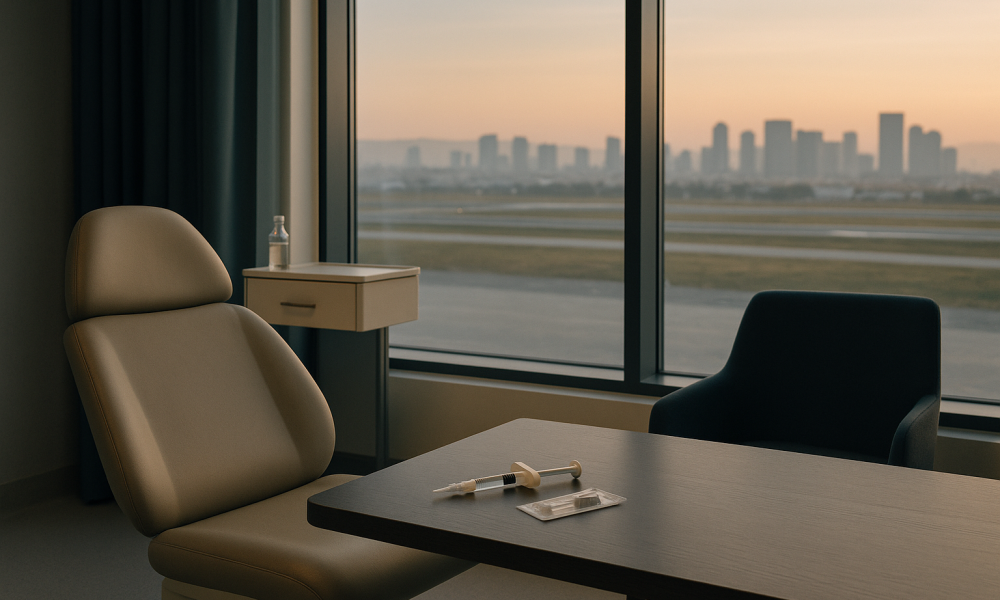
What Skin Boosters is and who it is for
Skin boosters are a minimally invasive cosmetic treatment designed to enhance skin hydration, elasticity, and overall appearance. Unlike traditional dermal fillers, which add volume or structure to specific areas, skin boosters are injected just beneath the surface of the skin to improve its overall quality. This treatment is particularly effective for areas that tend to show signs of ageing, such as the face, neck, décolletage, and hands.
The primary component of skin boosters is hyaluronic acid, a naturally occurring substance in the body known for its ability to retain moisture. This makes it an excellent choice for those looking to achieve a more hydrated and youthful complexion. The treatment involves a series of micro-injections that deliver hyaluronic acid directly into the skin, where it attracts water and provides long-lasting hydration from within.
Skin boosters are suitable for adults of all ages who are seeking to improve their skin’s texture and appearance without undergoing more invasive procedures. They are particularly beneficial for individuals with dull, tired-looking skin, fine lines, or those who have experienced a loss of skin elasticity over time. The treatment can be customised to address specific skin concerns, making it a versatile option for a wide range of patients.
One of the key advantages of skin boosters is their ability to provide immediate, natural-looking results. Patients typically notice an improvement in skin texture and radiance shortly after the procedure, with full results becoming more apparent over the following weeks as the skin continues to absorb water and plump up. As a non-surgical treatment, skin boosters require minimal downtime, allowing patients to resume their normal activities almost immediately.
In Turkey, skin boosters have become increasingly popular due to the combination of skilled practitioners and attractive pricing. Patients can typically expect to pay between €200 and €500 per session, although costs may vary based on the specific product used and the number of sessions required to achieve the desired results. Many patients find that a series of two to three sessions, spaced a few weeks apart, provides optimal results, with maintenance treatments recommended every six to twelve months to sustain the effects.
Are you a good candidate?
Determining whether you are a suitable candidate for skin boosters involves considering several factors related to your skin type, health status, and cosmetic goals. Skin boosters are generally suitable for adults who wish to improve their skin’s appearance without undergoing invasive surgery. However, there are specific criteria that can help ensure the treatment is right for you.
- Age: While skin boosters can benefit adults of any age, they are particularly popular among those in their 30s and older, who begin to notice signs of ageing such as fine lines and reduced skin elasticity.
- Skin Concerns: Ideal candidates include those with dull, dehydrated skin, fine lines, or skin that has lost its youthful elasticity. If you have specific areas of concern, such as the face, neck, or hands, skin boosters can be tailored to address these needs.
- General Health: Candidates should be in good overall health. It is important to disclose any medical conditions or medications to your practitioner to avoid potential complications.
- Expectations: It is crucial for candidates to have realistic expectations about the outcomes. While skin boosters can significantly enhance skin appearance, they do not produce the dramatic changes associated with surgical procedures.
- Non-Smokers: Smoking can impede healing and affect the results of cosmetic treatments. Non-smokers generally experience better outcomes with skin boosters.
- Commitment to Maintenance: Achieving and maintaining the best results may require multiple sessions and periodic maintenance treatments. Candidates should be prepared for this commitment.
Before undergoing treatment, a consultation with a qualified practitioner in Turkey is essential. This consultation will involve an assessment of your skin and a discussion of your aesthetic goals. The practitioner will evaluate your suitability for the treatment and provide recommendations tailored to your specific needs. By ensuring you meet the criteria for skin boosters, you can maximise the likelihood of achieving the desired results and enjoy a rejuvenated, radiant complexion.
3. The procedure, step by step
Undergoing a skin booster treatment in Turkey is a meticulously planned process designed to enhance your skin’s hydration, elasticity, and overall appearance. Here’s a detailed step-by-step guide of what you can expect:
- Consultation: The journey begins with a thorough consultation with a dermatologist or aesthetic specialist. During this session, your skin type, concerns, and medical history will be assessed to determine the most suitable skin booster formulation. This is also the time to discuss your expectations and any potential risks or side effects.
- Preparation: On the day of the procedure, you’ll be asked to arrive with a clean face, free from makeup or skincare products. In some cases, a topical anaesthetic cream may be applied to minimise discomfort during the treatment. This numbing process usually takes about 20 to 30 minutes.
- Injection Process: The skin booster, which typically contains hyaluronic acid, is injected into the dermis using a fine needle or cannula. The injections are strategically placed to target areas requiring hydration and rejuvenation. The entire injection process can take approximately 30 to 60 minutes, depending on the treatment area.
- Post-Treatment Care: After the injections, you might notice slight redness, swelling, or bruising at the injection sites. These are normal reactions and usually subside within a few days. Your practitioner will provide specific aftercare instructions, which may include avoiding excessive sun exposure and refraining from strenuous exercise for a short period.
- Follow-Up: A follow-up appointment is often scheduled a few weeks post-treatment to assess the results and determine if any additional sessions are needed. Skin boosters may require multiple sessions spaced weeks apart to achieve optimal results.
Each of these steps is crucial for ensuring a safe and effective treatment, tailored to your individual needs. The professionalism and expertise of Turkish clinics ensure that you are in capable hands throughout the process.
4. Recovery timeline
The recovery period following a skin booster treatment in Turkey is generally straightforward, with minimal downtime. Here’s a detailed timeline to guide you through the recovery process:
| Period | What to expect | Care notes |
|---|---|---|
| Day 1 | Some redness, swelling, and minor bruising at the injection sites are common. You may also experience slight tenderness. | Avoid touching or massaging the treated areas. Apply cold compresses to reduce swelling if necessary. |
| Days 2-3 | Redness and swelling should begin to subside. Bruising may still be visible but is diminishing. | Continue to avoid vigorous activities. Use gentle skincare products and ensure proper hydration. |
| Days 4-7 | Most visible signs of treatment should be fading. Skin may start to feel smoother and more hydrated. | Resume normal skincare routine but avoid exfoliants and direct sunlight. Apply sunscreen regularly. |
| Week 2 | Results become more apparent as skin texture and tone improve. Any residual bruising should be minimal. | Maintain a healthy skincare regimen and consider scheduling your follow-up appointment. |
| Full recovery (4 weeks) | Optimal results are visible, with enhanced skin elasticity and hydration. All initial side effects should have resolved. | Continue with regular skincare and protect skin from UV exposure to maintain results. |
The recovery from skin boosters is typically uncomplicated, with most individuals returning to their daily activities immediately. Following the care notes provided by your clinic can help ensure the best outcomes from your treatment.
What it costs: Turkey vs Europe
When considering skin booster treatments, cost is a significant factor for many international patients. Turkey has emerged as a popular destination for such treatments, offering competitive prices without compromising on quality. However, it’s important to understand the indicative cost range and what is typically included in a treatment package.
The price of skin booster treatments in Turkey generally falls within the range of €150 to €400 per session. In comparison, the same treatments in various European countries can range from €300 to €800 per session. These figures are indicative and can vary based on the clinic’s location, the practitioner’s expertise, and the specific products used.
Packages offered by Turkish clinics often include additional services that might incur extra costs in Europe. For example, a typical skin booster package in Turkey might include:
- Initial consultation and skin assessment
- The skin booster treatment itself
- Post-treatment care and follow-up consultations
- Transfers between airport, hotel, and clinic
- Assistance with accommodation arrangements
In contrast, European clinics might charge separately for consultations, follow-up visits, and additional support services.
| Country | Indicative Price Range per Session | Typical Package Inclusions |
|---|---|---|
| Turkey | €150 – €400 | Consultation, treatment, follow-up, transfers |
| Germany | €350 – €800 | Consultation and treatment only |
| UK | €400 – €750 | Consultation and treatment only |
| France | €300 – €700 | Consultation and treatment only |
It’s crucial to remember that while price is important, it should not be the sole factor in decision-making. The expertise of the practitioner, the quality of the clinic, and the safety protocols they follow are equally vital considerations.
Risks and how accredited providers manage them
While skin booster treatments are generally considered safe, as with any medical procedure, they carry certain risks. Prospective patients need to be aware of these risks and understand how accredited providers in Turkey manage them to ensure a safe and successful treatment experience.
Common risks associated with skin booster treatments include minor side effects such as redness, swelling, bruising, and tenderness at the injection site. These symptoms are typically mild and resolve within a few days. However, more serious but rare complications can occur, such as infection, allergic reactions, or vascular occlusion, which require immediate medical attention.
Accredited providers in Turkey follow rigorous protocols to minimise these risks. Here are some key measures they implement:
- Thorough Patient Evaluation: Before treatment, a comprehensive assessment is conducted to evaluate the patient’s skin condition, medical history, and any potential allergies. This helps in tailoring the treatment to the individual’s needs and reducing the risk of adverse reactions.
- Use of High-Quality Products: Reputable clinics use only certified and high-quality skin booster products that are approved for use in the European Union. These products undergo strict quality control to ensure safety and efficacy.
- Experienced Practitioners: Treatments are performed by highly trained and experienced dermatologists or aesthetic practitioners. Their expertise in facial anatomy and injection techniques is crucial in avoiding complications.
- Hygienic Practices: Clinics maintain high standards of hygiene and sterilisation. All equipment is sterilised, and practitioners use aseptic techniques to prevent infections.
- Emergency Protocols: Accredited providers have protocols in place for managing any adverse reactions. They are equipped to handle emergencies, and staff are trained in first aid and emergency procedures.
- Follow-up Care: Post-treatment follow-up is an integral part of the care process. Patients are monitored for any delayed reactions, and clinics provide guidance on post-treatment care to ensure proper healing.
Patients are encouraged to discuss any concerns with their chosen provider and ensure they are comfortable with the level of care and safety protocols offered. By choosing an accredited provider, patients can significantly reduce the risks associated with skin booster treatments and achieve the desired outcomes safely.
How to choose the right provider
Choosing the right provider for skin boosters in Turkey requires careful consideration of several factors to ensure safety and satisfaction. Accreditation is a primary element to consider. Ensure that the clinic is accredited by reputable international healthcare organizations, such as the Joint Commission International (JCI) or the Turkish Ministry of Health, which helps guarantee adherence to international standards.
Surgeon experience is another critical factor. Look for practitioners with extensive experience in cosmetic dermatology, particularly in administering skin boosters. A practitioner with at least five years of experience and a portfolio of past treatments can provide reassurance of their expertise. Do not hesitate to ask for before-and-after photos of previous patients and testimonials.
Aftercare services are equally important. A comprehensive aftercare plan should include follow-up consultations, emergency contact information, and detailed post-treatment care instructions. This is crucial for monitoring the progress post-procedure and addressing any complications that may arise.
Recognizing red flags is essential in your selection process. Be wary of clinics that offer significantly lower prices than the typical range of €200 to €500 per session, as this may indicate compromised quality. Additionally, avoid providers who make unrealistic guarantees about outcomes or fail to provide clear information about the procedure, risks, and recovery.
Finally, consider the facility’s hygiene standards and the technology used. Opt for clinics that utilize up-to-date equipment and maintain rigorous cleanliness protocols. A preliminary visit, if feasible, can provide insights into the clinic’s environment and professionalism.
Planning your trip
Proper planning is crucial for a successful medical trip to Turkey for skin boosters. Begin your preparations at least two months before your intended travel date. This timeline allows for thorough research, consultations, and logistical arrangements.
Ensure all necessary documents are in order, including your passport, visa (if required), and medical records. It is advisable to have digital and physical copies of these documents. Additionally, obtaining travel insurance that covers medical procedures is highly recommended.
Consider the length of stay required for the treatment and recovery. Typically, you might need to stay in Turkey for 3 to 5 days, allowing time for the initial consultation, the procedure, and a follow-up appointment. This period may vary based on individual health conditions and the provider’s recommendations.
Plan your travel itinerary, including flights and accommodation, well in advance. Opt for lodging close to the clinic to minimize travel stress. Many clinics offer assistance in booking accommodation and airport transfers, which can be a convenient option.
Regarding follow-up at home, discuss with your provider about post-procedure care and any necessary follow-up appointments with a local dermatologist. Ensure you understand the signs of potential complications and have a clear line of communication with your Turkish provider for any concerns post-return.
Additionally, prepare for any downtime needed post-procedure. While most patients can resume normal activities shortly after receiving skin boosters, some may experience mild swelling or redness that requires a day or two of rest.
Frequently Asked Questions
What are skin boosters?
Skin boosters are injectable treatments designed to improve skin hydration, elasticity, and overall appearance. Unlike traditional fillers, they work by enhancing the skin's moisture levels, leading to a more radiant and youthful look. They are often used on the face, neck, and hands.
How long do skin booster effects last?
The effects of skin boosters typically last between 6 to 12 months, depending on the individual's skin condition and lifestyle factors. Maintenance treatments are usually recommended every 6 months to sustain optimal results.
Is the procedure painful?
Most patients experience minimal discomfort during a skin booster treatment. An anaesthetic cream is often applied to the area beforehand to numb the skin, ensuring a more comfortable experience during the injections.
What is the typical cost of skin boosters in Turkey?
The cost of skin booster treatments in Turkey can vary, but you can expect to pay between €200 to €500 per session. This is an indicative range and may differ based on the clinic's location, the practitioner's expertise, and the specific product used.
Are there any side effects?
Common side effects of skin boosters include mild redness, swelling, or bruising at the injection site, which typically resolve within a few days. Serious complications are rare but can include infection or allergic reactions. It's important to follow post-treatment care instructions to minimise risks.
How do I choose the right clinic in Turkey?
When selecting a clinic, consider factors such as accreditation, the practitioner's experience, aftercare services, and patient reviews. Clinics that are accredited by international bodies and have experienced dermatologists with positive testimonials are preferable.
What should I expect during recovery?
Recovery from a skin booster treatment is usually quick, with most patients resuming normal activities immediately. However, it's advisable to avoid strenuous exercise, direct sunlight, and alcohol for at least 24 hours post-treatment to ensure optimal results.
Is it safe to travel to Turkey for skin boosters?
Yes, Turkey is a popular destination for cosmetic procedures, including skin boosters. Ensure you choose an accredited clinic with experienced practitioners and adhere to travel safety guidelines. Consult with your local healthcare provider before traveling.
What documents do I need for my trip?
For your trip to Turkey, you will need a valid passport, and depending on your nationality, possibly a visa. Additionally, bring medical records relevant to your treatment and consider travel insurance that covers medical procedures.
Can I combine skin boosters with other treatments?
Yes, skin boosters can often be combined with other cosmetic treatments like Botox or fillers for enhanced results. However, it's crucial to discuss this with your practitioner to ensure safety and compatibility of combined treatments.
How soon can I fly after the procedure?
It's generally safe to fly soon after a skin booster treatment, but it's advisable to stay in Turkey for at least a day or two for follow-up appointments and to monitor any immediate side effects. Consult your practitioner for personalised advice.
What follow-up care is needed after returning home?
After returning home, it's important to follow any care instructions provided by your Turkish provider. Arrange a follow-up appointment with a local dermatologist to monitor your progress and address any concerns. Maintain open communication with your Turkish clinic for ongoing support.