
What PRP Therapy is and who it is for
Platelet-Rich Plasma (PRP) therapy is an innovative medical treatment that utilises a patient’s own blood to promote healing in various parts of the body. The procedure involves drawing a small amount of blood from the patient, which is then processed in a centrifuge to separate the platelet-rich plasma from other blood components. This concentrated plasma, rich in growth factors, is then injected into the target area to stimulate tissue repair and regeneration.
PRP therapy is widely used across various medical fields, including orthopaedics, dermatology, and aesthetics. In orthopaedics, it is often used to treat joint pain, tendon injuries, and arthritis, providing relief through the promotion of natural healing processes. In dermatology and aesthetics, PRP is popular for its potential to rejuvenate skin, reduce wrinkles, and even promote hair growth in cases of androgenic alopecia.
The appeal of PRP therapy lies in its minimally invasive nature and the use of autologous material, which significantly reduces the risk of allergic reactions or transmission of diseases. Because the treatment uses the patient’s own blood, it is considered a safe option for those looking for natural enhancement or healing methods.
In Turkey, PRP therapy has gained popularity due to the country’s advanced medical infrastructure and the availability of experienced practitioners. Patients from the United States often consider Turkey for PRP treatments due to the combination of high-quality care and cost-effectiveness. The procedure is typically performed in outpatient settings, allowing patients to return to their daily activities relatively quickly.
While PRP therapy is considered safe, it is crucial to consult with a qualified healthcare provider to determine its suitability for your specific condition. As with any medical treatment, the success and outcomes of PRP therapy can vary among individuals based on factors such as the area being treated, the patient’s overall health, and the severity of the condition.
Are you a good candidate?
Determining whether you are a suitable candidate for PRP therapy involves a thorough evaluation of your medical history and current health status. PRP therapy can be beneficial for a wide range of conditions, but it is not universally appropriate for everyone. Here are some criteria that might make you a good candidate for PRP therapy:
- Orthopaedic Issues: If you suffer from chronic joint pain, tendon injuries, or mild to moderate osteoarthritis, PRP therapy might offer relief by promoting healing and reducing inflammation.
- Hair Loss: Individuals experiencing early-stage hair loss or thinning, particularly due to androgenic alopecia, may see improvements with PRP injections aimed at stimulating hair follicles.
- Skin Rejuvenation: Those looking to reduce signs of aging, such as wrinkles and fine lines, or improve skin texture and tone, may benefit from PRP facials or injections.
- Overall Health: Candidates should be in generally good health, with no significant blood disorders or infections, as these could affect the efficacy and safety of the treatment.
- Non-Smokers: Smoking can impair healing and reduce the effectiveness of PRP therapy, making non-smokers better candidates.
- Realistic Expectations: Potential candidates should have realistic expectations about the outcomes of PRP therapy, understanding that results can vary and that multiple sessions may be required.
If you are considering PRP therapy, a consultation with a specialist in Turkey can provide a detailed assessment. The specialist will evaluate your specific condition, medical history, and treatment goals to determine if PRP therapy is a suitable option for you. This personalised approach ensures that the therapy is aligned with your health needs and expectations, maximising the potential benefits of the treatment.
The procedure, step by step
Platelet-Rich Plasma (PRP) therapy is a medical procedure that utilises the body’s own platelets to promote healing and rejuvenation. Below is a detailed step-by-step guide on how PRP therapy is typically conducted in Turkey.
- Initial Consultation: The process begins with an initial consultation with a qualified physician, who will assess your medical history and discuss your specific needs and expectations. This step is crucial for determining whether PRP therapy is suitable for you and involves a thorough examination and discussion of potential risks and benefits.
- Blood Collection: During the procedure, a small amount of blood, typically between 10 to 30 millilitres, is drawn from your arm using a sterile needle. This is similar to a routine blood test and takes only a few minutes.
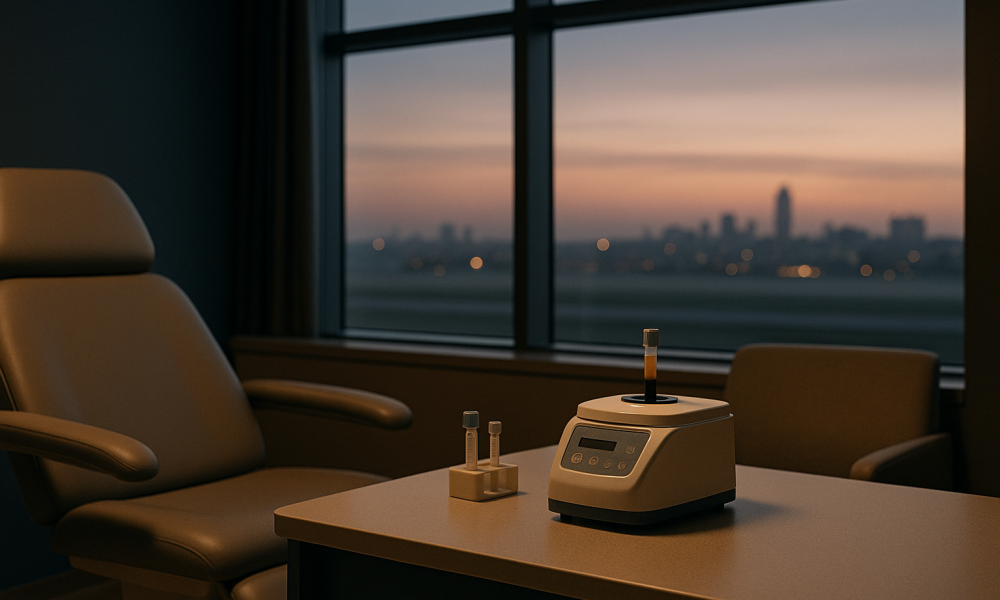
- Centrifugation: The collected blood is then placed into a centrifuge, a machine that spins the blood at high speeds. This process, lasting about 10 to 15 minutes, separates the blood components, concentrating the platelets into a small volume of plasma known as platelet-rich plasma.
- PRP Preparation: Once the centrifugation process is complete, the PRP is carefully extracted. The concentration of platelets is significantly higher than in normal blood. The physician will often mix the PRP with a small amount of calcium chloride or other activating agents to enhance its effectiveness.
- Site Preparation: The area of the body targeted for treatment is cleansed thoroughly to minimise the risk of infection. Depending on the treatment area, a topical anaesthetic may be applied to reduce discomfort during the injection.
- PRP Injection: The prepared PRP is injected into the targeted area using a fine needle. This part of the procedure is relatively quick, usually taking about 30 minutes. The physician may use ultrasound guidance to ensure precise delivery of the PRP to the desired tissue.
- Post-Injection Protocol: After the injection, you may be asked to rest for a short period of time at the clinic. The doctor will provide specific post-treatment instructions, which may include avoiding strenuous activity and applying ice to the treated area to reduce swelling.
PRP therapy is generally a safe procedure with minimal downtime, but the exact steps can vary slightly depending on the clinic and the specific condition being treated. It’s important to follow your physician’s instructions closely to maximise the benefits of the therapy.
Recovery timeline
Recovering from PRP therapy is typically straightforward, but the timeline can vary depending on the individual and the area treated. Below is a general recovery timeline that outlines what you can expect and how best to care for yourself after the procedure.
| Period | What to Expect | Care Notes |
|---|---|---|
| Day 1 | Immediately following the procedure, you may experience mild swelling, redness, and tenderness at the injection site. This is a normal inflammatory response. | Apply ice packs intermittently to the treated area to reduce swelling. Avoid taking anti-inflammatory medications unless advised by your physician, as they may interfere with the healing process. |
| Days 2-3 | Swelling and redness should begin to subside. Some patients report a feeling of tightness or warmth in the treated area. | Continue to avoid strenuous activities and follow any specific instructions provided by your healthcare provider. Maintain hydration and a balanced diet to support healing. |
| Week 1 | Most initial side effects should have resolved. You might notice slight improvements in the condition being treated, though significant results typically take longer. | Light activities may be resumed, but avoid heavy lifting or high-impact exercises. Keep the treated area clean and protected. |
| Weeks 2-4 | Gradual improvement in symptoms is common as the healing process continues. Enhanced joint function or skin texture may become noticeable. | Start incorporating more regular activities as tolerated. Consult your physician before resuming any intensive exercise regimens. |
| Full Recovery (1-3 months) | Maximum benefits of PRP therapy are generally observed within this period, as collagen regeneration or tissue repair reaches its peak. | Regular follow-up appointments may be necessary to assess progress. Continue to follow a healthy lifestyle to maintain the effects of the treatment. |
While many patients experience significant improvements, results can vary. It’s crucial to maintain realistic expectations and keep in close communication with your healthcare provider throughout your recovery.
What it costs: Turkey vs the United States
Platelet-Rich Plasma (PRP) therapy has gained popularity for its potential benefits in various medical fields, including orthopaedics, dermatology, and hair restoration. When considering PRP therapy, cost is a significant factor, especially for patients from the United States looking to undergo treatment abroad. Turkey has become a popular destination for medical tourism, offering competitive prices for PRP therapy without compromising on quality. Below is a comparison of indicative costs for PRP therapy in Turkey and the United States.
| Country | Indicative Price Range (USD) | Typical Inclusions |
|---|---|---|
| Turkey | $300 – $800 per session |
|
| United States | $800 – $2,500 per session |
|
It is crucial to note that these figures are indicative and can vary based on the clinic, the expertise of the healthcare provider, and the specific medical needs of the patient. In Turkey, the lower cost is primarily due to the general lower cost of living and operational expenses rather than a compromise in quality or expertise. Many clinics in Turkey offer packages that include additional services such as airport transfers and accommodation at preferential rates, which can further enhance the value for international patients.
Patients are encouraged to thoroughly research and contact clinics directly to obtain detailed quotes tailored to their individual circumstances. Understanding what is included in the price is essential, as the perceived cost savings can differ significantly based on the range of services provided and the number of sessions required to achieve the desired outcome.
Risks and how accredited providers manage them
While PRP therapy is generally considered safe, as with any medical procedure, it carries certain risks. These risks are generally low but can include infection, injury to nerves or blood vessels, and the possibility of an unsatisfactory result. Accredited providers in Turkey take comprehensive measures to minimise these risks and ensure patient safety.
Accredited clinics in Turkey adhere to strict international standards and guidelines to manage potential risks associated with PRP therapy. The first step is a thorough patient assessment conducted by qualified healthcare professionals. This assessment includes a detailed medical history and a discussion of the patient’s goals and expectations. Such an evaluation helps to identify any contraindications, such as blood disorders or active infections, which might increase the risk of complications.
During the procedure, sterile techniques are rigorously implemented. This includes the use of sterile equipment and materials to prepare and inject the PRP. Clinicians in accredited facilities are trained to perform the procedure with precision, ensuring that injections are administered accurately to minimise the risk of injury to surrounding tissues.
Post-procedure care is another critical component of risk management. Patients are given clear instructions on how to care for the treated area to prevent infection and ensure optimal healing. Follow-up appointments are typically scheduled to monitor the patient’s progress and address any concerns promptly. Accredited providers are equipped to handle any adverse reactions swiftly, with protocols in place to manage complications should they arise.
Furthermore, many clinics in Turkey are certified by international healthcare accreditation bodies, such as Joint Commission International (JCI) or ISO, which ensures adherence to high standards of patient care and safety. These certifications are a testament to the clinic’s commitment to maintaining excellence in healthcare delivery.
Patients are advised to verify the accreditation status of the clinic and the credentials of the healthcare professionals involved in their care. Open communication with the provider about any concerns or questions is encouraged, as this can significantly enhance the overall treatment experience and outcomes.
In summary, while PRP therapy does carry some risks, accredited providers in Turkey implement stringent measures to manage these effectively, prioritising patient safety and satisfaction.
How to choose the right provider
Choosing the right provider for Platelet-Rich Plasma (PRP) therapy in Turkey is crucial to achieving the best possible outcomes. Start by looking at accreditation. Ensure that the clinic is accredited by recognised international bodies such as the Joint Commission International (JCI) or the International Organization for Standardization (ISO). Accreditation signifies that the facility adheres to high standards of care and safety.
Next, evaluate the experience and qualifications of the healthcare professionals. Ideally, the surgeon or specialist should have a background in regenerative medicine or a related field and have performed numerous PRP procedures. It’s wise to request their medical credentials and inquire about their experience specific to PRP therapy. A seasoned specialist is more likely to be well-versed in the nuances of the procedure, thereby reducing risks and enhancing outcomes.
Aftercare is another critical factor. A comprehensive aftercare program should include detailed instructions on post-procedure care, follow-up consultations, and contact information for any questions or complications that may arise. Clinics that offer tailored aftercare plans demonstrate a commitment to patient well-being beyond the procedure itself.
Be vigilant about red flags that might indicate subpar quality or safety. These may include lack of transparency about costs, overly aggressive marketing tactics, or a clinic that promises guaranteed results. Another red flag is the absence of patient testimonials or reviews. Authentic testimonials can provide insights into the experiences of past patients and the clinic’s reputation.
Finally, consider the clinic’s location and the convenience it offers in terms of transportation and accommodation. Some clinics may offer package deals that include airport transfers and hotel stays, which can simplify logistics and reduce stress. However, ensure these packages are not compromising the quality of medical care in favour of convenience.
Planning your trip
Planning your trip to Turkey for PRP therapy involves several logistical steps to ensure a smooth and stress-free experience. Start by consulting your healthcare provider at home to determine the suitability of PRP therapy for your condition. Once you have decided to proceed, aim to schedule your treatment at least 6-8 weeks in advance to allow ample time for preparation.
Documentation is essential. Ensure your passport is valid for at least six months from your date of entry into Turkey. Depending on your nationality, you may need a visa, which can often be obtained online through Turkey’s e-Visa system. Confirm the visa requirements specific to your circumstances well ahead of your departure.
Plan your length of stay based on the treatment and recovery time. Typically, patients opt for a stay of about 7-10 days. This duration allows time for the procedure, initial recovery, and a follow-up consultation. Your healthcare provider in Turkey will advise on the exact length of stay required based on your individual case.
It is crucial to arrange for follow-up care once you return home. Discuss with your Turkish healthcare provider how you can maintain communication for any post-treatment queries and how to handle any potential complications. Establishing a connection between your local doctor and the Turkish provider can facilitate a seamless transition and ensure continuity of care.
Financial planning is also vital. While the indicative cost range for PRP therapy in Turkey is typically between £400 and £800 per session, ensure you have a clear understanding of what is included in the quoted price. Consider additional costs such as travel insurance, accommodation, and daily expenses.
Finally, keep in mind that flexibility in your travel plans can be beneficial. Allow some buffer time in your schedule for unforeseen circumstances such as flight delays or additional medical consultations. With meticulous planning, your medical trip to Turkey can be a smooth and rewarding experience.
Frequently Asked Questions
What is the typical cost of PRP therapy in Turkey?
The cost of PRP therapy in Turkey generally ranges from £400 to £800 per session. This price can vary depending on the clinic's location, the expertise of the medical professional, and any additional services included in the package. It is advisable to confirm what the quoted price covers, such as consultation fees, follow-up care, and any ancillary services, to avoid unexpected expenses.
Is PRP therapy in Turkey safe?
PRP therapy in Turkey is considered safe, especially when performed in accredited facilities by experienced professionals. The procedure utilises the patient’s own blood, minimising the risk of allergic reactions or infections. However, as with any medical procedure, there are potential risks. Choosing a reputable clinic with qualified staff and adhering to post-procedure care instructions can significantly enhance safety and efficacy.
How long should I plan to stay in Turkey for PRP therapy?
A typical stay for PRP therapy in Turkey is around 7-10 days. This timeframe allows for the procedure itself, initial recovery, and a follow-up consultation. Your healthcare provider will advise on the specific duration based on your individual treatment plan. It’s important to consider any additional time needed for travel and unforeseen circumstances when planning your trip.
What should I look for in a PRP therapy provider?
When selecting a PRP therapy provider, consider the clinic's accreditation, the experience of the healthcare professionals, and the comprehensiveness of their aftercare services. It’s also crucial to verify the clinic’s reputation through patient testimonials and reviews. Avoid clinics that promise guaranteed results or use aggressive marketing tactics, as these may indicate lower quality care.
Do I need a visa to travel to Turkey for PRP therapy?
Whether you need a visa to travel to Turkey depends on your nationality. Many visitors can obtain an e-Visa easily online. It’s important to check the specific visa requirements well in advance of your trip to ensure a smooth entry into the country. Make sure your passport is also valid for at least six months from your date of entry.
How can I verify a clinic's accreditation in Turkey?
To verify a clinic’s accreditation, look for certifications from recognised international bodies such as the Joint Commission International (JCI) or the International Organization for Standardization (ISO). These accreditations indicate that the facility meets high standards of care and safety. You can often find this information on the clinic’s website or by directly contacting the clinic for verification.
What documents do I need to prepare before travelling?
Before travelling to Turkey for PRP therapy, ensure you have a valid passport with at least six months of validity remaining. Check if you require a visa and apply for it in advance. It’s also advisable to have copies of your medical records, any relevant prescriptions, and confirmation of your treatment appointment. Travel insurance documents are also essential for unforeseen circumstances.
How can I ensure quality aftercare following PRP therapy?
Ensure quality aftercare by selecting a clinic that offers comprehensive post-procedure support. This should include detailed care instructions, scheduled follow-up consultations, and a reliable communication channel for any questions or complications. Establishing a connection between your Turkish provider and your local healthcare professional can also facilitate effective ongoing care once you return home.
Will my health insurance cover PRP therapy abroad?
Health insurance coverage for PRP therapy abroad varies significantly depending on your policy and provider. Many standard health insurance policies do not cover elective procedures performed internationally. It’s essential to contact your insurance provider to understand your coverage and consider purchasing additional travel insurance to cover medical expenses and emergencies while abroad.
What are the potential risks of PRP therapy?
Although PRP therapy is generally safe, potential risks include infection, pain at the injection site, and temporary worsening of symptoms. These risks are minimised when the procedure is performed by experienced professionals in an accredited facility. Discussing your medical history and any concerns with your provider can help tailor the treatment to your needs and reduce risks.
Can I combine my PRP therapy with a holiday in Turkey?
Combining PRP therapy with a holiday in Turkey is feasible, but it requires careful planning. Ensure you allocate enough time for recovery and follow-up consultations. While Turkey offers many tourist attractions, consider your physical condition post-procedure and avoid activities that may interfere with recovery. Always consult with your healthcare provider regarding your travel plans.
What should I do if I experience complications after returning home?
If you experience complications after returning home, contact your Turkish healthcare provider immediately for guidance. They can offer advice or coordinate with your local doctor to address the issue. Having a pre-established line of communication between your local healthcare provider and the Turkish clinic can facilitate prompt and effective management of any complications.