
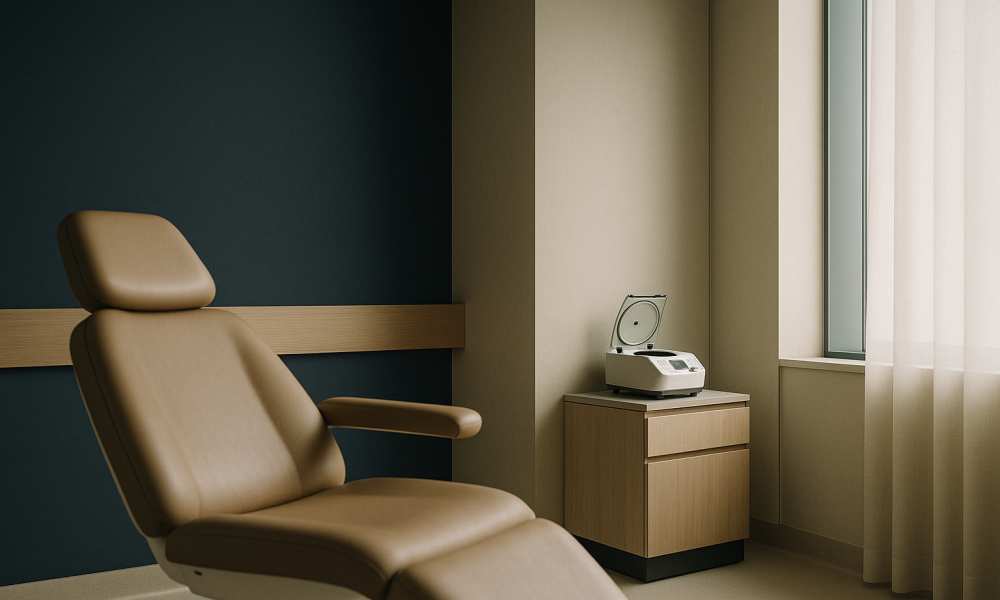
What PRP Therapy is and who it is for
Platelet-Rich Plasma (PRP) Therapy is a regenerative treatment that has gained international attention for its potential to harness the body’s natural healing processes. PRP Therapy involves extracting a small amount of the patient’s blood, processing it to concentrate the platelets, and then re-injecting this concentrated plasma into the targeted area. The concentrated platelets release growth factors that may stimulate tissue repair and regeneration, making it a versatile option for various medical and aesthetic applications.
Originally popularised in sports medicine for its potential to expedite recovery from injuries, PRP Therapy is now widely used in dermatology, orthopaedics, and even dentistry. It is particularly noted for its application in hair restoration, where it may help to stimulate hair growth and improve hair density. Additionally, PRP is employed in facial rejuvenation treatments, aiming to enhance skin texture and elasticity.
Individuals considering PRP Therapy are often drawn to its minimally invasive nature and the fact that it uses the patient’s own biological material, minimising the risk of allergic reactions or rejection. However, it is important to note that PRP Therapy is not suitable for every condition or individual, and its efficacy can vary based on the area treated and the specific health profile of the patient.
In Turkey, PRP Therapy is offered at numerous medical facilities, leveraging the country’s well-regarded medical infrastructure and skilled healthcare professionals. The typical cost for PRP Therapy in Turkey ranges from £200 to £600 per session, making it a financially attractive option for international patients, including those from Australia. This price range is indicative and can vary depending on the clinic and the specific treatment plan tailored to the patient’s needs.
Are you a good candidate?
Determining whether you are a suitable candidate for PRP Therapy involves a thorough evaluation of your medical history, current health status, and specific treatment goals. While PRP Therapy is generally considered safe, it is not universally applicable to all patients or conditions. Here are some criteria to consider:
- Good overall health: Candidates should be in good general health, as underlying health conditions could affect the treatment’s effectiveness or pose additional risks.
- Specific needs: Ideal candidates have specific concerns that PRP Therapy can address, such as hair thinning, joint pain, or skin rejuvenation.
- Realistic expectations: Understanding that PRP Therapy is not a miracle cure and results can vary is crucial. Patients should have realistic expectations about the outcomes and the time frame in which results may become visible.
- Non-smoker: Smoking can impair the healing process and may reduce the effectiveness of the treatment.
- No active infections: Patients should not have any active infections in the area to be treated, as this could complicate the procedure.
- Not currently pregnant: Pregnant women are typically advised to postpone elective procedures like PRP Therapy until after childbirth.
- No blood disorders: Conditions affecting platelets or blood clotting, such as thrombocytopenia or certain types of anaemia, may disqualify a patient from receiving PRP Therapy.
Before proceeding with PRP Therapy, it is essential to consult with a qualified healthcare provider who can assess your individual circumstances and determine the appropriateness of the treatment for your specific condition. This consultation often includes a detailed medical history review, a discussion of your treatment goals, and potentially some preliminary tests to ensure that PRP Therapy is a safe and suitable option for you.
The procedure, step by step
Platelet-Rich Plasma (PRP) therapy is a minimally invasive procedure that involves several carefully orchestrated steps to ensure the best possible outcome. Understanding each stage can help alleviate concerns and prepare you for what to expect during your treatment in Turkey.
- Initial Consultation: Before the procedure, you will have a detailed consultation with a specialist. This meeting is crucial to discuss your medical history, current health status, and specific concerns or goals for the therapy. The doctor will explain the procedure, potential benefits, and any risks involved, ensuring you have a comprehensive understanding.
- Blood Collection: On the day of the procedure, a small amount of blood, typically between 15 to 50 millilitres, will be drawn from your arm. This process is similar to a standard blood test and is usually completed in just a few minutes.
- PRP Preparation: The collected blood is then placed in a centrifuge, a machine that spins at high speeds to separate the blood components. This process takes about 10 to 15 minutes and results in the separation of platelet-rich plasma from other blood components.
- PRP Activation: Once separated, the platelet-rich plasma is activated using calcium chloride or similar agents. This activation enhances the growth factor release, which is essential for the healing and regeneration process.
- Site Preparation: The area to be treated is cleaned and prepared. Depending on the specific treatment area, a topical anaesthetic may be applied to minimise discomfort during the injection process.
- PRP Injection: The activated PRP is then injected into the target area using a fine needle. The number of injections and the specific technique used can vary depending on the treatment area and the patient’s needs. The injection process typically takes 30 to 60 minutes.
- Post-Procedure Care: After the injections, the area may be gently massaged to ensure even distribution of the plasma. You will receive detailed post-care instructions tailored to your specific treatment, aimed at optimising results and minimising any potential side effects.
Each step of the PRP therapy is carried out with precision and care to ensure the highest standards of safety and effectiveness. Patients are advised to communicate openly with their healthcare provider throughout the process to address any questions or concerns they may have.
Recovery timeline
Understanding the recovery timeline for PRP therapy can help you prepare for the post-procedure period and manage your expectations. Recovery is generally smooth and requires minimal downtime, but individual experiences may vary.
| Period | What to Expect | Care Notes |
|---|---|---|
| Day 1 | Mild swelling and redness at the injection site. Some patients may experience slight bruising or discomfort. | Apply cold compresses to reduce swelling. Avoid strenuous activities and keep the treated area clean. |
| Days 2-3 | Swelling and redness should begin to subside. You may notice slight tenderness in the treated area. | Continue to avoid heavy exercise. Gentle movement is encouraged to promote circulation. |
| Week 1 | Most initial side effects should resolve. Some patients may notice early signs of improvement. | Follow any additional care instructions provided by your healthcare provider. Maintain a healthy diet to support recovery. |
| Weeks 2-4 | Gradual improvements in the treated area. Full effects may not be apparent yet. | Regular activities can be resumed. Stay hydrated and avoid smoking or alcohol to support healing. |
| Weeks 4-6 | Significant improvement may be visible, depending on the treatment area and individual healing response. | Attend follow-up appointments to assess progress and discuss any further treatments if necessary. |
| Full Recovery (up to 3 months) | Maximum results typically observed. The treated area should show noticeable regeneration and rejuvenation. | Continue with any recommended skincare or health routines to maintain results. |
It is important to note that while PRP therapy generally has a quick recovery period, individual responses can vary. Patients are encouraged to follow all post-procedure instructions and maintain open communication with their healthcare providers to address any concerns promptly.
5. What it costs: Turkey vs Australia
When considering Platelet-Rich Plasma (PRP) therapy, cost is often a significant factor for many patients. In Turkey, the cost of PRP therapy is notably competitive compared to Australia. However, it is important to understand that prices can vary based on several factors, including the clinic’s location, the experience of the healthcare provider, the specific condition being treated, and the number of sessions required. Below is a comparative table that provides an indicative range of costs for PRP therapy in Turkey versus Australia, along with a brief overview of what typical packages may include.
| Country | Indicative Price Range (per session) | Typical Package Inclusions |
|---|---|---|
| Turkey | £150 – £350 |
|
| Australia | £500 – £1,000 |
|
As shown in the table, the cost of PRP therapy in Turkey is generally more affordable than in Australia. The lower cost in Turkey can be attributed to several factors, including lower operational costs and favourable exchange rates. Despite the cost differences, it is essential to ensure that the quality of care is not compromised. Patients should verify the accreditation of the healthcare facility and the qualifications of the medical professionals involved in their treatment.
Beyond the cost per session, many clinics in Turkey offer comprehensive packages that include additional services such as accommodation arrangements, transportation, and translation services, which can provide added convenience and peace of mind for international patients. It is advisable for patients to inquire about these packages and understand what is included, ensuring that they are receiving value for their investment.
6. Risks and how accredited providers manage them
While PRP therapy is generally considered safe, as with any medical procedure, it does carry some risks. These risks are relatively minor and include infection, injury to nerves or blood vessels, pain at the injection site, and tissue damage. It is important for patients to be aware of these potential complications and understand how they are managed by accredited providers in Turkey.
Accredited healthcare providers in Turkey adhere to stringent safety protocols to minimise these risks. Here are some of the key measures they take:
- Strict Sterilisation Protocols: Clinics follow rigorous sterilisation procedures to prevent infections. This includes using sterile equipment and ensuring that the treatment environment is clean and safe.
- Qualified Medical Personnel: Only trained and experienced medical professionals administer PRP therapy. They are skilled in the techniques required to minimise the risk of nerve or blood vessel injury.
- Comprehensive Pre-Treatment Assessment: Patients undergo thorough evaluations before treatment to identify any potential contraindications. This helps in tailoring the therapy to the individual’s specific needs and reducing the likelihood of adverse effects.
- Post-Treatment Monitoring: After the procedure, patients are closely monitored for any signs of complications. Clinics provide detailed post-care instructions and offer follow-up consultations to ensure optimal recovery.
- Use of High-Quality Equipment and Materials: Accredited providers use high-quality, approved materials and equipment, which are crucial for the success and safety of the procedure.
In addition to these measures, Turkish healthcare facilities often have accreditation from international bodies, such as the Joint Commission International (JCI), which ensures compliance with global healthcare standards. This accreditation is an assurance of quality and safety for international patients seeking treatment abroad.
Patients considering PRP therapy in Turkey should feel confident in the knowledge that accredited providers are committed to delivering safe, effective care. However, it is always advisable for patients to conduct their own research, ask questions, and make informed decisions about their treatment options, ensuring a balance between cost and quality of care.
How to choose the right provider
Choosing the right provider for Platelet-Rich Plasma (PRP) therapy in Turkey is crucial to ensure a safe and effective treatment experience. Accreditation is a key factor; look for clinics that are accredited by reputable international bodies such as the Joint Commission International (JCI) or ISO certification. These accreditations indicate adherence to high standards of quality and safety.
Surgeon experience also plays a significant role. It is advisable to select a provider whose specialists have extensive experience in administering PRP therapy. You might want to inquire about the number of procedures the practitioner has performed and ask for testimonials or case studies to gauge their expertise. A surgeon or clinician with at least five years of experience in PRP treatments can be considered well-versed.
Aftercare is another essential aspect of choosing a provider. Quality clinics will offer comprehensive aftercare packages that include follow-up consultations, access to medical staff for questions, and guidance on post-procedure care. Ensure that the clinic provides a clear aftercare plan, including what to expect in terms of recovery time and how to manage any potential side effects.
Be vigilant about red flags that may indicate a less reliable provider. Clinics that make unrealistic promises or guarantees about results should be approached with caution. Additionally, be wary of providers who do not take a thorough medical history or offer a consultation before the procedure. Transparency about the procedure, risks, and costs is a hallmark of a trustworthy clinic.
Finally, consider the level of communication and language support offered. Clinics that provide multilingual staff or translators can greatly enhance the treatment experience for international patients. Effective communication is vital for understanding the procedure, risks, and aftercare instructions.
Planning your trip
When planning your trip for PRP therapy in Turkey, organisation is key to ensuring a smooth experience. Start by establishing a timeline at least 6-8 weeks before your intended travel date. This allows ample time for research, consultations, and securing the necessary documentation.
Ensure your passport is valid for at least six months beyond your planned return date. Depending on your nationality, a visa may be required; Australians can typically obtain an e-Visa online. Confirm travel restrictions or requirements related to health, such as vaccination documentation, well in advance.
Coordinate with the clinic to schedule your procedure and any pre-treatment consultations. It is advisable to arrive at least 2-3 days before the treatment to acclimate and attend any preliminary appointments. The typical length of stay for PRP therapy can range from 5 to 7 days, allowing time for the procedure and initial recovery.
Consider accommodation options near the clinic to minimise travel stress. Many clinics offer packages that include accommodation, transfers, and sometimes even tours. Ensure that the accommodation meets your comfort and hygiene standards.
Budgeting is another important aspect of planning your trip. Typical costs for PRP therapy in Turkey range from £300 to £600 per session. It is prudent to account for additional expenses such as travel insurance, which is essential for covering any unforeseen medical issues, and daily expenses.
After your procedure, follow-up care is crucial. Establish a plan for follow-up appointments, whether they will be conducted virtually or with a local healthcare provider upon your return home. Ensure you understand the aftercare instructions and have contact information for the clinic should any questions or concerns arise post-treatment.
Finally, consider the cultural aspects of your visit. Familiarise yourself with local customs and basic Turkish phrases, which can enhance your experience and ease communication. Planning leisure activities can also be beneficial, allowing you to enjoy the rich cultural heritage and beautiful landscapes Turkey has to offer.
Frequently Asked Questions
What is the typical cost of PRP therapy in Turkey?
The typical cost of PRP therapy in Turkey ranges from £300 to £600 per session. This range is indicative and can vary based on the clinic's location, the practitioner's experience, and any additional services offered. It's important to discuss the full scope of costs with your chosen provider in advance to avoid unexpected expenses.
Are there any risks associated with PRP therapy?
While PRP therapy is generally considered safe, there are potential risks as with any medical procedure. These may include infection, pain at the injection site, nerve injuries, or tissue damage. It is crucial to discuss these risks with your healthcare provider and ensure that the clinic follows strict sterilisation and safety protocols to minimise potential complications.
How do I verify a clinic's accreditation in Turkey?
You can verify a clinic's accreditation by checking with recognised international accrediting bodies such as the Joint Commission International (JCI) or ISO. Many clinics display their certifications on their websites, but it's advisable to cross-reference with the accrediting body's official site or contact them directly for confirmation.
Is PRP therapy painful?
PRP therapy involves injections, which can cause some discomfort. However, most patients report that the pain is minimal and manageable. Clinics often use local anaesthetics to numb the area and reduce discomfort during the procedure. Discuss pain management options with your provider to ensure a comfortable experience.
How long should I stay in Turkey for PRP therapy?
For PRP therapy, a stay of 5 to 7 days in Turkey is typically adequate. This duration allows time for the procedure, initial recovery, and any necessary follow-up appointments. It's recommended to arrive a few days before the procedure for consultations and to acclimate to the local environment.
What documents do I need to travel for PRP therapy?
To travel to Turkey for PRP therapy, you will need a valid passport, typically with at least six months' validity from your return date. Depending on your nationality, a visa may be required, which can often be obtained online. Check any specific health-related entry requirements, such as vaccination certificates.
Can I combine PRP therapy with a holiday in Turkey?
Yes, many patients choose to combine PRP therapy with a holiday in Turkey. The country offers a rich cultural heritage and beautiful landscapes to explore. Plan your itinerary to allow sufficient time for the procedure and recovery, and consider visiting local attractions or relaxing at nearby destinations.
How soon can I resume normal activities after PRP therapy?
Recovery time after PRP therapy can vary, but most patients can resume normal activities within a few days. It is advisable to avoid strenuous activities for at least a week following the procedure. Your healthcare provider will give you specific aftercare instructions based on your individual treatment plan.
What should I look for in a PRP therapy provider?
When selecting a PRP therapy provider, look for accreditation by international bodies, experienced practitioners, comprehensive aftercare, and transparent communication. Avoid clinics that make unrealistic promises or fail to provide thorough consultations. Effective communication and language support are also important for international patients.
Is travel insurance necessary for medical tourism?
Yes, travel insurance is highly recommended for medical tourism. It provides coverage for unexpected medical complications, travel disruptions, and other emergencies. Ensure your policy covers medical procedures abroad and check any specific exclusions or requirements related to your treatment.
How do I manage follow-up care after returning home?
Before leaving Turkey, establish a follow-up care plan with your provider. This may include virtual consultations or collaboration with a local healthcare provider in your home country. Ensure you have detailed aftercare instructions and contact information for any post-treatment questions or concerns.
What are some red flags to watch out for when choosing a clinic?
Red flags include clinics that offer unrealistic guarantees, lack proper accreditation, or do not conduct thorough consultations before treatment. Be cautious of providers who do not disclose full costs upfront or fail to explain potential risks. Transparency and professional communication are key indicators of a reputable clinic.