
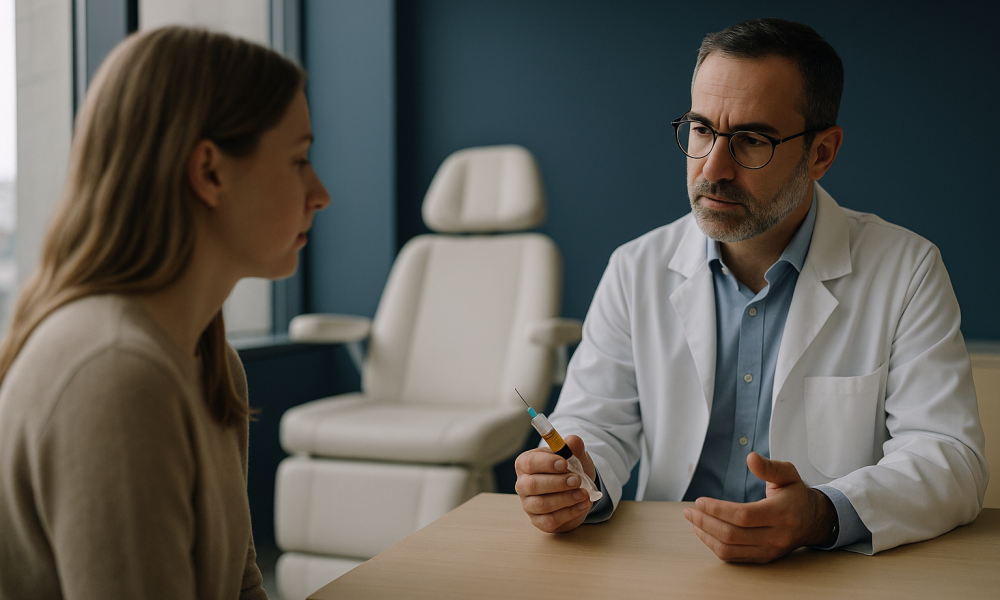
What PRP Therapy is and who it is for
Platelet-Rich Plasma (PRP) therapy is a cutting-edge medical treatment that utilises the body’s own healing processes to promote tissue regeneration and healing. This therapy involves drawing a small amount of the patient’s blood, processing it to separate the platelets, and then injecting the concentrated platelets into the targeted area. The high concentration of platelets, rich in growth factors, can accelerate the healing of muscles, tendons, ligaments, and even skin. PRP therapy is increasingly popular in orthopaedics, sports medicine, dermatology, and aesthetic medicine.
Originally a tool for enhancing recovery in athletes, PRP therapy is now widely used for a variety of conditions. In orthopaedics, it is often applied to treat chronic tendon injuries such as tennis elbow, knee osteoarthritis, and rotator cuff tears. Dermatologists and aesthetic practitioners use PRP to rejuvenate skin, reduce wrinkles, and promote hair growth in patients with thinning hair.
The therapy is minimally invasive and typically performed in an outpatient setting. Patients can expect a procedure time of 30 to 60 minutes, with no need for general anaesthesia. Local anaesthesia may be applied to minimise discomfort during the injection process. As the procedure does not require a hospital stay, patients can return home the same day. Most individuals are able to resume normal activities within one to two days, although strenuous activities might need to be avoided for a short period.
PRP therapy is considered a safe procedure, as it uses the patient’s own blood, reducing the risk of allergic reactions or transmission of infections. However, like any medical treatment, it is not without potential risks. Some patients may experience mild pain, swelling, or bruising at the injection site, but these side effects typically resolve within a week.
Are you a good candidate?
Determining if you are a suitable candidate for PRP therapy involves a comprehensive assessment of your medical history and current health status. Not everyone will benefit equally from the treatment, so it is crucial to consult with a qualified healthcare professional who can evaluate your specific condition and treatment goals.
Ideal candidates for PRP therapy generally include individuals who:
- Have chronic tendon injuries, such as tennis elbow or Achilles tendinitis, that have not responded well to conventional treatments.
- Experience mild to moderate osteoarthritis and are seeking to delay more invasive procedures like joint replacement.
- Are looking for non-surgical options to enhance skin rejuvenation and address signs of ageing.
- Have experienced hair thinning or hair loss and are exploring alternatives to hair transplant surgery.
- Are in good overall health and do not have blood disorders or active infections.
- Are non-smokers or willing to cease smoking, as smoking can impair the healing process.
- Have realistic expectations about the outcomes and understand that results can vary based on individual factors.
It is essential to discuss any medications or supplements you are taking with your healthcare provider, as some may affect the efficacy of the treatment. Additionally, those with certain medical conditions, such as cancer or systemic infections, may not be suitable candidates for PRP therapy.
By carefully considering these factors and consulting with a medical professional, you can determine if PRP therapy is the right choice for your needs and if it aligns with your health and wellness goals.
The procedure, step by step
Platelet-Rich Plasma (PRP) therapy is a medical treatment gaining popularity for its potential to promote healing and tissue regeneration. Here is a detailed step-by-step guide to what you can expect during the PRP procedure in Turkey.
- Initial Consultation: The process begins with a consultation with a certified medical professional. During this session, your medical history will be reviewed, and the suitability of PRP therapy for your condition will be assessed. This is an opportunity to discuss your expectations and any concerns you may have.
- Preparation: On the day of the procedure, you will be advised to avoid anti-inflammatory medications, as they can interfere with the healing process. Hydration is encouraged, and fasting is typically not required.
- Blood Collection: A small amount of blood, usually between 15 to 50 millilitres, is drawn from your arm using a sterile needle. The volume depends on the area being treated and the specific protocol of the clinic.
- PRP Separation: The collected blood is placed in a centrifuge, a machine that spins at high speed to separate the blood components. This process takes approximately 10 to 15 minutes, resulting in a concentration of platelets being isolated from the rest of the blood.
- Preparation of PRP: Once the centrifugation is complete, the platelet-rich plasma is carefully extracted. The plasma is then prepared for injection, often combined with an activating agent to enhance its regenerative properties.
- Site Preparation: The area to be treated is cleaned and sterilised to minimise the risk of infection. A local anaesthetic may be applied to the site to reduce discomfort during the injection.
- PRP Injection: The PRP solution is injected into the targeted area using a fine needle. The number of injections depends on the size of the area and the condition being treated. The procedure may take 30 to 60 minutes in total.
- Post-Procedure Care: After the injections, you may be advised to rest the treated area and avoid strenuous activities for a short period. Ice packs may be recommended to reduce any swelling or discomfort.
- Follow-Up: A follow-up appointment is usually scheduled to monitor your progress and determine if additional sessions are necessary. The full benefits of PRP therapy can take several weeks to manifest, as the body gradually repairs and regenerates tissue.
Recovery timeline
The recovery period following PRP therapy is relatively short, but it is crucial to follow the recommended care guidelines to maximise the treatment’s effectiveness and minimise potential side effects. Here is a typical recovery timeline for PRP therapy, from day one to full recovery.
| Period | What to Expect | Care Notes |
|---|---|---|
| Day 1 | Mild swelling, redness, and tenderness at the injection site. | Apply ice packs intermittently for 10-15 minutes to reduce swelling. Avoid anti-inflammatory medications. |
| Day 2-3 | Continued mild discomfort and possible bruising. | Rest the treated area. Gentle movements are encouraged to promote circulation, but avoid strenuous activities. |
| Day 4-7 | Initial discomfort begins to subside. Some patients may start noticing slight improvements. | Maintain hydration and a balanced diet to support healing. Continue avoiding anti-inflammatory medications unless instructed otherwise. |
| Week 2-3 | Noticeable reduction in symptoms for many patients. Some may experience a temporary increase in pain as the healing process progresses. | Light exercise can be resumed, but monitor any increase in pain. Consult your practitioner if discomfort persists. |
| Week 4-6 | Enhanced healing and improvement in the treated area. Many patients report significant symptom relief. | Gradually return to normal activities. Follow any specific exercise or rehabilitation plans provided by your healthcare provider. |
| Full Recovery (Up to 3 months) | Most patients experience full benefits by this time, with improved function and reduced pain. | Continue monitoring progress and attend any scheduled follow-up appointments to assess treatment outcomes. |
5. What it costs: Turkey vs Canada
When considering Platelet-Rich Plasma (PRP) therapy, cost is a significant factor for many patients. Understanding the financial implications of undergoing treatment in Turkey compared to Canada can help you make an informed decision. The cost of PRP therapy can vary widely based on several factors including the specific treatment area, the number of sessions required, and the clinic’s reputation. Below is a comparative table to give you a clearer picture of the indicative price ranges for PRP therapy in both countries.
| Country | Indicative Price Range (per session) | Typical Package Inclusions |
|---|---|---|
| Turkey | £150 – £300 |
|
| Canada | £400 – £800 |
|
It’s important to note that these figures are indicative and actual costs can vary. In Turkey, many clinics offer packages that include additional services such as airport transfers and accommodation, which can be particularly appealing for international patients. The lower cost of living and operational expenses in Turkey contribute to the more competitive pricing compared to Canada.
Furthermore, Turkish clinics often provide bundled discounts for patients who require multiple sessions. This is particularly beneficial for treatments such as hair restoration or skin rejuvenation, which might necessitate several rounds of PRP injections for optimal results. In contrast, Canadian clinics may charge separately for each session, which can increase the overall cost of the treatment plan.
When evaluating cost, it’s crucial to consider the overall value, including the quality of care, the expertise of the practitioners, and the facilities available. Many Turkish providers have internationally accredited clinics with state-of-the-art equipment, offering high-quality care at a fraction of the cost found in Canada.
6. Risks and how accredited providers manage them
Like any medical procedure, PRP therapy carries certain risks, though they are generally minimal compared to more invasive treatments. Understanding these risks and how accredited providers in Turkey manage them can help alleviate any concerns you might have.
The most common risks associated with PRP therapy include pain at the injection site, temporary swelling, redness, or bruising. These are usually mild and resolve on their own within a few days. However, more serious complications, although rare, can include infection or injury to nerves or tissues.
Accredited providers in Turkey take several steps to mitigate these risks:
- Strict Sterilisation Protocols: Clinics adhere to international standards for sterilisation, ensuring that all equipment and materials used are sterile to minimise the risk of infection.
- Experienced Practitioners: Only qualified and experienced medical professionals perform PRP therapy. They are trained to handle any complications should they arise, ensuring patient safety at all times.
- Comprehensive Pre-treatment Assessments: Before undergoing PRP therapy, patients receive a thorough consultation to assess their suitability for the treatment. This includes a review of medical history and any potential contraindications.
- Post-treatment Care: Follow-up appointments and aftercare instructions are provided to monitor recovery and address any concerns promptly. This ongoing support helps manage any adverse reactions effectively.
Furthermore, many clinics in Turkey are accredited by international organisations such as the Joint Commission International (JCI), which sets stringent standards for healthcare quality and safety. Accreditation ensures that clinics maintain high levels of care and continuously improve their practices.
In summary, while PRP therapy is generally safe, it is essential to choose a reputable clinic that follows rigorous protocols to manage risks. Accredited providers in Turkey are well-equipped to deliver safe and effective PRP treatments, offering peace of mind to international patients considering this therapy.
How to choose the right provider
Choosing the right provider for Platelet-Rich Plasma (PRP) therapy in Turkey is a crucial step in ensuring a safe and effective treatment experience. One of the first criteria to consider is the accreditation of the clinic. Look for clinics that are accredited by internationally recognised bodies, such as the Joint Commission International (JCI) or similar organisations. These accreditations indicate that the clinic adheres to high standards of quality and safety.
The experience of the medical professionals involved in administering PRP therapy is another essential factor. Seek out clinics where the procedure is performed by experienced surgeons or dermatologists who have specific expertise in PRP treatments. It is advisable to inquire about the number of procedures the practitioner has performed and their success rates. While no outcome can be guaranteed, a practitioner with a significant track record may offer more reassurance.
Aftercare is an important aspect of the treatment process. A reputable provider will have a comprehensive aftercare plan that includes follow-up appointments to monitor your progress and address any concerns. Ensure that the clinic provides clear instructions on post-treatment care and that they are readily available to answer any questions that may arise after the procedure.
Be vigilant for red flags when selecting a provider. These may include clinics that offer unusually low prices without clear explanations, lack of transparency regarding costs, or pressure tactics to secure your booking. Be wary of any provider that guarantees specific outcomes, as this is not medically responsible. Additionally, ensure that the clinic provides clear, written consent forms and that they discuss potential risks and complications openly with you.
Finally, consider seeking testimonials or reviews from previous patients. While individual experiences can vary, consistently positive feedback can be a good indicator of the clinic’s overall quality. Conversely, numerous negative reviews or reports of poor outcomes should prompt caution. By thoroughly researching and considering these factors, you can make an informed decision that prioritises your safety and the success of your PRP therapy.
Planning your trip
Planning your medical trip to Turkey for PRP therapy involves several important steps to ensure a smooth and successful experience. Start by creating a timeline that includes all necessary preparations before your travel. Ideally, begin planning at least three months in advance to allow ample time for research, consultations, and booking arrangements.
Ensure you have all required documents in order, including your passport, which should be valid for at least six months beyond your expected return date. You may also need a visa to enter Turkey, depending on your nationality, which can often be obtained online through the e-Visa system.
Consult with your chosen clinic to understand the recommended length of stay. Typically, patients are advised to stay in Turkey for a period ranging from 5 to 10 days. This allows time for the initial consultation, the procedure, and any necessary follow-up appointments. It also provides a buffer for rest and recovery before travelling back to Canada.
Consider the logistics of your travel, such as flights and accommodation. Istanbul, a major hub for medical tourism in Turkey, offers a wide range of accommodation options to suit different budgets. Look for hotels or serviced apartments close to your clinic for convenience. Some clinics may offer package deals that include accommodation and transfer services, which can simplify your planning.
Post-treatment follow-up is another critical aspect of your trip. Discuss with your healthcare provider in Canada how they can support your recovery and monitor your progress once you return home. They may need to coordinate with your Turkish provider, so ensure that all necessary medical records and treatment details are shared.
Finally, consider travel insurance that covers medical tourism, including any unforeseen complications or changes to your travel plans. This can provide peace of mind and financial protection. By carefully planning each aspect of your trip, you can focus on achieving the best possible outcome from your PRP therapy in Turkey.
Frequently Asked Questions
What is the typical cost of PRP therapy in Turkey?
The cost of PRP therapy in Turkey can vary depending on the clinic and the specific treatment plan. Generally, you can expect to pay between £200 and £500 per session. This price range is indicative and may include initial consultations and follow-up appointments. It's important to discuss the full cost breakdown with your chosen clinic to understand what is included in the price.
How safe is PRP therapy in Turkey?
PRP therapy is considered a safe procedure when performed by qualified and experienced professionals. In Turkey, many clinics adhere to high international standards of care, particularly those accredited by bodies such as JCI. However, as with any medical treatment, there are risks involved, such as infection or adverse reactions. It's crucial to choose a reputable provider and discuss all potential risks with your practitioner before undergoing treatment.
What factors should I consider when choosing a PRP clinic?
When selecting a PRP clinic, consider factors such as accreditation, the experience of the medical team, aftercare services, and patient reviews. Accreditation by international bodies like JCI indicates adherence to high standards. Experienced practitioners with a proven track record in PRP therapy can offer more reliable care. Thorough aftercare and positive patient testimonials can also help guide your decision.
How long should I plan to stay in Turkey for PRP therapy?
Patients typically plan to stay in Turkey for 5 to 10 days for PRP therapy. This duration allows for the initial consultation, the procedure itself, and any necessary follow-up appointments. It also provides time for rest and recovery before travelling back home. The exact length of stay can vary based on individual treatment plans and the clinic's recommendations.
What documents do I need to travel to Turkey for PRP therapy?
To travel to Turkey for PRP therapy, you'll need a valid passport with at least six months of validity beyond your return date. Depending on your nationality, you may also need a visa, which can often be obtained online through the e-Visa system. It's advisable to confirm the specific entry requirements for your country well in advance of your trip.
Can I combine PRP therapy with a holiday in Turkey?
Yes, many patients choose to combine their medical treatments with a holiday in Turkey. However, it's important to consider your recovery needs and follow your doctor's advice regarding rest and activity levels after the procedure. Ensure that your travel plans allow for any necessary follow-up appointments and that you prioritise your health and recovery during your stay.
What should I look for in a PRP practitioner?
Look for a practitioner who is experienced in performing PRP therapy and has a solid track record of successful treatments. Verify their credentials and ask about their training and experience with PRP specifically. A good practitioner will also provide detailed information about the procedure, discuss potential risks, and offer comprehensive aftercare support.
Are there any red flags to watch for when selecting a clinic?
Be cautious of clinics that offer significantly lower prices than the average without clear justification, as this may indicate compromised quality. Avoid providers who use pressure tactics or guarantee specific outcomes, as these are not medically responsible practices. Ensure the clinic is transparent about costs, provides written consent forms, and openly discusses potential risks and complications.
What aftercare is required following PRP therapy?
Aftercare following PRP therapy is important to ensure optimal results and minimise complications. This typically includes following specific instructions on managing the treated area, avoiding strenuous activity for a short period, and attending follow-up appointments. Your provider should offer clear guidance and be available to address any concerns you may have during your recovery.
How can I ensure continuity of care when I return to Canada?
To ensure continuity of care, coordinate with your healthcare provider in Canada before your trip. Share your treatment plan and any necessary medical records with them. After your return, follow up as advised and keep your Canadian provider informed of your progress. This collaboration can help in monitoring your recovery and addressing any issues that may arise post-treatment.
Will my health insurance cover PRP therapy abroad?
Coverage for PRP therapy abroad varies by insurance provider and policy. Many standard health insurance plans do not cover elective procedures performed overseas. However, some specialised travel insurance policies offer coverage for medical tourism, including complications. Check with your insurance provider to understand your coverage options and consider purchasing additional travel insurance if necessary.
What is the recovery time after PRP therapy?
Recovery time after PRP therapy can vary based on the individual and the area treated. Generally, patients experience mild swelling or bruising that subsides within a few days. Most can resume normal activities shortly after the procedure, but it's advisable to follow your practitioner's guidelines on activity levels and aftercare for optimal results. Full recovery and visible results may take several weeks.