
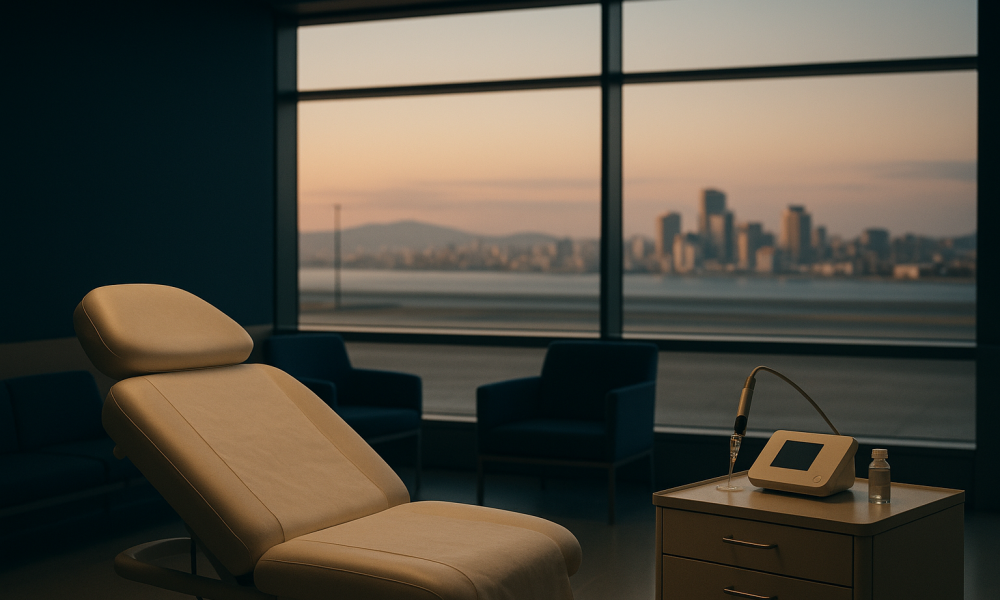
What Microneedling is and who it is for
Microneedling, also known as collagen induction therapy, is a minimally invasive cosmetic procedure that aims to rejuvenate the skin by using fine needles to create tiny, controlled punctures in the skin’s surface. This process stimulates the body’s natural wound healing processes, resulting in increased collagen and elastin production. The treatment is popular for addressing a variety of skin concerns, including fine lines, wrinkles, acne scars, and pigmentation issues. Typically, microneedling is performed using a dermaroller or a motorised pen, both of which are equipped with fine needles that range in size from 0.25 mm to 3.0 mm.
Individuals seeking microneedling often do so for its ability to improve skin texture and tone without the need for extensive downtime or invasive surgery. The procedure is generally suitable for all skin types and tones, making it accessible to a wide range of individuals. It is particularly beneficial for those looking to reduce the appearance of scars, fine lines, or enlarged pores. Microneedling can also enhance the absorption of topical skincare products, thereby maximising their efficacy.
In Turkey, microneedling is performed in state-of-the-art clinics equipped with the latest technology and staffed by skilled practitioners. The country has become a popular destination for medical tourism, thanks to its combination of high-quality care and cost-effective pricing. Typically, a microneedling session in Turkey might cost between £150 and £400, depending on the clinic and specific requirements of the patient. It is important for prospective patients to research thoroughly and consult with qualified professionals to ensure they receive safe and effective treatment.
The procedure usually takes about 30 to 60 minutes, depending on the area being treated. Most patients experience minimal discomfort, as a topical anaesthetic is applied to numb the skin before the procedure. After the treatment, the skin may appear red and feel tight, similar to a mild sunburn, but these effects typically subside within a few days. Patients can generally return to work the next day, although full recovery, during which the skin fully heals and any redness dissipates, may take up to 1-2 weeks.
Are you a good candidate?
Determining if you are a suitable candidate for microneedling involves assessing your skin type, concerns, and overall health. While microneedling is versatile and can benefit many individuals, there are certain criteria and conditions that make some people more ideal candidates than others.
- General Health: Candidates should be in good overall health without any active skin infections or conditions that could interfere with healing, such as eczema or psoriasis.
- Skin Concerns: Those with concerns about acne scars, fine lines, enlarged pores, or uneven skin texture are typically good candidates. However, individuals with severe active acne or rosacea may need to address these conditions before undergoing treatment.
- Realistic Expectations: It’s crucial to have realistic expectations about the outcomes. While microneedling can significantly improve skin appearance, it may take multiple sessions to achieve the desired results, and it is not a substitute for surgical procedures if more dramatic changes are desired.
- Age: While there is no strict age limit, most candidates are adults who wish to combat signs of ageing or improve specific skin concerns.
- Non-Pregnant: Pregnant women are typically advised to postpone microneedling until after childbirth due to the body’s altered healing responses during pregnancy.
- Commitment to Aftercare: Prospective patients should be prepared to follow post-procedure care instructions, such as avoiding sun exposure and using recommended skincare products to optimise results and minimise risks.
Before proceeding with microneedling, a consultation with a qualified dermatologist or aesthetician is essential. They will evaluate your skin and medical history to determine the best treatment plan tailored to your needs. This initial assessment is crucial in ensuring the procedure’s success and your satisfaction with the results.
The procedure, step by step
Microneedling is a minimally invasive procedure designed to enhance the skin’s appearance by inducing collagen production. The process typically involves the following steps:
- Initial Consultation: Before the procedure, a thorough consultation with a qualified dermatologist is essential. During this session, your medical history will be reviewed, and a skin assessment will be conducted to determine suitability for microneedling. It’s also the ideal time to discuss any concerns and set realistic expectations.
- Preparation: On the day of the procedure, the skin will be cleansed to remove any makeup, oils, or impurities. A topical anaesthetic cream is usually applied to the treatment area to minimise discomfort. This numbing process can take 20 to 30 minutes.
- Microneedling Process: The actual microneedling process involves using a device equipped with fine needles. These needles create tiny punctures in the skin’s surface, which are often referred to as micro-injuries. This step is crucial as it stimulates the body’s natural wound healing processes, promoting the production of collagen and elastin. The procedure itself typically lasts between 30 to 60 minutes, depending on the area being treated.
- Post-Treatment Application: Immediately after microneedling, a soothing serum or a hydrating mask is applied to the skin. These products are chosen for their ability to enhance the skin’s regenerative process and to calm any immediate redness or irritation.
- Final Consultation: Once the procedure is complete, a final consultation is conducted. The dermatologist will provide aftercare instructions and discuss what to expect in terms of recovery and results. This is also the time to schedule any follow-up appointments if necessary.
Throughout the procedure, maintaining sterile conditions is paramount to prevent any risk of infection. The entire process is typically completed in a clinical setting within a couple of hours, making it a convenient option for those seeking effective skin rejuvenation with minimal downtime.
Recovery timeline
Recovery after microneedling is generally swift, but it can vary depending on the individual’s skin type and the specific treatment parameters. Here is a typical recovery timeline:
| Period | What to expect | Care notes |
|---|---|---|
| Day 1 | Immediately following the procedure, the skin may appear red and slightly swollen, similar to a mild sunburn. | Avoid touching the face and apply any prescribed topical serums or creams. Refrain from using makeup. |
| Days 2-3 | Redness usually begins to subside. Some patients might experience minor skin flaking as the skin starts its healing process. | Continue using gentle skincare products. Keep the skin moisturised and avoid direct sun exposure. Sunscreen is highly recommended. |
| Days 4-7 | Most redness and swelling should dissipate. Skin may feel tighter and smoother. | Resume regular skincare routine but avoid exfoliants. Ensure consistent sunscreen application. |
| Week 2 | Skin continues to improve in texture and tone. Some patients report a noticeable glow. | Maintain hydration and continue using recommended skincare products. Avoid intense sun exposure. |
| Weeks 3-4 | Full recovery is typically achieved. Collagen production continues to enhance skin appearance. | Regular follow-up with the dermatologist is advised to assess results and discuss potential further treatments if desired. |
Adhering to post-procedure care instructions is crucial for optimal results and minimising potential complications. Patients are encouraged to maintain regular contact with their dermatologists to monitor progress.
What it costs: Turkey vs the United Kingdom
When considering microneedling treatment, one of the key factors for many patients is the cost. Turkey has become a popular destination for this procedure, not only due to its experienced practitioners but also because of the cost advantages. Here, we provide a comparison of indicative price ranges for microneedling in Turkey versus the United Kingdom, as well as what these packages typically include.
| Location | Indicative Price Range (GBP) | Typical Package Inclusions |
|---|---|---|
| Turkey | £150 – £300 per session |
|
| United Kingdom | £200 – £450 per session |
|
The indicative costs in Turkey are generally lower, yet the packages often include more comprehensive services. For example, Turkish clinics may offer additional follow-up consultations and more detailed post-treatment care instructions as part of the package, which can be an advantage for international patients seeking reassurance during their recovery period.
It is important to note that these figures are indicative and can vary based on the specific clinic, the expertise of the practitioner, and the complexity of the treatment required. Patients are advised to request a detailed quotation from the clinics they are considering to understand the full scope of what is included in the price.
Moreover, many clinics in Turkey offer packages that include accommodation and airport transfers, which can add convenience and further savings for international patients. In contrast, such services are less commonly bundled in the UK, potentially leading to additional costs for travel and accommodation.
Ultimately, the decision should not be based solely on cost. Prospective patients should consider the reputation and accreditation of the clinic, the qualifications of the practitioners, and the quality of care provided. These factors can significantly influence the overall experience and outcome of the treatment.
Risks and how accredited providers manage them
As with any medical procedure, microneedling carries certain risks, though they are generally minimal when the treatment is performed by a qualified and experienced practitioner. Understanding these risks and how accredited providers in Turkey manage them can help patients make informed decisions.
Common risks associated with microneedling include temporary redness, swelling, and minor skin irritation. These side effects are generally mild and resolve within a few days. More serious complications, though rare, can include infection, allergic reactions, and prolonged healing. Accredited providers in Turkey take several measures to minimise these risks and ensure patient safety.
- Pre-Treatment Assessment: A thorough pre-treatment consultation is conducted to assess the patient’s skin type, medical history, and suitability for the procedure. This helps in identifying any potential risk factors and tailoring the treatment plan accordingly.
- Hygiene and Sterilisation: Accredited clinics adhere to strict hygiene protocols. All equipment is sterilised, and disposable needles are used to prevent infection. The treatment area is also thoroughly cleansed before the procedure.
- Qualified Practitioners: Clinics with accreditation employ practitioners who are not only trained in microneedling techniques but also in recognising and managing any complications that may arise.
- Post-Treatment Care: Patients are provided with detailed post-treatment care instructions to follow at home. This includes guidance on skincare products to use or avoid, as well as how to manage any discomfort.
- Follow-Up Consultations: Accredited providers typically offer follow-up consultations to monitor the healing process and address any concerns the patient may have. This ongoing support is crucial for ensuring a safe and satisfactory outcome.
It is essential for patients to follow the advice and instructions provided by the clinic to minimise risks and promote healing. Accredited clinics in Turkey are committed to delivering high standards of care and patient safety, which is reflected in their careful management of the entire treatment process.
Patients should not hesitate to ask questions about the clinic’s accreditation, the practitioner’s qualifications, and the specific measures in place to manage risks. Informed patients are better positioned to choose the right provider and achieve the best possible results from their microneedling treatment.
How to choose the right provider
Choosing the right provider for microneedling in Turkey is crucial for ensuring a safe and successful experience. Start by verifying the clinic’s accreditation. Look for clinics that are certified by internationally recognised bodies such as the Joint Commission International (JCI) or the Turkish Ministry of Health. Accreditation ensures that the clinic adheres to high standards of care and hygiene.
Next, consider the experience and qualifications of the practitioners. Ideally, the practitioner should be a dermatologist or plastic surgeon with specific training in microneedling techniques. Check their credentials and look for memberships in professional organisations, such as the Turkish Society of Dermatology. Experience is another key factor; practitioners should have a substantial number of procedures under their belt, with at least 3-5 years of experience in microneedling specifically.
Aftercare is another important consideration. A reputable provider will offer comprehensive aftercare instructions and support. This includes guidance on skincare post-treatment, what to expect during recovery, and how to handle any complications that may arise. Some clinics offer follow-up consultations either in-person or virtually to monitor your progress.
Be on the lookout for red flags that might indicate a less reliable provider. These include clinics that make unrealistic promises about outcomes, lack transparency about costs, or do not provide clear information about the qualifications of their practitioners. Additionally, be wary of clinics that lack proper hygiene protocols or have poor reviews regarding patient care.
Finally, read reviews and testimonials from previous patients. While these can provide valuable insights, they should be considered alongside other factors. Look for consistent patterns in feedback related to the quality of care, results, and overall experience. By taking these steps, you can make a well-informed decision about the right provider for your microneedling procedure in Turkey.
Planning your trip
Planning your trip for microneedling in Turkey involves several steps to ensure a smooth experience. Begin by determining the timeline for your travel. It is advisable to schedule your treatment at least 4-6 weeks in advance. This allows time for consultation, preparation, and any necessary adjustments to your travel itinerary.
Ensure you have all the required documents for travel. British citizens need a valid passport with at least six months of validity beyond your planned departure date from Turkey. While a visa is not required for short stays, it is advisable to check the latest entry requirements, as these can change.
Consider the length of your stay. While microneedling is a minimally invasive procedure, you should plan to stay in Turkey for at least 3-5 days. This allows time for the procedure, initial recovery, and a follow-up consultation if needed. Factor in additional time if you plan to explore the country or if your provider recommends an extended observation period post-treatment.
It’s important to plan for follow-up care once you return home. Discuss with your provider how follow-up appointments will be managed. Some clinics offer virtual consultations, which can be convenient. Additionally, ensure you have a dermatologist or skincare specialist in the UK who can assist with any post-treatment concerns.
Budgeting for your trip is also essential. In addition to the cost of the procedure, which typically ranges from £150 to £300 per session, account for travel expenses, accommodation, and any additional treatments you might need. Consider travel insurance that covers medical procedures to protect against unforeseen circumstances.
By planning carefully, you can ensure that your microneedling treatment in Turkey is a positive and stress-free experience.
Frequently Asked Questions
What is microneedling?
Microneedling is a cosmetic procedure that involves using fine needles to create tiny punctures in the skin. This process stimulates the body's natural wound healing processes, resulting in increased collagen and elastin production. It is used to improve the appearance of scars, fine lines, and overall skin texture.
How much does microneedling cost in Turkey?
The cost of microneedling in Turkey typically ranges from £150 to £300 per session. Prices may vary based on the clinic's location, the practitioner's expertise, and the specific needs of the patient. It's important to discuss all costs upfront with your provider to avoid unexpected expenses.
Is microneedling safe?
Microneedling is generally considered safe when performed by a qualified and experienced practitioner. However, as with any procedure, there are risks, including infection, bruising, and skin irritation. Choosing a reputable clinic with proper accreditation and hygiene standards can help minimise these risks.
How many sessions of microneedling will I need?
The number of sessions required varies depending on the individual's skin condition and desired results. On average, patients may need 3-6 sessions spaced 4-6 weeks apart. Your practitioner will assess your skin and recommend a treatment plan tailored to your needs.
What should I expect during recovery?
After microneedling, you may experience redness, swelling, and mild discomfort, similar to a sunburn. These effects usually subside within a few days. It's important to follow aftercare instructions, which typically include avoiding sun exposure and using gentle skincare products.
Can I combine microneedling with other treatments?
Yes, microneedling can often be combined with other treatments like chemical peels or laser therapy to enhance results. However, it's crucial to discuss this with your practitioner, who can advise on the best combination of treatments for your specific skin concerns.
How soon will I see results from microneedling?
Results from microneedling can vary, but most patients begin to notice improvements in skin texture and tone within a few weeks. Collagen production continues to increase over several months, leading to more noticeable results over time. Multiple sessions may be required for optimal outcomes.
What should I look for in a microneedling provider?
Look for a provider with proper accreditation, experienced practitioners, and good reviews from past patients. Ensure they offer comprehensive aftercare and are transparent about costs and expected outcomes. Avoid clinics that make unrealistic promises or lack transparency.
What are the risks of microneedling?
While generally safe, microneedling can pose risks such as infection, scarring, and hyperpigmentation if not performed correctly. Choosing a qualified provider and adhering to aftercare instructions are critical to minimising these risks.
Will microneedling help with acne scars?
Microneedling is often used to improve the appearance of acne scars by promoting collagen production and skin renewal. While it can be effective, results vary, and multiple sessions may be needed. Discuss your specific concerns with your practitioner to determine the best treatment approach.
How long does a microneedling session take?
A typical microneedling session lasts about 30 to 60 minutes, depending on the area being treated and the specific needs of the patient. This includes time for numbing the skin and performing the procedure. Your practitioner will provide more precise timing based on your treatment plan.
What should I do to prepare for microneedling?
Preparation for microneedling includes avoiding sun exposure and certain skincare products, such as retinoids, for a few days before the procedure. Your practitioner will provide specific instructions tailored to your skin type and treatment goals. It's important to follow these guidelines to ensure the best possible outcome.