
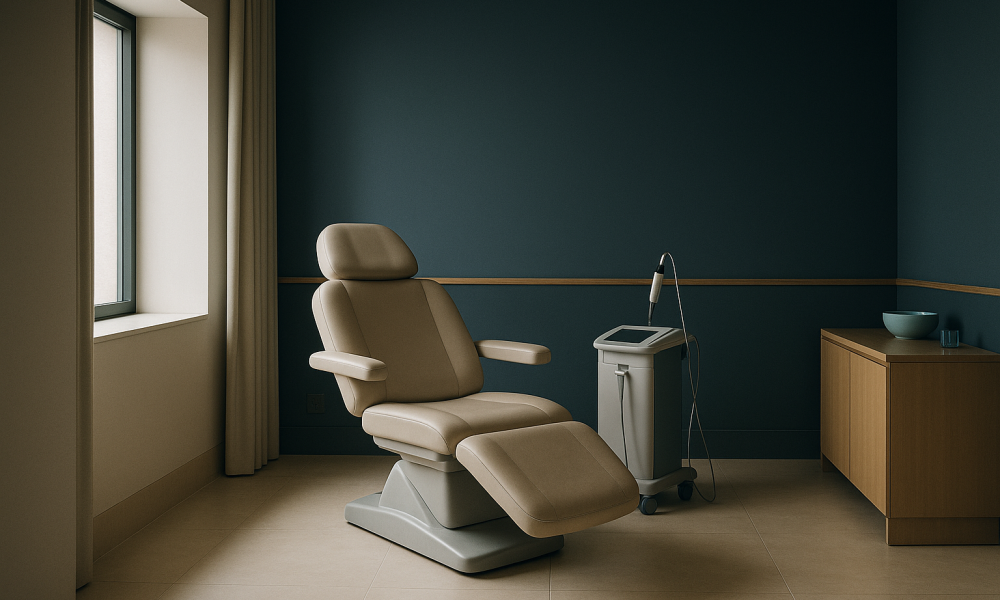
What Microneedling is and who it is for
Microneedling, also known as collagen induction therapy, is a minimally invasive skin rejuvenation procedure that involves the use of fine needles to create hundreds of tiny, invisible puncture wounds in the top layer of the skin. This process stimulates the body’s natural wound healing process, resulting in increased collagen and elastin production, which are essential for maintaining youthful, smooth, and firm skin. Microneedling is primarily used to treat various skin conditions, such as acne scars, fine lines, wrinkles, large pores, and uneven skin texture.
The procedure is suitable for almost all skin types and tones, making it a versatile option for individuals seeking skin improvements. It is particularly popular among those looking for a non-surgical method to enhance skin appearance without significant downtime. The treatment is typically performed using a dermaroller or a dermapen, devices equipped with numerous fine needles that can be adjusted to different depths depending on the area of the skin being treated and the specific skin concerns addressed.
Microneedling sessions typically last between 30 and 60 minutes, depending on the size of the treatment area. A topical anaesthetic is usually applied beforehand to minimise discomfort. The procedure is generally well-tolerated, with most patients experiencing only minor redness and swelling post-treatment, akin to a mild sunburn, which subsides within a few days. The risk of infection or other complications is minimal when performed by a qualified professional.
Microneedling is considered safe and effective for individuals who are not experiencing active skin infections or conditions such as eczema or psoriasis on the treatment area. It is an attractive option for those who wish to avoid more invasive procedures like laser treatments or chemical peels. Results from microneedling can often be seen within 4 to 6 weeks, as the skin’s natural healing process takes effect, with optimal results typically achieved after multiple sessions, spaced about 4 to 6 weeks apart.
Are you a good candidate?
Determining whether you are a suitable candidate for microneedling involves considering several factors related to your skin type, condition, and overall health. This procedure is generally regarded as safe and effective for a broad range of individuals; however, it is not suitable for everyone. Before deciding on microneedling, it’s crucial to consult with a qualified dermatologist or cosmetic practitioner who can assess your skin and provide personalised advice.
Here are some criteria to consider if you are pondering microneedling:
- Skin Concerns: Ideal candidates are those looking to address issues such as fine lines, wrinkles, acne scars, or uneven skin texture. If your primary concern is active acne or an inflammatory skin condition, microneedling may not be recommended until these conditions are under control.
- Overall Health: Candidates should be generally healthy without chronic conditions that could impair the skin’s healing process, such as uncontrolled diabetes or autoimmune disorders.
- Skin Type and Tone: Unlike some laser treatments, microneedling is suitable for all skin types and tones, as it doesn’t rely on heat or light, which can cause pigmentation issues in darker skin tones.
- Expectations: It’s important to have realistic expectations regarding the outcomes of microneedling. While it can significantly improve skin texture and appearance, it is not a cure-all and may require multiple sessions for optimal results.
- Commitment to Aftercare: Post-procedure care is crucial to ensure optimal healing and results. Candidates must be willing to follow aftercare instructions, which typically include avoiding sun exposure, using gentle skincare products, and keeping the skin moisturised.
- Age: While there is no strict age limit, candidates are usually adults who have begun to notice signs of ageing or skin damage.
If you meet these criteria and are interested in improving your skin’s appearance, microneedling could be a beneficial treatment option. However, a thorough consultation with a specialist is essential to tailor the treatment to your specific needs and ensure safety and efficacy.
3. The procedure, step by step
Microneedling, also known as collagen induction therapy, is a minimally invasive procedure that is designed to rejuvenate the skin. It involves the use of fine needles to create hundreds of tiny, invisible puncture wounds in the top layer of skin. Here is a detailed step-by-step breakdown of what you can expect during a microneedling session in Turkey:
- Initial Consultation: Before the procedure, you will have a consultation with a certified dermatologist or aesthetician. During this session, your skin concerns and medical history will be discussed to determine if microneedling is suitable for you. This is also an opportunity to address any questions or concerns you may have.
- Preparation: On the day of the treatment, your skin will be cleansed thoroughly to remove any makeup, dirt, or oil. A topical anaesthetic cream will then be applied to the area to be treated. This is usually left on for about 20 to 30 minutes to ensure your comfort during the procedure.
- Microneedling Process: Once the anaesthetic has taken effect, the microneedling device is carefully used on your skin. This device can be a dermaroller or a motorised pen-like tool with adjustable needle depths. The needles penetrate the skin at a controlled depth, creating micro-injuries that stimulate collagen and elastin production. The entire process typically takes around 30 to 60 minutes, depending on the size of the treatment area.
- Post-Procedure Care: After the microneedling session, a calming serum or hyaluronic acid is applied to aid in the healing process and enhance results. Some practitioners might use a cooling mask to soothe the skin further. You will receive detailed aftercare instructions to follow at home.
- Follow-Up: A follow-up appointment may be scheduled to assess the results and determine if additional sessions are required. Typically, a series of 3 to 6 treatments spaced about 4 to 6 weeks apart is recommended for optimal results.
Microneedling is a safe and effective treatment when performed by a qualified professional. It is important to choose a reputable clinic with experienced staff to minimise risks and maximise the benefits of the procedure.
4. Recovery timeline
Recovering from microneedling is generally straightforward, but it does require careful attention to aftercare to ensure optimal results and minimise any potential side effects. Below is a detailed recovery timeline, outlining what you can expect and how to care for your skin at each stage.
| Period | What to expect | Care notes |
|---|---|---|
| Day 1 (Post-procedure) | Immediately after the procedure, your skin may appear red and feel warm, similar to a mild sunburn. Some patients experience minor swelling. | Avoid touching your face. Use a gentle cleanser and apply a soothing serum as recommended by your practitioner. Avoid sun exposure. |
| Days 2-3 | Redness will likely reduce significantly. You might notice some flaking or dryness as the skin begins to heal and renew. | Continue using gentle, hydrating skincare products. Avoid exfoliating or using harsh skincare ingredients like retinoids or acids. |
| Days 4-7 | Skin should start to look more even-toned and feel smoother. Any residual redness or swelling should subside. | Moisturise regularly and apply broad-spectrum sunscreen. Makeup can be worn if needed, but ensure it is non-comedogenic. |
| Weeks 2-4 | Collagen production is underway; you may begin to notice improvements in skin texture and tone. | Maintain a skincare routine that includes sun protection and hydration. Avoid direct sun exposure when possible. |
| Full Recovery (4-6 weeks) | Most patients see the full effects of microneedling by this time, with enhanced skin texture and reduced appearance of fine lines and scars. | Follow up with your practitioner to assess results and discuss any further treatment sessions if needed. |
While the recovery process is generally quick, individual experiences can vary. Adhering to post-care instructions is crucial to achieving the best possible outcome from your microneedling treatment.
What it costs: Turkey vs Europe
When considering microneedling treatments, one of the major factors influencing the decision is cost. Turkey has become a popular destination for this procedure, largely due to its competitive pricing compared to many European countries. However, it is essential to understand these costs in context and what they typically include.
Below is a comparative table highlighting the indicative price ranges for microneedling treatments in Turkey versus various parts of Europe:
| Region | Indicative Price Range (GBP) | Typical Package Inclusions |
|---|---|---|
| Turkey | £100 – £300 per session | Consultation, treatment session, post-treatment skincare kit, follow-up consultation |
| Western Europe | £200 – £600 per session | Consultation, treatment session |
| Eastern Europe | £150 – £450 per session | Consultation, treatment session |
It is evident from the table that Turkey offers a cost advantage, with prices often significantly lower than those in Western Europe. This affordability is due, in part, to the lower cost of living and operating expenses in Turkey, allowing clinics to offer competitive pricing without compromising on quality.
In terms of package inclusions, Turkish clinics often provide additional services as part of the treatment package. This might include a comprehensive initial consultation where a dermatologist assesses your skin type and specific needs, a full treatment session, and a post-treatment skincare kit to help manage any immediate effects and enhance results. Moreover, some clinics offer follow-up consultations to monitor progress and address any concerns, ensuring a holistic approach to patient care.
While cost is an important consideration, it should never be the sole deciding factor. Potential patients should also pay attention to the reputation of the clinic, the qualifications of the practitioners, and the quality of care provided. Doing thorough research and possibly seeking recommendations from previous patients can provide valuable insights into the level of service you can expect.
Risks and how accredited providers manage them
While microneedling is considered a minimally invasive procedure with a good safety profile, it is not without risks. Understanding these risks and knowing how accredited providers in Turkey manage them is crucial for prospective patients.
Common risks associated with microneedling include skin irritation, redness, and swelling immediately following the procedure. These side effects are generally mild and resolve within a few days. However, more serious risks, though rare, can include infection, scarring, and hyperpigmentation, particularly if the procedure is not performed correctly or if post-treatment care is not followed.
Accredited providers in Turkey adhere to stringent protocols to minimise these risks. Here are some of the measures they typically employ:
- Thorough Pre-treatment Assessment: Before the procedure, a detailed assessment is conducted to ensure the patient is a suitable candidate. This includes evaluating skin type, medical history, and any potential contraindications.
- Use of Sterile Equipment: Providers use sterile, single-use needles to prevent infection. Equipment is sanitised according to international standards to maintain a high level of hygiene.
- Qualified Practitioners: Procedures are carried out by qualified and experienced dermatologists or trained aesthetic practitioners. Their expertise reduces the likelihood of complications.
- Post-treatment Care: Patients receive detailed aftercare instructions to promote healing and reduce the risk of adverse effects. This typically includes advice on skincare routines, avoiding sun exposure, and recognising signs of infection.
- Follow-up Consultations: Accredited clinics offer follow-up appointments to monitor the healing process and address any concerns. This ongoing care helps ensure any issues are promptly addressed.
It is important for patients to follow all pre- and post-treatment advice provided by their healthcare provider to minimise risks. Additionally, choosing a clinic with a strong reputation for safety and patient care can further mitigate potential complications.
In summary, while microneedling carries some risks, these can be effectively managed by opting for an accredited provider. Patients should feel reassured that, when performed under the right conditions, microneedling in Turkey can be both safe and effective.
How to choose the right provider
When considering microneedling in Turkey, choosing the right provider is crucial for achieving the desired results safely. Start by verifying the accreditation of the clinic. It is advisable to select facilities that have international accreditations, such as those from the Joint Commission International (JCI) or the International Organization for Standardization (ISO). These accreditations ensure that the clinic adheres to high standards of quality and safety.
Surgeon experience is another critical factor. Look for practitioners who have substantial experience in dermatology or cosmetic procedures, ideally with a portfolio of past work and patient testimonials. A practitioner with at least five years of experience in microneedling can provide a higher level of expertise. Many clinics offer consultations where you can discuss the procedure, ask about their experience, and evaluate their approach to patient care.
Aftercare is an essential component of the microneedling process, as proper follow-up can significantly affect the outcome. Ensure that the clinic provides a comprehensive aftercare plan, including instructions for skin care, signs of complications to watch for, and a schedule for follow-up appointments. Some clinics offer remote follow-up consultations, which can be particularly beneficial for international patients.
Be vigilant about red flags that may indicate a less reputable provider. These include unreasonably low prices compared to the typical range of £200-£500 per session, lack of transparency about the procedure, unwillingness to provide credentials, or pressure tactics to commit to treatment quickly. Always seek multiple opinions and do not hesitate to walk away if something feels amiss. Trustworthy clinics will provide clear information and allow you the time to make an informed decision.
Planning your trip
Planning your trip for a microneedling procedure in Turkey involves several logistical considerations to ensure a smooth experience. Begin by establishing a timeline, allowing sufficient time for research and consultation. Ideally, you should start planning at least three months before your intended travel date to accommodate consultations, bookings, and any necessary medical evaluations.
Ensure you have all necessary documents in order, including a valid passport and any required visas. For most European citizens, a visa is not required for short stays, but it’s essential to verify the latest entry requirements. Additionally, bring any medical records that might be relevant to your treatment.
Consider the length of your stay in Turkey. While the microneedling procedure itself is typically an outpatient treatment, it is advisable to plan for a stay of at least 3-5 days. This allows time for the procedure, initial recovery, and any follow-up appointments. Some patients choose to extend their stay to enjoy the local sights and culture, so factor in any personal travel preferences when planning your itinerary.
After returning home, follow-up care is crucial. Arrange for follow-up appointments with your local dermatologist to monitor the healing process and address any concerns that may arise. Clinics often provide remote follow-up services, which can be an excellent way to maintain communication with your practitioner in Turkey.
Budgeting is another important aspect of planning. Besides the procedure cost, which typically ranges between £200-£500 per session, consider additional expenses such as travel, accommodation, and local transportation. Istanbul, as a major hub, offers a wide range of accommodation options to suit different budgets, from luxury hotels to more affordable guesthouses.
Frequently Asked Questions
What is the typical cost of microneedling in Turkey?
The cost of microneedling in Turkey typically ranges from £200 to £500 per session. This range can vary based on the clinic's location, the practitioner's experience, and any additional services included in the treatment package. It's advisable to compare different clinics and understand what is included in the quoted price before making a decision.
Is microneedling safe for all skin types?
Microneedling is generally considered safe for most skin types, including darker skin tones. However, it is crucial to consult with a qualified dermatologist to assess your specific skin type and any underlying conditions that might affect treatment. Some clinics offer a patch test to ensure there are no adverse reactions before proceeding with the full treatment.
How long do the results of microneedling last?
The results of microneedling can vary based on individual factors such as skin type, age, and lifestyle. Generally, improvements in skin texture and tone can last for several months. Most patients require multiple sessions, typically spaced four to six weeks apart, to achieve optimal results. Maintenance treatments may be recommended every six to twelve months thereafter.
What should I expect during the microneedling procedure?
During a microneedling procedure, a device with fine needles creates controlled micro-injuries in the skin, which stimulates collagen and elastin production. The procedure usually takes 30 to 60 minutes, and a topical anaesthetic is often applied to minimise discomfort. Patients may experience redness and mild swelling immediately after, which typically subsides within a few days.
How many microneedling sessions are recommended?
The number of sessions required varies depending on the individual's skin condition and desired results. Typically, a series of three to six sessions, spaced four to six weeks apart, is recommended for significant improvement. Your practitioner will provide a personalised treatment plan based on your specific needs and goals.
Are there any side effects of microneedling?
Common side effects of microneedling include redness, swelling, and mild bruising, which usually subside within a few days. Less commonly, patients may experience temporary dryness or flaking. Serious complications are rare but can include infection or scarring. Choosing a qualified practitioner and following aftercare instructions can minimise the risk of adverse effects.
How soon can I return to normal activities after microneedling?
Most patients can return to normal activities within 24 to 48 hours after microneedling. It is advisable to avoid strenuous exercise, direct sun exposure, and makeup application for at least 48 hours to allow the skin to heal properly. Your practitioner will provide detailed aftercare instructions to ensure optimal recovery.
Can microneedling help with acne scars?
Microneedling is often used to improve the appearance of acne scars by promoting collagen production and skin regeneration. While results can vary, many patients notice a significant reduction in scar visibility after a series of treatments. It is important to consult with a dermatologist to determine if microneedling is suitable for your specific type of acne scars.
Do I need to prepare my skin before the procedure?
Preparing your skin before microneedling involves avoiding sun exposure, exfoliants, and retinoids for at least one week prior to treatment. It is also recommended to stay hydrated and follow any specific instructions given by your practitioner. This preparation helps minimise the risk of irritation and enhances the treatment's effectiveness.
How do I know if a clinic is reputable?
To determine if a clinic is reputable, check for international accreditations such as JCI or ISO, which indicate adherence to high standards of quality and safety. Research the practitioner's credentials and experience, read patient reviews, and ensure the clinic provides transparent information about the procedure and aftercare. Avoid clinics that use high-pressure sales tactics or offer prices significantly lower than the typical range.
What travel documents do I need for treatment in Turkey?
For most European citizens, a valid passport is required to enter Turkey, and a visa is not necessary for stays up to 90 days. However, it is important to verify the latest entry requirements with the Turkish consulate or embassy in your country. Additionally, bring any relevant medical records that might be needed for your treatment.
Is it necessary to have a follow-up appointment after returning home?
Yes, follow-up appointments are important to monitor your skin's healing process and address any concerns. Arrange to see your local dermatologist after returning home. Many clinics in Turkey also offer remote follow-up consultations, which can be beneficial for international patients to maintain communication with their practitioner.