
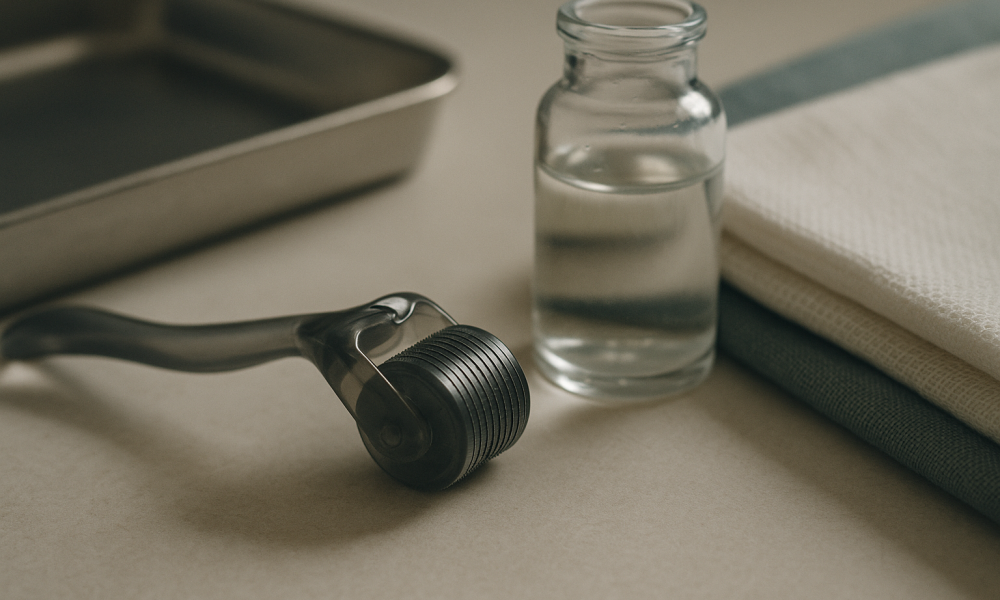
What Microneedling is and who it is for
Microneedling, also known as collagen induction therapy, is a minimally invasive cosmetic procedure designed to rejuvenate the skin. It involves using a device fitted with fine needles to create tiny punctures in the top layer of the skin. This process stimulates the body’s natural wound healing processes, resulting in increased collagen and elastin production, which are vital for maintaining skin elasticity and firmness. The procedure is commonly used to treat a variety of skin concerns, including fine lines, acne scars, enlarged pores, and uneven skin texture.
Microneedling is suitable for individuals of all skin types and tones, making it a versatile option for those looking to improve their skin’s appearance without undergoing more invasive procedures. It is particularly popular among patients who wish to achieve a fresher, more youthful look without the downtime associated with surgeries or laser treatments. The procedure is often completed in 30 to 60 minutes, depending on the area being treated, and is generally well-tolerated with minimal discomfort.
A topical anaesthetic is applied before the procedure to ensure patient comfort. Post-treatment, patients may experience mild redness and swelling similar to a sunburn, which typically subsides within a few days. The risk of side effects is low, but as with any procedure, it is essential to follow post-care instructions provided by your practitioner to minimise potential complications.
Turkey has become a popular destination for microneedling due to its combination of skilled practitioners, modern facilities, and competitive pricing. Patients from Australia and other parts of the world are attracted by the opportunity to receive high-quality care at a fraction of the cost they might incur at home. The indicative cost for microneedling in Turkey ranges from £150 to £400, depending on the number of sessions and the specific areas treated. This cost-effective option, combined with the country’s rich cultural experiences, makes Turkey an appealing choice for medical tourism.
Are you a good candidate?
Determining if you are a good candidate for microneedling involves considering several factors related to your skin type, medical history, and personal goals. Ideal candidates are those who wish to address mild to moderate skin concerns without undergoing more invasive procedures. It is crucial to have realistic expectations about what microneedling can achieve, as results can vary based on individual skin conditions and the number of sessions undertaken.
To help determine your suitability, consider the following checklist:
- Skin Concerns: You have concerns such as fine lines, acne scars, or uneven skin texture that you wish to improve.
- General Health: You are in good overall health without any active skin infections or conditions like eczema or psoriasis in the treatment area.
- Non-Smoker: Smoking can impair healing and affect the results. Non-smokers are ideal candidates.
- Realistic Expectations: You understand that while microneedling can improve skin appearance, it may not completely eliminate all imperfections.
- Commitment to Aftercare: You are willing to follow post-procedure care instructions to optimise results and minimise risks.
- Avoidance of Recent Treatments: You should not have had any recent skin treatments like chemical peels or laser therapy in the area to be treated.
- Age Considerations: While there is no strict age limit, most candidates are adults over 18 who wish to address early signs of ageing or acne scars.
If you meet these criteria, microneedling could be a viable option for you. However, a consultation with a qualified practitioner is essential to discuss your specific concerns and goals, ensuring that microneedling is the most appropriate treatment for your needs. During this consultation, the practitioner will evaluate your skin and provide guidance on the number of sessions required and any additional treatments that might enhance your results.
The procedure, step by step
Microneedling, also known as collagen induction therapy, is a minimally invasive cosmetic procedure that aims to rejuvenate the skin. It involves the use of fine needles to create hundreds of tiny, invisible puncture wounds in the top layer of the skin. This process stimulates the body’s natural wound healing processes, resulting in increased collagen and elastin production. Here is a detailed step-by-step guide of what to expect during a typical microneedling session in Turkey:
- Initial Consultation: Prior to the procedure, a comprehensive consultation with a certified dermatologist or aesthetician is essential. This session typically involves discussing your medical history, skin concerns, and desired outcomes. The practitioner will assess your skin type and condition to determine if microneedling is appropriate for you.
- Preparation: On the day of the procedure, the practitioner will cleanse your skin thoroughly to remove any dirt, oil, or makeup. This ensures that the microneedling device can penetrate the skin effectively and reduces the risk of infection.
- Application of Numbing Cream: To minimise discomfort during the procedure, a topical anaesthetic cream is applied to the treatment area. This typically takes 20-30 minutes to take effect, ensuring that the process is as comfortable as possible.
- Microneedling Process: The practitioner uses a specialised microneedling device, often a pen-like tool with a disposable tip containing tiny needles. The device is gently moved across the skin in a systematic manner, creating controlled micro-injuries. The depth of needle penetration can be adjusted depending on the area being treated and the specific skin concerns.
- Application of Serums: After the microneedling is completed, the skin’s absorption capacity is significantly increased. A variety of serums, such as hyaluronic acid or vitamin C, may be applied to enhance the procedure’s effectiveness and accelerate healing.
- Post-Procedure Care: The practitioner will provide you with detailed aftercare instructions. This may include advice on sun protection, the use of gentle skincare products, and what to avoid in the days following the treatment.
Microneedling sessions in Turkey typically last between 60 to 90 minutes, including the time required for numbing. The number of sessions needed will depend on individual skin concerns and treatment goals, with most patients requiring a series of 3 to 6 treatments spaced about 4 to 6 weeks apart for optimal results.
Recovery timeline
Understanding the recovery timeline for microneedling is crucial for prospective patients, as it helps set realistic expectations and ensures proper care is taken to achieve the best possible results. Here is a detailed timeline covering the recovery period from day 1 to full recovery:
| Period | What to expect | Care notes |
|---|---|---|
| Day 1 | The treated area may appear red and feel similar to a mild sunburn. Some patients experience minor swelling and pinpoint bleeding. | Keep the skin clean and avoid touching the face unnecessarily. Use a gentle cleanser and avoid any harsh skincare products. |
| Days 2-3 | Redness typically begins to subside, and the skin might feel slightly tight or dry. Mild peeling or flaking can occur as the skin starts to heal. | Moisturise regularly with a recommended post-procedure cream. Continue to avoid sun exposure and apply a high-SPF sunscreen if going outdoors. |
| Days 4-7 | Most of the redness should have faded, and the skin may appear brighter and more even in tone. Any residual dryness should improve. | Introduce gentle skincare products back into your routine, but avoid any exfoliants or active ingredients like retinoids until fully healed. |
| Week 2 | Skin continues to improve in texture and tone. Collagen production is ongoing, and improvements in skin firmness may become noticeable. | Maintain a regular skincare routine with hydrating and soothing products. Continue to protect the skin from sun exposure diligently. |
| Full Recovery (4-6 weeks) | The skin should feel fully healed, with visible improvements in texture, tone, and firmness. Optimal results are typically visible at this stage. | Consider scheduling follow-up treatments if advised by your practitioner. Consistent skincare and sun protection will help maintain results. |
The recovery experience can vary from person to person, depending on individual skin sensitivity and the depth of the microneedling treatment. Following the care notes provided by your practitioner is essential to ensuring a smooth recovery and achieving the best outcome from your microneedling treatment.
What it costs: Turkey vs Australia
When considering microneedling, cost is a significant factor, especially when comparing treatment options between countries. Turkey has become a popular destination for microneedling due to its competitive pricing and high-quality standards. Below, we provide a comparative table of typical price ranges for microneedling treatments in Turkey and Australia. These figures are indicative and can vary depending on the specific clinic, practitioner expertise, and treatment package inclusions.
| Country | Indicative Price Range (AUD) | Typical Package Inclusions |
|---|---|---|
| Turkey | $200 – $400 |
|
| Australia | $400 – $800 |
|
As illustrated, the cost of microneedling in Turkey is generally lower, often by half, compared to Australia. This difference in pricing can be attributed to several factors, including lower operational costs and favourable exchange rates. Furthermore, Turkish clinics often offer more comprehensive packages, which may include additional services such as post-treatment care kits and follow-up consultations, providing added value for international patients.
It is important to note that while cost savings are a significant advantage, patients should also consider the credentials of the clinic, the experience of the practitioners, and the overall quality of care. Prospective patients are encouraged to conduct thorough research and consult with multiple providers to ensure they receive the best possible treatment tailored to their specific needs.
Risks and how accredited providers manage them
Like any cosmetic procedure, microneedling carries certain risks that prospective patients should be aware of. However, when performed by accredited providers, these risks can be effectively managed. Common risks associated with microneedling include skin irritation, redness, and swelling, which are typically mild and resolve within a few days. In rare cases, patients may experience more severe side effects such as infection, scarring, or pigmentation changes.
Accredited providers in Turkey adhere to strict safety protocols to minimise these risks. This begins with a thorough pre-treatment consultation where the patient’s medical history, skin type, and treatment goals are evaluated. This assessment helps determine the suitability of microneedling for the patient and allows for the identification of any potential contraindications.
During the procedure, accredited practitioners use sterilised, single-use microneedling devices to prevent infection. The procedure is performed in a controlled, sterile environment to further reduce the risk of complications. Providers often incorporate topical anaesthetics to minimise discomfort and employ advanced techniques to ensure even and consistent treatment across the skin surface.
Post-treatment care is crucial in managing potential side effects. Accredited clinics typically provide patients with detailed aftercare instructions, which may include recommendations for gentle skincare products, sun protection, and avoiding certain activities that could irritate the skin. Follow-up consultations are also a standard part of the treatment package, allowing practitioners to monitor the healing process and address any concerns promptly.
Patients are advised to choose providers who have recognised accreditations and certifications, as this is a reliable indicator of adherence to high standards of care and safety. Additionally, reading reviews and testimonials from previous patients can provide insights into the quality of service and outcomes experienced by others.
In summary, while microneedling does involve certain risks, these are manageable when the procedure is conducted by qualified and accredited professionals. By selecting reputable providers and following recommended post-treatment care, patients can significantly enhance their chances of achieving optimal results while minimising potential complications.
How to choose the right provider
When considering microneedling treatment in Turkey, selecting the right provider is crucial to ensure a safe and effective procedure. One of the primary factors to consider is accreditation. Look for clinics that are accredited by internationally recognised bodies such as the Joint Commission International (JCI) or the International Organization for Standardization (ISO). These accreditations indicate that the clinic adheres to high standards of care and safety.
Equally important is the experience of the practitioner performing the microneedling. Ideally, the practitioner should be a board-certified dermatologist or a cosmetic surgeon with extensive experience in microneedling procedures. It’s beneficial to inquire about the number of procedures they have performed and their success rates. A skilled practitioner can minimise risks and enhance the outcome of the treatment.
Aftercare is another critical aspect to consider. A reputable clinic will offer comprehensive aftercare services, including detailed post-procedure instructions and follow-up consultations. This support can significantly impact your recovery process and the final results of your treatment. Be sure to ask about the aftercare protocol and how the clinic handles potential complications.
Be wary of red flags that may indicate a less reliable provider. These include lack of transparency about the qualifications of the medical staff, no clear information about the procedure and aftercare, and prices that seem unusually low compared to typical ranges. Indicatively, microneedling in Turkey might range from £100 to £300 per session, depending on the clinic’s location and the practitioner’s expertise. While affordability is a factor, overly cheap options may compromise quality and safety.
Take the time to research and compare multiple clinics. Reading patient reviews and testimonials can provide insights into the experiences of previous clients, though these should be considered alongside other factors. Ultimately, your choice should be based on a combination of accreditation, practitioner experience, aftercare quality, and overall trustworthiness of the clinic.
Planning your trip
Planning your trip for microneedling treatment in Turkey involves several key steps to ensure a smooth and stress-free experience. Start by establishing a timeline for your travel. It’s advisable to schedule your procedure at least two weeks in advance to allow ample time for preparation and any necessary pre-travel medical consultations. This timeline also helps in securing the best travel and accommodation deals.
Ensure you have all the necessary documents ready for your journey. This includes a valid passport, visa (if required), and any medical records or referrals from your home country that may be pertinent to your treatment. Additionally, verify the entry requirements for Turkey, as these can change and may include COVID-19 related documentation.
The typical length of stay for microneedling is relatively short. You may only need to stay in Turkey for 3 to 5 days, including a day for the procedure and a couple of days for initial recovery and follow-up consultation. However, the exact duration can vary based on your specific treatment plan and recovery needs.
Consider your accommodation options carefully. Many clinics offer packages that include hotel stays, which can be convenient and cost-effective. Ensure your accommodation is comfortable and located close to the clinic to minimise travel stress post-procedure.
Follow-up care is an essential part of your treatment plan. Discuss with your provider how follow-up will be handled once you return to Australia. Some clinics offer virtual consultations to monitor your recovery and address any concerns. Additionally, ensure you understand the aftercare instructions provided by your practitioner and have access to local healthcare professionals in Australia should you need further assistance.
Lastly, factor in some time for rest and leisure. While microneedling is minimally invasive, allowing some downtime post-procedure can aid in recovery and optimise results. Enjoy Turkey’s cultural sights and cuisine, but avoid strenuous activities that could impact your healing process. With careful planning, your trip can be both a health-focused and culturally enriching experience.
Frequently Asked Questions
Is microneedling in Turkey safe?
Microneedling in Turkey is generally considered safe when performed by qualified professionals in accredited clinics. It's crucial to select a provider with international accreditation, such as JCI or ISO, and ensure the practitioner is experienced in microneedling procedures. Always follow pre- and post-procedure instructions to minimise risks. While no medical procedure is without risk, doing thorough research can help ensure a safe experience.
How much does microneedling typically cost in Turkey?
The cost of microneedling in Turkey typically ranges from £100 to £300 per session. Prices can vary based on factors such as the clinic's location, the practitioner's experience, and the specific technology used. While Turkey is known for offering competitive prices compared to other countries, it's important to avoid choosing a provider solely based on cost, as quality and safety should be your primary concerns.
What should I look for in a microneedling provider?
When choosing a microneedling provider, look for international accreditation like JCI or ISO, which indicates high standards of care. Ensure the practitioner is a certified dermatologist or cosmetic surgeon with substantial experience in microneedling. Check that the clinic offers comprehensive aftercare and transparent information about the procedure. Patient reviews and testimonials can also provide valuable insights into the clinic's reputation.
How soon can I travel after microneedling?
Most patients can travel within a day or two after their microneedling procedure, as it is minimally invasive with a short recovery period. However, it's advisable to stay in Turkey for a few days post-procedure to attend follow-up consultations and ensure there are no immediate complications. Consult your practitioner for personalised advice on travel post-treatment.
What documents do I need for my trip to Turkey?
For your trip to Turkey, ensure you have a valid passport, and check if you need a visa based on your nationality. Additionally, bring any relevant medical records or referrals. Stay informed about current entry requirements, which may include COVID-19 related documentation. It's also wise to have travel insurance that covers medical procedures abroad.
How long should I stay in Turkey for microneedling?
A typical stay in Turkey for microneedling might last 3 to 5 days. This includes time for the procedure, initial recovery, and follow-up consultations. The exact length of stay can vary depending on your personal treatment plan and recovery needs. Always discuss and confirm the recommended duration with your clinic before making travel arrangements.
What is the aftercare for microneedling like?
Aftercare for microneedling involves following specific instructions provided by your practitioner to ensure optimal healing and results. This may include avoiding sun exposure, using gentle skincare products, and staying hydrated. Follow-up consultations, either in person or virtually, are crucial to monitor your recovery. Ensure you understand and can access these resources before leaving Turkey.
Can I combine my microneedling treatment with a holiday in Turkey?
Yes, many patients combine their microneedling treatment with a holiday in Turkey. However, it's essential to plan your activities carefully. Allow sufficient time for recovery and avoid strenuous activities that could interfere with the healing process. Enjoy local culture and cuisine, but prioritise rest and follow all aftercare instructions provided by your clinic.
Is follow-up care available once I return to Australia?
Many clinics in Turkey offer follow-up care through virtual consultations once you return to Australia. It's important to discuss how follow-up will be managed before your treatment. Ensure you have access to local healthcare professionals in Australia for any additional care or concerns that may arise during your recovery process.
How do I verify the qualifications of a microneedling practitioner?
To verify a practitioner's qualifications, you can request information about their certification and experience. Look for practitioners who are board-certified dermatologists or cosmetic surgeons with a proven track record in microneedling. You can also check for accreditation of the clinic by reputable organisations such as JCI or ISO, which ensure adherence to high medical standards.
What are the potential side effects of microneedling?
Microneedling is generally well-tolerated, but potential side effects can include redness, swelling, and mild discomfort at the treatment site. These effects typically subside within a few days. In rare cases, there may be a risk of infection or scarring. Following all aftercare instructions and choosing an experienced practitioner can minimise these risks. Discuss any concerns with your provider before the procedure.
How can I find patient reviews for clinics in Turkey?
Patient reviews can often be found on the clinic's website, medical tourism forums, or independent review sites. While reviews can provide valuable insights, it's important to consider them alongside other factors like accreditation and practitioner experience. Some clinics may also offer to connect you with past patients for direct testimonials. Use multiple sources to form a balanced view of the clinic's reputation.