
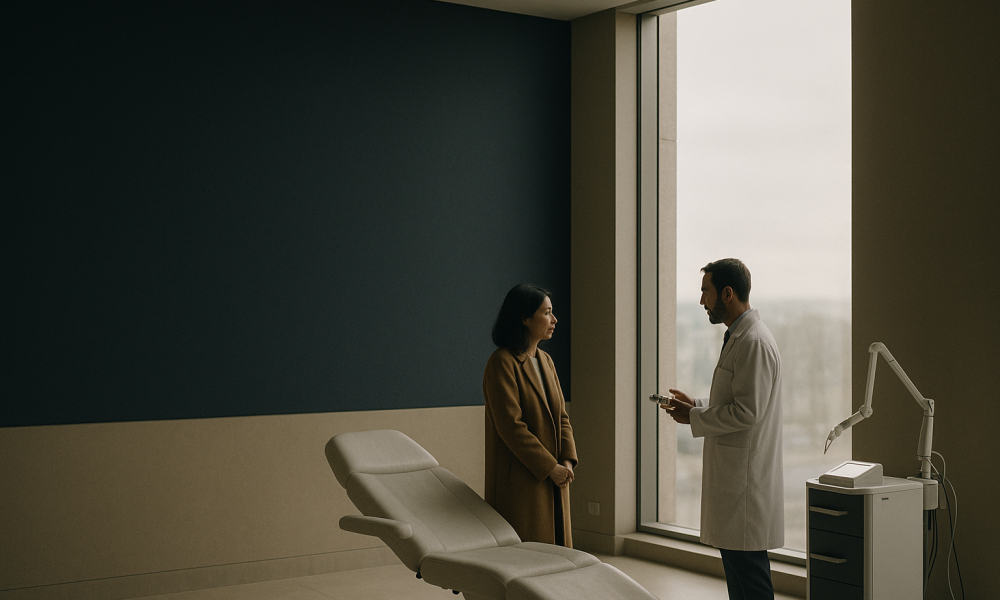
What Microneedling is and who it is for
Microneedling is a minimally invasive cosmetic procedure designed to enhance skin appearance and texture. It involves the use of a device equipped with fine needles that create tiny punctures in the skin. These micro-injuries stimulate the body’s natural healing process, leading to increased collagen and elastin production. Collagen is a protein that provides structure to the skin, while elastin helps maintain its elasticity. This process can result in smoother, firmer, and more youthful-looking skin.
Microneedling is commonly used to address various skin concerns, including fine lines, wrinkles, acne scars, enlarged pores, and uneven skin tone. The procedure is generally performed on the face, but it can also be applied to other areas of the body, such as the neck, décolletage, and hands, where skin rejuvenation is desired.
The treatment is well-regarded for its ability to improve skin texture and tone with minimal downtime. Unlike more invasive procedures, microneedling requires no incisions or sutures, which makes it an attractive option for individuals seeking a less intensive solution. Typically, a session lasts between 30 to 60 minutes, depending on the area being treated.
In Turkey, microneedling has gained popularity due to the high standards of care and the availability of experienced practitioners. Patients often choose Turkey for its combination of quality service and cost-effectiveness. A single session typically costs between £100 and £300, although this can vary based on the specific clinic and the number of sessions required to achieve desired results.
While microneedling is suitable for many skin types and tones, it is important to note that results can vary from person to person. Factors such as age, skin condition, and individual healing response can influence the outcome. Therefore, setting realistic expectations and understanding the potential for multiple sessions to achieve optimal results is crucial.
Are you a good candidate?
Determining whether you are a good candidate for microneedling involves assessing your skin type, concerns, and overall health. The procedure is versatile and can benefit a wide range of individuals, but certain criteria should be met to ensure safety and efficacy.
- Skin Concerns: Ideal candidates are those looking to address specific skin issues such as mild to moderate acne scars, fine lines, and uneven skin texture. If you have severe skin conditions or active infections, microneedling might not be suitable.
- Skin Type: Microneedling is generally effective for all skin types, including darker skin tones that may be prone to hyperpigmentation with other treatments.
- Health Status: Candidates should be in good general health with no significant underlying conditions that could impair healing. It is crucial to disclose any medical history, including autoimmune diseases or any history of keloid scarring, to your practitioner.
- Realistic Expectations: Understanding that microneedling is not a one-time fix but rather a process that may require multiple sessions is important. Most individuals notice visible improvements within 2 to 4 weeks after treatment, with full results developing over several months.
- Age: While there is no strict age limit, candidates are usually adults looking to rejuvenate their skin. Younger individuals may also benefit if they have specific concerns like acne scars.
If you meet these criteria, microneedling could be a suitable option to help achieve your skin rejuvenation goals. A consultation with a qualified practitioner in Turkey will provide a more personalised assessment and treatment plan.
The procedure, step by step
Microneedling is a minimally invasive cosmetic procedure designed to improve the appearance of the skin. It involves the use of a device equipped with fine needles that create tiny punctures in the top layer of the skin. This process stimulates the body’s natural wound healing processes, which can help to rejuvenate the skin. Below is a detailed step-by-step guide to a typical microneedling procedure:
- Consultation and Assessment: Before the procedure, a thorough consultation with a qualified dermatologist or aesthetician is crucial. During this session, your skin type and concerns will be assessed to determine if microneedling is suitable for you. A personalised treatment plan will be discussed, covering the number of sessions likely required and expected outcomes.
- Preparation: On the day of the procedure, the skin is cleansed thoroughly to remove any makeup, oils, and impurities. A topical anaesthetic cream is applied to the treatment area about 30 to 60 minutes prior to the procedure to minimise discomfort.
- Microneedling Process: The actual microneedling process takes about 20 to 30 minutes. The practitioner uses a microneedling device, which can be a pen-like instrument or a roller, to create controlled micro-injuries on the skin’s surface. The depth of needle penetration is adjusted according to the area being treated and the specific skin concerns. The device is moved across the skin in a systematic manner to ensure even coverage.
- Application of Topical Serums: Immediately following the microneedling, the skin is more receptive to topical treatments. Serums containing hyaluronic acid, peptides, or growth factors are commonly applied to enhance the procedure’s effects, promoting hydration and healing.
- Post-Procedure Care: After the treatment, the skin may be slightly red and sensitive, similar to a mild sunburn. A soothing serum or a calming mask may be applied to reduce any discomfort. Patients are advised to avoid applying makeup or other skincare products for at least 24 hours.
- Follow-Up and Maintenance: Depending on the specific skin condition and desired results, multiple sessions might be recommended. Typically, a series of 3 to 6 treatments spaced 4 to 6 weeks apart is suggested for optimal results. Regular follow-up appointments help in assessing progress and adjusting treatment plans as necessary.
Recovery timeline
Recovery from microneedling is generally swift, but it is important for patients to follow post-procedure care guidelines to ensure optimal healing and results. Below is a detailed timeline covering the recovery process from day 1 to full recovery:
| Period | What to expect | Care notes |
|---|---|---|
| Day 1 | Immediately post-procedure, the skin will appear red and may feel warm and tight, similar to a mild sunburn. Some pinpoint bleeding or minor swelling can occur. | Avoid touching the face unnecessarily. Use a gentle cleanser and cool water to clean the skin. Refrain from applying makeup. |
| Days 2-3 | Redness will start to subside, but the skin may still appear pinkish. Some patients experience mild swelling and peeling. | Continue to cleanse the skin gently. Apply a hydrating serum or moisturiser recommended by your practitioner. Avoid sun exposure and use a broad-spectrum SPF if necessary. |
| Days 4-7 | The skin tone should begin to normalise. Peeling may continue, revealing fresher skin underneath. | Maintain hydration with appropriate serums. Avoid exfoliating products or treatments. Protect the skin from UV exposure. |
| Weeks 2-4 | The skin should be fully healed, and improvements in texture and tone may be noticeable. Collagen production continues to improve skin quality over time. | Resume normal skincare routine with gentle products. Continue using sun protection. Consider scheduling follow-up treatments if advised. |
It’s important to note that individual recovery times can vary based on personal skin characteristics and the specifics of the procedure. Adhering to the care instructions provided by your healthcare provider is key to achieving the best possible results.
What it costs: Turkey vs Canada
When considering microneedling treatments abroad, cost is a significant factor for many patients. Turkey has become an attractive destination for this procedure, not only due to the expertise available but also because of the cost-effectiveness compared to countries like Canada. However, it’s important to understand that the figures provided are indicative and can vary based on the specifics of the treatment plan and the provider.
In Canada, the typical cost for a single session of microneedling can range from CAD 300 to CAD 700. This cost can increase depending on the clinic’s location, the practitioner’s expertise, and additional services such as anaesthetics or post-treatment care.
In Turkey, the cost for a similar microneedling session generally ranges from CAD 150 to CAD 400. The lower cost does not imply a compromise in quality but is often attributed to the lower operational costs in Turkey, including labour and infrastructure expenses.
Many clinics in Turkey offer comprehensive packages that often include more than just the microneedling procedure itself. These packages typically encompass:
- Initial consultation and skin assessment
- The microneedling procedure
- Post-treatment follow-up and care
- Accommodation and transport arrangements, if required
- Multilingual support services
In contrast, Canadian clinics may charge separately for consultations, follow-up care, and any additional services, which can add to the overall cost.
| Item | Canada (CAD) | Turkey (CAD) |
|---|---|---|
| Single Session | 300 – 700 | 150 – 400 |
| Consultation | 50 – 150 | Included |
| Follow-up Care | 100 – 200 | Included |
| Accommodation & Transport | Not typically included | Optional, often included in packages |
It’s crucial to verify what is included in the quoted price when discussing treatment plans with clinics in both countries. The indicative cost ranges provided here serve as a guideline, and prospective patients should conduct thorough research and consult directly with clinics for precise estimates tailored to their specific needs.
Risks and how accredited providers manage them
Microneedling, while minimally invasive, does carry certain risks, as with any cosmetic procedure. Understanding these risks and how they are managed, especially when considering treatment abroad, is crucial for prospective patients from Canada.
Some of the common risks associated with microneedling include:
- Skin irritation: Redness and swelling are common immediately after the procedure. These symptoms typically subside within a few days but can persist longer for some patients.
- Infection: Although rare, there is a risk of infection if the equipment is not properly sterilised or if post-care instructions are not followed diligently.
- Allergic reactions: Some patients may experience allergic reactions to the serums or topical solutions used during the procedure.
- Scarring: Improper technique or aggressive treatment can lead to scarring, although this is uncommon with experienced practitioners.
Accredited providers in Turkey manage these risks through several measures:
- Thorough Consultation: Clinics typically conduct a detailed initial consultation to assess the skin type, discuss medical history, and outline potential risks and benefits.
- Use of Sterile Equipment: To minimise infection risks, reputable clinics use sterile, single-use needles for each session, ensuring the highest hygiene standards.
- Trained Professionals: Only certified dermatologists or trained aestheticians perform the procedure, ensuring expert handling and application.
- Post-treatment Care: Clinics provide detailed aftercare instructions and often include follow-up appointments to monitor recovery and manage any complications early.
- Accreditation and Standards: Many clinics in Turkey are accredited by international healthcare bodies, which require adherence to strict safety and quality standards.
Patients are encouraged to verify the accreditation of the clinics they are considering and to inquire about the specific protocols in place for managing risks. This due diligence helps ensure a safe and satisfactory microneedling experience abroad.
While no medical procedure can be entirely free of risk, the steps taken by accredited providers in Turkey aim to minimise these risks significantly, providing a safe environment for international patients seeking microneedling treatments.
How to choose the right provider
Choosing the right provider for microneedling in Turkey is crucial to ensure a safe and effective treatment experience. First, verify the accreditation of the clinic or facility. Look for certifications from international healthcare accreditation bodies such as the Joint Commission International (JCI) or the European Foundation for Quality Management (EFQM). These accreditations indicate adherence to high standards of care and safety.
Next, consider the experience and qualifications of the surgeon or dermatologist who will perform the procedure. The professional should have a proven track record in dermatological treatments, particularly in microneedling. It is advisable to inquire about their training, years of experience, and the number of procedures they have successfully completed. An experienced practitioner is likely to handle the procedure more efficiently, reducing the risk of complications.
Aftercare is another critical aspect. A reputable provider will offer a comprehensive aftercare plan that includes follow-up consultations and guidance on post-procedure skin care. This plan should cover immediate post-procedure care, such as avoiding sun exposure and using recommended skincare products to aid recovery.
Be vigilant about red flags when choosing a provider. Beware of clinics that offer significantly lower prices than the typical range of GBP 100 to GBP 300 per session, as this might indicate compromised quality or safety standards. Also, avoid clinics that do not provide clear information about the procedure, risks, and expected outcomes. Transparency is key in establishing trust and ensuring that you are making an informed decision.
Additionally, read reviews and testimonials from previous patients. These can provide insights into the overall patient experience and the quality of care provided. However, be cautious of overly positive or negative reviews, and seek balanced feedback where possible.
Finally, ensure that the clinic has a robust system for handling emergencies, including access to medical facilities and protocols for managing complications. This is an essential safety net that should not be overlooked.
Planning your trip
Planning your trip to Turkey for microneedling involves several key steps to ensure a smooth experience. Start by establishing a timeline for your travel. Ideally, you should schedule your procedure at least 6 to 8 weeks in advance. This allows ample time for research, consultations, and travel arrangements.
Gather the necessary documents for travel, including a valid passport and any required visas. Canadian citizens do not need a visa for short stays in Turkey, but it is wise to check the latest travel advisories and entry requirements. Additionally, prepare medical documents such as any relevant medical history or records that might be needed for your initial consultation.
Consider the length of stay in Turkey. While microneedling is typically an outpatient procedure, it is advisable to plan for a stay of at least 3 to 5 days. This provides time for initial recovery and follow-up consultations. Remember that your skin may be sensitive and slightly swollen immediately after the procedure, so it is beneficial to have a few days to rest before returning to your regular activities.
Plan for follow-up care once you return to Canada. Discuss this with your provider before leaving Turkey to understand what aftercare will be necessary and whether remote consultations are available. It might also be useful to arrange a follow-up appointment with a local dermatologist to ensure continued care and monitoring of your skin’s progress.
In terms of costs, budget for the procedure itself, which typically ranges from GBP 100 to GBP 300 per session, and additional expenses such as flights, accommodation, and local transportation. Having a clear budget can help prevent unexpected financial strain.
Finally, familiarize yourself with the local customs and healthcare practices in Turkey to enhance your overall experience. Understanding cultural nuances can contribute to a more comfortable and rewarding trip.
Frequently Asked Questions
What is the typical cost of microneedling in Turkey?
The cost of microneedling in Turkey typically ranges from GBP 100 to GBP 300 per session. This can vary depending on the clinic, the experience of the practitioner, and the specific requirements of your treatment plan. It is important to confirm the total cost, including any additional fees for consultations or follow-up care, before proceeding.
How safe is microneedling?
Microneedling is generally considered a safe procedure when performed by a qualified and experienced professional. However, like any medical procedure, it carries some risks, including infection, scarring, or adverse skin reactions. To minimise these risks, ensure that the clinic follows stringent hygiene practices and that you adhere to all pre- and post-procedure care instructions provided by your practitioner.
How long should I stay in Turkey for microneedling?
For microneedling, it is advisable to plan for a stay of at least 3 to 5 days in Turkey. This allows adequate time for the initial procedure, recovery, and any necessary follow-up consultations. Planning your stay can help ensure you receive optimal care and have time to rest before traveling back home.
What should I consider when choosing a clinic in Turkey?
When selecting a clinic in Turkey for microneedling, consider factors such as accreditation by reputable healthcare bodies, the experience and qualifications of the practitioner, aftercare services, and patient reviews. Avoid clinics offering prices significantly lower than the typical range, as this may indicate compromised quality or safety standards.
Do I need a visa to travel from Canada to Turkey?
Canadian citizens do not require a visa for short stays in Turkey for tourism or medical purposes, typically up to 90 days within a 180-day period. However, it is important to check the latest travel advisories and entry requirements before your trip to ensure compliance with all regulations.
What are the expected results of microneedling?
Microneedling aims to improve skin texture, reduce the appearance of scars, and enhance overall skin tone. Results can vary based on individual skin types and conditions. While many patients notice improvements after a few sessions, it is important to have realistic expectations and understand that multiple sessions may be needed for optimal results.
How do I prepare for the procedure?
Preparation for microneedling involves avoiding sun exposure and certain skincare products, such as retinoids, for at least a week prior to the procedure. It is also advisable to discuss any medications you are taking with your practitioner, as some may need to be paused temporarily. Follow any specific instructions provided by your clinic to ensure the best results.
What is the recovery time after microneedling?
Recovery time after microneedling is generally short, with most patients experiencing redness and mild swelling for 1 to 3 days. It is important to follow post-procedure care instructions, such as avoiding sun exposure and using gentle skincare products, to facilitate healing and enhance results. Full recovery typically occurs within a week.
Can I combine microneedling with other treatments?
Microneedling can be combined with other cosmetic treatments, such as platelet-rich plasma (PRP) therapy, for enhanced results. However, it is essential to consult with your practitioner to determine the best combination for your specific skin concerns and to ensure compatibility and safety of the treatments.
What should I do if I experience complications?
If you experience any complications following microneedling, such as excessive redness, swelling, or signs of infection, contact your practitioner immediately. They will provide guidance on the appropriate steps to take. It is also advisable to have contact details for a local healthcare provider in case you need urgent care after returning home.
Are there any specific aftercare instructions I should follow?
After microneedling, it is important to follow specific aftercare instructions to promote healing and achieve the best results. These typically include avoiding sun exposure, refraining from using harsh skincare products, and keeping the skin moisturised. Your practitioner will provide detailed guidance tailored to your skin’s needs.
What factors affect the cost of microneedling?
The cost of microneedling can be influenced by several factors, including the clinic's location, the practitioner's experience, the complexity of the treatment, and any additional services such as follow-up consultations. It is crucial to clarify all potential fees upfront to ensure there are no unexpected costs during your treatment journey.