
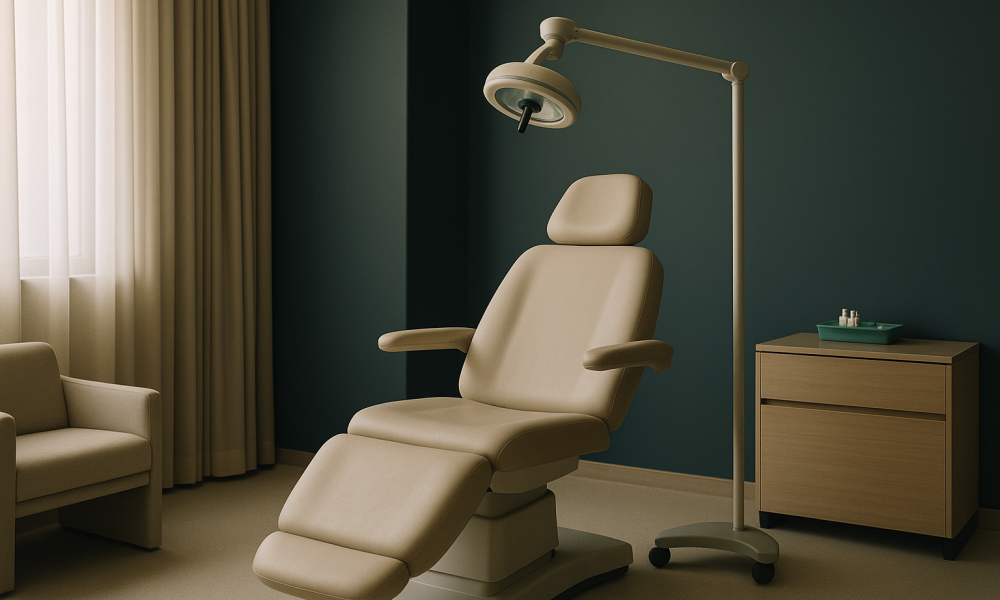
What Non-Surgical Rhinoplasty is and who it is for
Non-surgical rhinoplasty, often referred to as a ‘liquid nose job’, is a minimally invasive procedure designed to alter the shape of the nose using injectable fillers. This technique is particularly appealing to individuals seeking minor adjustments rather than dramatic changes. The procedure typically involves the use of hyaluronic acid-based dermal fillers, which are strategically injected to smooth out bumps, enhance the nasal bridge, or correct asymmetries. Non-surgical rhinoplasty is ideal for patients looking for temporary results, as the effects generally last between 6 to 18 months, depending on the type of filler used and the individual’s metabolism.
In Turkey, non-surgical rhinoplasty has gained popularity due to the country’s well-regarded aesthetic clinics and highly trained practitioners. Patients from the United States often find the cost savings substantial, with prices typically ranging from $300 to $800. This affordability, combined with the opportunity to experience Turkey’s rich culture and hospitality, makes it an attractive option for medical tourists.
The procedure itself is relatively quick, taking approximately 15 to 45 minutes, and is performed in an outpatient setting. A topical anaesthetic is applied to minimise discomfort, making the experience virtually painless for most patients. The absence of an extensive recovery period is a significant advantage, allowing individuals to resume normal activities almost immediately. While some minor swelling or redness may occur, these side effects are usually temporary and subside within a day or two.
Non-surgical rhinoplasty is suitable for those who wish to avoid the risks and downtime associated with traditional rhinoplasty surgery. It is important to note, however, that non-surgical rhinoplasty cannot reduce the size of the nose or correct functional issues such as breathing difficulties. Instead, it offers a subtle enhancement, making it ideal for patients who are generally satisfied with the overall size of their nose but desire improvements in contour or symmetry.
Are you a good candidate?
Determining whether you are a good candidate for non-surgical rhinoplasty involves several considerations. This procedure is best suited for individuals who are in good overall health and have realistic expectations about the outcomes. Here are some key factors that might make you a suitable candidate:
- Desire for minor cosmetic changes: Ideal candidates are those looking for subtle improvements rather than major alterations to their nasal structure.
- No need for functional correction: If your primary concern is cosmetic rather than functional, non-surgical rhinoplasty can be a suitable option. It cannot address issues like a deviated septum or breathing obstructions.
- Good skin elasticity: Patients with healthy skin elasticity often achieve better results, as the skin can accommodate the filler more naturally.
- Non-smoker: Non-smokers generally experience better healing and outcomes from cosmetic procedures.
- Realistic expectations: Understanding that this is a temporary solution, with results lasting up to 18 months, is crucial.
- Absence of severe allergies: Individuals without a history of severe allergic reactions to injectable fillers are preferred candidates.
If you meet these criteria, non-surgical rhinoplasty in Turkey could be a viable option for you. It is advisable to consult with a qualified practitioner to discuss your specific needs and expectations. A thorough consultation will help ensure that your goals align with what the procedure can realistically achieve.
In summary, while non-surgical rhinoplasty offers a convenient and less invasive alternative to traditional surgery, careful consideration of your personal circumstances and aesthetic goals is essential. If you are considering this procedure, ensure that you fully understand the potential benefits and limitations, and engage in open dialogue with your chosen healthcare provider.
The procedure, step by step
Non-surgical rhinoplasty, often referred to as a liquid nose job, is a minimally invasive procedure that uses injectable fillers to alter and shape a person’s nose without surgery. Below is a step-by-step guide to help you understand what to expect during the procedure:
- Consultation: The process begins with an in-depth consultation with a qualified practitioner. During this session, you will discuss your aesthetic goals, medical history, and any concerns you may have. The practitioner will assess your nasal structure and skin type to determine the most suitable filler and approach.
- Preparation: Once a treatment plan is agreed upon, the practitioner will clean the nasal area thoroughly to prevent infection. A topical anaesthetic or ice may be applied to numb the area and minimise discomfort during the procedure.
- Marking: The practitioner may use a marker to outline the areas of the nose that will be treated. This ensures precision in the application of the fillers and helps achieve the desired results.
- Injection: Using a fine needle or cannula, the practitioner will inject the dermal filler into specific areas of the nose. Commonly used fillers include hyaluronic acid-based products, which are preferred for their safety profile and reversibility. The practitioner will gently mould the filler to achieve the desired shape, which may involve correcting asymmetry, lifting the nasal tip, or smoothing out bumps.
- Assessment: After the filler is applied, the practitioner will assess the results and make any necessary adjustments. This step may involve adding more filler or further sculpting to ensure the outcome meets your expectations.
- Aftercare Instructions: Once the procedure is complete, the practitioner will provide you with aftercare instructions. These typically include avoiding pressure on the nose, refraining from strenuous exercise for a few days, and using cold compresses to reduce swelling.
Overall, the procedure usually takes between 15 to 45 minutes, depending on the complexity and the amount of filler used. It’s important to note that while the results are immediate, some minor swelling or bruising may temporarily affect the appearance.
Recovery timeline
Recovery from a non-surgical rhinoplasty is generally quick and straightforward, allowing most patients to resume normal activities shortly after the procedure. Here’s a detailed recovery timeline to guide you through the process:
| Period | What to expect | Care notes |
|---|---|---|
| Day 1 | Minor swelling and redness around the injection sites are common. Some patients may experience slight bruising. | Avoid touching or applying pressure to the nose. Use a cold compress to reduce swelling. |
| Days 2-3 | Swelling and redness should begin to subside. Bruising, if present, may still be visible but should start fading. | Continue to avoid strenuous activities. You may apply light makeup if necessary to cover any bruising. |
| Week 1 | Most swelling and bruising should be significantly reduced. The final shape of the nose will begin to be more apparent. | Follow up with your practitioner if you have any concerns. Continue to avoid any trauma to the nose. |
| Weeks 2-4 | The nose should look more defined as the filler settles. Any residual swelling should have resolved. | Resume normal activities but continue to protect the nose from any potential impacts. |
| Full Recovery (1 month) | The results will be fully settled, and you can enjoy the final appearance of your nose. | Schedule a follow-up appointment with your practitioner to assess the results and discuss any further treatments if needed. |
It is important to adhere to the care instructions provided by your practitioner to ensure optimal results and minimise potential complications. Keep in mind that while non-surgical rhinoplasty offers immediate aesthetic improvements, the effects are not permanent and may last between 6 to 18 months, depending on the type of filler used and individual factors.
5. What it costs: Turkey vs the United States
Non-surgical rhinoplasty, often referred to as a ‘liquid nose job’, is a popular cosmetic procedure that involves the use of injectable fillers to alter the shape of the nose. The cost of this procedure can vary significantly depending on the geographical location, the experience of the practitioner, and the specific materials used. Here, we compare the typical costs of non-surgical rhinoplasty in Turkey and the United States, providing an overview of what patients can generally expect to pay.
| Country | Indicative Price Range (USD) | Typical Package Inclusions |
|---|---|---|
| Turkey | $350 – $800 | Consultation, procedure, follow-up visit, basic aftercare |
| United States | $800 – $2,500 | Consultation, procedure |
In Turkey, the lower cost of living and the high volume of medical tourism contribute to more competitive pricing for cosmetic procedures, including non-surgical rhinoplasty. Turkish clinics often offer comprehensive packages that include not only the procedure itself but also pre-procedure consultations, follow-up visits, and basic aftercare. These packages are designed to offer excellent value for money while ensuring a high standard of care.
In contrast, in the United States, costs are generally higher due to a variety of factors including higher clinic overheads, insurance requirements, and the cost of living. The typical package in the US may not include follow-up visits or aftercare, which can lead to additional expenses for the patient.
It is important to note that these figures are indicative and actual costs can vary based on the specific needs of the patient, the clinic’s location, and the expertise of the practitioner. Patients are advised to obtain detailed quotes from multiple providers and inquire about what is included in the price to ensure they are making a well-informed decision.
6. Risks and how accredited providers manage them
While non-surgical rhinoplasty is generally considered a safe procedure, it is not without risks. Understanding these risks and how they are managed by accredited providers in Turkey is crucial for any potential patient considering this treatment abroad.
Some of the common risks associated with non-surgical rhinoplasty include swelling, bruising, and redness at the injection site. These are typically mild and resolve within a few days. However, there are more serious risks, such as infection, asymmetry, migration of the filler, and in rare cases, vascular complications that could lead to tissue necrosis or blindness. Accredited providers in Turkey take several steps to minimise these risks and ensure patient safety.
- Qualified Practitioners: Only certified and experienced practitioners perform non-surgical rhinoplasties. They have undergone extensive training in facial anatomy and injection techniques.
- High-Quality Products: Accredited clinics use FDA-approved fillers that are known for their safety and efficacy. They ensure that all products are stored and handled according to strict guidelines to prevent contamination.
- Comprehensive Consultations: Before the procedure, practitioners conduct thorough consultations to discuss the patient’s medical history, expectations, and potential risks. This helps in tailoring the treatment plan to the individual needs of the patient.
- Hygienic Environment: Clinics maintain high standards of hygiene and sterility in the treatment rooms to reduce the risk of infection.
- Immediate Aftercare: After the procedure, patients receive detailed aftercare instructions and are monitored for any immediate adverse reactions. Follow-up appointments are often included to ensure the patient is healing properly.
Accredited providers in Turkey are committed to patient safety and satisfaction. They adhere to international standards and continuously update their practices based on the latest medical research. Patients should ensure that they choose clinics that are accredited by recognised international bodies and have a track record of successful outcomes.
Ultimately, while the risks of non-surgical rhinoplasty are relatively low, being informed and choosing a reputable provider can significantly mitigate these risks and lead to a satisfactory outcome.
How to choose the right provider
When considering non-surgical rhinoplasty in Turkey, selecting the right provider is crucial to ensure a safe and satisfactory outcome. Here are key factors to consider:
- Accreditation: Ensure the clinic is accredited by a recognised international body, such as the Joint Commission International (JCI) or the European Foundation for Quality Management (EFQM). Accreditation indicates that the clinic adheres to international standards of medical care and patient safety.
- Surgeon Experience: Look for practitioners who specialise in non-surgical rhinoplasty and have extensive experience in the procedure. Check their professional background, qualifications, and the number of procedures they have successfully performed. Experienced practitioners are more likely to achieve natural and aesthetically pleasing results.
- Aftercare: Comprehensive aftercare is essential for monitoring recovery and addressing any complications. Choose a provider that offers thorough aftercare services, including follow-up appointments and access to medical advice post-procedure. Clarify the aftercare process before committing to a clinic.
- Red Flags: Be wary of providers who offer significantly lower prices compared to the market average, as this might indicate compromised quality. Additionally, avoid clinics that guarantee specific results, as outcomes can vary based on individual factors. Ensure all your questions are answered transparently before making a decision.
By carefully evaluating these aspects, you can increase the likelihood of a positive experience and satisfactory results from your non-surgical rhinoplasty in Turkey.
Planning your trip
Planning your trip for a non-surgical rhinoplasty in Turkey involves several key steps to ensure a smooth and stress-free experience:
- Timeline Before Travel: Begin planning at least two months in advance. This allows ample time to research clinics, book appointments, and arrange travel documents. It also provides a buffer for any unexpected changes.
- Documents: Ensure your passport is valid for at least six months beyond your planned stay. Check if a visa is required for your nationality; many visitors from the United States can obtain an e-Visa online. Additionally, gather all medical records pertinent to your procedure, including any previous nasal treatments or allergies.
- Length of Stay: Plan for a stay of at least 3-5 days in Turkey. While the procedure itself is quick, usually taking less than an hour, staying a few days allows for initial recovery and any necessary follow-up consultations. This period is crucial for assessing immediate results and ensuring no adverse reactions occur.
- Follow-up at Home: Before travelling, arrange for a follow-up appointment with a local specialist in the U.S. who can monitor your recovery and address any concerns. This is vital for long-term satisfaction and health post-procedure.
By preparing thoroughly, you can focus on achieving the best possible outcome from your non-surgical rhinoplasty in Turkey.
Frequently Asked Questions
How much does non-surgical rhinoplasty cost in Turkey?
The cost of non-surgical rhinoplasty in Turkey typically ranges from £300 to £600. This price can vary based on the clinic's location, the practitioner's expertise, and the type of fillers used. Always ensure that the price includes consultation, the procedure itself, and any necessary aftercare.
Is non-surgical rhinoplasty safe?
Non-surgical rhinoplasty is generally considered safe when performed by an experienced and qualified practitioner. The procedure involves minimal risks compared to surgical rhinoplasty. However, potential side effects can include swelling, bruising, or asymmetry. Choosing a certified and experienced provider can significantly reduce these risks.
What type of fillers are used in non-surgical rhinoplasty?
Commonly used fillers for non-surgical rhinoplasty include hyaluronic acid-based fillers like Juvederm or Restylane. These fillers are preferred due to their safety profile, reversibility, and natural-looking results. Always verify that the clinic uses FDA-approved products.
How long do the results of non-surgical rhinoplasty last?
The results of non-surgical rhinoplasty typically last between 9 to 18 months, depending on the type of filler used and individual factors such as metabolism and lifestyle. Regular touch-ups can help maintain the desired appearance over time.
Can non-surgical rhinoplasty correct a deviated septum?
Non-surgical rhinoplasty cannot correct a deviated septum as it does not alter the internal nasal structures. It is primarily a cosmetic procedure aimed at improving the external appearance of the nose.
What should I expect during the procedure?
During non-surgical rhinoplasty, the practitioner will apply a numbing cream to the nose area to minimise discomfort. The filler is then injected into specific areas to reshape and contour the nose. The procedure usually takes 30-45 minutes, with immediate results and minimal downtime.
How do I prepare for non-surgical rhinoplasty?
Preparation involves avoiding blood-thinning medications and supplements like aspirin or vitamin E a week before the procedure to reduce the risk of bruising. Discuss your medical history and any allergies with the practitioner to ensure the treatment is suitable for you.
Will I experience pain during or after the procedure?
Most patients experience minimal pain as a numbing agent is used during the procedure. Some discomfort or tenderness may occur post-treatment, but this typically subsides within a few days. Over-the-counter pain relief can help manage any discomfort.
Are there any side effects I should be aware of?
Common side effects include mild swelling, bruising, and redness at the injection site. These usually resolve within a few days. Rarely, there may be complications such as infection or vascular occlusion, underscoring the importance of choosing a qualified practitioner.
How soon can I return to work after the procedure?
Most patients can return to work immediately after the procedure, as it involves minimal downtime. However, it is advisable to avoid strenuous activities and exposure to extreme temperatures for at least 24-48 hours post-treatment to minimise swelling.
Is there a difference in cost between surgical and non-surgical rhinoplasty?
Yes, non-surgical rhinoplasty is generally much less expensive than surgical rhinoplasty. While surgical options can range from £3,000 to £7,000, non-surgical procedures typically cost between £300 and £600, making them a more affordable alternative for those seeking cosmetic changes without invasive surgery.
Can I combine non-surgical rhinoplasty with other procedures?
Yes, many patients choose to combine non-surgical rhinoplasty with other non-invasive treatments such as dermal fillers for other facial areas or Botox. Discuss your goals with the practitioner to ensure a comprehensive and harmonious treatment plan.