
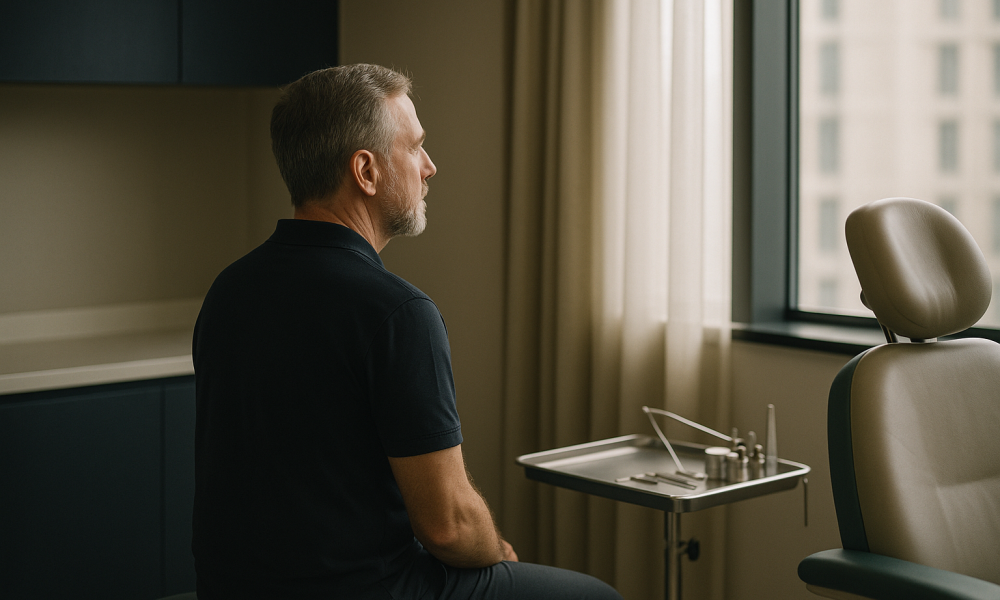
What Thread Lift is and who it is for
A thread lift is a minimally invasive cosmetic procedure designed to lift and tighten sagging skin on the face and neck. It involves the insertion of temporary sutures under the skin to produce a subtle but visible ‘lift’ in the skin. Instead of removing the patient’s loose facial skin surgically, the cosmetic surgeon simply suspends it by stitching up portions of it. This has the effect of pulling the skin back slightly and therefore lifting and tightening the face.
Thread lifts have been gaining popularity as a means to achieve a rejuvenated appearance without undergoing a full facelift. They are often referred to as a ‘lunchtime lift’ due to the quick procedure time and minimal downtime required. The procedure typically lasts between 30 to 60 minutes and is usually performed under local anaesthesia.
The threads used are often made of materials like polydioxanone (PDO), which are known to be safe and are absorbed by the body over time. As these threads dissolve, they stimulate the body’s natural healing response and cause the body to direct large surges of collagen to the treated areas. This is significant because collagen is vital for maintaining the appearance of skin strength, volume, and elasticity.
Thread lifts are suitable for individuals experiencing mild to moderate signs of ageing, such as sagging cheeks, jowls, or neck skin. The ideal candidates are those who are in their late 30s to early 50s. However, older individuals who are unable to undergo a surgical facelift for medical reasons may also consider a thread lift as a viable alternative.
Are you a good candidate?
Determining if you are a good candidate for a thread lift involves considering several factors related to your health, skin condition, and cosmetic goals. This procedure is best suited for individuals who are beginning to notice the effects of ageing but do not yet require more extensive surgical interventions.
- Age: Ideal candidates are usually between the ages of 30 and 50. Younger patients with early signs of ageing may also benefit.
- Skin Condition: The best results are seen in individuals with mild to moderate skin laxity. Those with very loose or droopy skin may not see significant benefits.
- General Health: Candidates should be in good overall health and free from conditions that might impair healing, such as uncontrolled diabetes or autoimmune disorders.
- Realistic Expectations: While thread lifts can provide a noticeable lift, they do not replicate the effects of a traditional surgical facelift. Having realistic expectations is crucial.
- Non-smoker: Smoking can impair healing and affect the longevity of the results, so non-smokers or those willing to quit are preferred.
- Commitment to Skin Care: Post-procedure care, including sun protection and moisturising, is essential for maintaining results.
Before deciding on a thread lift, it’s crucial to consult with a qualified practitioner who can assess your individual needs and help you understand the potential outcomes. This consultation will typically involve a detailed discussion of your medical history, a physical examination of your skin, and an exploration of your aesthetic goals.
The procedure, step by step
The thread lift procedure is a minimally invasive treatment aimed at lifting and tightening sagging skin on the face and neck. Here’s a detailed step-by-step guide of what to expect during the procedure:
- Consultation and Planning: Prior to the procedure, you will have a detailed consultation with your healthcare provider. This session is crucial for discussing your aesthetic goals, assessing your facial structure, and determining the appropriate type of threads to use. The doctor will mark the areas on your face where the threads will be inserted.
- Preparation: On the day of the procedure, the treatment area will be thoroughly cleaned and sterilised to prevent infection. Local anaesthesia or a topical numbing cream is applied to ensure comfort during the procedure. The effects of the anaesthesia will be monitored closely throughout.
- Insertion of Threads: Using a thin needle or cannula, the doctor will insert the threads beneath the skin. Depending on the area and desired effect, this can take anywhere from 30 to 60 minutes. The threads are typically made from biocompatible materials such as polydioxanone (PDO), which are safely absorbed by the body over time.
- Positioning and Anchoring: Once the threads are in place, the practitioner will gently pull them to lift the skin to the desired position. This part of the procedure requires precision and expertise to ensure a natural-looking lift. The threads are anchored in place, and any excess is trimmed.
- Final Adjustments and Cleaning: After the threads are secured, the doctor will make any final adjustments to ensure symmetry and balance. The insertion points are then cleaned, and a soothing cream may be applied to reduce any immediate discomfort or swelling.
- Post-Procedure Instructions: You will receive detailed post-procedure care instructions. These typically include advice on avoiding facial massages, sleeping on your back, and steering clear of vigorous physical activities for a few days. Follow-up appointments may be scheduled to monitor progress and address any concerns.
The thread lift procedure can be tailored to address specific areas such as the cheeks, jowls, or neck, offering a customised approach to facial rejuvenation. It’s important to have realistic expectations and understand that results can vary based on individual skin types and the extent of sagging.
Recovery timeline
Recovering from a thread lift is generally swift, allowing most patients to return to their daily activities shortly after the procedure. Below is a detailed recovery timeline to help you understand what to expect:
| Period | What to Expect | Care Notes |
|---|---|---|
| Day 1 | You may experience mild swelling, bruising, and discomfort in the treated area. These are normal and typically subside within a few days. | Apply cold compresses to reduce swelling. Take prescribed pain relievers if necessary, and avoid touching your face unnecessarily. |
| Days 2-3 | Swelling and bruising may still be present but should begin to decrease. Some tightness or pulling sensations might be felt. | Continue using cold compresses as needed. Sleep with your head elevated to minimise swelling. Avoid strenuous activities. |
| Days 4-7 | Swelling continues to decrease. Bruising may start to fade. You can resume most light activities but should still avoid heavy lifting or intense exercise. | Gentle facial movements are encouraged. Follow any specific skincare routines advised by your healthcare provider. |
| Week 2 | Most swelling and bruising should have significantly reduced. The initial results of the lift become more visible. | You can gradually return to your normal skincare routine. Continue to avoid facial massages or treatments that exert pressure on the treated areas. |
| Weeks 3-4 | You should be experiencing minimal discomfort. The final results of the thread lift are more apparent, with improved skin firmness and contour. | Maintain a healthy skincare regimen and protect your skin from excessive sun exposure. Attend any follow-up appointments as scheduled. |
| Full Recovery | By this time, any residual swelling or tightness should have resolved. The full effects of the thread lift are visible, offering a rejuvenated appearance. | Continue with regular check-ups if advised. Adhere to long-term skincare and lifestyle habits to maintain results. |
It’s important to note that individual recovery experiences may vary, and following your healthcare provider’s advice is crucial for optimal results and healing.
What it costs: Turkey vs the UK, Europe and North America
When considering a thread lift procedure, understanding the cost implications across different regions is crucial. Turkey has emerged as a popular destination for medical tourism, particularly for cosmetic procedures like thread lifts, due to its competitive pricing and high-quality healthcare facilities. Below, we compare the indicative price ranges for thread lifts in Turkey with those in the UK, Europe, and North America.
| Region | Indicative Price Range (GBP) | Typical Package Inclusions |
|---|---|---|
| Turkey | £1,000 – £1,800 | Consultation, procedure, post-operative care, accommodation, and airport transfers |
| United Kingdom | £2,500 – £4,000 | Consultation and procedure |
| Europe | £2,000 – £3,500 | Consultation and procedure |
| North America | £3,000 – £5,500 | Consultation and procedure |
It is important to note that the figures provided are indicative and can vary based on factors such as the complexity of the procedure, the clinic’s location, and the experience of the healthcare provider. In Turkey, the cost-effectiveness is often enhanced by comprehensive packages that include not just the procedure itself but also additional services such as accommodation and transportation, which can significantly reduce the overall expenditure for international patients.
In contrast, clinics in the UK, Europe, and North America typically offer prices that only cover the procedure and consultation. This means that patients may need to budget separately for travel, accommodation, and any additional services that might be required during their stay. The lower cost of living and favourable exchange rate in Turkey contribute to the more affordable pricing, making it an attractive option for those seeking quality care at a reduced cost.
Prospective patients should conduct thorough research and obtain detailed quotes from multiple clinics to ensure a clear understanding of what is included in the price and to compare the value offered by different providers. It is also advisable to consider the credentials of the clinic and the medical professionals involved, as well as any reviews from past patients, to ensure that the quality of care meets international standards.
Risks and how accredited providers manage them
Like any medical procedure, a thread lift carries certain risks, though they are generally considered minimal compared to more invasive surgical options. Common risks associated with thread lifts include infection, bruising, swelling, and temporary discomfort. In some cases, patients may experience asymmetry or visible threads, which might require further adjustments.
Accredited providers in Turkey are well-equipped to manage these risks through a combination of stringent hygiene protocols and pre-operative assessments. Before the procedure, patients typically undergo a thorough consultation to evaluate their medical history and specific needs, ensuring the treatment plan is tailored to minimise potential complications.
- Infection Control: Clinics adhere to international standards of sterilisation and cleanliness. Operating rooms are maintained with meticulous care, and all equipment is sterilised according to strict guidelines to prevent infections.
- Experienced Practitioners: Many clinics employ highly experienced and board-certified practitioners who specialise in aesthetic procedures. Their expertise plays a crucial role in executing the procedure with precision, thereby reducing the likelihood of adverse outcomes.
- Post-Operative Care: Accredited clinics offer comprehensive post-operative care, which includes follow-up appointments to monitor recovery and address any concerns promptly. This proactive approach helps in managing swelling and bruising effectively.
- Patient Education: Providers ensure that patients are well-informed about the procedure, potential risks, and post-care instructions. This education empowers patients to recognise early signs of complications and seek timely intervention if needed.
Additionally, clinics often have emergency protocols in place to address any immediate issues that may arise during or after the procedure. Patients are encouraged to communicate openly with their healthcare providers about any concerns, ensuring that any potential risks are managed effectively.
It is crucial for prospective patients to choose accredited providers who have a track record of adhering to international safety standards. This not only assures the quality of care but also provides peace of mind knowing that the provider is committed to patient safety and satisfaction.
While the risks associated with thread lifts are relatively low, understanding how accredited providers in Turkey manage these risks can help patients make informed decisions and feel more confident in their choice of treatment location.
How to choose the right provider
Choosing the right provider for a thread lift in Turkey involves several critical considerations to ensure a safe and satisfactory outcome. Begin by verifying the clinic’s accreditation. Reputable clinics in Turkey should be accredited by international bodies such as the Joint Commission International (JCI) or have ISO certifications. These accreditations reflect adherence to high standards of healthcare quality and patient safety.
Next, consider the experience and qualifications of the surgeon. Ideally, the surgeon should be a board-certified plastic surgeon or dermatologist with specific training in thread lift procedures. Look for professionals with a minimum of five years of experience in performing thread lifts, as well as those who regularly attend international conferences or workshops to stay updated on the latest techniques and safety protocols.
Aftercare is an essential aspect of choosing a provider. The clinic should offer comprehensive aftercare services, including follow-up appointments and the availability of medical staff to address any post-procedure concerns. Before committing, inquire about the aftercare plan and ensure it includes detailed instructions for recovery and access to support should complications arise.
Be vigilant about red flags that may indicate a less reliable provider. Avoid clinics that offer significantly lower prices than the typical range of £1,000 to £2,500, as this may suggest compromised quality or hidden costs. Additionally, be cautious of providers who make unrealistic promises about outcomes, guarantee results, or fail to provide detailed information about the procedure and potential risks.
Finally, seek reviews and testimonials from past patients. While online reviews can provide insights, it’s also beneficial to ask the clinic for references of patients who have undergone similar procedures. This will give you a more comprehensive understanding of the clinic’s reputation and patient satisfaction levels.
Planning your trip
When planning your trip to Turkey for a thread lift, careful preparation can enhance your experience and ensure a smooth process. Begin by establishing a timeline well before your intended travel date. It’s advisable to start your research and consultations at least three months in advance. This allows ample time to select a suitable provider and arrange appointments.
Ensure you have all necessary documents ready, including a valid passport and any required visas. UK citizens can enter Turkey visa-free for short stays, while citizens from other countries might need to apply for an e-visa. Additionally, gather medical records relevant to your procedure, such as previous cosmetic treatments or any allergies, to share with your chosen provider.
Plan for a stay of approximately 5 to 7 days in Turkey. This duration typically covers the initial consultation, the procedure, and a few days of recovery before flying home. Some patients may choose to extend their stay for further relaxation and exploration of Turkey’s cultural sites, but this should be discussed with your healthcare provider to ensure it does not interfere with recovery.
Consider the logistics of follow-up care once you return home. Discuss with your Turkish provider the options for remote follow-ups, such as video consultations or liaising with a local healthcare professional. This ensures continuity of care and addresses any post-procedure questions or concerns you might have.
Finally, ensure you have arranged suitable accommodation and transportation. Many clinics offer packages that include hotel stays and airport transfers. If you prefer to organise these independently, select accommodation close to your clinic to minimise travel stress during your recovery period. Also, consider travel insurance that covers medical tourism to protect against unforeseen circumstances.
Frequently Asked Questions
What is the typical cost of a thread lift in Turkey?
The typical cost of a thread lift in Turkey ranges from £1,000 to £2,500. This price can vary depending on the clinic's location, the surgeon's experience, and the complexity of the procedure. It's important to ensure that the price includes all aspects of the treatment, such as consultation fees, the procedure itself, and aftercare services.
Is a thread lift in Turkey safe?
A thread lift in Turkey can be safe if performed by a qualified and experienced surgeon in an accredited facility. It's crucial to research and select providers with international accreditations and positive patient reviews. Ensure that the clinic follows strict hygiene and safety protocols to minimise risks and complications.
How long do the results of a thread lift last?
The results of a thread lift typically last between 1 to 3 years. The longevity of the results can be influenced by factors such as the type of threads used, the patient's skin condition, and lifestyle factors like smoking and sun exposure. Regular follow-up treatments can help maintain the desired effect.
How soon can I fly after a thread lift?
Patients are generally advised to wait at least 3 to 5 days after a thread lift before flying. This allows initial swelling and discomfort to subside and ensures that any immediate post-procedure issues are addressed. Always follow your surgeon's specific recommendations regarding travel post-procedure.
What should I pack for my trip to Turkey for a thread lift?
When travelling to Turkey for a thread lift, pack comfortable clothing, any prescribed medications, and skincare essentials. Include documentation such as your passport, visa (if required), and medical records. It's also wise to bring a travel pillow and any personal items that will make your recovery more comfortable.
Will I need someone to accompany me for the procedure?
While it's not mandatory to have someone accompany you, it can be beneficial. A companion can assist with post-procedure care, help with transportation, and provide support during your recovery. If travelling alone, ensure that your clinic offers adequate aftercare support and transportation services.
What are the potential side effects of a thread lift?
Common side effects of a thread lift include swelling, bruising, and mild discomfort, which typically resolve within a week. Rare complications can include infection, thread migration, or asymmetry. Selecting a skilled surgeon and following aftercare instructions can help mitigate these risks.
How do I verify a surgeon's credentials in Turkey?
To verify a surgeon's credentials in Turkey, check if they are registered with the Turkish Medical Association and hold board certification in plastic surgery or dermatology. Look for additional international memberships and accreditations, and review patient testimonials and professional achievements.
What is the recovery time after a thread lift?
Recovery time after a thread lift is relatively short, with most patients resuming normal activities within a few days. However, it's advisable to avoid strenuous activities, facial massages, and excessive sun exposure for at least 2 weeks to ensure optimal healing and results.
Are there any non-surgical alternatives to a thread lift?
Yes, non-surgical alternatives include dermal fillers, Botox, and ultrasound treatments like Ultherapy. These options can provide subtle lifting and tightening effects but may not achieve the same results as a thread lift. Consult a qualified practitioner to discuss which treatment best suits your needs.
How can I prepare for a thread lift procedure?
Preparation for a thread lift includes avoiding blood thinners, alcohol, and smoking for at least a week prior to the procedure. Follow your surgeon's specific pre-procedure instructions, which may include skincare adjustments and arranging for post-procedure transportation and care.
What should I expect during the initial consultation?
During the initial consultation, the surgeon will assess your skin condition, discuss your aesthetic goals, and explain the thread lift procedure in detail, including potential risks and benefits. You'll have the opportunity to ask questions and review before-and-after photos of previous patients to set realistic expectations.