
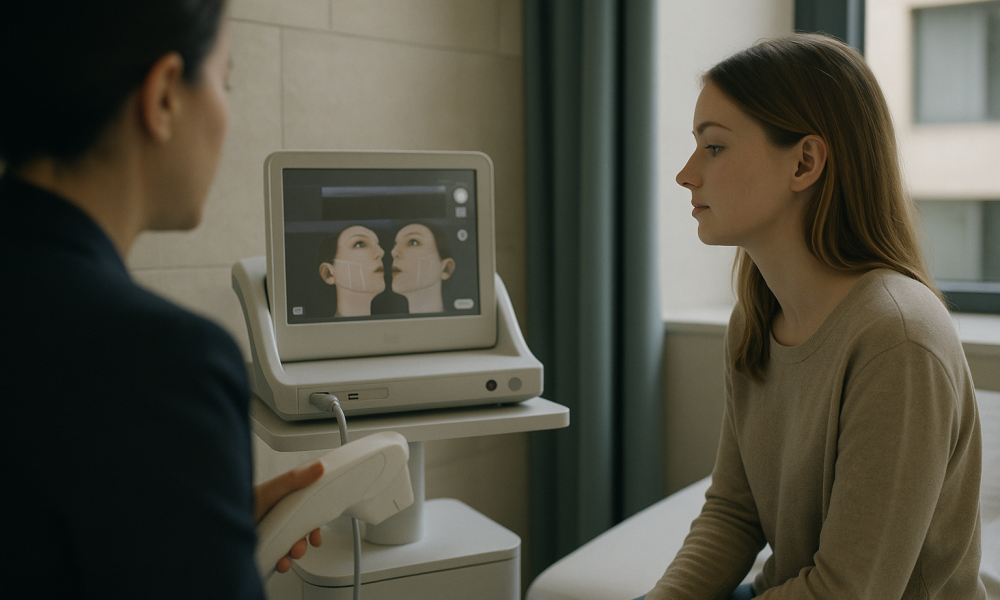
What HIFU Skin Tightening is and who it is for
High-Intensity Focused Ultrasound (HIFU) is a non-invasive cosmetic procedure used to tighten the skin. Utilising ultrasound energy, HIFU targets the deep layers of the skin, stimulating the production of collagen, a protein essential for skin elasticity and firmness. This technique is particularly popular among individuals seeking to improve skin laxity without undergoing surgery. In Turkey, HIFU has gained traction due to the combination of advanced medical facilities and experienced practitioners, offering a balance of quality and cost-effectiveness.
The procedure typically takes between 30 to 90 minutes, depending on the area being treated. It involves no incisions, thus eliminating the need for anaesthesia and significantly reducing the risk of complications. Patients can resume normal activities immediately after the procedure, making it a convenient option for those with busy lifestyles.
HIFU is most commonly used to treat areas such as the face, neck, and décolletage. It can address issues like sagging skin, fine lines, and wrinkles, providing a subtle lift and rejuvenation effect. While results can vary depending on individual skin types and conditions, many patients report noticeable improvements within a few months as collagen production continues to enhance the skin’s structure.
Turkey offers HIFU treatments at a fraction of the cost compared to North America and Europe, with prices typically ranging from £1,000 to £2,500. This makes it an attractive option for international patients, particularly Canadians seeking affordable yet high-quality cosmetic procedures abroad.
Are you a good candidate?
Determining whether you are a suitable candidate for HIFU skin tightening involves several considerations. The procedure is ideal for individuals who are experiencing mild to moderate skin laxity and are looking for non-surgical options to improve their appearance. HIFU may not be suitable for everyone, so it’s important to assess your eligibility based on specific criteria.
Here are some key factors to consider:
- Age Range: Typically, candidates are aged between 30 and 60. Younger patients may not see significant results, while older individuals with severe skin laxity might require alternative treatments.
- Skin Condition: Good skin elasticity is crucial. If your skin is excessively sagging, HIFU might not be effective.
- Health Status: Being in good overall health is important. Chronic skin conditions or infections in the target area may contraindicate the procedure.
- Realistic Expectations: Understanding that results are gradual and subtle is key. HIFU is not a substitute for a surgical facelift.
- Non-Smokers: Smoking can impede healing and affect results, making non-smokers better candidates.
- No Recent Cosmetic Procedures: If you have recently undergone other skin treatments, you may need to wait before having HIFU.
Before proceeding, a consultation with a qualified practitioner is essential to evaluate your specific needs and discuss potential outcomes. They can provide a personalised assessment, helping you understand the benefits and limitations of HIFU in the context of your individual skin concerns.
The procedure, step by step
High-Intensity Focused Ultrasound (HIFU) skin tightening is a non-invasive cosmetic procedure that aims to improve skin laxity and rejuvenate the skin by using focused ultrasound energy. Here is a detailed step-by-step breakdown of what you can typically expect during the procedure:
- Initial Consultation: Before the procedure, you will have a consultation with a certified dermatologist or aesthetic practitioner. During this session, your medical history will be reviewed, and your skin will be assessed to determine if HIFU is suitable for you. This is also an opportunity to discuss your expectations and any concerns you might have.
- Preparation: On the day of the procedure, the treatment area will be cleaned thoroughly to remove any makeup, dirt, or oils. A topical anaesthetic cream may be applied to ensure comfort, although some clinics might not use it due to the non-invasive nature of HIFU.
- Marking the Treatment Area: The practitioner might use a white pencil or marker to outline the specific areas to be treated. This ensures precision and effectiveness during the application of ultrasound energy.
- Application of Ultrasound Gel: A special ultrasound gel will be applied to the skin. This gel acts as a conductor for the ultrasound waves, ensuring they penetrate the skin effectively.
- HIFU Device Application: The practitioner will use a handheld HIFU device to deliver the ultrasound energy. The device is moved over the treatment area, emitting focused ultrasound waves that penetrate deep into the skin layers. This process typically takes about 30 to 90 minutes, depending on the size of the area being treated.
- Monitoring and Adjustments: Throughout the procedure, the practitioner will monitor your skin’s response to the treatment. Adjustments to the device settings may be made to ensure optimal results and patient comfort.
- Post-Treatment Assessment: Once the procedure is complete, the practitioner will assess the treated area for any immediate reactions. You will be given post-treatment care instructions to follow.
Overall, HIFU is considered a safe and effective treatment for skin tightening, with minimal downtime and a relatively straightforward procedure process.
Recovery timeline
After undergoing a HIFU skin tightening procedure, it is important to understand the recovery timeline and what you can expect during the healing process. Below is a detailed table outlining the recovery stages from day one to full recovery:
| Period | What to Expect | Care Notes |
|---|---|---|
| Day 1 | Immediately after the procedure, you may experience mild redness and slight swelling in the treated area. Some patients report a tingling sensation or temporary tenderness. | It is advisable to avoid touching or rubbing the treated area. You can use a gentle cleanser and moisturiser. Sunscreen with an SPF of at least 30 should be applied before going outdoors. |
| Days 2-3 | The redness and swelling typically begin to subside. Skin may feel tighter, and there is often a subtle lifting effect visible. | Continue with gentle skincare routines. Avoid exposure to extreme temperatures and direct sunlight. Drinking plenty of water can aid in skin recovery. |
| Week 1 | Most visible side effects should have resolved by now. The skin continues to feel firm, and some patients notice improved texture and tone. | Maintain a consistent skincare routine. Consider using products rich in antioxidants to support skin healing. Avoid strenuous activities that may cause excessive sweating. |
| Weeks 2-4 | Collagen production is stimulated, leading to gradual improvements in skin elasticity and firmness. The lifting effect becomes more apparent. | Regular follow-up appointments may be scheduled to monitor progress. Adhering to a healthy diet and lifestyle can enhance results. |
| Full Recovery (1-3 Months) | Final results become visible as collagen remodelling continues. Skin appears firmer, lifted, and rejuvenated. | Continue with sun protection and a healthy skincare regimen to maintain results. Discuss any concerns with your practitioner during follow-up visits. |
It is important to note that individual recovery times may vary, and some patients may experience different side effects. Always follow the specific post-care instructions provided by your healthcare provider for the best outcomes.
What it costs: Turkey vs Canada
When considering HIFU (High-Intensity Focused Ultrasound) skin tightening, cost is often a significant factor for patients from Canada looking at options abroad. Turkey has become a popular destination due to its competitive pricing and high-quality care. However, it’s crucial to understand what these costs typically include and how they compare to those in Canada.
Below is an indicative comparison of the typical price ranges for HIFU skin tightening in Turkey and Canada. These figures are meant to provide a general guideline and can vary based on numerous factors, including the clinic’s location, the expertise of the practitioner, and the specific areas treated.
| Country | Indicative Price Range (CAD) | What Packages Typically Include |
|---|---|---|
| Turkey | 1,500 – 3,000 |
|
| Canada | 2,500 – 5,000 |
|
It is important to note that these are indicative costs and actual prices can vary. In Turkey, the costs are often more inclusive, offering packages that cover more than just the treatment itself, such as accommodations and local transfers, which can add convenience and value for international patients. In contrast, Canadian clinics might offer fewer inclusions for the price, focusing solely on the medical treatment and immediate care.
When evaluating these costs, patients should also consider the quality of care and the credentials of the medical professionals involved. Many Turkish clinics are internationally accredited and adhere to high standards of care, which is crucial for ensuring both safety and satisfactory outcomes.
Risks and how accredited providers manage them
Like any cosmetic procedure, HIFU skin tightening carries certain risks, though they are generally considered minimal compared to surgical alternatives. Understanding these risks and how accredited providers in Turkey manage them can help reassure prospective patients.
Common risks associated with HIFU treatments include:
- Temporary Discomfort: Some patients may experience mild discomfort during the procedure, akin to a prickling sensation. Accredited providers manage this by using topical anaesthetics and ensuring the patient is as comfortable as possible throughout the session.
- Redness and Swelling: Post-treatment redness and swelling are common but usually subside within a few hours to a couple of days. Providers often recommend applying cold compresses and using soothing creams to alleviate these symptoms.
- Skin Sensitivity: Some patients might notice increased sensitivity in the treated area, which typically resolves without intervention.
- Rare Side Effects: Although rare, there can be instances of temporary numbness or bruising. Accredited providers in Turkey monitor patients closely during follow-ups to address any complications promptly.
To manage these risks, accredited clinics in Turkey implement a series of protocols:
- Pre-treatment Assessments: Comprehensive assessments ensure that patients are suitable candidates for HIFU, reducing the risk of adverse effects.
- Use of Advanced Technology: Clinics use the latest HIFU devices that offer precise targeting of skin layers, minimizing the risk of damage to surrounding tissues.
- Qualified Practitioners: Treatments are conducted by experienced dermatologists or certified technicians, ensuring expertise and adherence to safety standards.
- Post-treatment Care: Patients receive detailed post-care instructions and have access to follow-up appointments to address any concerns.
Accredited providers also maintain transparent communication with patients, discussing potential risks and expected outcomes thoroughly before proceeding. This approach not only helps in managing patient expectations but also ensures that any issues are swiftly addressed.
In conclusion, while risks exist, choosing an accredited provider in Turkey can significantly mitigate these concerns. Patients are advised to thoroughly research and select clinics that are certified by international bodies, ensuring that they receive care that meets global standards.
How to choose the right provider
Choosing the right provider for HIFU skin tightening in Turkey is a crucial step that requires careful consideration. Begin by ensuring the clinic holds international accreditation. Accreditation from organisations like the Joint Commission International (JCI) or the European Foundation for Quality Management (EFQM) signifies adherence to high standards of care and safety. These accreditations indicate that the clinic is regularly audited and complies with stringent healthcare protocols.
Next, evaluate the surgeon’s experience. Look for a provider with specialists who have substantial experience in performing HIFU procedures. It is advisable to choose a practitioner with at least five years of experience and a proven track record in non-invasive cosmetic treatments. You can also request before and after photos of previous patients, though keep in mind that individual results can vary.
Consider the aftercare services offered by the clinic. Quality aftercare is vital for a smooth recovery and optimal results. Clinics should provide detailed post-procedure instructions and offer follow-up appointments to monitor your progress. Check if the clinic has a dedicated patient coordinator who can assist with logistical arrangements and answer any queries you may have post-treatment.
Be vigilant for red flags that may indicate subpar services. Avoid clinics that pressure you into making quick decisions or guarantee specific outcomes, as these are unrealistic in the field of medical treatments. Additionally, ensure the clinic is transparent about all costs involved, including potential additional fees for aftercare or follow-up consultations.
Lastly, seek reviews and testimonials from previous international patients, particularly those from Canada, as they can provide insights into the quality of service and cultural compatibility. Online forums and healthcare review sites can be valuable resources for gathering unbiased patient experiences.
Planning your trip
Planning your trip for HIFU skin tightening in Turkey involves several key steps to ensure a smooth experience. Begin by establishing a timeline for your travel. It is typically recommended to plan your trip at least one to two months in advance to allow ample time for consultation, booking, and travel arrangements. Consider scheduling your procedure during a period where you can afford a few days off work and other commitments.
Arrange for all necessary travel documents, including a valid passport and any required visas. Canadian citizens can usually enter Turkey for tourism purposes without a visa for stays of up to 90 days, but it’s essential to verify current entry requirements as they can change.
Determine the length of stay required. While the HIFU procedure itself is usually completed within a single day, plan to stay in Turkey for at least 3-5 days to allow for initial recovery and follow-up appointments. This duration also provides a buffer in case of any unforeseen delays or complications.
Coordinate with your chosen clinic to understand their specific pre-treatment and post-treatment instructions. You may need to avoid certain medications or activities before the procedure, and the clinic will provide guidelines for post-procedure care to optimise your recovery.
For follow-up care at home, discuss with your healthcare provider in Canada about monitoring your progress and addressing any concerns that may arise post-treatment. Ensure you have a reliable way to communicate with your Turkish clinic should you have questions or require assistance once you return home.
Finally, consider travel insurance that covers medical tourism, which can offer peace of mind by covering unexpected expenses related to your treatment or travel disruptions. With careful planning, your trip to Turkey for HIFU skin tightening can be a rewarding experience with satisfying results.
Frequently Asked Questions
What are the typical costs for HIFU skin tightening in Turkey?
HIFU skin tightening procedures in Turkey generally range from £800 to £1,200. This is indicative only and may vary based on the clinic, the extent of the treatment area, and the provider's experience. It's important to confirm what's included in the quoted price, such as consultation fees and follow-up visits, to avoid unexpected expenses.
Is HIFU skin tightening safe?
HIFU skin tightening is considered a safe procedure when performed by qualified professionals. It is non-invasive and uses ultrasound energy to stimulate collagen production. However, as with any medical treatment, there are potential risks and side effects, such as temporary redness or swelling. Always ensure your provider is experienced and accredited to minimise risks.
How long does the HIFU procedure take?
The HIFU procedure typically takes between 30 to 90 minutes, depending on the size of the area being treated. It's a non-surgical process, so there's no need for incisions or anaesthesia. Patients can usually resume normal activities immediately after the procedure, making it a convenient option for those with busy schedules.
What should I expect during the recovery period?
Recovery from HIFU skin tightening is minimal. Most patients experience some mild redness or swelling immediately after the procedure, which usually subsides within a few hours. Over the following weeks, as collagen production increases, you may notice gradual improvements in skin elasticity and tightness. Follow your provider's aftercare instructions for optimal results.
How soon will I see results after HIFU treatment?
Results from HIFU treatment can vary, but most patients begin to notice improvements in skin texture and tightness within a few weeks. The full effect of the treatment typically becomes apparent over two to three months as new collagen is produced. It's important to have realistic expectations and follow up with your provider as advised.
Are there any side effects of HIFU skin tightening?
HIFU skin tightening is generally well-tolerated, but some patients may experience temporary side effects such as redness, swelling, or tingling in the treated area. These effects are usually mild and resolve on their own within a few hours to days. If you have any concerns, it's important to discuss them with your provider.
How do I prepare for my HIFU treatment?
Before undergoing HIFU treatment, you'll typically have a consultation to discuss your goals and medical history. It's advisable to avoid sun exposure, tanning, and certain skin products that may irritate your skin before the procedure. Your provider will give you specific instructions to follow to ensure the best outcome.
Can I combine HIFU with other treatments?
Yes, HIFU can often be combined with other cosmetic treatments, such as fillers or Botox, to enhance overall results. However, it's crucial to discuss any additional treatments with your provider to ensure they are safe and appropriate for your specific needs. Timing and sequencing of treatments will be carefully planned.
What questions should I ask my provider before the procedure?
Before undergoing HIFU, ask your provider about their experience with the procedure, what results you can realistically expect, and any potential risks involved. Inquire about the specific device they use, post-treatment care, and how they handle complications. Understanding these details will help you make an informed decision.
How long do the effects of HIFU last?
The results of HIFU skin tightening can last up to a year or more, depending on individual factors such as age, skin condition, and lifestyle. Maintenance treatments may be recommended every 12 to 18 months to sustain the effects. Discuss long-term care with your provider to optimise and prolong results.
Is there any downtime needed after HIFU treatment?
One of the advantages of HIFU skin tightening is that it requires no downtime. Patients can return to their daily activities immediately following the procedure. However, some may experience mild redness or swelling, which typically resolves quickly. It's important to follow aftercare instructions to ensure the best results.
What are the payment options for HIFU in Turkey?
Many clinics in Turkey offer flexible payment options for HIFU treatments, including cash, credit cards, or international bank transfers. Some clinics may offer payment plans or financing options. It's advisable to discuss payment terms in advance and confirm what is included in the quoted price to avoid unexpected costs.