
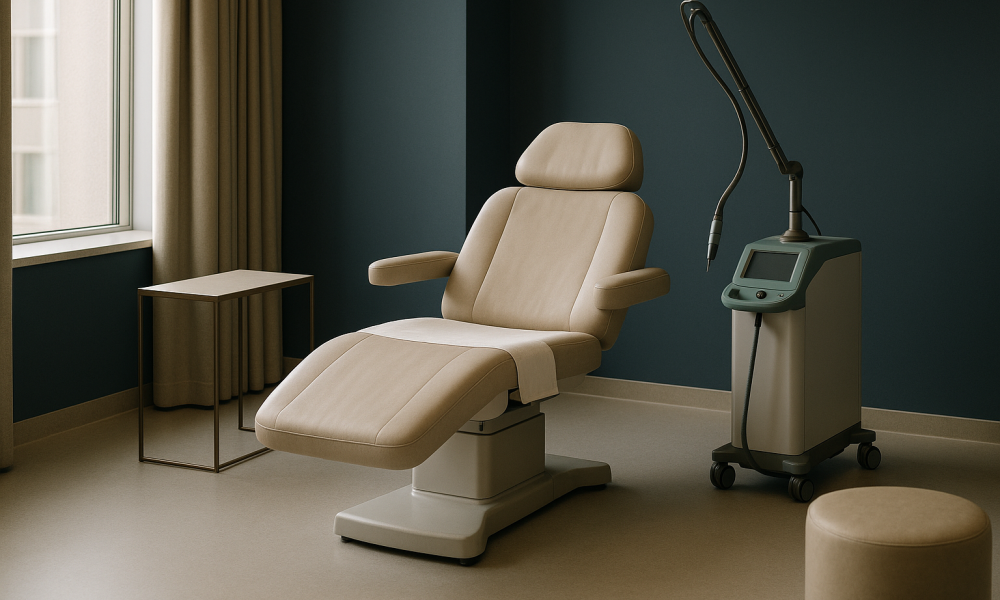
What Laser Skin Rejuvenation is and who it is for
Laser skin rejuvenation is a non-invasive cosmetic procedure aimed at improving skin texture, tone, and overall appearance. It utilises concentrated beams of light to target various skin imperfections such as fine lines, wrinkles, sun damage, and uneven pigmentation. The treatment works by promoting collagen production and encouraging the skin’s natural healing processes, leading to a more youthful and revitalised complexion. There are several types of lasers used in skin rejuvenation, including ablative lasers, which remove the outer layers of skin, and non-ablative lasers, which work deeper in the skin without damaging the surface.
In Turkey, laser skin rejuvenation is a popular choice for individuals seeking effective aesthetic treatments at competitive prices. The country is renowned for its advanced medical facilities and skilled practitioners, making it an attractive destination for international patients. Typically, the procedure takes between 30 to 60 minutes, depending on the area being treated and the type of laser used. Most patients require a series of sessions to achieve optimal results, with each session spaced several weeks apart to allow the skin to heal properly.
Laser skin rejuvenation is suitable for individuals with a range of skin concerns. It is particularly beneficial for those looking to address signs of ageing, such as crow’s feet, forehead lines, and sagging skin. Additionally, it can effectively treat sunspots, acne scars, and other blemishes. However, the effectiveness of the treatment can vary depending on the individual’s skin type, the severity of the issues being addressed, and the specific laser technology employed. As with any medical procedure, it is important to consult with a qualified specialist to determine the best approach for your unique needs.
Are you a good candidate?
Determining whether you are a good candidate for laser skin rejuvenation involves evaluating several factors, including your skin type, the specific concerns you wish to address, and your overall health. Generally, this treatment is ideal for individuals who are in good health and have realistic expectations about the outcomes. It is essential to have a thorough consultation with a qualified dermatologist or cosmetic surgeon to assess your suitability for the procedure.
- Age: While laser skin rejuvenation can benefit adults of all ages, it is most commonly sought by individuals aged 30 and above who are experiencing the early signs of ageing.
- Skin Type: Candidates with lighter skin tones tend to experience better results, as darker skin tones may have a higher risk of pigmentation changes post-treatment.
- Health Status: Good overall health is crucial. Candidates should not have active skin infections or conditions such as eczema or psoriasis in the treatment area.
- Sun Exposure: Individuals who can avoid excessive sun exposure and commit to using sun protection are ideal candidates, as sun damage can affect the results and increase the risk of complications.
- Expectations: Patients should have realistic expectations about the results. While the treatment can significantly improve skin appearance, it may not completely eliminate all imperfections.
- Commitment to Aftercare: A willingness to follow post-procedure care instructions is vital to ensure optimal healing and results.
If you meet these criteria, laser skin rejuvenation could be an excellent option for you. However, a personalised consultation with a specialist in Turkey will provide the most accurate assessment and help tailor a treatment plan to your specific goals and needs.
The procedure, step by step
Undergoing laser skin rejuvenation in Turkey involves a series of well-coordinated steps designed to ensure the safety and effectiveness of the treatment. Here is a detailed overview of what you can typically expect during the procedure:
- Initial Consultation: Before the procedure, you will have a detailed consultation with a dermatologist or laser technician. During this session, your skin type and condition will be assessed, and you will discuss your expectations and medical history to determine your suitability for the treatment.
- Preparation: On the day of the procedure, your skin will be thoroughly cleansed to remove any makeup, oils, or impurities. A topical anaesthetic may be applied to the treatment area to minimise discomfort during the procedure. This preparation stage typically takes about 30 minutes.
- Laser Application: The laser skin rejuvenation process involves the use of a handheld device that emits focused light beams to penetrate the skin layers. The type of laser used may vary depending on the specific condition being treated, such as CO2 or Erbium lasers for deeper issues or fractional lasers for more superficial concerns.
- Duration of Procedure: The laser application itself can take anywhere from 20 minutes to over an hour, depending on the size of the area being treated and the depth of the laser penetration required. The procedure is performed in a step-by-step manner, ensuring precision and care.
- Immediate Aftercare: After the laser treatment, a cooling gel or ice packs may be applied to soothe the skin. You may also be advised to apply a prescribed ointment to aid in the healing process. A follow-up appointment will be scheduled to monitor your progress.
Throughout the procedure, safety measures are strictly adhered to, including the use of protective eyewear and the adjustment of laser settings to suit your specific needs. The entire process is designed to be as comfortable as possible, with most patients experiencing only mild discomfort.
Recovery timeline
Understanding the recovery timeline for laser skin rejuvenation is crucial for managing expectations and planning your post-treatment care. Below is a detailed table outlining what you can typically expect from the day of the procedure to full recovery:
| Period | What to Expect | Care Notes |
|---|---|---|
| Day 1 | Immediately post-procedure, you may experience redness and swelling similar to a sunburn. The skin might feel warm and sensitive. | Apply cold compresses to reduce swelling. Use prescribed ointments to keep the skin moist. Avoid sun exposure. |
| Days 2-3 | The redness and swelling should begin to subside. Some patients report a tight or itchy sensation as the skin starts to heal. | Continue using moisturising ointments. Avoid using any harsh skincare products. Keep the skin clean and dry. |
| Days 4-7 | Peeling may occur as the old skin layers start to shed. New skin will begin to emerge, appearing pinker and more sensitive. | Do not pick at peeling skin. Use gentle cleansers and continue to apply moisturisers. Sunscreen is essential when stepping outside. |
| Week 2 | Most of the redness should have diminished, and the new skin will start to blend with the surrounding areas. | Hydration is key. Keep using sunscreen and avoid direct sunlight. Light makeup can be applied if needed. |
| Weeks 3-4 | The skin continues to improve in texture and tone. Any residual redness should be minimal. | Maintain a consistent skincare routine with gentle products. Regular use of sunscreen is still crucial. |
| Full Recovery (4-6 weeks) | By this time, the skin should have fully healed, revealing a rejuvenated and refreshed appearance. | Continue protective skincare practices to prolong results. Follow-up consultations may be advised to assess the treatment’s success. |
It is important to note that individual recovery experiences can vary based on the type of laser used and personal skin characteristics. Following the care guidelines provided by your healthcare provider will help ensure the best possible outcome.
What it costs: Turkey vs the United States
When considering laser skin rejuvenation, cost is a significant factor for many patients. Turkey has emerged as a popular destination for this procedure, largely due to its competitive pricing compared to the United States. However, it is crucial to understand that the figures provided are indicative and can vary based on specific factors such as the clinic’s location, the technology used, and the complexity of the treatment required.
| Location | Indicative Price Range (USD) | Typical Package Inclusions |
|---|---|---|
| Turkey | $500 – $1,500 | Consultation, Procedure, Post-treatment Follow-up, Accommodation (in some cases) |
| United States | $2,000 – $5,000 | Consultation, Procedure, Post-treatment Follow-up |
The table above illustrates the typical cost range for laser skin rejuvenation in Turkey compared to the United States. In Turkey, patients can expect to pay between $500 and $1,500, which often includes a comprehensive package consisting of the initial consultation, the procedure itself, and post-treatment follow-up. Some clinics may also offer accommodation as part of their package, particularly for international patients.
In contrast, the cost in the United States ranges from $2,000 to $5,000. While this typically covers the consultation, procedure, and follow-up, it usually does not include additional amenities such as accommodation. This significant price difference is primarily due to lower operational costs in Turkey, including lower wages and overhead expenses, which do not compromise the quality of care.
It is important for prospective patients to conduct thorough research and reach out to multiple clinics to obtain detailed quotes and understand what each package includes. Additionally, patients should consider the total cost of travel and accommodation when planning their treatment abroad, as these can add to the overall expense.
Risks and how accredited providers manage them
As with any medical procedure, laser skin rejuvenation carries certain risks. These may include temporary side effects such as redness, swelling, and mild discomfort, as well as more serious complications like scarring, changes in skin pigmentation, and infection. It is essential for patients to be aware of these potential risks and understand how they are managed by accredited providers in Turkey.
Accredited clinics in Turkey adhere to stringent international standards to ensure patient safety and minimise risks. Pre-treatment assessments are a critical component of their approach, where a comprehensive evaluation of the patient’s skin type, medical history, and treatment goals is conducted. This helps in tailoring the procedure to suit individual needs and reducing the likelihood of adverse effects.
During the procedure, experienced dermatologists or certified laser specialists perform the treatment using advanced, FDA-approved laser technology. This ensures precision and effectiveness while minimising the risk of complications. The use of state-of-the-art equipment also allows for optimal control over the depth and intensity of the laser, which is crucial in preventing skin damage.
Post-treatment care is another vital aspect of risk management. Accredited providers in Turkey offer detailed aftercare instructions to promote healing and prevent complications. These instructions may include guidance on avoiding sun exposure, using prescribed topical treatments, and recognising signs of infection or unusual reactions that require prompt medical attention.
Furthermore, many clinics provide follow-up appointments to monitor the patient’s recovery and address any concerns that may arise. This ongoing support is crucial in ensuring that any potential issues are identified and managed promptly.
While the risks associated with laser skin rejuvenation can never be entirely eliminated, choosing an accredited provider with a strong track record of safety and patient satisfaction can significantly mitigate them. Prospective patients are encouraged to verify the credentials and accreditation of the clinics they consider and to discuss any concerns with their healthcare provider before proceeding with treatment.
How to choose the right provider
Choosing the right provider for laser skin rejuvenation in Turkey is a critical step in ensuring a safe and effective treatment outcome. Start by verifying the clinic’s accreditation. Look for certifications from international bodies such as the Joint Commission International (JCI) or the International Organization for Standardization (ISO). These accreditations indicate compliance with global healthcare standards.
Next, consider the experience and qualifications of the medical professionals involved. The surgeon or dermatologist should have specific training in laser procedures and a track record of successful treatments. Ask about their years of experience and any specialised training they might have undergone. It’s reasonable to request before-and-after photos of previous patients to gauge their expertise.
Aftercare is another crucial aspect. A reputable clinic will offer comprehensive aftercare, including follow-up appointments and guidance on skincare post-treatment. Ensure the clinic provides clear instructions and has a system in place for addressing any complications that may arise.
Be vigilant for red flags such as clinics offering unusually low prices compared to the typical range of £800 to £2,000. While competitive pricing is expected due to Turkey’s advantageous exchange rates, prices significantly lower than this range may indicate compromised quality. Additionally, be wary of clinics that pressure you into making quick decisions or fail to provide detailed information about the procedure.
Finally, consider patient reviews and testimonials. Online platforms and forums can offer insights into others’ experiences, highlighting both positive and negative aspects of their treatment journey. However, be cautious of overly positive or overly negative reviews, as they may not accurately reflect the clinic’s standard of care.
Planning your trip
Planning your trip to Turkey for laser skin rejuvenation involves several key steps to ensure a smooth experience. Begin by consulting with your chosen clinic to establish a timeline for your treatment. Typically, you should schedule an initial consultation to discuss your goals and medical history. After deciding on a clinic, allow at least two weeks for pre-travel preparations, including acquiring any necessary medical records from your local healthcare providers.
Travel documents are essential, so ensure your passport is valid for at least six months beyond your planned departure date. Depending on your nationality, you may need a visa, which can often be obtained online for US citizens. Check with the Turkish consulate for the most current requirements.
Plan for a stay of approximately one week, although this can vary based on the specific procedure and individual recovery times. Most patients require a few days for the initial treatment and an additional few days for follow-up appointments and recovery. It’s advisable to book accommodation near your chosen clinic to minimize travel stress during your stay.
Consider arranging your itinerary to include some recovery time before returning home. The immediate post-treatment period is crucial for healing, and you may need to avoid sun exposure and certain activities.
For follow-up care, discuss with your clinic how to maintain contact once you return home. This might include virtual consultations or coordination with a local dermatologist to monitor your progress. Ensure you receive a detailed report of your treatment, including any recommendations for ongoing skincare.
Finally, factor in some leisure time. Turkey offers rich cultural experiences, from historic sites to vibrant bazaars. However, prioritize your health and recovery, and plan any sightseeing activities around your medical appointments and recovery needs.
Frequently Asked Questions
What is the average cost of laser skin rejuvenation in Turkey?
The average cost of laser skin rejuvenation in Turkey typically ranges from £800 to £2,000. This range depends on factors such as the type of laser used, the extent of the treatment area, and the clinic's location and reputation. It's important to note that while Turkey offers competitive pricing due to favourable exchange rates, quality should not be compromised for cost.
Why is laser skin rejuvenation cheaper in Turkey compared to the US?
Laser skin rejuvenation is often cheaper in Turkey due to the lower cost of living and favourable exchange rates. Additionally, operational costs for clinics, including labour and facility expenses, tend to be lower than in the United States. However, despite the cost savings, many clinics maintain high standards of care and are accredited by international bodies, ensuring quality treatment.
How safe is laser skin rejuvenation in Turkey?
Laser skin rejuvenation in Turkey is generally safe, especially when performed at accredited clinics by experienced professionals. Clinics often adhere to international healthcare standards, and many medical practitioners have extensive training in laser treatments. As with any medical procedure, there are risks involved, but these can be minimized by choosing a reputable clinic and following all pre- and post-treatment instructions.
What should I ask during my initial consultation with a clinic?
During your initial consultation, inquire about the qualifications and experience of the surgeon or dermatologist, the type of laser technology used, and the expected outcomes. Ask for details about the procedure, including pre- and post-treatment care, potential side effects, and recovery time. It’s also wise to request before-and-after photos of previous patients and clarify any cost-related questions upfront.
How long does the recovery process take after laser skin rejuvenation?
Recovery time varies depending on the type and intensity of the laser treatment. Typically, initial recovery takes about one to two weeks, during which time you may experience redness, swelling, and peeling. Full recovery, including the final skin texture and tone improvements, can take several weeks to months. Following your healthcare provider's aftercare instructions is crucial for optimal healing.
Do I need to stay in Turkey for follow-up appointments?
Most patients schedule follow-up appointments within their initial stay in Turkey, typically lasting about a week. However, if further follow-up is needed, many clinics offer virtual consultations to accommodate international patients. It's also possible to coordinate with a local dermatologist in your home country for continued care and monitoring.
What documents do I need to travel to Turkey for treatment?
To travel to Turkey for treatment, you'll need a valid passport and, for US citizens, an e-visa which can be obtained online. Ensure your passport is valid for at least six months beyond your planned departure date. Additionally, carry any medical records or reports relevant to your treatment, which your healthcare provider may require.
How far in advance should I book my treatment?
It is advisable to book your treatment at least two to three months in advance. This allows ample time for initial consultations, securing travel arrangements, and gathering necessary medical documents. Early booking also provides flexibility in scheduling, ensuring you can plan your trip around your preferred dates.
What should I do if I experience complications after returning home?
If you experience complications after returning home, contact your clinic immediately. Reputable clinics will provide guidance and may offer virtual consultations to assess your condition. Additionally, seek advice from a local dermatologist familiar with your treatment. Ensure you have a comprehensive report from your clinic detailing the procedure and any specific aftercare instructions.
Can I combine my treatment with a holiday in Turkey?
Yes, many patients choose to combine treatment with a holiday in Turkey. However, it's important to prioritize your recovery. Plan any leisure activities around your medical appointments and ensure they don't interfere with your healing process. Avoid strenuous activities and sun exposure immediately following your procedure.
Will I need someone to accompany me for the treatment?
While not mandatory, having someone accompany you can be beneficial for support and assistance during the recovery period. They can help with logistics, such as transportation to and from the clinic, and provide emotional support. If traveling alone, ensure your clinic offers adequate support services to assist you as needed.
What are the potential side effects of laser skin rejuvenation?
Potential side effects of laser skin rejuvenation include redness, swelling, and temporary changes in skin pigmentation. Some patients may experience itching or a burning sensation. Most side effects are mild and resolve within a few days to weeks. Serious complications are rare but can include scarring or infection. Selecting an experienced provider and adhering to aftercare instructions can minimize these risks.