
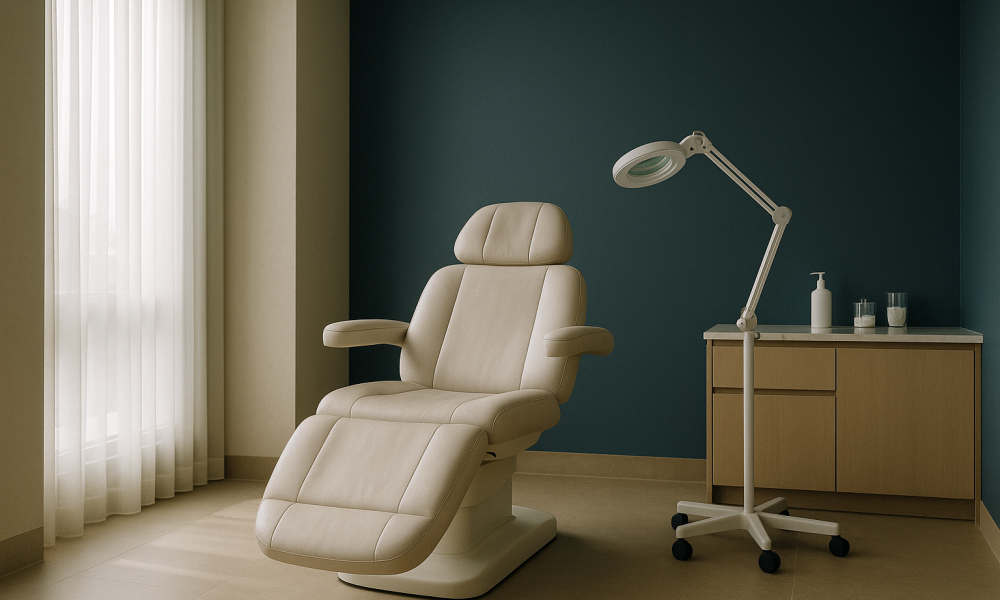
What Chemical Peels is and who it is for
Chemical peels are a dermatological treatment designed to improve the texture and appearance of the skin. This procedure involves the application of a chemical solution to the skin, which causes the top layers to exfoliate and eventually peel off. The new skin that emerges is typically smoother, less wrinkled, and may have more even pigmentation.
There are several types of chemical peels, classified based on their depth of action: superficial, medium, and deep peels. Superficial peels, which use mild acids like alpha-hydroxy acid, target the outermost layer of skin and are suitable for minor skin issues such as mild discolouration and rough texture. Medium peels, often utilising trichloroacetic acid, penetrate deeper and can address moderate skin concerns, including age spots and fine lines. Deep peels, which involve substances like phenol, are more intensive and used for more severe skin problems such as deep wrinkles and significant sun damage.
The procedure is commonly sought by individuals looking to address various skin concerns, such as acne scars, sun damage, age spots, freckles, melasma, and fine lines. It is particularly beneficial for those seeking a non-surgical solution to rejuvenate their facial appearance. With advancements in dermatological techniques, chemical peels have become safer and more effective, with reduced downtime and discomfort.
In Turkey, chemical peels are performed in many reputable clinics by experienced dermatologists. The country has gained a reputation for offering high-quality, affordable cosmetic procedures, attracting patients from across Europe. The cost of a chemical peel in Turkey typically ranges from £100 to £500, depending on the type of peel, the expertise of the practitioner, and the specific clinic. While the procedure is generally safe, it is important for patients to have realistic expectations and to understand that results can vary based on individual skin type and condition.
Are you a good candidate?
Chemical peels are not suitable for everyone, and certain criteria are considered to determine a patient’s suitability. Before undergoing a chemical peel, a consultation with a dermatologist is essential to assess your skin type, medical history, and treatment goals. Here are some key factors that could make you a suitable candidate for a chemical peel:
- Skin Type: Individuals with fair skin and light hair are generally better candidates for chemical peels, as they are less likely to experience uneven skin tone post-procedure. However, people with darker skin may still benefit from lighter peels, provided they are performed under the guidance of an experienced professional.
- Skin Concerns: You should have specific skin issues that chemical peels can address, such as acne scars, sun damage, age spots, or fine lines. Those looking for treatment of deeper wrinkles or more severe scarring might need to consider additional or alternative procedures.
- Overall Health: Candidates should be in good general health, without active skin infections, open sores, or a history of abnormal skin healing, such as keloid formation.
- Realistic Expectations: It’s important to understand that while chemical peels can significantly improve skin appearance, they will not provide the same results as more invasive procedures like facelifts. Manageable expectations are crucial for patient satisfaction.
- Commitment to Aftercare: Post-procedure care is vital for achieving the best results and minimizing complications. Candidates must be willing to follow aftercare instructions, which may include avoiding sun exposure and using specific skincare products.
- Not Pregnant or Nursing: Women who are pregnant or breastfeeding should avoid chemical peels due to potential risks to the baby.
By considering these criteria, prospective patients can better determine their suitability for a chemical peel and discuss any concerns with their dermatologist to decide on the most appropriate treatment plan.
The procedure, step by step
Undergoing a chemical peel in Turkey is a meticulously planned process designed to ensure your safety and maximise the effectiveness of the treatment. Here is a step-by-step guide to what you can expect:
- Initial Consultation: Your journey begins with an initial consultation, either virtual or in-person. During this meeting, a dermatologist will assess your skin type, discuss your goals, and evaluate any contraindications such as allergies or skin conditions. Expect to discuss your medical history to ensure that a chemical peel is suitable for you.
- Pre-procedure Preparation: In the days leading up to your peel, you may be advised to avoid certain skincare products, particularly those containing retinoids or exfoliants, to reduce skin sensitivity. You might also need to use a prescribed skincare regimen to prepare your skin.
- Arrival at the Clinic: On the day of your procedure, you will be welcomed by the clinic staff and provided with a comfortable setting. You will be asked to fill out any necessary paperwork and given a brief overview of the procedure.
- Cleansing the Skin: The treatment begins with a thorough cleansing of your skin to remove any oils, makeup, or impurities. This step is crucial to ensure that the chemical solution is applied evenly.
- Application of the Chemical Solution: The dermatologist will apply the chemical solution suited to your skin type and desired outcome. The solution, which may contain glycolic acid, salicylic acid, or trichloroacetic acid, will be carefully applied to the targeted areas. The application process typically lasts 10 to 15 minutes.
- Monitoring and Neutralisation: The dermatologist will monitor your skin’s reaction closely. Once the desired level of exfoliation is achieved, the chemical solution is neutralised or removed, depending on the type of peel.
- Post-procedure Care: A soothing ointment or moisturiser will be applied to your skin to help alleviate any immediate discomfort. You will receive detailed aftercare instructions, including recommendations to avoid sun exposure and use specific skincare products to aid healing.
- Follow-up Appointment: You will be scheduled for a follow-up appointment to assess the results and ensure your skin is healing as expected. This is an opportunity to address any concerns and receive further skincare advice.
Each step is designed to ensure a safe and effective treatment, tailored to your individual needs.
Recovery timeline
The recovery timeline for a chemical peel varies depending on the depth of the peel. Here is a detailed table outlining what you can typically expect during the recovery process:
| Period | What to expect | Care notes |
|---|---|---|
| Day 1 | Immediately after the peel, your skin may feel tight and appear red. Some mild swelling might occur. | Apply soothing ointments as recommended. Avoid touching or picking at your skin. |
| Days 2-3 | Redness and swelling may continue. Peeling or flaking of the skin usually begins. | Keep your skin hydrated with non-irritating moisturisers. Avoid sun exposure and wear sunscreen if going outdoors. |
| Days 4-7 | Peeling continues, and new skin may start to emerge. Redness gradually decreases. | Continue with gentle skincare. Avoid exfoliating products and maintain sun protection. |
| Week 2 | Most peeling subsides. Skin may still appear slightly pink, but overall texture improves. | Use a gentle cleanser and moisturiser. Begin to reintroduce regular skincare products as advised. |
| Weeks 3-4 | Skin tone evens out and results become more apparent. Full recovery is typically achieved. | Maintain a consistent skincare routine. Regular use of sunscreen is crucial to protect your renewed skin. |
Understanding this timeline can help you plan your recovery and ensure the best possible results from your chemical peel treatment.
What it costs: Turkey vs Europe
When considering chemical peels in Turkey, it’s essential to understand the cost dynamics and how they compare to those in Europe. Chemical peels in Turkey are generally more affordable than in many European countries, making Turkey a popular destination for this cosmetic procedure. However, it’s crucial to note that the figures provided are indicative and can vary based on several factors, including the clinic’s location, the expertise of the dermatologist, and the specific type of peel.
Below is a comparative table showcasing the typical price ranges for chemical peels in Turkey versus Europe:
| Region | Superficial Peel (indicative range) | Medium Peel (indicative range) | Deep Peel (indicative range) |
|---|---|---|---|
| Turkey | €80 – €150 | €150 – €300 | €300 – €600 |
| Europe | €150 – €250 | €300 – €500 | €600 – €1,000 |
These indicative ranges reflect typical costs, but actual prices may vary. In Turkey, the affordability of chemical peels is often coupled with comprehensive packages. These packages typically include the initial consultation, the procedure itself, and post-treatment care, which might encompass follow-up appointments and skincare products. In contrast, European clinics might offer similar inclusions, but the overall costs tend to be higher due to increased operational expenses.
It’s also worth considering that the lower costs in Turkey do not necessarily imply a compromise in quality. Many Turkish clinics are equipped with state-of-the-art technology and staffed by experienced dermatologists who adhere to international standards of care. However, prospective patients should conduct thorough research and consult with multiple providers to ensure they choose a clinic that meets their expectations and safety requirements.
Risks and how accredited providers manage them
While chemical peels are generally safe when performed by qualified professionals, they do carry certain risks. Understanding these risks and the measures taken by accredited providers in Turkey to mitigate them is crucial for any prospective patient.
Common Risks: The most common risks associated with chemical peels include redness, swelling, and temporary skin discolouration. These effects are usually mild and resolve within a few days. More serious risks, though rare, can include scarring, infections, or persistent changes in skin colour.
Accreditation and Provider Standards: In Turkey, many clinics offering chemical peels are accredited by international bodies, ensuring they adhere to rigorous safety and quality standards. Accreditation typically involves regular audits and compliance with protocols that minimise risks. Providers in Turkey often follow guidelines set by the International Society of Dermatology and other reputable organisations.
Pre-treatment Assessment: Accredited providers in Turkey conduct comprehensive pre-treatment assessments to identify any potential risk factors. This involves evaluating the patient’s medical history, skin type, and specific concerns. The dermatologist will discuss the various types of peels and recommend the most suitable option, considering the patient’s skin condition and desired outcomes.
Informed Consent: Before proceeding with the treatment, patients are required to provide informed consent. This process involves a detailed discussion about the procedure, potential risks, expected results, and post-treatment care. Accredited clinics ensure that patients understand all aspects of the treatment and are comfortable proceeding.
Post-treatment Care: Managing the risks of chemical peels doesn’t end with the procedure. Accredited providers offer comprehensive post-treatment care, including guidance on skincare routines to promote healing and minimise complications. Follow-up appointments are often part of the package to monitor recovery and address any concerns promptly.
Emergency Protocols: In the unlikely event of complications, accredited clinics have emergency protocols in place. Staff are trained to handle adverse reactions swiftly and effectively, ensuring patient safety remains a top priority.
Prospective patients should feel reassured knowing that accredited providers in Turkey are committed to delivering safe and effective treatments. By choosing a well-regarded clinic, patients can significantly reduce the likelihood of adverse effects and enjoy the benefits of chemical peels with confidence.
How to choose the right provider
When considering a chemical peel in Turkey, selecting the right provider is paramount to ensure both safety and effectiveness. Begin by checking whether the facility is accredited by recognised international healthcare organisations, such as the Joint Commission International (JCI) or the European Foundation for Quality Management (EFQM). Accreditation is an indicator of compliance with international healthcare standards, ensuring that the clinic adheres to stringent safety and quality protocols.
Surgeon experience is another critical factor. Look for professionals with extensive experience in dermatology or cosmetic procedures, who have a proven track record of performing chemical peels. It is advisable to inquire about the surgeon’s educational background, certifications, and specific experience with the type of chemical peel you are considering. A reputable provider should be transparent and willing to share this information.
Aftercare is a crucial component of the procedure that can significantly impact the outcome. A reliable clinic will offer comprehensive aftercare instructions and support. This includes providing detailed guidelines for skin care post-procedure, scheduling follow-up appointments, and being available to address any concerns or complications that may arise. Ask about the types of support available and ensure that there is a clear plan in place.
Be vigilant for red flags when selecting a provider. These include overly aggressive marketing tactics, guarantees of specific results, or clinics that offer significantly lower prices than the typical range of £150 to £600 for chemical peels. While cost is an important consideration, prices that seem too good to be true often are, and may reflect lower standards of care or unqualified practitioners. Additionally, be cautious of clinics that pressure you into making quick decisions or those that lack verifiable patient reviews or testimonials.
Lastly, consider consulting with multiple providers before making a decision. This allows you to compare their approaches, costs, and the level of comfort you feel with each. A thorough consultation will help you assess the professionalism and competence of the clinic, enabling you to make an informed choice.
Planning your trip
Planning your trip for a chemical peel in Turkey involves several key steps to ensure a smooth experience. Begin by establishing a timeline before travel. It is advisable to schedule your procedure at least 4 to 6 weeks in advance. This allows ample time for consultations, travel arrangements, and any necessary pre-procedure preparations.
Gathering the necessary documents is crucial. Ensure that your passport is valid for at least six months beyond your intended stay. Depending on your country of origin, you may require a visa to enter Turkey; check the Turkish Ministry of Foreign Affairs website for specific requirements. Additionally, have all medical documentation, including your medical history and any previous dermatological treatments, ready to share with your chosen provider.
The length of stay in Turkey for a chemical peel typically ranges from 3 to 7 days. This duration allows for the procedure, initial recovery, and a follow-up consultation to ensure there are no immediate complications. It is important to discuss the expected recovery timeline with your provider, as this can vary depending on the type and depth of the peel.
Plan for follow-up care at home. Before travelling, arrange for a local dermatologist or healthcare provider to oversee your recovery once you return. This could involve follow-up visits to monitor healing and address any concerns. Ensure that your Turkish provider communicates with your local healthcare professional to ensure continuity of care.
Travel insurance is another essential consideration. Opt for a policy that covers medical procedures abroad, including any unforeseen complications that may arise from the chemical peel. Review the terms carefully to understand what is included and any exclusions that may apply.
Lastly, consider the practical aspects of your trip, such as accommodation and transportation. Choose lodging that is comfortable and convenient to your chosen clinic. Factors like proximity to the clinic and availability of post-procedure amenities can enhance your recovery experience. Plan your transportation to and from the airport, and consider how you will travel to follow-up appointments, ensuring a stress-free stay.
Frequently Asked Questions
How safe are chemical peels in Turkey?
Chemical peels in Turkey are generally safe when performed by qualified professionals in accredited clinics. Ensure your provider is experienced, check for international accreditation, and discuss the procedure and potential risks thoroughly before proceeding. As with any medical procedure, there are risks involved, but these can be minimised by choosing a reputable provider and following pre- and post-care instructions carefully.
How much do chemical peels cost in Turkey?
The cost of chemical peels in Turkey typically ranges from £150 to £600, depending on the type and depth of peel, the clinic's location, and the surgeon's expertise. It's important to consider that significantly lower prices may reflect a compromise in quality or safety. Always verify the credentials of the clinic and the experience of the provider before making a decision.
What types of chemical peels are available in Turkey?
In Turkey, you can find a variety of chemical peels including superficial peels like glycolic acid or salicylic acid peels, medium peels such as trichloroacetic acid (TCA) peels, and deep peels like phenol peels. Each type varies in terms of depth of penetration and recovery time, and should be chosen based on your specific skin concerns and the advice of your dermatologist.
How long should I stay in Turkey after a chemical peel?
Typically, it is recommended to stay in Turkey for 3 to 7 days following a chemical peel. This time frame allows for the procedure, initial recovery, and a follow-up consultation to ensure there are no immediate complications. Discuss with your provider to tailor the length of stay according to the specific type of peel and your personal recovery needs.
Will I need a visa to travel to Turkey for treatment?
Visa requirements for Turkey depend on your country of origin. Citizens of many European countries can enter Turkey without a visa for short stays, while others may need to apply for an e-Visa. It is advisable to check the latest visa requirements on the Turkish Ministry of Foreign Affairs website prior to booking your trip.
What should I pack for my medical trip to Turkey?
When packing for your trip to Turkey, include comfortable clothing, any prescribed medications, copies of your medical records, and travel documents like your passport and visa. Consider bringing a wide-brimmed hat and sunglasses to protect your skin post-peel, as well as gentle skincare products recommended by your dermatologist for use after the procedure.
How do I prepare my skin before a chemical peel?
Preparation for a chemical peel may involve using prescribed skincare products to enhance the peel's effectiveness and reduce the risk of complications. This could include retinoids, bleaching agents, or moisturisers. Avoid sun exposure and discontinue use of exfoliating products at least one week before your procedure. Your dermatologist will provide specific pre-treatment instructions based on your skin type and peel type.
Is it necessary to have a follow-up appointment after a chemical peel?
Yes, follow-up appointments are important to monitor your healing process and address any concerns. Most clinics in Turkey will schedule a follow-up consultation within a few days post-procedure. Additionally, arranging for follow-up care with a local dermatologist at home is advisable to ensure proper recovery and manage any long-term skincare needs.
What are the common side effects of chemical peels?
Common side effects of chemical peels include redness, peeling, and mild swelling, which typically subside within a week for superficial peels and a few weeks for deeper peels. More serious side effects, such as scarring or infection, are rare but can occur. Discuss potential risks with your provider and follow all aftercare instructions to minimise complications.
Can I combine a chemical peel with other treatments?
Combining a chemical peel with other treatments, such as laser therapy or dermal fillers, can enhance results but should be approached with caution. Consult with your dermatologist to determine the best treatment plan and timing, as certain combinations may increase the risk of complications or require specific scheduling to optimise outcomes.
How soon will I see results after a chemical peel?
Results from a chemical peel can vary based on the type and depth of the peel. Superficial peels may show improvements in skin texture and tone within a week, while deeper peels might take several weeks to months for full results to manifest. Patience and adherence to aftercare instructions are key to achieving the best possible outcome.
How do I ensure a safe recovery after a chemical peel?
To ensure a safe recovery, follow all aftercare instructions provided by your dermatologist, which may include avoiding sun exposure, using prescribed skincare products, and refraining from picking at peeling skin. Stay hydrated, eat a balanced diet to support skin healing, and attend all scheduled follow-up appointments to monitor your progress and address any concerns.