
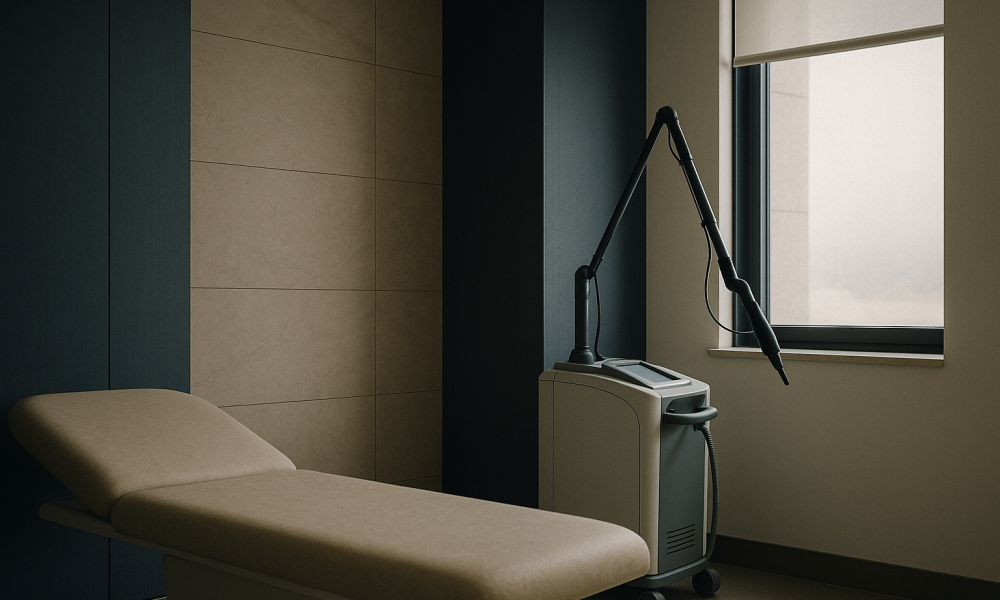
What Laser Tattoo Removal is and who it is for
Laser tattoo removal is a medical procedure designed to remove unwanted tattoos by breaking down the ink particles in the skin using laser technology. The process involves the application of a high-intensity beam of light that targets the tattoo pigment. Different types of lasers, such as Q-switched lasers, are used depending on the colour of the ink. Black ink tattoos absorb all laser wavelengths, making them the easiest to treat, whereas other colours can only be treated by selected lasers based on the pigment type.
The procedure is highly popular among individuals who wish to remove tattoos for personal, professional, or social reasons. It is particularly appealing to those who have experienced a change in lifestyle or aesthetic preference, or who wish to remove tattoos that have become distorted over time. The process is considered safe when performed by qualified professionals and is non-invasive, meaning it does not require surgical intervention.
The typical duration for a laser tattoo removal session ranges from 15 to 60 minutes, depending on the size and complexity of the tattoo. Patients often require multiple sessions to achieve the desired results, with the total number of sessions varying based on factors such as tattoo size, ink density, and individual skin type. On average, most tattoos require between 3 and 10 sessions, spaced several weeks apart to allow the skin to heal and the body to absorb the fragmented ink particles.
In Turkey, laser tattoo removal is a sought-after service due to the availability of modern technology and skilled practitioners. The country offers a cost-effective solution compared to many European countries, without compromising on quality or safety standards. Patients can expect indicative costs ranging from £100 to £500 per session, though prices may vary based on the specific characteristics of the tattoo and the clinic’s location and reputation.
Are you a good candidate?
Determining whether you are a suitable candidate for laser tattoo removal involves assessing various factors related to your health, the characteristics of your tattoo, and your expectations. Generally, individuals seeking this procedure should be in good overall health and have realistic expectations about the outcomes. Here are some criteria to consider:
- Skin Type: Laser tattoo removal is effective for all skin types, but lighter skin tones tend to respond better to the treatment, as there is less risk of pigment alteration.
- Tattoo Colour: Black and dark blue inks are the easiest to remove, while lighter colours like green, yellow, and fluorescent inks may require more sessions.
- Age of Tattoo: Older tattoos tend to fade more easily than newer ones because the ink has naturally broken down over time.
- Size and Location: Smaller tattoos in areas with good blood circulation, such as the chest and arms, often respond more quickly to treatment.
- Overall Health: Good candidates should not have any skin infections, active skin conditions, or compromised immune systems.
- Commitment to Multiple Sessions: Successful removal often requires a series of treatments, so patients must be willing to commit to multiple visits.
Before proceeding, a consultation with a qualified dermatologist or laser specialist is essential. They will evaluate your tattoo and skin type, discuss potential outcomes, and develop a personalised treatment plan. It is important to disclose any medical conditions or medications you are taking, as these could influence the procedure’s safety and effectiveness.
The procedure, step by step
Laser tattoo removal in Turkey is a meticulous procedure that requires careful planning and execution to achieve optimal results while minimizing risks. Here is a detailed step-by-step guide to help you understand what to expect during the procedure:
- Initial Consultation: The process begins with an initial consultation at the clinic. During this session, a qualified dermatologist or laser specialist will evaluate your tattoo, considering factors such as its size, colour, age, and ink composition. This evaluation helps in determining the number of sessions required and the type of laser technology to be used. Expect to discuss your medical history and any potential allergies related to the procedure.
- Patch Test: Before the full treatment commences, a patch test is usually conducted to assess how your skin reacts to the laser. This step is crucial to ensure safety and to customize the laser settings for your skin type.
- Preparation: On the day of the procedure, the treatment area will be cleaned thoroughly. A topical anaesthetic cream may be applied to minimize discomfort, although some patients report only mild sensations akin to a rubber band snapping against the skin.
- Laser Application: The laser specialist will use a handheld device to direct laser pulses onto the tattoo. The laser emits high-intensity light beams that penetrate the skin to break down the tattoo pigments. Different wavelengths are used for different colours; for example, black and dark blue inks, which absorb all laser wavelengths, are often the easiest to remove.
- Session Duration: Each session typically lasts between 15 to 30 minutes, depending on the size and complexity of the tattoo. Larger tattoos may require longer sessions or be divided into multiple sessions.
- Post-Procedure Care: After the session, a soothing gel or cream may be applied to the treated area to help reduce any immediate irritation. The practitioner will provide specific aftercare instructions, which are essential for avoiding infection and promoting optimal healing.
- Follow-Up Sessions: Multiple sessions are usually necessary to achieve the desired results, with intervals of 4 to 8 weeks between each session. This allows the body to naturally eliminate the fragmented ink particles and for the skin to heal adequately before the next treatment.
Understanding each step of the laser tattoo removal process can help alleviate concerns and set realistic expectations. It is important to follow all pre- and post-procedure instructions provided by your healthcare provider to ensure the best outcomes.
Recovery timeline
Recovery from laser tattoo removal is an integral part of the overall treatment process. The healing timeline can vary based on individual skin types, the size of the tattoo, and the area treated. Below is a detailed recovery timeline that outlines what you might expect at each stage and care notes to assist in your healing process:
| Period | What to expect | Care notes |
|---|---|---|
| Day 1 | Immediate redness and swelling, similar to a mild sunburn. Some patients may experience slight blistering. | Apply a cool compress to reduce swelling and discomfort. Avoid touching or scratching the area. Use a topical antibiotic ointment as advised by your specialist. |
| Days 2-3 | The treated area may form crusts or scabs as part of the natural healing process. Itching may occur as the skin begins to heal. | Keep the area clean and dry. Do not pick at scabs or crusts. Continue using any prescribed ointments and protect the area from direct sunlight. |
| Week 1 | Most redness and swelling should subside. The skin may still appear slightly discoloured or bruised. | Moisturise the area with a fragrance-free lotion. Wear protective clothing if exposure to sunlight is unavoidable. |
| Weeks 2-4 | The skin’s surface should begin to normalize. Any residual scabs should naturally fall off. Fading of the tattoo may start becoming noticeable. | Maintain skin hydration. Avoid tanning beds and swimming pools as these can irritate healing skin. |
| Week 5-8 | Further fading of the tattoo is usually visible. The skin should look and feel more natural by the end of this period. | Prepare for your next session if advised by your specialist. Continue to protect the skin from sun exposure to prevent hyperpigmentation. |
| Full recovery | Complete healing can take several months, with significant fading of the tattoo apparent after multiple sessions. | Follow all long-term care advice provided by your healthcare provider. Patience is key as your body continues to clear ink particles. |
Adhering to the recommended care notes during each phase of recovery is crucial for achieving the best possible results. Always consult with your healthcare provider if you have any concerns during the recovery process.
5. What it costs: Turkey vs Europe
When considering laser tattoo removal, understanding the cost dynamics between Turkey and Europe is crucial. Turkey has become a popular destination for this procedure, attracting patients with its competitive pricing and quality services. However, it’s essential to view these figures as indicative, as actual costs can vary based on factors such as the size and colour of the tattoo, the number of sessions required, and the clinic’s expertise.
| Region | Indicative Price Range (per session) | Typical Package Inclusions |
|---|---|---|
| Turkey | €50 – €150 | Consultation, laser session, aftercare instructions, follow-up appointment |
| Western Europe | €100 – €300 | Consultation, laser session, aftercare instructions, follow-up appointment |
The table above highlights that the cost per session in Turkey can be significantly lower than in Western Europe, with prices generally ranging from €50 to €150. In contrast, similar procedures in countries like the UK, Germany, or France may range from €100 to €300 per session. The lower cost in Turkey does not necessarily equate to lower quality. Many Turkish clinics offer comprehensive packages that include a consultation prior to the procedure, the laser session itself, detailed aftercare instructions, and a follow-up appointment to assess healing and plan further sessions if necessary.
When planning for laser tattoo removal, it’s beneficial to consider package deals that clinics might offer. These packages can provide a more cost-effective solution, particularly if multiple sessions are required, which is often the case for larger or more colourful tattoos. Patients should inquire about what each package includes and any additional costs that might arise, such as prescription creams or additional follow-up visits.
In summary, while the cost of laser tattoo removal in Turkey is generally lower than in Western Europe, prospective patients should ensure they are comparing like-for-like services and consider all elements of the treatment package. Engaging with accredited clinics that offer transparent pricing and comprehensive care is crucial in making an informed decision.
6. Risks and how accredited providers manage them
Like any medical procedure, laser tattoo removal comes with its own set of risks. However, when performed by accredited providers, these risks can be effectively managed. Understanding these risks and how they are mitigated is essential for anyone considering the procedure.
One of the primary risks associated with laser tattoo removal is skin irritation. The laser can cause redness, swelling, blistering, or scabbing, which are usually temporary and resolve with appropriate aftercare. Accredited providers manage this risk by offering detailed aftercare instructions that typically include keeping the area clean, applying recommended ointments, and protecting the skin from sun exposure.
Another potential risk is pigmentary changes, which can result in either hyperpigmentation or hypopigmentation. This risk is often higher in individuals with darker skin tones. Reputable clinics mitigate this by conducting a thorough skin assessment before the procedure and choosing the appropriate laser settings to minimise the risk of pigmentary changes.
Infection is a rare but possible risk if the treated area is not properly cared for post-procedure. Accredited providers will emphasise the importance of aftercare, advising patients to avoid touching the area with unclean hands and to follow a regimen that supports healing. Some clinics offer follow-up appointments to monitor the healing process and address any concerns promptly.
Scarring is another concern, though it is rare with modern laser technology when performed by skilled practitioners. Accredited providers typically have experienced technicians who are trained to use the laser equipment correctly, thereby minimising the risk of scarring. Patients are often advised to avoid picking at scabs or irritated skin to further reduce this risk.
Accredited clinics often employ certified dermatologists or laser technicians who are trained in the latest techniques and safety protocols. This professional expertise is crucial in both performing the procedure safely and in managing any side effects effectively. Prospective patients should look for clinics that are certified by recognised health authorities, which ensures adherence to high standards of care and safety.
In conclusion, while there are inherent risks with laser tattoo removal, choosing an accredited provider can significantly mitigate these risks. Thorough pre-treatment consultations, personalised care plans, and comprehensive aftercare protocols are key components in managing potential side effects and ensuring a safe and effective treatment experience.
How to choose the right provider
When considering laser tattoo removal in Turkey, selecting a reputable provider is crucial for safety and effectiveness. Start by researching clinics that have international accreditation, such as certification by the Joint Commission International (JCI) or the International Organization for Standardization (ISO). These accreditations ensure that the clinic adheres to high standards in healthcare quality and patient safety.
Surgeon and technician experience is another critical factor. Look for providers who employ certified dermatologists or laser specialists with extensive experience in tattoo removal. A practitioner with at least five years of experience and a portfolio of successful treatments can offer reassurance of their expertise. Additionally, inquire about the specific laser technologies they use, such as Q-switched or picosecond lasers, which are known for their effectiveness in tattoo removal.
Aftercare is a pivotal part of the tattoo removal process, so ensure the clinic provides comprehensive aftercare guidelines and support. This may include detailed instructions on wound care, follow-up appointments, and access to medical staff post-procedure should complications arise. Clear communication and support from the clinic can significantly impact your recovery and results.
Be vigilant about red flags when choosing a provider. Avoid clinics that make unrealistic guarantees about complete tattoo removal or promise results within a very short timeframe, as these claims are often misleading. Tattoo removal typically requires multiple sessions, spaced 6 to 8 weeks apart, and results can vary based on factors like ink colour and skin type.
Furthermore, steer clear of providers who do not offer a thorough initial consultation. A reputable clinic should conduct a detailed assessment of your tattoo and skin type to tailor a treatment plan specific to your needs. Clinics that skip this step may not be prioritising patient safety or treatment efficacy.
Planning your trip
Planning your trip for laser tattoo removal in Turkey involves several key steps to ensure a smooth experience. Begin by considering the timeline of your treatment. Tattoo removal is not a one-time procedure; it often requires multiple sessions. Plan your travel schedule to accommodate these sessions, which are typically spaced 6 to 8 weeks apart. This means you may need to arrange for multiple visits or an extended stay if you are travelling from afar.
Ensure you have all necessary documents in order before your trip. This includes a valid passport, any required visas, and medical records related to previous skin treatments or conditions. Some clinics may ask for a health questionnaire or a consent form to be filled out in advance. It’s wise to have digital and physical copies of these documents.
Consider the length of your stay for each session. Typically, you might need to stay for a minimum of 2 to 3 days to allow for initial consultations, the treatment itself, and a follow-up appointment to ensure there are no immediate complications. If you are planning multiple sessions, discuss with your provider about the optimal duration between sessions and how this fits with your travel plans.
Follow-up care at home is essential for a successful outcome. Discuss with your chosen clinic about the availability of remote consultations or any necessary follow-up procedures that can be done in your home country. They may provide you with detailed aftercare instructions and contact details in case you need assistance once you return home.
Lastly, consider travel insurance that covers medical procedures abroad. This can provide an additional layer of protection and peace of mind. Ensure that your insurance covers complications or any additional treatments that may arise during your stay.
Frequently Asked Questions
How much does laser tattoo removal in Turkey typically cost?
The cost of laser tattoo removal in Turkey can vary significantly based on factors such as the size and colour of the tattoo, as well as the number of sessions required. On average, you can expect to pay anywhere from €50 to €200 per session. It’s important to have a consultation to get a more precise estimate tailored to your specific needs.
Is laser tattoo removal safe?
Laser tattoo removal is generally considered safe when performed by qualified professionals using appropriate equipment. The procedure uses targeted laser technology to break down ink particles without damaging surrounding skin. However, like any medical procedure, there are potential risks, including skin irritation, scarring, and changes in skin pigmentation. Choose a reputable clinic with experienced practitioners to minimise these risks.
How many sessions will I need for tattoo removal?
The number of sessions required for effective tattoo removal can vary depending on factors such as the tattoo’s size, colour, and your skin type. Typically, most patients require between 6 and 12 sessions, spaced 6 to 8 weeks apart, to achieve significant fading or removal. A consultation with a specialist can provide a more accurate estimate for your specific case.
What should I expect during a tattoo removal session?
During a tattoo removal session, you can expect the practitioner to use a laser device to target the tattooed area. The laser emits short pulses of light energy that break down the ink particles. You may feel some discomfort, similar to the sensation of a rubber band snapping against the skin. The session duration can vary from a few minutes to over an hour, depending on the tattoo's size.
Are there any side effects of laser tattoo removal?
Common side effects of laser tattoo removal include redness, swelling, blistering, and mild pain in the treated area. These are usually temporary and subside within a few days. Less common side effects include scarring, infection, and changes in skin pigmentation. Following aftercare instructions and choosing an experienced provider can help minimise these risks.
How can I prepare for my tattoo removal procedure?
To prepare for your tattoo removal procedure, avoid sun exposure and tanning for at least two weeks prior. Keep the area clean and free from lotions or creams. Inform your practitioner about any medications or supplements you are taking. It’s also advisable to refrain from smoking and alcohol consumption before the procedure to promote better healing.
How long is the recovery time after each session?
Recovery time after each laser tattoo removal session can vary. Most patients experience redness and swelling for a few days, with full healing taking up to two weeks. It’s crucial to follow the aftercare instructions provided by your clinic, which may include keeping the area clean, applying prescribed ointments, and avoiding sun exposure.
Can all tattoo colours be removed with laser treatment?
Laser tattoo removal is most effective on black and dark blue inks, as these colours absorb the laser light more readily. However, newer laser technologies, like picosecond lasers, have improved the removal of lighter colours such as greens and yellows. Despite these advancements, some colours may still require more sessions or may not be completely removable.
Will I need to take time off work for the procedure?
Most patients do not need to take significant time off work after a tattoo removal session. The procedure itself is outpatient and relatively quick. However, you may wish to schedule your appointment towards the end of the week or before a weekend to allow for any initial redness or swelling to subside before returning to work.
What factors can affect the success of tattoo removal?
Several factors can influence the success of tattoo removal, including the age, size, and colour of the tattoo, as well as the patient’s skin type and overall health. Older tattoos and those with black ink are generally easier to remove. Smoking and certain medications can also impact the healing process and effectiveness of the treatment.
Can I remove a tattoo in one session?
It is highly unlikely to completely remove a tattoo in a single session. Tattoo removal typically requires multiple sessions, as the laser needs to break down the ink particles gradually. The number of sessions needed depends on various factors, including the tattoo's size, colour, and depth. Patience and adherence to the treatment plan are essential for optimal results.
Is laser tattoo removal painful?
Pain levels during laser tattoo removal can vary depending on individual tolerance and the tattoo's location. Many patients describe the sensation as similar to a rubber band snapping against the skin. Topical anaesthetics are often used to minimise discomfort during the procedure. Discuss pain management options with your provider if you have concerns.