
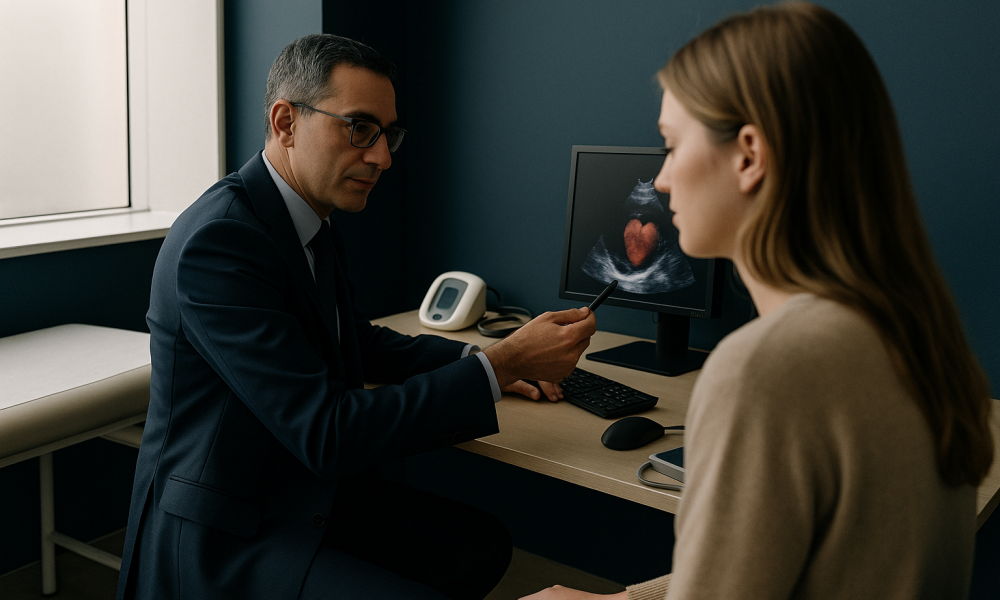
What Cardiac Check-Up is and who it is for
A cardiac check-up is a comprehensive evaluation designed to assess the health of your heart and vascular system. It is particularly beneficial for individuals who may be at risk of cardiovascular disease, those with a family history of heart issues, or anyone experiencing symptoms that could indicate a heart problem. This type of check-up typically includes a series of diagnostic tests and evaluations, which are carried out by a team of cardiology specialists.
In Turkey, a cardiac check-up usually involves several key components. Initially, a thorough medical history is taken, followed by a physical examination. Diagnostic tests may include electrocardiograms (ECGs), echocardiograms, stress tests, and blood tests to check cholesterol levels, blood sugar, and other relevant markers. In some cases, more advanced imaging techniques such as a CT scan or MRI may be recommended to provide a more detailed view of the heart’s structure and function.
The primary goal of a cardiac check-up is to detect any early signs of heart disease, assess risk factors, and provide guidance on lifestyle changes or treatments that can help prevent future cardiac events. This is particularly useful for individuals over the age of 40, those who smoke, have a sedentary lifestyle, or have conditions such as hypertension or diabetes. Since cardiovascular disease is a leading cause of death globally, early detection and management can significantly improve outcomes.
Turkey is becoming an increasingly popular destination for medical tourism due to its high-quality healthcare services, experienced medical professionals, and cost-effective treatment options. Cardiac check-ups in Turkey are carried out in modern facilities equipped with the latest technology, ensuring that patients receive accurate diagnoses and effective care. The typical cost for a comprehensive cardiac check-up in Turkey ranges from $500 to $1,500, which is considerably lower than in many Western countries.
Are you a good candidate?
Determining whether you are a good candidate for a cardiac check-up involves evaluating several personal health factors and risk profiles. While routine check-ups are beneficial for everyone, certain individuals are more strongly advised to undergo these assessments. Here is a checklist to help determine if a cardiac check-up in Turkey is right for you:
- Age: You are over 40 years old, which increases the risk of cardiovascular issues.
- Family history: You have a family history of heart disease or stroke, which may predispose you to similar conditions.
- Lifestyle factors: You smoke, have a sedentary lifestyle, or consume a diet high in saturated fats and sugars.
- Existing conditions: You have been diagnosed with hypertension, diabetes, or high cholesterol, all of which are significant risk factors for heart disease.
- Symptoms: You experience symptoms such as chest pain, shortness of breath, palpitations, or unexplained fatigue, which could be indicative of heart issues.
- Health goals: You are proactive about your health and wish to establish a baseline for your cardiovascular health to monitor over time.
If you meet one or more of these criteria, a cardiac check-up can provide valuable insights into your heart health and help guide any necessary interventions. It is essential to discuss your specific needs and concerns with a healthcare provider, who can tailor the check-up to address your individual risk factors and health history. By choosing to have a cardiac check-up in Turkey, you can benefit from the expertise of seasoned cardiologists and the advanced medical infrastructure available, while also enjoying the cultural and historical richness that the country has to offer.
The procedure, step by step
Undergoing a cardiac check-up in Turkey involves several methodical steps, ensuring a comprehensive evaluation of your heart’s health. Here’s a detailed look at the typical process:
- Initial Consultation: Upon arrival, you will meet with a cardiologist who will review your medical history and discuss any symptoms or concerns. This consultation helps to tailor the check-up to your specific needs.
- Physical Examination: A thorough physical examination will be conducted to assess any visible signs of cardiovascular issues. This may include checking your blood pressure, heart rate, and physical condition.
- Blood Tests: Routine blood tests are performed to evaluate cholesterol levels, blood sugar, and other relevant markers that could indicate heart disease risk.
- Electrocardiogram (ECG): An ECG records the electrical activity of your heart and helps detect any irregularities in heart rhythm or structure.
- Echocardiogram: This ultrasound-based test provides detailed images of the heart, allowing the cardiologist to examine heart function and detect structural abnormalities.
- Stress Test: A stress test, often conducted on a treadmill or stationary bike, monitors heart function under exertion. It helps identify issues that might not be present at rest.
- Advanced Imaging: Depending on initial findings, further imaging such as a CT scan or MRI may be recommended to provide more detailed insights into your cardiovascular health.
- Consultation and Recommendations: After completing the tests, you will have a follow-up consultation to discuss the results. The cardiologist will provide recommendations for treatment or lifestyle changes based on the findings.
- Follow-Up Care: You may receive a detailed report of your check-up, and arrangements for follow-up care can be made if necessary. This might include further tests or consultations with specialists.
Each step is designed to ensure that you receive a thorough assessment of your heart health, with the flexibility to adapt the process based on initial findings and individual health needs.
Recovery timeline
After completing a cardiac check-up in Turkey, understanding the recovery timeline is crucial for managing expectations and ensuring optimal health outcomes. Here’s a detailed overview of what to expect:
| Period | What to Expect | Care Notes |
|---|---|---|
| Day 1 | Mild discomfort or fatigue from tests like stress tests or imaging. You might experience slight bruising from blood tests. | Rest and hydrate well. Avoid strenuous activities. Follow any dietary recommendations provided by your cardiologist. |
| Days 2-3 | Return to normal activities with caution. You may have follow-up consultations to discuss initial test results. | Maintain a balanced diet and moderate physical activity. Keep a record of any unusual symptoms and communicate them to your healthcare provider. |
| Week 1 | Settling into new routines based on lifestyle recommendations. Some patients may start prescribed medications. | Adhere strictly to any prescribed medication schedules. Begin any recommended exercise regimes gradually. |
| Weeks 2-4 | Adjusting to lifestyle changes. Continued improvement in energy levels and overall wellbeing. | Regular check-ins with your healthcare provider, either remotely or in person. Monitor blood pressure regularly if advised. |
| Full Recovery (1 month) | Full integration of lifestyle changes. Enhanced understanding of personal health and risk factors. | Continue with regular health screenings as advised. Maintain open communication with your healthcare team regarding your progress and any concerns. |
This recovery timeline provides a structured plan to ensure you transition smoothly from your cardiac check-up to a healthier lifestyle. Adhering to care notes and keeping in touch with your healthcare provider are key to achieving the best outcomes.
5. What it costs: Turkey vs the United States
When considering a cardiac check-up abroad, understanding the cost differences between countries is crucial. In Turkey, cardiac check-ups are often more affordable compared to the United States, thanks to lower operational costs and competitive pricing in the healthcare sector. However, it is essential to remember that these figures are indicative and can vary depending on the specific clinic, the expertise of the healthcare providers, and the scope of the check-up package.
| Service | Turkey (Indicative) | United States (Indicative) |
|---|---|---|
| Basic Cardiac Check-Up | $300 – $700 | $1,200 – $2,500 |
| Comprehensive Cardiac Evaluation | $800 – $1,500 | $3,000 – $5,000 |
| Advanced Diagnostic Tests (e.g., CT Angiography) | $400 – $900 | $1,500 – $3,500 |
| Consultation with Cardiologist | $100 – $250 | $200 – $500 |
Typically, cardiac check-up packages in Turkey include a range of services such as initial consultations with cardiologists, basic laboratory tests, electrocardiograms (ECG), echocardiograms, and follow-up consultations. More comprehensive packages might also offer advanced imaging tests like CT or MRI scans, tailored dietary consultations, and personalised exercise recommendations. In contrast, similar packages in the United States might not only be pricier but could also come with additional costs for each component of the check-up.
Many Turkish clinics also offer bundled packages that might include transportation from the airport, accommodation arrangements, and translation services, which can be particularly appealing for international patients. This holistic approach not only provides value for money but also ensures that patients receive a seamless healthcare experience without the stress of logistical arrangements.
It is advisable for prospective patients to contact multiple clinics in Turkey to obtain detailed quotes and compare what each package includes. Always ensure that the quoted prices cover all necessary tests and consultations to avoid unexpected expenses. Remember, while cost is a significant factor, the quality of care, the credentials of the medical team, and the accreditation of the healthcare facility should also play a pivotal role in your decision-making process.
6. Risks and how accredited providers manage them
Undergoing a cardiac check-up abroad, like any medical procedure, involves certain risks. However, accredited healthcare providers in Turkey are well-equipped to manage these risks effectively, ensuring patient safety and high-quality care. Accreditation by international bodies such as the Joint Commission International (JCI) is a testament to a clinic’s adherence to rigorous healthcare standards and protocols.
One of the primary risks associated with cardiac check-ups is the potential for inaccurate or incomplete diagnosis, which can be mitigated by ensuring that the facility employs experienced cardiologists and uses state-of-the-art diagnostic equipment. Accredited clinics in Turkey typically invest heavily in advanced technologies and continuous staff training to maintain high diagnostic accuracy and reliability.
Communication barriers can pose another risk, especially for international patients. Accredited providers often offer multilingual staff or professional translation services to ensure clear communication between patients and healthcare providers. This reduces misunderstandings and ensures that patients are well-informed about their health status and treatment options.
Another concern is the management of any medical complications that may arise during or after the check-up. Accredited facilities have established protocols to handle emergencies and are often equipped with advanced life-support systems and trained personnel to manage acute situations swiftly. Many of these clinics also have partnerships with local hospitals, ensuring that patients can access comprehensive care if needed.
Infection control is another critical area where accredited Turkish providers excel. Stringent hygiene practices, regular audits, and a culture of safety help minimize the risk of hospital-acquired infections. These measures are in line with global standards, ensuring that patients are treated in a safe and clean environment.
Finally, patient privacy and data security are crucial aspects managed carefully by accredited providers. Compliance with international data protection regulations ensures that personal health information is kept confidential and secure. Patients can rest assured that their privacy is respected and that their data is handled with the utmost care.
While risks are inherent in any medical procedure, choosing an accredited provider in Turkey significantly mitigates these risks. Prospective patients should research and select clinics that demonstrate a commitment to quality and safety, ensuring a reassuring and professional healthcare experience.
How to choose the right provider
When considering a cardiac check-up in Turkey, selecting the right healthcare provider is crucial. The first aspect to evaluate is the accreditation of the hospital or clinic. Facilities accredited by international bodies such as the Joint Commission International (JCI) or the European Foundation for Quality Management (EFQM) have met rigorous standards in patient care and safety.
Beyond accreditation, the experience of the medical team is paramount. Prospective patients should inquire about the cardiologists’ qualifications, including their education, years of practice, and specific expertise in cardiac diagnostics. A cardiologist with over a decade of experience and a history of successful patient outcomes can offer a higher level of assurance.
Another important factor is the aftercare services provided by the facility. Comprehensive aftercare plans that include detailed follow-up schedules, access to telemedicine consultations, and collaboration with local healthcare providers in your home country can significantly enhance recovery and ongoing health management.
Be vigilant for red flags during your research. These might include a lack of transparency about treatment costs, ambiguous information about the qualifications of the medical staff, or poor communication from the administrative team. Additionally, overly aggressive marketing tactics or guarantees of specific outcomes should be approached with caution, as they may not reflect the responsible practice of medicine.
Finally, consider feedback from previous patients. Online reviews and patient testimonials can provide insights into the quality of care, the facility’s environment, and the overall patient experience. However, it is wise to critically assess these reviews and consider their context within the broader spectrum of available information.
Planning your trip
Effective planning is essential to ensure a smooth experience for your cardiac check-up in Turkey. Begin by establishing a timeline before travel. Ideally, start preparations at least 2 to 3 months in advance. This timeframe allows for thorough research, consultation with your primary healthcare provider at home, and the completion of necessary travel formalities.
Ensure you have the required documents. This includes a valid passport, a visa if necessary (though many nationalities can enter Turkey visa-free for short stays), and comprehensive travel insurance that covers medical procedures abroad. Additionally, gather all relevant medical records, including past cardiac evaluations, current medications, and any existing health conditions.
Consider the length of stay in Turkey. For a cardiac check-up, plan for at least 5 to 7 days. This duration accounts for initial consultations, diagnostic tests, and potential follow-up appointments. If any further procedures are recommended, additional time may be necessary.
Upon returning home, prioritize follow-up care. Arrange a post-treatment consultation with your local cardiologist to review the findings from Turkey and integrate them into your ongoing health management plan. Ensure that the Turkish provider supplies a comprehensive report of your tests and any recommendations.
Lastly, consider the logistics of travel, such as flight arrangements, accommodation, and local transportation. Many healthcare providers in Turkey offer packages that include assistance with these elements, which can ease the overall planning process. Always verify what is included in any package and compare costs to ensure you are receiving value for money.
Frequently Asked Questions
What is the typical cost for a cardiac check-up in Turkey?
The cost for a cardiac check-up in Turkey can vary, typically ranging from $500 to $1,200. This depends on the specific tests included, the clinic's location, and the level of the healthcare facility. Always confirm what is included in the price to avoid unexpected expenses.
How long should I plan to stay in Turkey for a cardiac check-up?
It is advisable to plan for a stay of at least 5 to 7 days. This allows time for initial consultations, diagnostic tests, and any necessary follow-up appointments. If further procedures are needed, you may need to extend your stay accordingly.
Are the doctors in Turkey qualified to perform cardiac check-ups?
Yes, many doctors in Turkey are highly qualified, with extensive training in cardiology. Look for healthcare providers with international accreditations and cardiologists with significant experience to ensure high standards of care.
Will my travel insurance cover a cardiac check-up in Turkey?
Coverage varies by policy, so it's essential to check with your insurance provider. Many travel insurances offer coverage for medical procedures abroad, but you should confirm that cardiac check-ups are included and understand any limitations or exclusions.
What should I do if I don't speak Turkish?
Most healthcare providers catering to international patients in Turkey have English-speaking staff. Additionally, many facilities offer interpretation services to assist with communication during your medical visit.
How safe is it to travel to Turkey for medical treatment?
Turkey is generally considered safe for medical tourism, with many accredited facilities and experienced healthcare professionals. It's important to stay informed about travel advisories from your government and choose accredited hospitals for your care.
What documents do I need to bring for my cardiac check-up?
Bring a valid passport, any necessary visa, travel insurance details, and your medical records, including past cardiac evaluations and a list of current medications. This information will help your healthcare provider offer the best care.
Can I combine my cardiac check-up with a holiday in Turkey?
Yes, many patients combine medical treatment with sightseeing. Plan your itinerary carefully to ensure you have enough time for both medical appointments and leisure activities, and always prioritize your health needs first.
What happens if the check-up reveals a serious condition?
If a serious condition is identified, your Turkish healthcare provider will discuss treatment options with you. They may recommend immediate treatment or further consultations. It's crucial to have a plan for follow-up care with your local doctor upon returning home.
Is it possible to have a remote consultation before travelling?
Yes, many clinics offer the option of remote consultations via video call. This can help you discuss your needs, understand the proposed tests, and plan your trip more effectively before travelling to Turkey.
How do I verify the accreditation of a Turkish hospital?
You can verify accreditation by checking the hospital's website for certification details or visiting the accrediting body's website, such as the Joint Commission International, for a list of accredited facilities. This ensures the hospital meets international standards.
Are there any hidden costs I should be aware of?
While many clinics provide transparent pricing, it's essential to confirm all costs upfront, including consultations, tests, and aftercare. Ask for a detailed breakdown of the package to avoid unexpected charges.