
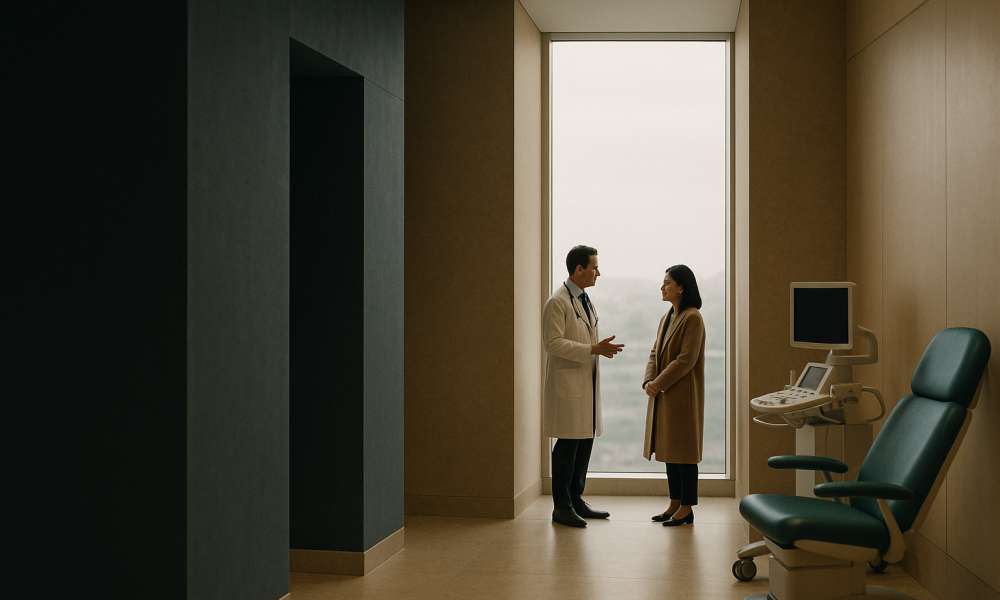
What Cancer Screening Package is and who it is for
The Cancer Screening Package in Turkey is a comprehensive medical service designed to detect early signs of cancer in individuals who might be at risk due to factors such as age, family history, or lifestyle. This package typically includes a series of tests and examinations tailored to identify various types of cancers, such as breast, prostate, colorectal, lung, and cervical cancers. It is particularly beneficial for individuals who do not exhibit any symptoms but wish to take a proactive approach in monitoring their health.
In Turkey, medical facilities offering these screening packages are equipped with state-of-the-art technology and staffed by experienced healthcare professionals. The country has become a popular destination for medical tourism due to its combination of high-quality healthcare services and affordable pricing. Typically, the cancer screening process in Turkey spans over one to two days, allowing patients to receive comprehensive evaluations without an extended stay.
The screening process usually begins with a detailed consultation, where the patient’s medical history, lifestyle, and any existing health concerns are reviewed. Based on this initial assessment, a personalised screening plan is developed. Common components of a cancer screening package may include blood tests, imaging tests such as mammograms or CT scans, and specific procedures like colonoscopy or Pap tests, depending on the individual’s risk factors.
These packages are particularly suited for individuals aged 50 and above, as well as those with a family history of cancer or other risk factors, such as smoking or obesity. By opting for cancer screening, patients can benefit from early detection, which significantly increases the chances of successful treatment and recovery. However, it is crucial to understand that while these screenings can detect potential issues early, they do not guarantee the prevention of cancer. The purpose is to identify cancer at an early, more treatable stage.
Are you a good candidate?
Determining whether you are a good candidate for a Cancer Screening Package in Turkey involves evaluating several factors that may put you at a higher risk for developing cancer. While anyone can choose to undergo screening, certain criteria can help identify those who might benefit the most from these services.
- Age: Individuals aged 50 and older are generally considered at higher risk for various cancers and are often recommended for regular screenings.
- Family History: A family history of cancer, particularly in first-degree relatives, can increase your risk, making you a strong candidate for screening.
- Lifestyle Factors: Habits such as smoking, excessive alcohol consumption, and a sedentary lifestyle can elevate cancer risk, suggesting the need for regular screenings.
- Previous Health Issues: Those with a history of pre-cancerous conditions or other related health issues should consider regular monitoring.
- Environmental Exposure: Prolonged exposure to harmful environmental factors, such as radiation or carcinogenic chemicals, may necessitate more frequent screenings.
- Ethnicity: Certain ethnic groups may have a higher predisposition to specific types of cancer, which should be considered when evaluating screening needs.
Before deciding on a screening package, it is advisable to consult with a healthcare provider to discuss personal risk factors and the most appropriate tests. This consultation is crucial to ensure that the screening is tailored to your specific needs and that you understand what the process entails. Additionally, while screening can provide peace of mind and potentially life-saving early detection, it is important to be aware of the limitations and risks, such as false positives or negatives, which can occur. A well-informed decision, made in conjunction with professional medical advice, will maximise the benefits of the cancer screening package.
The procedure, step by step
Undergoing a cancer screening package in Turkey involves a series of carefully coordinated steps designed to ensure a comprehensive evaluation of your health status. The process is systematic and involves multiple healthcare professionals to provide a thorough assessment.
- Initial Consultation: Upon arrival, you will meet with a consultant who specialises in oncology. This session typically lasts 30 to 60 minutes, during which your medical history, family history, and any current symptoms are discussed. This consultation helps tailor the screening package to your specific needs.
- Pre-Screening Tests: Before the main screening tests, a series of preliminary evaluations are conducted. These may include blood tests, urine analysis, and basic imaging such as chest X-rays. These tests help in identifying any immediate concerns that need to be addressed before proceeding with more detailed investigations.
- Comprehensive Imaging: Depending on your risk factors and the initial consultation, you may undergo various imaging tests. Commonly included are MRI or CT scans, mammography for women, and ultrasound for abdominal or other specific areas. Each of these tests can take anywhere from 15 to 45 minutes. The imaging provides detailed insights into the presence of any abnormalities.
- Endoscopic Procedures: For a more detailed view of the internal organs, endoscopic procedures such as colonoscopy or gastroscopy might be performed. These are generally conducted under mild sedation and can take 20 to 60 minutes. It is important to have an empty stomach for these tests, so fasting is usually required.
- Biopsy (if necessary): If any suspicious lesions or abnormalities are detected, a biopsy may be recommended. This involves taking a small sample of tissue for further analysis. The procedure is usually done under local anaesthesia and can take 15 to 30 minutes.
- Post-Screening Consultation: Once all tests are completed, a follow-up consultation is scheduled. During this meeting, the results are reviewed, and any further investigations or treatments are discussed. This consultation may take about 30 minutes, ensuring you have a clear understanding of your health status and any next steps.
- Report Compilation: A comprehensive report is compiled, usually available within a few days, summarising all findings and recommendations. This report is vital for your ongoing healthcare management and can be shared with your local healthcare provider back home.
Each step of the procedure is designed to be as comfortable and informative as possible, with a focus on patient safety and clarity of communication.
Recovery timeline
The recovery timeline following a cancer screening package in Turkey varies depending on the types of tests conducted. While most screenings are non-invasive, some procedures may require a short recovery period. The following table outlines what to expect and how to care for yourself post-screening.
| Period | What to expect | Care notes |
|---|---|---|
| Day 1 | Post-procedure fatigue, especially if sedation was used for endoscopy. Minor discomfort or bloating may occur after a colonoscopy. | Rest is recommended. Stay hydrated and eat light meals. Avoid alcohol and heavy lifting. |
| Days 2-3 | Most patients feel back to normal. Slight bruising might be present at IV or injection sites. | Continue with light activities. Monitor for any unusual symptoms, such as severe pain or bleeding. |
| Days 4-7 | Full recovery is expected. Results from biopsies or complex tests may start coming in. | Follow up on test results. Keep communication open with your healthcare provider for any additional instructions. |
| 1-2 weeks | Final results and comprehensive report should be received. Discuss findings with your local doctor. | Schedule follow-up appointments if necessary. Maintain a record of all findings for future reference. |
It is important to note that individual recovery experiences can vary. Always adhere to the specific advice given by your healthcare provider in Turkey and consult your local doctor for any concerns post-return.
What it costs: Turkey vs the United States
When considering cancer screening packages abroad, cost is often a significant factor. In Turkey, the cost of comprehensive cancer screening packages is generally more affordable compared to the United States. However, it is crucial to understand that these figures are indicative and can vary based on several factors such as the specific tests included, the technology used, and the reputation of the medical facility.
The following table provides a comparison of indicative price ranges for cancer screening packages in Turkey and the United States:
| Package Component | Turkey (USD) | United States (USD) |
|---|---|---|
| Basic Cancer Screening | 500 – 1,000 | 1,500 – 3,000 |
| Comprehensive Screening (including advanced imaging like MRI, CT scans) | 1,500 – 3,000 | 4,000 – 8,000 |
| Specific Cancer Screenings (e.g., breast, prostate) | 300 – 700 | 800 – 1,500 |
| Genetic Testing for Cancer Risk | 400 – 900 | 1,000 – 2,500 |
These packages typically include consultations with specialists, a range of diagnostic tests such as blood tests, imaging tests, and sometimes even genetic testing. In Turkey, many hospitals offer all-inclusive packages that cover transportation, accommodation, and sometimes even a personal host to assist with language and logistical needs, which can be appealing to international patients.
It is important to note that while the initial costs in Turkey may seem lower, patients should consider additional factors such as travel expenses, accommodation, and potential follow-up care that may be required. Nevertheless, the overall cost can still be significantly less than what one might expect to pay in the United States. Patients are encouraged to request detailed quotes from multiple facilities to understand what is included in each package and to make informed decisions based on their personal needs and budget.
Risks and how accredited providers manage them
Undergoing cancer screening in a foreign country involves certain risks, just as it does domestically. However, accredited providers in Turkey are well-equipped to manage these risks, ensuring patient safety and care quality. It is essential to choose facilities that are accredited by international bodies such as the Joint Commission International (JCI) or have affiliations with reputable healthcare organisations.
The primary risks associated with cancer screening include false-positive or false-negative results, which can lead to unnecessary anxiety or delayed diagnosis, respectively. Accredited providers in Turkey mitigate these risks by employing highly trained and experienced medical professionals who use state-of-the-art equipment. Regular calibration and maintenance of diagnostic equipment are standard practices to ensure accuracy and reliability.
Another potential risk is exposure to radiation, particularly with imaging tests like CT scans. Turkish hospitals adhere to international safety standards, ensuring that radiation doses are kept as low as possible while still achieving accurate results. Patients are informed about the risks and benefits of each test, allowing them to make informed decisions about their care.
For international patients, language barriers might present a challenge. Accredited facilities often have multilingual staff or offer translation services to ensure clear communication and understanding throughout the screening process. This is crucial for obtaining accurate medical histories and ensuring patients fully understand their results and any recommended follow-up actions.
Moreover, infection control is a top priority. Accredited Turkish hospitals follow strict hygiene protocols, including regular sterilisation of equipment and facilities, to minimise the risk of hospital-acquired infections. Patients should feel reassured by the high standards of cleanliness and infection control measures in place.
To further manage risks, comprehensive pre-screening assessments are conducted to determine a patient’s suitability for specific tests. This personalised approach helps to tailor screening packages to individual needs, reducing the likelihood of unnecessary procedures. In the event of any adverse findings or complications, accredited providers have protocols in place for swift intervention and coordination with specialists to provide appropriate care.
In summary, while there are inherent risks in any medical procedure, choosing an accredited provider in Turkey can help manage these effectively. Patients are encouraged to conduct thorough research, ask questions, and ensure they are comfortable with the facility and its practices before proceeding with any screening package.
How to choose the right provider
Choosing the right provider for cancer screening in Turkey is a crucial step in ensuring a comprehensive and reassuring experience. When considering providers, accreditation is an essential factor. Look for facilities accredited by internationally recognised bodies such as the Joint Commission International (JCI) or the International Organization for Standardization (ISO). These accreditations ensure that the facility adheres to the highest standards of quality and patient safety.
Another critical aspect is the experience and expertise of the healthcare professionals involved. Research the background of the medical team, particularly the radiologists and oncologists who will interpret your screening results. Experienced professionals are more likely to provide accurate diagnoses and recommendations. You may look for professionals who have trained or worked in leading institutions globally or have been involved in relevant research and publications.
Aftercare is another vital component. A reputable provider will offer comprehensive aftercare services, ensuring that you understand your results and the next steps. This might include consultations to discuss findings, recommendations for further tests if necessary, and a clear plan for follow-up care. Check whether the provider offers telemedicine consultations, which can be convenient for follow-up discussions once you return home.
Be aware of red flags when choosing a provider. If a facility seems to promise guaranteed results or outcomes, it is advisable to proceed with caution. Additionally, be wary of providers who do not offer transparent pricing or who have poor communication with prospective patients. It is also a good idea to read reviews from other international patients to gauge their experiences and satisfaction levels.
Cost considerations are important, but they should not be the sole deciding factor. While indicative costs for a comprehensive cancer screening package in Turkey may range from £500 to £1,500, depending on the tests included, the quality of care and the facility’s reputation should take precedence. Engage with providers directly to obtain detailed information about what is included in the package and any potential additional costs.
Planning your trip
Planning your trip to Turkey for a cancer screening package requires careful consideration to ensure a smooth and stress-free experience. Begin planning at least two to three months before your intended travel date. This allows ample time to research providers, book appointments, and make necessary travel arrangements.
Ensure your travel documents are in order. US citizens typically need a valid passport and may require an e-Visa to enter Turkey. Check the latest requirements from the Turkish consulate or embassy to avoid any surprises. It’s also advisable to have copies of your medical records, including any previous test results or imaging studies, which can be helpful for the medical team in Turkey.
The typical length of stay for a cancer screening package can range from three to five days, allowing time for initial consultations, tests, and results discussions. Some patients prefer to extend their stay to explore the cultural and historical sites in Turkey, which can be a rewarding experience after completing medical appointments.
Consider accommodation options that are conveniently located near your chosen healthcare facility. Many hospitals and clinics have partnerships with nearby hotels offering discounted rates for medical tourists. Look for accommodations with good reviews and amenities that suit your needs.
After your screening, it’s important to plan for follow-up care at home. Discuss with your healthcare provider in Turkey how results will be communicated and whether they will coordinate with your primary care physician in the US. Many providers offer digital copies of your results, which you can easily share with your doctor back home.
Finally, ensure you have adequate travel insurance that covers medical treatment abroad. This can provide peace of mind in case of unexpected medical needs during your trip. Travel insurance policies typically range from £50 to £200, depending on coverage and duration.
Frequently Asked Questions
What is the typical cost of a cancer screening package in Turkey?
The cost of a cancer screening package in Turkey can vary widely depending on the specific tests included. Generally, you can expect to pay between £500 and £1,500. It's important to obtain a detailed breakdown of what the package includes to understand the full scope of services offered.
Are the medical facilities in Turkey accredited?
Yes, many medical facilities in Turkey are accredited by international organisations such as the Joint Commission International (JCI) and the International Organization for Standardization (ISO). These accreditations ensure that the facilities meet stringent standards for quality and patient safety, providing reassurance to international patients.
How do I verify the credentials of the medical staff?
To verify the credentials of medical staff, you can request information directly from the hospital or clinic. Reputable providers will provide details about their staff's qualifications, experience, and areas of expertise. Additionally, you can check online reviews and testimonials from past patients to gain insights into their experiences.
What should I do if I encounter a language barrier?
Most international hospitals in Turkey offer English-speaking staff or translation services to assist foreign patients. It is advisable to confirm the availability of these services before your visit to ensure effective communication throughout your treatment and care.
How long should I expect to stay in Turkey for the screening?
The typical stay for a cancer screening in Turkey ranges from three to five days. This allows time for initial consultations, tests, and discussions of results. Some patients may choose to extend their stay for leisure or further medical consultations, depending on their personal preferences and needs.
Will my insurance cover the costs of screening in Turkey?
Coverage for international medical procedures varies by insurer and policy. It's important to contact your insurance provider to determine if your policy covers procedures performed abroad. Some insurers may offer partial or full reimbursement, while others may require pre-approval for coverage.
What are the risks involved in cancer screening?
Cancer screening in itself is generally low-risk. However, like any medical procedure, there can be potential risks such as false positives or negatives, which can lead to unnecessary anxiety or missed diagnoses. It's crucial to discuss these possibilities with your healthcare provider before proceeding.
What follow-up care is available after the screening?
After your screening, the facility will provide you with a detailed report of your results. Many providers offer follow-up consultations to discuss your results and any recommended next steps. They can also coordinate with your primary care physician back home to ensure continuity of care.
How soon can I expect to receive my results?
Results from cancer screenings are typically available within a few days to a week, depending on the specific tests conducted. Some facilities offer expedited services for an additional fee, allowing you to receive results more quickly if needed.
Is it safe to travel to Turkey for medical procedures?
Turkey is a popular destination for medical tourism and offers many internationally accredited facilities. As with any travel, it's important to stay informed about current travel advisories and ensure you have travel insurance that covers medical treatment abroad for added security.
What should I pack for my medical trip to Turkey?
When travelling for medical purposes, pack comfortable clothing, any necessary medications, and personal identification documents. It's also helpful to bring copies of your medical records, a list of any allergies, and contact information for your healthcare providers both in Turkey and back home.
Can I schedule leisure activities during my medical trip?
Yes, many patients choose to combine their medical trips with leisure activities. After completing your medical appointments, you might consider exploring Turkey's rich cultural heritage, including historical sites, museums, and local cuisine. Ensure that any planned activities do not interfere with your medical schedule.