
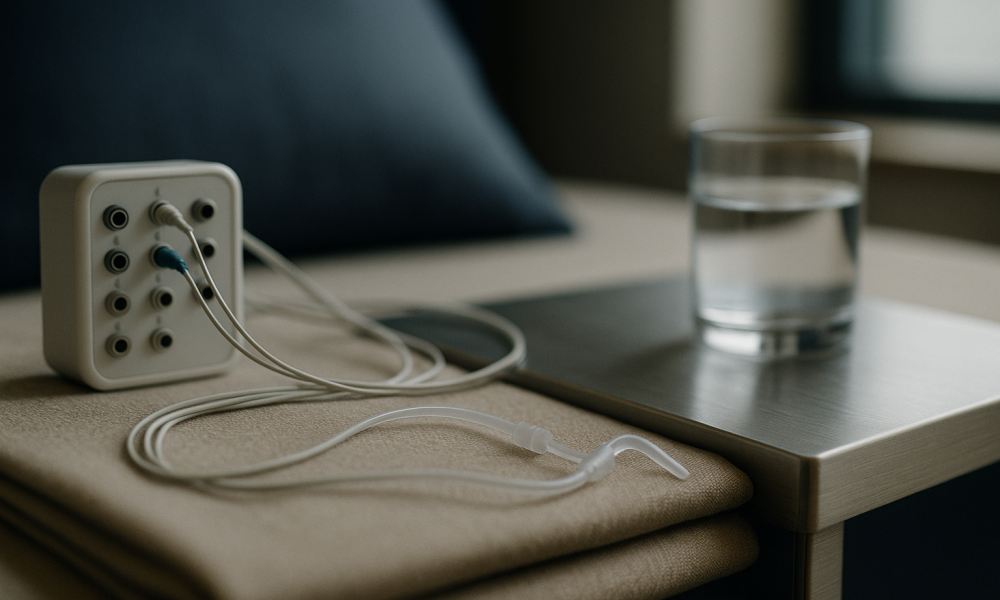
What Sleep Study Abroad is and who it is for
Sleep studies, or polysomnography, are comprehensive tests used to diagnose sleep disorders. These studies record your brain waves, oxygen levels in your blood, heart rate, and breathing, as well as eye and leg movements during the night. Conducting a sleep study abroad in Turkey is an increasingly popular option for patients from the United Kingdom, particularly due to the combination of cost-effectiveness and high-quality medical care available in the country.
Typically, a sleep study is conducted overnight in a hospital or sleep clinic. The study is non-invasive and involves placing sensors on your body to monitor various physiological parameters. It is primarily used to diagnose conditions such as obstructive sleep apnoea, narcolepsy, restless legs syndrome, and other sleep-related issues.
Turkey has become a notable destination for sleep studies due to its well-established healthcare infrastructure and the availability of internationally accredited medical facilities. Many healthcare providers in Turkey offer sleep studies conducted by experienced specialists who are proficient in both English and Turkish, ensuring clear communication with international patients.
The cost of a sleep study in Turkey is typically lower than in the UK, with indicative prices ranging from £500 to £800. This cost advantage, coupled with the opportunity to experience Turkey’s rich culture and hospitality, makes it an appealing choice for those considering medical tourism. Patients often combine their sleep studies with leisure trips to explore Turkey’s historical sites and natural landscapes.
Sleep studies are crucial for individuals experiencing chronic sleep issues, as they provide detailed insights into one’s sleep patterns and help in formulating appropriate treatment plans. With the growing awareness of the importance of sleep health, more individuals are seeking accurate diagnoses and effective treatments, making sleep studies a vital component of comprehensive healthcare.
Are you a good candidate?
Determining whether you are a suitable candidate for a sleep study involves evaluating several factors related to your health and symptoms. Sleep studies are generally recommended for individuals who exhibit signs of sleep disorders or have been advised by a healthcare professional to undergo further investigation.
Here is a checklist to help you assess your candidacy for a sleep study:
- Persistent Snoring: Loud and chronic snoring that disrupts your partner’s sleep or causes you to wake up intermittently.
- Daytime Sleepiness: Experiencing excessive fatigue or drowsiness during the day, even after a full night’s sleep.
- Observed Apnoea: Instances where you stop breathing during sleep, often reported by your partner or family members.
- Restless Sleep: Frequent tossing and turning, or movements that disrupt restful sleep.
- Difficulty Falling Asleep: Trouble initiating sleep or maintaining sleep throughout the night.
- Unexplained Fatigue: Persistent tiredness that cannot be attributed to other medical conditions.
- High Blood Pressure: Hypertension that is resistant to medication may be linked to sleep disorders.
- Obesity: Being overweight can increase the risk of sleep apnoea and other disorders.
If you identify with one or more of these criteria, it may be beneficial to discuss the possibility of a sleep study with your healthcare provider. It’s essential to rule out other medical conditions and ensure that a sleep study is the appropriate diagnostic tool for your specific situation.
In addition to the above criteria, you should also consider logistical factors such as your ability to travel to Turkey and the availability of support systems during your stay. Ensuring comprehensive medical insurance coverage for international procedures can also be beneficial. Ultimately, the decision to undergo a sleep study should be made in consultation with your healthcare provider, taking into account both your medical needs and personal circumstances.
The procedure, step by step
Undergoing a sleep study in Turkey involves a series of carefully coordinated steps designed to ensure accurate diagnosis and effective treatment recommendations. Here is a detailed outline of what you can expect during the procedure:
- Initial Consultation: Upon arrival, you will meet with a sleep specialist to discuss your symptoms, medical history, and any previous sleep studies. This consultation is crucial for tailoring the study to your specific needs.
- Pre-Study Preparation: You may be advised to avoid caffeine, alcohol, and certain medications on the day of the study to ensure accurate results. Instructions will be provided regarding what to bring, such as comfortable sleepwear and personal toiletries.
- Arrival at the Sleep Clinic: Typically, you will check into the sleep clinic in the early evening. You will be shown to a private, hotel-like room equipped with monitoring equipment.
- Attachment of Monitoring Devices: A technician will attach various sensors to your body, including electrodes on your scalp, face, and chest, as well as belts around your abdomen and chest to monitor breathing. These sensors are painless and designed to record your sleep patterns, breathing, heart rate, and movements throughout the night.
- Overnight Monitoring: Once the sensors are in place, you will be encouraged to relax and sleep as you normally would. The technician will monitor the data remotely from a control room, ensuring all equipment functions correctly. You may be asked to sleep in different positions to gather comprehensive data.
- Data Analysis: After the study, the data collected will be analysed by sleep specialists. This can take a few days, during which the specialists will identify any sleep disorders or irregular patterns.
- Follow-up Consultation: Once the analysis is complete, you will have a follow-up meeting with the sleep specialist to discuss the findings. This consultation will also cover potential treatment options, which could range from lifestyle changes to medical interventions.
Throughout the entire process, communication with the medical team is encouraged to address any concerns or questions you may have.
Recovery timeline
Recovering from a sleep study is typically straightforward, as the procedure is non-invasive. However, understanding the timeline can help set expectations and ensure a smooth experience. Below is a table outlining the recovery process:
| Period | What to expect | Care notes |
|---|---|---|
| Day 1 | Immediately after the study, you may feel slightly tired due to the unfamiliar sleep environment. You can resume normal activities, but it might be beneficial to take it easy for the rest of the day. | Ensure you have a light schedule post-study. Hydrate well and eat balanced meals to help regain energy. |
| Day 2-3 | Most patients feel back to normal within a day or two. You should notice no lasting effects from the sensors or the sleep study itself. | Maintain regular sleep hygiene practices to adjust back to your usual sleep pattern. If you feel unusually fatigued, consult your healthcare provider. |
| Day 4-7 | If you have received your results, you may begin implementing any recommended lifestyle changes or treatments. It is common to have a follow-up appointment during this period. | Start any prescribed treatments gradually and keep a log of your sleep patterns and symptoms for future consultations. |
| Full Recovery | By the end of the first week, any minor disruptions from the study should be resolved. You should be well on your way to following any new treatment plans if needed. | Continue to monitor your sleep and communicate with your sleep specialist about any ongoing issues or improvements. |
Remember, the primary goal of a sleep study is to gather data for diagnosis, so recovery is more about adjusting to new insights and potential treatments rather than physical healing.
What it costs: Turkey vs the United Kingdom
When considering a sleep study abroad, cost is a significant factor that many patients weigh carefully. In Turkey, the expense of undergoing a sleep study is generally lower than in the United Kingdom, offering a cost-effective alternative without compromising on quality. However, it is crucial to understand that these figures are indicative and can vary based on the facility, the complexity of the study, and additional services provided.
| Country | Indicative Price Range (GBP) | Typical Package Inclusions |
|---|---|---|
| Turkey | £500 – £1,200 |
|
| United Kingdom | £1,500 – £3,000 |
|
The table illustrates a clear cost advantage for Turkey, where the price range for a comprehensive sleep study package typically falls between £500 and £1,200. In contrast, the same procedure in the United Kingdom might cost between £1,500 and £3,000. This cost difference can be attributed to several factors, including lower operational costs in Turkey, favourable exchange rates, and government incentives to promote medical tourism.
In both countries, the typical package for a sleep study includes an initial consultation to assess the patient’s needs, an overnight polysomnography to monitor sleep patterns, basic laboratory fees, and a follow-up consultation to discuss the results and potential treatment options. Some Turkish clinics may also offer additional services such as transportation from the airport, accommodation arrangements, and extended follow-up care, which can further enhance the value of the package.
While cost is an important consideration, it should not be the sole factor in decision-making. Patients are encouraged to thoroughly research and compare providers, looking at credentials, patient reviews, and the specific services included in each package. This ensures that the selected facility meets their personal needs and expectations.
Risks and how accredited providers manage them
Undergoing a sleep study, like any medical procedure, involves certain risks. However, these risks are generally minimal and can be effectively managed by choosing an accredited provider. In Turkey, many clinics that cater to international patients are accredited by reputable organisations such as the Joint Commission International (JCI), ensuring they adhere to high standards of safety and quality.
The primary risks associated with sleep studies include discomfort from the monitoring equipment, potential allergic reactions to adhesives or sensors, and, in rare cases, skin irritation. Accredited providers in Turkey are well-equipped to handle these issues, employing trained staff who follow strict protocols to minimise discomfort and quickly address any adverse reactions.
Accredited clinics also focus on maintaining a sterile and safe environment to prevent infections. This involves regular sanitisation of equipment, use of disposable materials where applicable, and adherence to stringent hygiene standards. Additionally, patient data privacy is a top priority, with robust systems in place to protect sensitive information.
To further mitigate risks, comprehensive pre-study assessments are conducted to identify any specific concerns or conditions that might affect the study. Patients are encouraged to share their full medical history and any known allergies with the medical team. This allows the providers to tailor the procedure to each patient’s needs and ensure a safe experience.
Another potential concern for international patients is the language barrier. However, most accredited facilities in Turkey employ multilingual staff or offer translation services to ensure clear communication. This aids in reducing misunderstandings and ensures that patients are fully informed about the procedures and any associated risks.
It is important for patients to feel comfortable and confident in their choice of provider. Researching the credentials and reputation of the clinic, as well as reading patient testimonials, can provide valuable insights into the quality of care and risk management practices. Patients should not hesitate to ask questions about the clinic’s accreditation, the qualifications of its staff, and the specific measures in place to ensure safety. By taking these steps, patients can significantly reduce the risks associated with undergoing a sleep study abroad.
How to choose the right provider
When selecting a provider for a sleep study in Turkey, several critical factors should be considered to ensure a safe and effective experience. Accreditation is a primary concern; look for clinics that are accredited by internationally recognised bodies such as the Joint Commission International (JCI) or the Turkish Ministry of Health. These accreditations ensure that the facility meets global standards of healthcare quality and patient safety.
The experience of the medical team is another crucial aspect. Research the credentials and experience of the sleep specialists and technicians who will be conducting your study. Ideally, they should have several years of experience in sleep medicine and be certified by reputable organisations. It is also beneficial to find providers who are involved in ongoing research or who regularly attend international conferences, as this indicates they are up-to-date with the latest in sleep medicine advancements.
Aftercare is an essential part of the sleep study process. A reputable provider should offer comprehensive aftercare services, which may include follow-up consultations, access to treatment plans for any diagnosed sleep disorders, and communication with your healthcare providers back home. Be sure to inquire about the aftercare services provided and how they are coordinated.
Be vigilant about red flags that may indicate a less reputable provider. These include clinics that lack transparent pricing structures, offer guaranteed results, or have poor communication. Additionally, be cautious of facilities that do not provide clear information about the procedures and outcomes or those that have negative reviews online. It is advisable to contact former patients about their experiences to gain honest insights into the provider’s services.
Finally, consider the logistics of location. Choose a provider situated in a region with good transport links and infrastructure, which can ease your travel experience. Research the local area to ensure that it offers the amenities and safety you would expect during your stay.
Planning your trip
Planning your trip for a sleep study in Turkey involves several key steps to ensure a smooth and stress-free experience. Begin by establishing a timeline that allows ample time for preparation. It is advisable to start planning at least 8-12 weeks before your intended travel date. This timeframe is essential to arrange consultations, gather necessary documents, and finalise travel arrangements.
Ensure you have all required documents ready, including your passport, visa (if required for stays longer than 90 days), medical records, and any correspondence from the Turkish clinic. You may also need to provide a letter from your GP detailing your medical history and the reasons for the sleep study. Confirm these requirements with the clinic well in advance.
Consider the length of your stay in Turkey. While the sleep study itself may only take one or two nights, it is wise to allocate additional time for initial consultations and any follow-up appointments. Typically, a stay of 5-7 days should suffice, allowing time for travel, the procedure, and recovery before returning home.
Arranging follow-up care upon your return to the UK is crucial. Discuss with the Turkish clinic how they will communicate the results of your study and any treatment recommendations to your UK healthcare provider. Ensure you have a plan in place for any necessary follow-up appointments or treatments.
Lastly, consider travel insurance that covers medical procedures abroad. This insurance should include coverage for any unexpected issues related to your sleep study and general travel contingencies. Compare policies to find the best coverage for your needs, paying attention to the terms related to pre-existing conditions and medical tourism.
Frequently Asked Questions
What is the typical cost range for a sleep study in Turkey?
The cost of a sleep study in Turkey can vary depending on the facility and the complexity of the study. Typically, you can expect to pay between £500 and £1,500. This range is indicative and may include initial consultations, the sleep study itself, and some basic aftercare services. It is important to confirm what is included in the quoted price with your chosen provider.
How do I ensure the clinic I choose is safe?
To ensure the safety of the clinic you choose, verify that it is accredited by internationally recognised organisations such as the JCI or the Turkish Ministry of Health. Check the credentials and experience of the medical staff, read reviews from previous patients, and ensure the clinic has transparent communication about procedures and outcomes. Avoid clinics that offer guaranteed results or have unclear pricing structures.
What documents do I need to bring for my sleep study in Turkey?
You will need to bring your passport, any necessary visa documentation, and relevant medical records. Additionally, a letter from your GP detailing your medical history and the reasons for the sleep study may be required. It's important to confirm specific document requirements with the clinic in advance to ensure you have everything needed for your appointment.
How long should I plan to stay in Turkey for the sleep study?
While the sleep study itself typically takes one or two nights, you should plan to stay in Turkey for 5-7 days. This duration allows time for initial consultations, the procedure, and any necessary follow-up appointments. It also provides a buffer for travel and recovery time before returning home.
Will I need follow-up care after my sleep study?
Yes, follow-up care is an important part of the process. The clinic should provide a detailed report of your sleep study results and any treatment recommendations. Ensure there is a plan for these to be communicated to your healthcare provider in the UK, and arrange any necessary follow-up appointments or treatments as advised.
What kind of aftercare can I expect after the sleep study?
Aftercare typically includes a review of your sleep study results and a consultation to discuss any diagnosed conditions and recommended treatments. Some clinics offer follow-up consultations and coordination with your UK healthcare provider to ensure continuity of care. Confirm the specific aftercare services offered by your chosen provider before your trip.
Are sleep studies in Turkey covered by UK insurance?
Most UK insurance plans do not cover elective procedures or treatments abroad, including sleep studies. However, some travel insurance policies may offer coverage for medical tourism, including sleep studies. It's essential to check with your insurance provider and review the policy terms related to pre-existing conditions and medical procedures abroad.
What are the qualifications of the doctors conducting the sleep study?
Doctors and technicians conducting sleep studies in reputable Turkish clinics are typically highly qualified, with certifications in sleep medicine and years of experience in the field. Many are involved in ongoing research and attend international conferences. It's important to verify the credentials and experience of the medical team before proceeding with the study.
How do I book a sleep study in Turkey?
Booking a sleep study in Turkey involves contacting the clinic directly to discuss your needs and schedule an initial consultation. During this consultation, you will discuss your medical history and any specific sleep concerns. The clinic will then guide you through the booking process, including any necessary paperwork and pre-study preparation.
What should I do if I experience complications after the sleep study?
If you experience complications after the sleep study, contact the clinic immediately for advice and assistance. They should provide guidance on managing any issues and may coordinate with your UK healthcare provider for further care. Ensure you have travel insurance that covers medical procedures abroad to assist with any unexpected medical needs.
Is it safe to travel alone to Turkey for a sleep study?
Traveling alone to Turkey for a sleep study is generally safe, provided you take necessary precautions. Choose a reputable clinic with good reviews, ensure your accommodation and transportation are secure, and keep in regular contact with friends or family. Familiarise yourself with local customs and emergency contact numbers for added peace of mind.
How soon can I fly back to the UK after the sleep study?
You can typically fly back to the UK within a day or two after the completion of your sleep study, provided you feel well and have attended any recommended follow-up appointments. Allowing a day for rest and any unforeseen circumstances is advisable. Always follow the clinic's specific recommendations regarding travel post-procedure.