
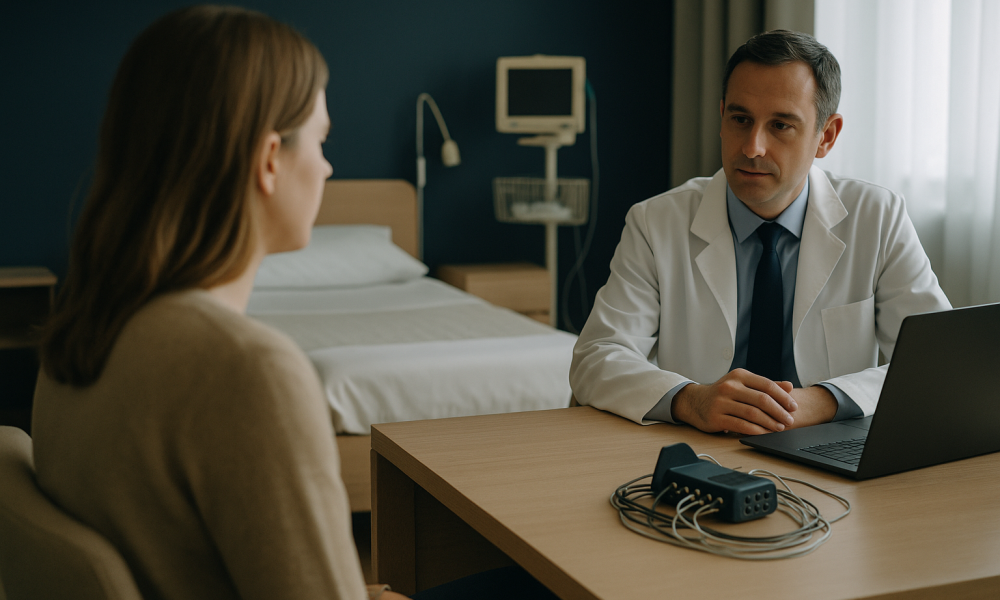
What Sleep Study Abroad is and who it is for
Sleep studies, also known as polysomnography, are diagnostic tests used to diagnose sleep disorders. These studies are comprehensive and non-invasive, monitoring various physiological parameters during sleep including brain wave activity, oxygen levels, heart rate, breathing, and eye and leg movements. Conducting a sleep study can help diagnose conditions such as sleep apnoea, restless leg syndrome, insomnia, and narcolepsy.
In Turkey, the procedure typically involves an overnight stay at a sleep centre or hospital. The patient is connected to various sensors and monitoring devices that record data throughout the night. This information is then analysed by a specialist, often a neurologist or pulmonologist, to identify any abnormalities in sleep patterns.
Turkey is becoming an increasingly popular destination for medical tourism, including sleep studies, due to its combination of state-of-the-art medical facilities, experienced healthcare professionals, and competitive pricing. Patients from Europe can expect to find facilities that meet international standards, often with accreditation from globally recognised healthcare organisations.
The cost of a sleep study in Turkey is generally lower than in many Western European countries, with prices typically ranging from €500 to €1,200. This cost-effectiveness, combined with the opportunity to receive high-quality care, makes Turkey an attractive option for those considering a sleep study abroad.
Are you a good candidate?
Determining whether you are a good candidate for a sleep study abroad involves considering several factors. It’s important to consult with your healthcare provider to ensure that a sleep study is necessary and beneficial for your specific condition. Here are some criteria that may indicate a sleep study is appropriate for you:
- Persistent Sleep Issues: If you experience ongoing problems with sleep, such as chronic insomnia, frequent awakenings, or excessive daytime sleepiness, a sleep study might be recommended.
- Suspected Sleep Apnoea: Symptoms such as loud snoring, choking or gasping during sleep, and observed pauses in breathing can indicate sleep apnoea, which can be diagnosed through a sleep study.
- Restless Leg Syndrome: If you have an uncontrollable urge to move your legs during rest, especially at night, a sleep study can help diagnose this condition.
- Narcolepsy Symptoms: Experiencing sudden sleep attacks, cataplexy, sleep paralysis, or hallucinations may require a sleep study for accurate diagnosis.
- Unexplained Fatigue: If you’re experiencing fatigue that cannot be explained by other medical conditions, a sleep study might uncover underlying sleep disorders.
- Referral from a Specialist: A recommendation from a neurologist or pulmonologist can indicate that a sleep study is necessary.
In addition to these criteria, logistical considerations such as travel ability and the potential impact of being away from home should be evaluated. If you fit these criteria and are comfortable travelling for medical procedures, a sleep study in Turkey could be a viable option.
3. The procedure, step by step
Undergoing a sleep study in Turkey involves a systematic process designed to ensure accurate diagnosis and patient comfort. Here’s a detailed step-by-step guide to help you understand what to expect during the procedure:
- Initial Consultation: Before the sleep study, you will have an initial consultation with a sleep specialist. This consultation may be conducted in person or via telemedicine, depending on your location and preferences. The specialist will review your medical history, discuss your symptoms, and determine the most appropriate type of sleep study for your condition.
- Pre-Study Assessment: Once the decision is made to proceed, a pre-study assessment is conducted. This includes completing questionnaires about your sleep habits, lifestyle, and any medications you’re taking. You may also be asked to keep a sleep diary for a few weeks to provide further insights into your sleep patterns.
- Arrival at the Sleep Centre: On the day of the study, you will arrive at the sleep centre in the evening. The facilities in Turkey are typically equipped with comfortable, hotel-like rooms designed to mimic a natural sleeping environment. You will be greeted by a technician who will explain the procedure and answer any questions you might have.
- Preparation for the Study: The technician will attach various sensors to your body to monitor physiological parameters. These may include electrodes on your scalp, face, chest, and limbs to record brain activity, eye movements, muscle activity, and heart rate. A belt around your chest and abdomen will measure breathing effort, and a sensor under your nose will record airflow. A pulse oximeter will be clipped to your finger to monitor blood oxygen levels.
- Overnight Monitoring: Once you are prepared, you will be left to sleep in the room. The technician will monitor your sleep from a nearby control room. The sensors will record data throughout the night, tracking different stages of sleep, breathing patterns, and any disturbances such as apnoea or leg movements.
- Completion and Disconnection: In the morning, the technician will wake you and remove the sensors. You will be given time to freshen up before leaving the centre. Most patients are able to leave by 8:00 or 9:00 am.
- Data Analysis and Follow-Up: The recorded data is analysed by the sleep specialist, who will interpret the results and prepare a report. This report is usually ready within one to two weeks. A follow-up appointment will be scheduled to discuss the findings and potential treatment options, which might include lifestyle changes, CPAP therapy, or further medical interventions.
4. Recovery timeline
After a sleep study in Turkey, the recovery process is typically straightforward, as the procedure is non-invasive. However, understanding the timeline and what to expect can help ease any concerns. Below is a detailed recovery timeline table from day 1 through to full recovery:
| Period | What to expect | Care notes |
|---|---|---|
| Day 1 | Immediate post-study: You may feel slightly tired due to sleeping in an unfamiliar environment and being monitored overnight. Some minor skin irritation from the sensors is possible. | It is advisable to avoid scheduling demanding activities on the day after the study. Use moisturiser if any skin irritation occurs and ensure a restful environment for the following night. |
| Days 2-3 | Return to normal sleep routine: Most patients experience a return to their regular sleeping patterns. Any tiredness usually resolves. | Maintain regular sleep hygiene practices. Avoid caffeine and electronic devices before bedtime to help re-establish normal sleep patterns. |
| Days 4-7 | Awaiting results: During this period, you will be waiting for the analysis of your sleep study data. There should be no lingering physical effects from the study itself. | Continue with regular activities. Keep a record of any sleep disturbances to discuss during your follow-up appointment. |
| Week 2 | Follow-up consultation: You will discuss the results with your sleep specialist. They will explain the findings and potential treatment plans. | Prepare questions for your specialist to ensure a comprehensive understanding of your sleep health and the recommended next steps. |
| Full Recovery | Ongoing management: Based on the results, you may begin any recommended treatments or lifestyle adjustments. The goal is to improve sleep quality and overall health. | Adhere to any prescribed treatment plans. Regular follow-ups may be necessary to monitor progress and make adjustments as needed. |
5. What it costs: Turkey vs Europe
When considering a sleep study abroad, cost is often a significant factor influencing the decision-making process. Turkey has emerged as a competitive destination for medical tourism, offering sleep studies at prices that are generally more affordable than those in many European countries. However, it’s important to understand what these costs typically include and how they compare.
| Country | Indicative Price Range (GBP) | Typical Inclusions |
|---|---|---|
| Turkey | £800 – £1,500 |
|
| United Kingdom | £1,200 – £2,500 |
|
| Germany | £1,400 – £2,800 |
|
| France | £1,500 – £3,000 |
|
It is crucial to note that the figures provided are indicative and can vary based on the specific clinic, the complexity of the case, and individual patient requirements. In Turkey, the cost advantage is often complemented by packages that include additional services, such as basic accommodation and airport transfers, which can further ease the logistical and financial burden on patients.
Moreover, the lower cost does not imply a compromise on quality. Many Turkish healthcare facilities are internationally accredited and employ experienced professionals who use state-of-the-art technology. This combination of affordability and quality makes Turkey a compelling option for those considering a sleep study abroad.
When comparing costs, it is essential to look beyond the immediate price tag and consider what is included in the package. The presence of additional services, such as post-study consultations and patient support, can add significant value and should be factored into the decision-making process.
6. Risks and how accredited providers manage them
Undergoing a sleep study, whether in Turkey or elsewhere, involves certain risks, although they are generally minimal. Accredited providers in Turkey take these risks seriously and employ various strategies to mitigate them, ensuring patient safety and comfort throughout the process.
One of the primary risks associated with sleep studies is the potential for discomfort or difficulty sleeping in an unfamiliar environment. To address this, many Turkish clinics offer facilities that are designed to mimic a home-like setting, thereby reducing anxiety and promoting a more natural sleep experience. Highly trained staff are available to assist patients in acclimating to the environment, which can significantly mitigate this concern.
Another risk is related to the accuracy of the diagnosis. Accredited providers in Turkey use advanced technology and adhere to international standards to ensure the reliability of their findings. This includes the use of state-of-the-art polysomnography equipment, which is regularly calibrated and maintained to deliver precise results. Moreover, the interpretation of data is conducted by experienced sleep specialists, further enhancing diagnostic accuracy.
There is also the risk of miscommunication due to language barriers. Many Turkish healthcare providers employ multilingual staff and offer translation services to ensure clear communication between patients and healthcare professionals. This is crucial in understanding the procedure, results, and any recommended follow-up actions.
In terms of post-procedure care, accredited providers often have protocols in place to manage any complications that may arise. This includes immediate access to medical professionals who can address issues such as unexpected side effects or discomfort following the study. Follow-up consultations are typically included in the treatment package, allowing patients to discuss their results and any necessary lifestyle adjustments or treatments.
Accredited clinics in Turkey are also subject to regular audits and inspections by international bodies, ensuring that they maintain high standards of care. These facilities adhere to stringent hygiene protocols to prevent infections and ensure a safe environment for all patients.
Ultimately, while there are inherent risks in any medical procedure, choosing an accredited provider in Turkey provides reassurance that these risks are effectively managed. Patients are encouraged to discuss any concerns they may have with their healthcare provider to fully understand the measures in place to ensure their safety and well-being.
How to choose the right provider
Choosing the right provider for a sleep study in Turkey requires careful consideration of several factors. First and foremost, ensure that the facility is accredited by recognised international bodies such as the Joint Commission International (JCI) or the European Foundation for Quality Management (EFQM). Accreditation ensures that the clinic adheres to global standards of quality and safety.
Next, evaluate the experience and qualifications of the healthcare professionals involved. Look for specialists in sleep medicine with credentials from reputable institutions. It is beneficial if the medical team includes board-certified sleep specialists, neurologists, and respiratory therapists with extensive experience in diagnosing and treating sleep disorders. Typically, such professionals will have at least 5-10 years of relevant experience.
Aftercare is another critical component. A comprehensive aftercare programme should be in place, which includes follow-up consultations and support for any treatment or lifestyle changes recommended as a result of the study. Ensure that the provider offers telemedicine options to facilitate communication once you return home.
Be cautious of red flags such as clinics that make unrealistic promises about treatment outcomes or those that have unclear pricing structures. Transparency in pricing is vital, so request a detailed breakdown of costs. Indicative ranges for a sleep study in Turkey typically fall between €800 to €1,500, depending on the complexity and duration of the study.
Finally, consider patient testimonials and reviews. While individual experiences can vary, a provider with consistently positive feedback from international patients is likely to be trustworthy. Additionally, ensure that the clinic offers services in your preferred language or provides interpreter services to avoid communication barriers.
Planning your trip
Planning your trip to Turkey for a sleep study involves several essential steps. Begin by establishing a timeline, ideally starting your preparations 2-3 months before your intended travel date. This allows ample time to research providers, book appointments, and arrange travel logistics.
Ensure you have all necessary documents for travel and treatment. This includes a valid passport, visa (if required), and any medical records or referrals from your home country. It is advisable to have your medical documents translated into English or Turkish for ease of communication with the healthcare team.
Consider the length of your stay, which will depend on the type of sleep study and any additional consultations or follow-up appointments you have scheduled. Typically, patients can expect to stay in Turkey for 3-7 days. This duration allows time for the sleep study itself, any necessary follow-up tests, and a recovery period if needed.
When planning your trip, also account for travel insurance that covers medical procedures abroad. This is crucial for peace of mind and financial protection in case of unexpected events.
Finally, plan for follow-up care once you are back home. Discuss with your Turkish provider how results will be communicated and any recommended treatments or lifestyle changes. Your local GP or a sleep specialist in your home country should be informed of your study and its results to ensure continuity of care. Telemedicine options can be useful for any ongoing consultations with your Turkish healthcare team.
Frequently Asked Questions
What is the average cost of a sleep study in Turkey?
The cost of a sleep study in Turkey typically ranges from €800 to €1,500. This price can vary based on the type of study performed, the facility's location, and the complexity of the case. Always request a detailed cost breakdown from your chosen provider to understand what is included in the quoted price.
Are sleep studies in Turkey safe?
Sleep studies in Turkey are generally safe, especially when conducted in accredited facilities that adhere to international standards. It's important to choose a clinic that is accredited by recognised bodies such as the Joint Commission International (JCI) to ensure safety and quality in care. Additionally, experienced and qualified medical professionals should be managing your study.
How do I verify a clinic's accreditation?
You can verify a clinic's accreditation by checking if it is listed on the official website of accrediting organisations like the Joint Commission International (JCI) or the European Foundation for Quality Management (EFQM). Clinics often display their accreditation certificates on their websites, but it is wise to cross-check with the accrediting body's database for confirmation.
What documents do I need to bring with me?
You'll need a valid passport, visa (if applicable), and any relevant medical records or referrals. It's advisable to have these medical documents translated into English or Turkish to facilitate communication with your healthcare providers in Turkey. Additionally, ensure you have travel insurance that covers medical procedures abroad.
How long do I need to stay in Turkey for a sleep study?
The typical stay in Turkey for a sleep study ranges from 3 to 7 days. This timeframe allows for the study itself, any necessary follow-up tests, and a recovery period if needed. The exact duration will depend on the specifics of your scheduled appointments and any additional consultations required.
Can I have a sleep study if I don't speak Turkish?
Yes, many clinics in Turkey cater to international patients and offer services in multiple languages, including English. Some clinics provide interpreter services to ensure clear communication between you and the healthcare team. It's advisable to confirm language support availability when selecting your provider.
What happens if my sleep study results indicate a serious issue?
If your sleep study results indicate a serious issue, the healthcare provider will discuss treatment options with you, which may include lifestyle changes, medications, or further medical interventions. They will also coordinate with your healthcare providers back home to ensure continuity of care and appropriate follow-up treatment.
How soon can I get an appointment for a sleep study?
Appointment availability can vary by clinic, but many facilities in Turkey are accustomed to accommodating international patients and may offer appointments within 2-4 weeks of your initial inquiry. It's advisable to contact your chosen provider well in advance to secure a slot that fits your travel schedule.
Are there any red flags to watch out for when selecting a provider?
Yes, be wary of clinics that make unrealistic promises about treatment outcomes or have unclear pricing structures. Ensure the clinic is accredited by international bodies and has experienced medical professionals. Check patient reviews and testimonials to gauge the clinic's reputation and service quality.
Is aftercare included in the cost of a sleep study?
Aftercare policies vary by provider. Some clinics include follow-up consultations and support in the cost, while others may charge separately. It's important to clarify what aftercare services are included in the initial price and whether telemedicine options are available for post-study consultations.
What should I do if I need follow-up care once I return home?
Discuss follow-up care plans with your Turkish provider before returning home. They should provide a detailed report of your sleep study results and recommendations for treatment or lifestyle changes. Share this information with your local GP or a sleep specialist to ensure continuity of care. Telemedicine options can also facilitate ongoing consultations with your Turkish healthcare team.
Can I combine my sleep study with a holiday in Turkey?
Yes, many patients choose to combine their medical trip with a holiday in Turkey. However, it's important to ensure that your travel plans do not interfere with scheduled medical appointments. Consider the recovery period and any restrictions your healthcare provider may advise post-study when planning leisure activities.