
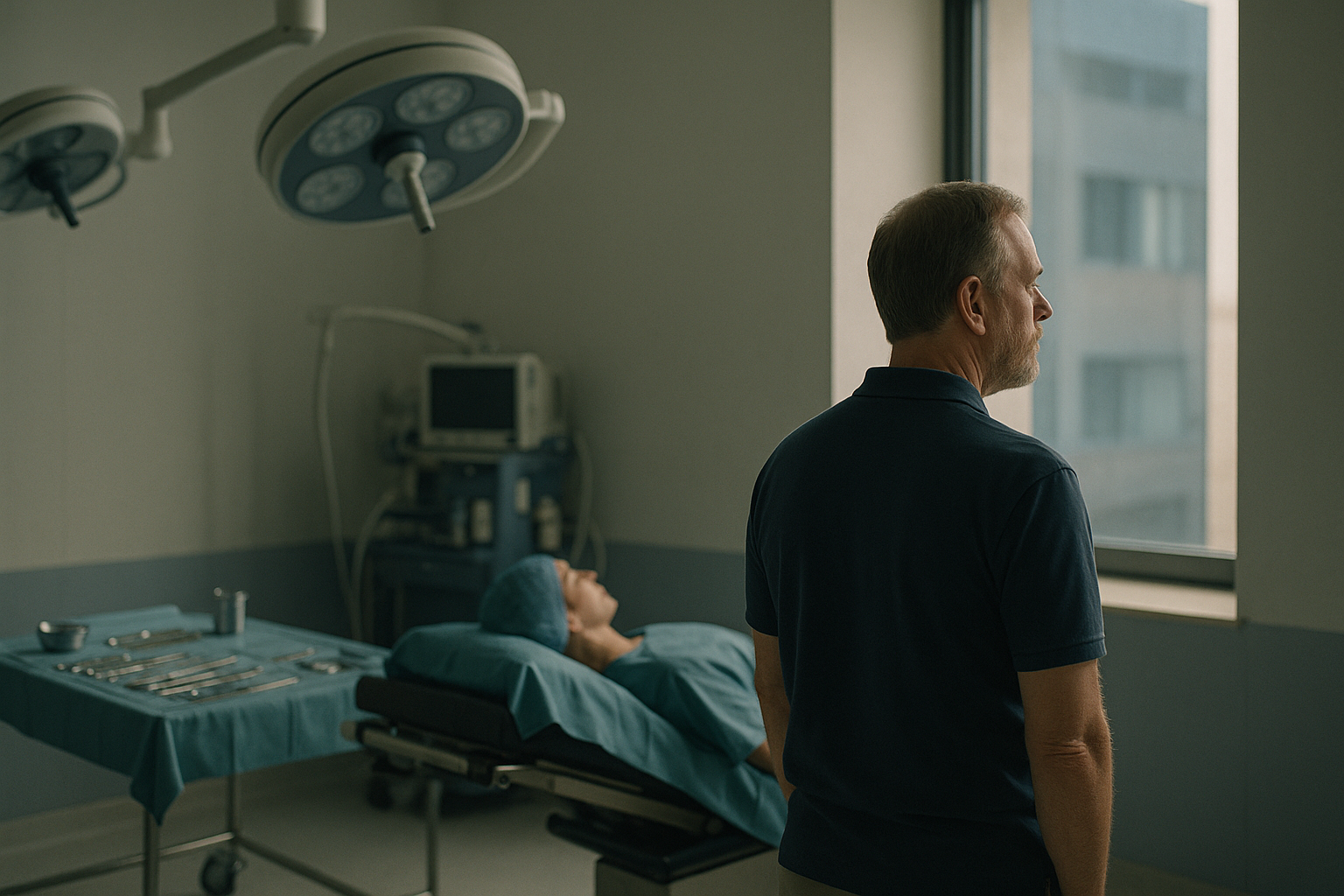
Rhinoplasty, commonly known as a nose job, is a surgical procedure aimed at reshaping the nose for aesthetic or functional reasons. Turkey has become a popular destination for rhinoplasty due to its combination of skilled surgeons, advanced medical facilities, and competitive pricing. This guide explores the key aspects of considering rhinoplasty in Turkey, including costs, safety, and practical steps for international patients.
Why Choose Turkish Rhinoplasty?
Turkey is increasingly recognised for its high-quality medical tourism offerings, especially in cosmetic surgery. The country boasts highly qualified surgeons who are often trained internationally and have extensive experience in performing rhinoplasty. Turkish surgeons typically undergo rigorous training programs, both domestically and abroad, ensuring they are well-versed in the latest techniques and safety protocols. This expertise, coupled with state-of-the-art medical facilities, makes Turkey a preferred destination for many seeking this procedure. For instance, many clinics are equipped with cutting-edge technology such as 3D imaging systems, which allow for precise surgical planning and enhanced outcomes.
Moreover, the cost of rhinoplasty in Turkey is significantly lower compared to Western countries, without compromising on quality. For example, where a rhinoplasty might cost upwards of $10,000 in the United States, Turkish clinics offer the same procedures for $2,000 to $4,000, which can include comprehensive packages covering accommodation and transfers. This affordability, combined with the opportunity to recuperate in a beautiful setting, adds to the appeal for international patients. The blend of cost-effectiveness and quality makes it an attractive option for those seeking both aesthetic enhancement and financial prudence.
Patients can also enjoy the cultural richness and hospitality of Turkey, making the experience more than just a medical journey. The strategic location of Turkey, bridging Europe and Asia, further enhances its accessibility to international travellers. Visitors can explore historical sites like Hagia Sophia or relax on the beaches of Antalya, transforming their medical visit into a memorable cultural experience. Additionally, the hospitality and warmth of the Turkish people contribute significantly to the overall positive experience of medical tourists, who often report feeling well cared for and supported throughout their stay.
What Are the Costs Involved?
The cost of rhinoplasty in Turkey varies based on the complexity of the procedure, the surgeon’s experience, and the facility where the surgery is performed. On average, patients can expect to pay between $2,000 and $4,000, which is significantly lower than in countries like the United States or the United Kingdom. Factors such as the surgeon’s reputation, the clinic’s location, and the type of rhinoplasty (whether open or closed) can influence the final price. Additionally, revisions or complicated cases might incur higher fees due to the increased level of skill and time required.
This cost typically includes the surgeon’s fees, anaesthesia, hospital charges, and post-operative care. However, prospective patients should budget for additional expenses such as travel, accommodation, and potential follow-up visits. Travel costs can vary widely, but on average, a round-trip flight from the US might range from $600 to $1,200, while accommodation can be found for as low as $50 per night, depending on the location and level of comfort required.
It’s important for patients to thoroughly research and choose reputable clinics that offer transparent pricing and comprehensive packages. Comparing these packages can help ensure that patients receive the best value for their investment. Some clinics offer bundled packages that include surgery, hotel stays, and airport transfers, providing a convenient and stress-free experience. Patients should also inquire about the inclusivity of post-operative care in the package, as comprehensive aftercare is crucial for optimal recovery and satisfaction with the results.
How to Ensure Safety During the Procedure?
Safety is a paramount concern for any surgical procedure, and rhinoplasty is no exception. In Turkey, many clinics adhere to international standards of healthcare and are accredited by reputable organisations. Patients should look for clinics that have certifications from bodies like the Joint Commission International (JCI) to ensure high standards of care. Such accreditation indicates that a clinic meets rigorous safety and quality benchmarks, providing reassurance to international patients.
Prospective patients are advised to consult detailed reviews and patient testimonials to gauge the quality of care provided. These testimonials can offer insights into the patient experience, including aspects such as the attentiveness of staff, the cleanliness of facilities, and the outcomes of previous surgeries. It’s also crucial to have a thorough pre-operative consultation with the chosen surgeon to discuss the procedure, risks, and expected outcomes. During this consultation, patients should feel comfortable asking questions about the surgeon’s experience, the number of similar procedures performed, and the specifics of the surgical plan.
Maintaining open communication with the medical team and ensuring that all questions and concerns are addressed can significantly enhance the safety and success of the procedure. Patients should also ensure they receive clear pre- and post-operative instructions, which will help minimise risks and facilitate a smooth recovery. Furthermore, selecting a clinic that offers comprehensive aftercare services can provide additional peace of mind, as it ensures ongoing support and monitoring throughout the recovery process.
What is the Typical Recovery Timeline?
The recovery process for rhinoplasty in Turkey is similar to that in other parts of the world. Initially, patients can expect swelling and bruising around the nose and eyes, which typically peaks within the first few days post-surgery. Most swelling subsides within two weeks, but subtle swelling can persist for several months. During the first 48 hours, applying cold compresses and keeping the head elevated can help reduce swelling and discomfort.
Patients are generally advised to take at least one week off from work or daily activities to allow for initial healing. During this time, it’s important to rest and avoid activities that could strain or impact the nose. Light activities can be resumed after about two weeks, but strenuous activities should be avoided for at least four to six weeks. This includes avoiding heavy lifting, vigorous exercise, and any contact sports that could potentially harm the healing nose.
Follow-up appointments are crucial to monitor healing and address any concerns. Surgeons typically schedule a series of follow-ups to ensure everything is progressing as expected and to provide guidance on the recovery process. The final results of rhinoplasty can take up to a year to fully manifest, as the nose gradually settles into its new shape. Patience is key, as the refinement of the nasal structure continues long after the initial swelling has gone down. Throughout the recovery period, maintaining a healthy lifestyle and following the surgeon’s advice can significantly enhance the final outcome.
How to Choose the Right Surgeon and Clinic?
Choosing the right surgeon and clinic is critical to the success of a rhinoplasty procedure. Prospective patients should prioritise surgeons who specialise in rhinoplasty and have a proven track record of successful outcomes. It’s beneficial to seek professionals who are members of recognized surgical associations, such as the Turkish Society of Plastic, Reconstructive and Aesthetic Surgeons, which ensures adherence to high standards of practice.
Conducting thorough research is essential. Patients should verify the credentials of the surgeon and ensure that the clinic is accredited by reputable international healthcare bodies. Consultation with the surgeon should include a discussion of the surgeon’s experience, approach to rhinoplasty, and a review of before-and-after photos of previous patients. This visual evidence can provide a realistic expectation of the surgeon’s capabilities and the types of results they typically achieve.
Patients should also consider the level of post-operative care and support offered by the clinic, as this is integral to a smooth recovery process. A clinic that provides comprehensive aftercare services, including follow-up consultations and support for any complications, can greatly enhance the patient experience. Additionally, understanding the aftercare protocol, such as the availability of remote consultations for international patients, can be a crucial factor in choosing the right facility.
Are There Any Risks Involved?
As with any surgical procedure, rhinoplasty carries certain risks. These can include infection, bleeding, scarring, or dissatisfaction with the aesthetic outcome. However, these risks can be minimised by choosing a qualified and experienced surgeon and adhering to pre- and post-operative care instructions. Proper preparation and following the surgeon’s guidelines play a significant role in reducing the likelihood of complications.
In Turkey, the high standards of medical care and the expertise of surgeons contribute to reducing these risks. Many clinics employ strict hygiene protocols and use advanced surgical techniques to enhance safety and effectiveness. Nonetheless, it is important for patients to have realistic expectations and to discuss potential risks thoroughly with their medical team. Understanding both the benefits and limitations of the procedure can help patients make informed decisions and set achievable goals.
Pre-operative consultations should cover all potential complications and provide patients with a comprehensive understanding of the procedure and its potential outcomes. Surgeons should clearly communicate the likelihood of risks and how they plan to mitigate them, offering strategies for both prevention and management. This transparency not only builds trust but also ensures that patients are fully informed about what to expect during their surgical journey.
Conclusion
Turkey offers a compelling option for those considering rhinoplasty, with its combination of skilled surgeons, advanced facilities, and cost-effective pricing. By carefully researching and choosing the right clinic and surgeon, patients can enhance both the safety and success of their procedure. The decision should be based on a comprehensive evaluation of the surgeon’s credentials, clinic standards, and patient experiences to ensure the best possible outcome.
With the right preparation and realistic expectations, Turkish rhinoplasty can be a rewarding experience, providing patients with the desired aesthetic and functional outcomes. The possibility of enjoying a culturally enriching environment while undergoing a transformative procedure adds an additional layer to the experience, making it both a personal and enlightening journey. Ultimately, the key to a successful rhinoplasty lies in the careful planning and informed decision-making that precedes the surgery.
Proven result
20 to 200 hair-transplant patients a month from Australia
Aesthetic surgery group
Frequently asked questions
What is the typical cost of rhinoplasty in Turkey?
The cost of rhinoplasty in Turkey typically ranges from $2,000 to $4,000, depending on the complexity and the clinic chosen.
How long does it take to recover from rhinoplasty in Turkey?
Initial recovery usually takes about two weeks, but full recovery can take up to a year, with most swelling subsiding within the first few months.
How can I ensure the safety of my rhinoplasty procedure in Turkey?
Ensure safety by choosing clinics accredited by international bodies like the JCI, and by consulting experienced, reputable surgeons.
What are the benefits of choosing Turkey for rhinoplasty?
Benefits include cost savings, access to skilled surgeons, advanced medical facilities, and the opportunity to recover in a culturally rich environment.
What should I look for when selecting a rhinoplasty surgeon in Turkey?
Look for a surgeon with specialised experience, verified credentials, and positive patient reviews. Ensure the clinic is internationally accredited.
Related guides

Turkey Hospitals vs Local Hospitals Compared
A lower procedure quote can get a patient’s attention. It should not make the decision on its own.…

Patient Experience That Drives Trust and Growth
A patient who has already uploaded medical records, compared providers, and arranged time away from work is not…

What Is a Medical Travel Facilitator and Why Use One?
A lower treatment quote can look compelling until you try to compare what it actually includes: surgeon fees,…