

A patient in the United States comparing a $60,000 procedure at home with an internationally accredited hospital abroad is not simply shopping for a lower price. They are weighing clinical outcomes, surgeon expertise, travel logistics, recovery support, and the risk of making the wrong choice. That shift is central to current medical tourism demand trends: international patients are more informed, more selective, and more likely to expect a guided care journey from first inquiry through follow-up.
For hospitals, clinics, and medical tourism programs, demand is growing in value as well as volume. The opportunity is not created by generating more inquiries alone. It comes from attracting clinically appropriate patients, responding quickly, building trust across borders, and converting interest into scheduled treatment. For patients, the strongest destinations are those that combine affordability with visible quality standards and clear coordination.
Medical Tourism Demand Trends Point to Higher-Intent Patients
Cost remains a major driver, especially for uninsured or underinsured Americans and for patients facing long wait times. Elective procedures such as dental implants, cosmetic surgery, bariatric surgery, orthopedic care, fertility treatment, and certain vision procedures continue to bring significant cross-border demand. Yet price by itself is becoming a weaker differentiator.
Patients now compare providers in much the same way they evaluate major financial decisions. They want to understand who will perform the procedure, where the hospital is accredited, what is included in the treatment package, how complications are handled, and what recovery looks like after they return home. A low quoted price without clinical detail can create hesitation rather than urgency.
This creates an advantage for providers that can communicate outcomes, credentials, and patient support in a disciplined way. International patient departments need more than attractive landing pages. They need qualified consultation processes, multilingual coordinators, transparent treatment plans, and a system for following up before a prospective patient chooses another destination.
The treatment mix is becoming more specialized
Demand for cosmetic dentistry and aesthetic procedures remains substantial because these services often combine clear savings with relatively predictable travel schedules. At the same time, patients are increasingly traveling for higher-consideration care, including joint replacement, spine care, cardiology, oncology support, and complex dental rehabilitation.
That does not mean every provider should market every specialty internationally. Higher-acuity services require strong clinical documentation, realistic patient screening, coordinated travel timelines, and a credible aftercare plan. A clinic that is exceptional at dental restoration may convert more effectively by owning that position than by presenting itself as a broad international care provider.
Trust Has Become the Core Conversion Metric
Medical travel involves a higher emotional and financial threshold than most cross-border purchases. Patients may worry about language barriers, unfamiliar regulations, infection control, hidden charges, or being left without support once they return home. Those concerns are reasonable. The providers that address them early are better positioned to earn inquiries and referrals.
Trust is built through specifics. Hospital accreditation, physician biographies, procedure volumes, clinical technology, pricing inclusions, real patient experiences, and clear pre-treatment requirements all reduce uncertainty. Generic promises of world-class care are less persuasive than a well-organized explanation of how a patient will be assessed, treated, transported, accommodated, and supported after discharge.
For U.S. patients, continuity of care deserves particular attention. A provider should explain how medical records will be reviewed before travel, what discharge documents the patient will receive, and how the patient can coordinate with a physician at home if needed. Not every treatment is appropriate for travel, and responsible guidance includes recognizing when a patient should receive care closer to home.
Speed to lead is a clinical and commercial issue
International patients often contact several providers within a short period. The first informed, empathetic response has an outsized influence on conversion. An unanswered form submission or a vague automated reply can send a high-intent patient elsewhere.
Effective programs connect marketing, call center operations, sales teams, and clinical coordinators. They track the source of each inquiry, the treatment interest, the lead’s readiness to travel, consultation status, quoted plan, and final outcome. Without that visibility, a hospital may spend heavily on patient acquisition without understanding which markets, procedures, or campaigns produce profitable treatment bookings.
Turkey Continues to Gain Attention for Value and Capability
Turkey remains a flagship medical tourism destination because it offers a compelling combination of experienced physicians, modern private hospitals, internationally recognized standards, and favorable treatment economics for many patients. Istanbul in particular benefits from extensive flight connectivity and a mature ecosystem of hospitals, hotels, translators, and patient coordination services.
Its appeal is strongest when the destination is presented as a clinical choice rather than a bargain destination. Patients seeking hair restoration, dental care, cosmetic surgery, weight-loss procedures, and certain orthopedic services may find meaningful savings, but they still need to verify the provider behind the offer. The right hospital, surgeon, treatment indication, and recovery plan matter more than a destination-wide claim.
For provider partners in Turkey, international growth depends on separating serious candidates from price-only inquiries while maintaining a supportive experience for both. Prequalification, medical review, transparent packages, and knowledgeable patient advisors improve conversion quality and protect clinical standards.
Digital Discovery Is Changing How Patients Choose Care
Search engines, social platforms, video, online reviews, and AI-assisted research have shortened the path from curiosity to inquiry. Patients can now compare procedure options, physician profiles, travel requirements, and treatment costs in a single session. They also arrive with more questions and a sharper ability to detect weak information.
This raises the standard for healthcare marketing. Content must answer practical questions without making unsupported clinical promises. Paid search can capture immediate intent, while search engine optimization, authoritative procedure pages, educational content, and reputation management build confidence before a patient is ready to speak with an advisor. Conversion rate optimization then ensures that interested visitors can request a consultation without friction.
The strongest programs do not treat these channels as separate campaigns. They connect acquisition data to call outcomes, booked consultations, treatment revenue, and patient satisfaction. That closed-loop view allows leaders to invest in the markets and services that produce sustainable growth rather than pursuing vanity metrics such as low-cost leads.
Personalization must remain responsible
Personalized outreach can improve the patient experience when it reflects the person’s procedure interest, travel timing, and questions. It becomes counterproductive when it feels overly aggressive or ignores clinical suitability. Healthcare leaders should use CRM workflows and telesales processes to provide timely guidance, not pressure.
A patient who needs additional imaging, medical clearance, or more time to decide should receive useful next steps. This approach may lengthen some sales cycles, but it strengthens trust and reduces cancellations, dissatisfaction, and reputational risk.
What Providers Should Do Next
The practical response to these demand shifts is to build an international patient operation around measurable outcomes. Start by identifying which procedures, physician teams, and source markets align with the organization’s true clinical and operational strengths. Then create a clear pathway from campaign to consultation, medical evaluation, booking, arrival, treatment, and aftercare.
Four capabilities are particularly valuable: accurate multilingual patient communication, a healthcare-specific CRM, fast lead response, and reporting that connects marketing spend to treatment revenue. These capabilities help teams prioritize qualified patients while giving leadership a realistic view of international growth performance.
DGS Healthcare supports this model by combining patient acquisition, healthcare sales operations, and medical travel facilitation. The goal is not merely to create visibility for a hospital or clinic. It is to create a reliable path from international demand to appropriate, profitable, and well-supported patient care.
For patients, the next step is equally practical: choose the provider before choosing the package. Ask direct questions, request detailed treatment information, confirm credentials, and make sure you understand the recovery and follow-up plan. The best medical travel decision is not the cheapest option on a screen. It is the one supported by clear evidence, qualified professionals, and a care journey designed around your needs.
Related guides
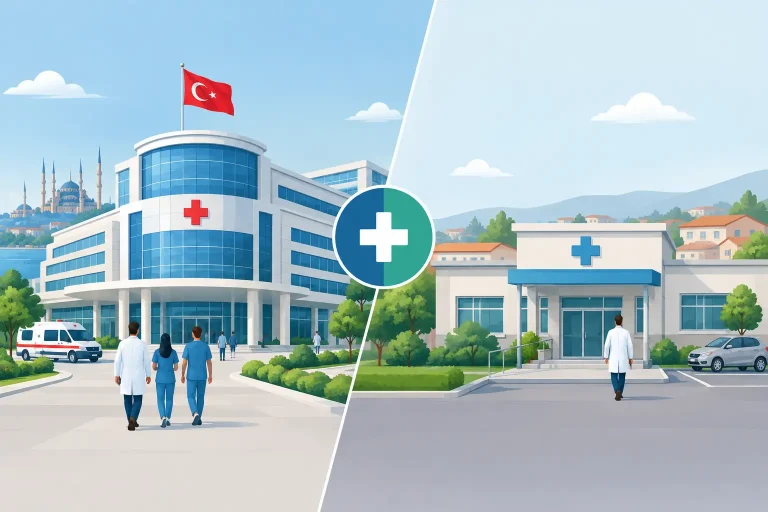
Turkey Hospitals vs Local Hospitals Compared
A lower procedure quote can get a patient’s attention. It should not make the decision on its own.…

Patient Experience That Drives Trust and Growth
A patient who has already uploaded medical records, compared providers, and arranged time away from work is not…

What Is a Medical Travel Facilitator and Why Use One?
A lower treatment quote can look compelling until you try to compare what it actually includes: surgeon fees,…