
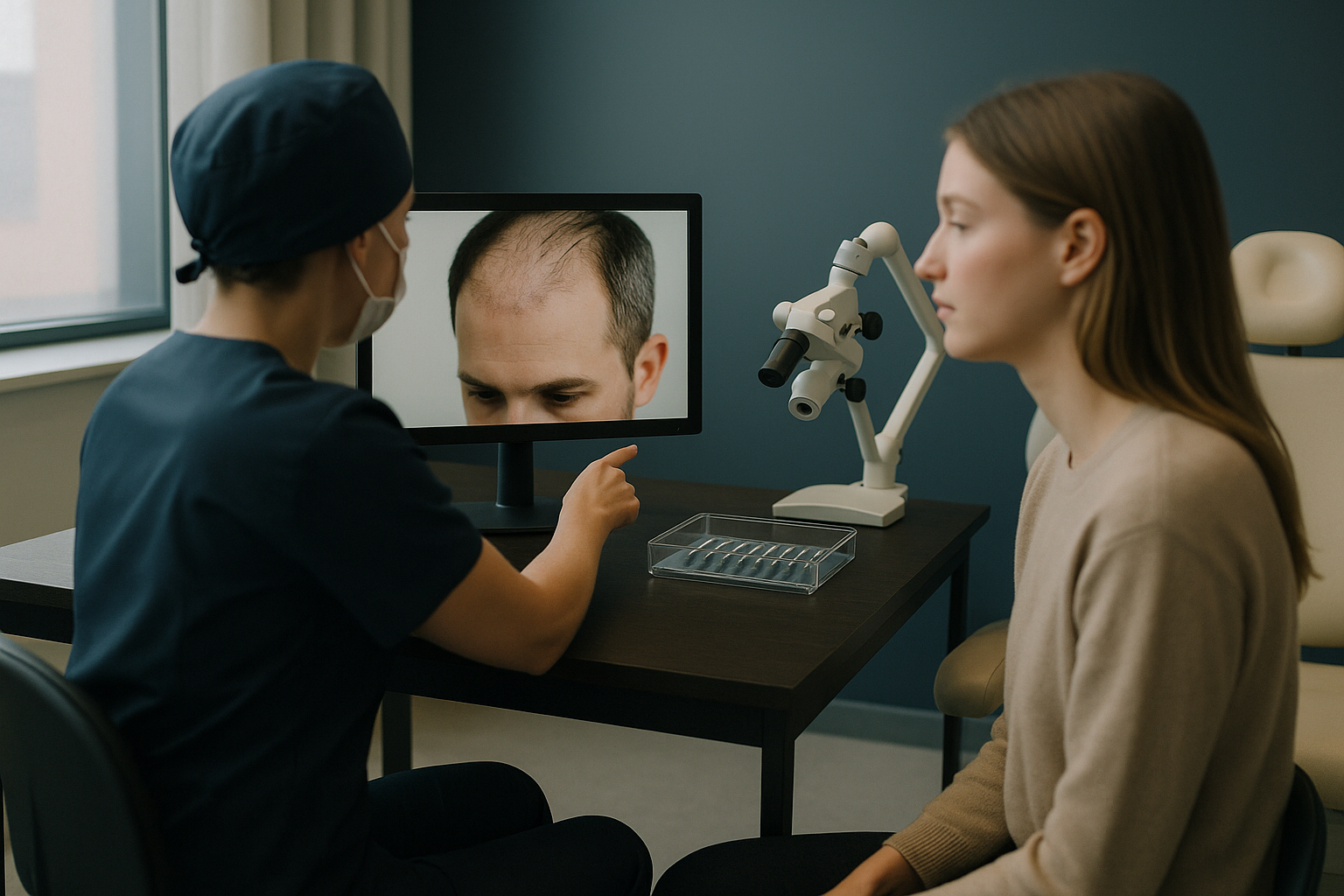
Direct Hair Implantation (DHI) is a modern hair restoration technique that offers a minimally invasive option for those seeking to address hair loss. This comprehensive guide will explore the intricacies of DHI, from its detailed procedure to the costs and recovery process involved.
What Is DHI Hair Transplant?
DHI, or Direct Hair Implantation, is a hair transplant method that utilises a specialised pen-like tool to implant hair follicles directly into the scalp. This technique is designed to provide a natural-looking hairline with minimal scarring. The DHI method is particularly beneficial for those who are concerned about the aesthetics of their hairline, as it allows for precise placement of each hair follicle. For instance, the precision of the DHI pen enables surgeons to follow the natural growth angles of existing hair, which is crucial for achieving realistic results.
The DHI method is often compared to other hair transplant techniques such as Follicular Unit Extraction (FUE), but it differentiates itself by allowing direct implantation without the need for creating recipient sites in advance. This leads to a more precise placement of hair follicles and often results in a denser and more natural hair appearance. In contrast, FUE requires the surgeon to create recipient sites before implantation, which can sometimes lead to less precise results. The ability of DHI to implant directly can result in higher graft survival rates due to reduced handling and exposure time of the follicles.
One of the main advantages of DHI is the precision it offers, which can lead to improved hair growth and a natural-looking result. The procedure is typically performed under local anaesthesia, ensuring patient comfort throughout the process. Since the DHI technique is minimally invasive, patients can expect less post-operative pain and a quicker recovery period compared to traditional hair transplant methods. Furthermore, the reduced trauma to the scalp helps minimize potential complications, making DHI a preferred choice for those seeking a safe and effective hair restoration solution.
How Does the DHI Procedure Work?
The DHI procedure begins with the extraction of hair follicles from the donor area, usually the back of the head, using a micro motor tool. Each follicle is carefully harvested to ensure its viability for transplantation. The surgeon must be meticulous in this process, as the quality of the extracted follicles directly impacts the success of the transplant. Typically, the donor area is shaved to improve visibility and access, allowing the surgeon to extract the healthiest follicles.
Once the follicles are extracted, they are loaded into a specialised DHI implanter pen. This tool allows the surgeon to control the angle, depth, and direction of each implanted follicle, resulting in a meticulously planned hairline. This precision helps achieve a natural-looking result that closely mimics natural hair growth patterns. The tool’s design allows the surgeon to implant follicles with minimal trauma to the scalp, which can reduce recovery time and improve overall results. Each follicle is implanted at an angle of 40-45 degrees, mimicking the natural growth pattern of hair.
Unlike FUE, DHI does not require the creation of recipient sites beforehand, which can reduce the risk of damage to existing hair and lead to faster recovery times. The entire procedure can take several hours, depending on the number of follicles to be transplanted. Patients should plan for a full day at the clinic when undergoing DHI, as the process is thorough and requires patience and precision. Post-procedure, the patient can expect minor swelling and redness, which usually subside within a few days.
What Are the Costs Involved in a DHI Hair Transplant?
The cost of a DHI hair transplant can vary significantly depending on several factors, including the clinic’s location, the surgeon’s experience, and the number of grafts required. On average, patients can expect to pay anywhere from £2,000 to £10,000 for the procedure. This variation in cost reflects the complexity and precision of the DHI method, as well as the expertise of the surgical team involved. For instance, clinics in major metropolitan areas might charge higher fees due to increased demand and overhead costs.
It is important to note that while DHI may be more expensive than other hair transplant methods, the precision and natural results it offers can justify the higher cost for many patients. Potential patients should consult with multiple clinics to obtain quotes and ensure they receive a treatment plan tailored to their needs. Some clinics may offer financing options, which can help make the procedure more affordable for patients who are concerned about upfront costs. Financing plans might include monthly payments over a year or more, spreading the financial burden.
Additional costs may include pre-operative consultations, medication, and follow-up appointments. It’s essential for patients to consider these factors when budgeting for their hair transplant journey. Patients should also be aware that some insurance plans may not cover cosmetic procedures like hair transplants, so they should verify coverage details with their provider before proceeding. Understanding the full financial commitment ahead of time can help prevent unexpected expenses and ensure a smoother experience.
What Is the Recovery Process Like After DHI?
Recovery from a DHI hair transplant is typically swift, with most patients able to return to their normal activities within a few days. It is common to experience some redness and swelling in the treated area, but these symptoms usually subside within a week. Patients may also experience minor discomfort or itching as the scalp begins to heal, which can usually be managed with over-the-counter pain relievers. Following the surgeon’s advice on medication can aid in a smoother recovery experience.
The implanted hair follicles will initially shed after the procedure, a normal part of the hair growth cycle. This shedding phase, often referred to as “shock loss,” can be alarming, but it is a temporary stage that is necessary for new growth. New hair growth typically begins within three to four months, with full results visible after 12 months. Patients should be patient during this period and avoid any activities that may stress the scalp or hair follicles. Activities to avoid include heavy exercise, direct sun exposure, and using harsh hair products.
Patients are advised to follow their surgeon’s post-operative care instructions meticulously to ensure optimal healing and hair growth. This may include avoiding strenuous activities and direct sunlight for a specified period. Regular follow-up visits with the surgeon are also important to monitor progress and address any concerns that may arise during the recovery process. These visits often include checking the graft sites and assessing the growth pattern to ensure satisfactory results.
DHI vs FUE: How Do They Compare?
While both DHI and FUE are effective hair transplant methods, there are key differences between the two. DHI allows for direct implantation of follicles, which can lead to a more natural hairline and faster recovery. In contrast, FUE involves pre-creating recipient sites and may result in longer recovery times. The choice between these methods often depends on individual patient needs and preferences. For instance, patients looking for high precision and natural aesthetics might prefer DHI, while those requiring extensive coverage might opt for FUE due to its ability to cover larger areas.
One of the main advantages of DHI over FUE is the precision it offers in implanting hair follicles, which can result in denser, more natural-looking hair. However, FUE remains a popular choice for those seeking a more cost-effective option or who require a larger number of grafts. FUE may also be preferable for patients who are looking for a less invasive procedure with a quicker recovery time. The decision often comes down to personal priorities, such as budget constraints and desired outcomes.
Ultimately, the choice between DHI and FUE will depend on individual patient needs and aesthetic goals. Consulting with a qualified surgeon can help determine the best approach for each patient. Surgeons can provide recommendations based on factors such as hair type, density, and the extent of hair loss, ensuring that patients receive a personalized treatment plan that meets their unique needs. It’s crucial for patients to communicate openly with their surgeon to align expectations and outcomes.
Are There Any Risks Associated with DHI Hair Transplants?
As with any surgical procedure, there are potential risks associated with DHI hair transplants. These can include infection, bleeding, and scarring, although such complications are rare when the procedure is performed by an experienced surgeon. Patients should be aware of these risks and discuss them with their surgeon during the consultation process. Understanding the risks helps in making an informed decision and preparing for any eventualities.
Patients may also experience temporary shock loss, where existing hair falls out due to the trauma of surgery. However, this is typically a temporary condition, and normal hair growth should resume within a few months. It’s important for patients to understand that shock loss is a normal part of the recovery process and not an indication of a failed procedure. Proper post-operative care and following the surgeon’s advice can mitigate these risks significantly.
Choosing a reputable clinic and experienced surgeon is crucial in minimising these risks. Patients should ensure that the clinic adheres to international safety and hygiene standards to ensure a safe and successful procedure. Researching the clinic’s credentials and reading patient reviews can also provide valuable insights into the quality of care provided. A well-informed choice can lead to a successful outcome and a satisfying hair transplant experience.
What Should You Consider Before Choosing DHI?
Before deciding on DHI, prospective patients should consider their hair loss pattern, the number of grafts needed, and their overall health. A thorough consultation with a hair restoration specialist can provide valuable insights into the suitability of DHI for their individual needs. The specialist can assess the patient’s scalp condition, hair density, and other factors that may impact the outcome of the procedure. This initial assessment is crucial in developing a tailored treatment plan that aligns with the patient’s goals.
Patients should also research potential clinics and surgeons, looking for those with extensive experience and positive patient testimonials. Comparing multiple clinics can help ensure that patients receive the best possible care and outcomes. Some clinics may offer virtual consultations, which can be a convenient option for patients who live far from the clinic or who have busy schedules. This flexibility can be particularly beneficial for those looking to gather information and compare options without committing to travel.
Finally, understanding the costs involved and managing expectations regarding the results are essential steps before proceeding with a DHI hair transplant. Patients should be realistic about the potential outcomes and follow all pre- and post-operative instructions to maximise the success of the procedure. Setting realistic goals and maintaining open communication with the surgical team can help ensure a positive experience. Knowing what to expect can lead to greater satisfaction with the results and a smoother recovery process.
Conclusion: Is DHI Right for You?
DHI hair transplant offers a precise and effective solution for those seeking to restore their hairline and confidence. With its advanced technique and natural results, DHI is an attractive option for many patients experiencing hair loss. The procedure’s minimally invasive nature and potential for rapid recovery make it a compelling choice for individuals seeking a long-term solution to hair thinning or baldness. Those prioritizing precision and natural appearance might find DHI to be the ideal method for their needs.
By thoroughly researching options and consulting with experienced professionals, prospective patients can make informed decisions about their hair restoration journey. DHI may be the right choice for those seeking a minimally invasive procedure with lasting results. Patients should weigh the benefits and potential risks of DHI against other available methods, such as FUE, to determine which approach aligns best with their personal goals and expectations. Ultimately, the decision rests on individual circumstances, desires, and the comprehensive advice from a trusted hair restoration expert.
Proven result
20 to 200 hair-transplant patients a month from Australia
Aesthetic surgery group
Frequently asked questions
What is DHI hair transplant?
DHI, or Direct Hair Implantation, is a hair transplant technique that involves the direct implantation of hair follicles using a specialised tool.
How does DHI differ from FUE?
DHI allows for direct implantation without pre-creating recipient sites, offering greater precision. FUE requires site creation and may involve longer recovery.
What is the recovery time for DHI?
Most patients can resume normal activities within a few days, with full hair growth visible after 12 months.
Are there risks with DHI hair transplants?
Risks include infection, bleeding, and shock loss, though these are rare with experienced surgeons and proper care.
How much does a DHI hair transplant cost?
Costs range from £2,000 to £10,000, depending on factors like clinic location and graft numbers.
Related guides

Digital Marketing for Clinics That Drives Demand
A clinic can have exceptional physicians, advanced technology, and competitive pricing, yet still lose prospective patients before the…

How Overseas Surgery Insurance Really Works
A lower treatment quote can quickly lose its advantage if an unexpected complication extends your stay, requires emergency…

Analyzing the Medical Tourism Market: Current Trends
Quick answerThe medical tourism market is growing due to factors like cost-effective treatments, advanced medical technologies, and international…