
Hair restoration for the crown of your head is a specialized field that addresses hair loss in one of the most visible areas. This article provides a comprehensive guide on the options available, including costs, timelines, and safety considerations for those considering treatment abroad.
What is Hair Restoration for the Crown of a Head?
Hair restoration for the crown of a head focuses on addressing hair loss specifically located at the top back area of the scalp. This area is often challenging to treat due to its unique hair growth patterns and the density required to achieve a natural look. Procedures like crown hair transplants are popular choices for individuals seeking to restore hair in this region. The crown area, also known as the vertex, typically requires a high degree of artistry and precision because hair grows in a spiral pattern, which is different from the linear pattern found in other scalp areas.
The intricacies involved in crown hair restoration make it a highly specialized procedure. Surgeons must have a deep understanding of the natural whorl of the hair, ensuring that the transplantation mimics this pattern to maintain a natural appearance. Any deviation can result in an unnatural look, which is why expertise is paramount. Follicles are generally harvested using techniques like Follicular Unit Extraction (FUE), wherein individual follicles are meticulously extracted, or Follicular Unit Transplantation (FUT), which involves removing a strip of scalp before dissecting it into individual follicular units. These advanced methods have significantly improved the success rates of hair restoration surgeries.
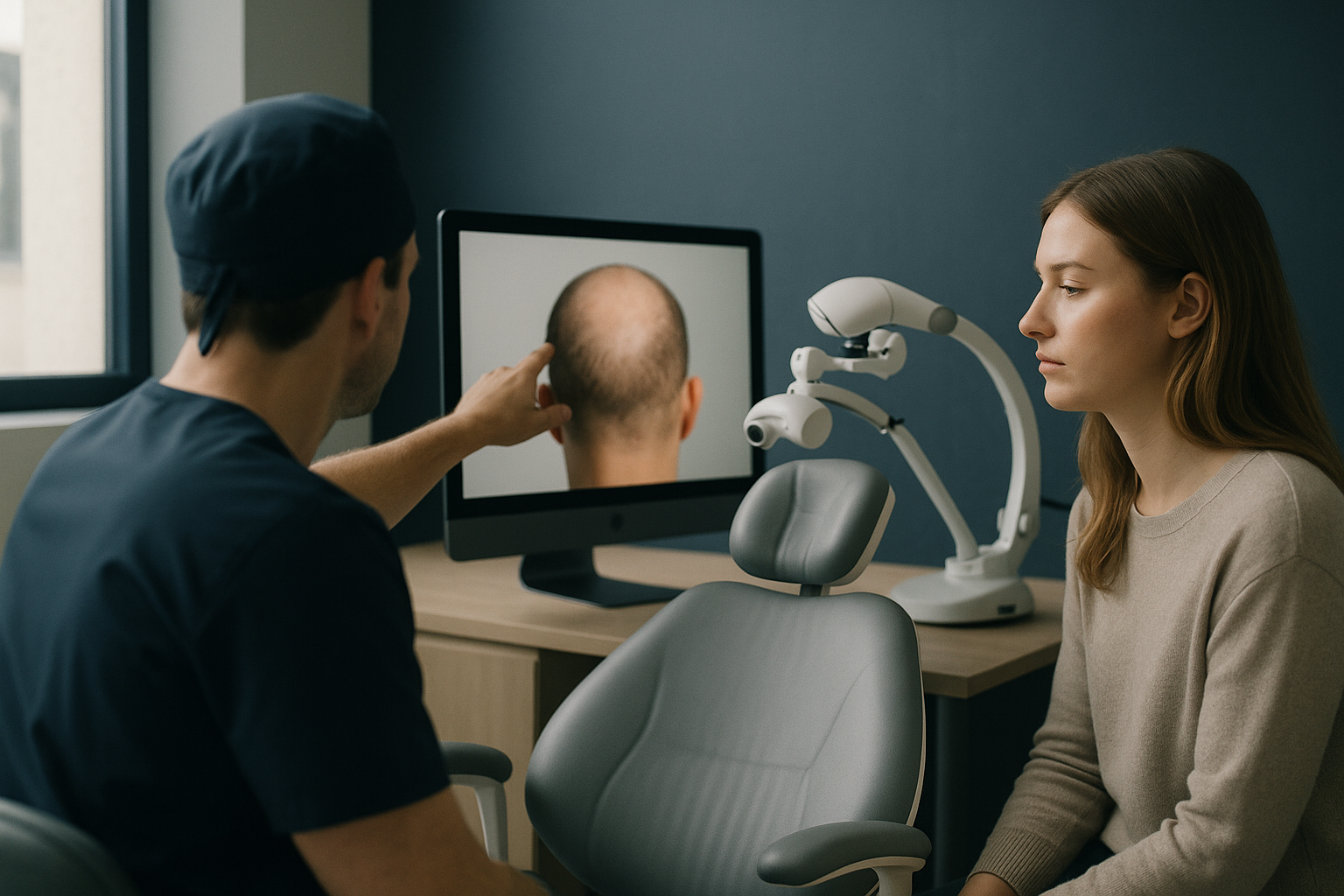
It is essential to consult with a qualified and experienced surgeon to discuss the specifics of your case and understand the potential outcomes and limitations of the procedure. Surgeons often use digital imaging to simulate post-transplant results, helping patients visualize the potential outcomes. This approach allows for tailored treatment plans that consider the patient’s unique hair loss pattern, age, and future hair loss potential. Ultimately, selecting a surgeon with a proven track record in crown restoration is crucial to achieving satisfactory results.
Why Consider Hair Restoration for the Crown?
The crown of the head is a common area of hair thinning and baldness, often causing significant aesthetic concerns for individuals. Hair loss in this region can affect self-confidence and personal appearance, prompting many to seek restorative options. The psychological impact of hair loss should not be underestimated; studies have shown that individuals with noticeable hair loss may experience social anxiety and a decrease in self-esteem.
Restoring hair in the crown area not only improves aesthetics but also boosts self-esteem and confidence. Many individuals report feeling younger and more vibrant after successful hair restoration procedures. For example, a study published in the Journal of Cosmetic Dermatology found that over 70% of hair transplant patients reported improved quality of life and increased self-assurance following the procedure. This positive outcome is often attributed to the restoration of a youthful appearance and the ability to style hair as desired.
Choosing to undergo a crown hair transplant can be a life-changing decision, offering a permanent solution to hair loss in this challenging area. However, it’s important to have realistic expectations and understand that results vary based on the individual’s hair characteristics and the extent of hair loss. By carefully evaluating personal motivations and consulting with experts, individuals can make informed decisions that align with their aesthetic goals and lifestyle preferences.
What are the Costs and Timelines for Hair Restoration?
The cost of hair restoration for the crown of a head can vary widely depending on the location, the clinic’s reputation, and the complexity of the procedure. On average, crown hair transplants can range from $4,000 to $15,000. Factors influencing cost include the number of grafts required, the surgeon’s experience, and the geographic location of the clinic. In regions with a high cost of living, such as major metropolitan areas, prices tend to be higher.
Timelines for the procedure also vary. The surgery itself may take several hours, with recovery times ranging from a few days to a week. Full results may not be visible until 6 to 12 months post-surgery, as transplanted hair needs time to grow and integrate with existing hair. The initial hair shedding, known as “shock loss,” is a normal part of the recovery process, and new hair growth typically starts around the three-month mark.
It is crucial to discuss all cost factors and procedural timelines with your chosen clinic to ensure there are no surprises and that you can plan accordingly. Some clinics offer financing options or payment plans to help manage the financial aspect of the procedure. Additionally, patients should inquire about any potential additional costs, such as follow-up consultations, medications, or post-operative treatments, to ensure a comprehensive understanding of the financial commitment involved.
How to Ensure Safety and Accreditation?
When considering hair restoration abroad, ensuring the safety and accreditation of the clinic is paramount. Start by checking if the clinic is accredited by recognized international health organizations, which indicates adherence to global standards of care. Accreditation bodies such as the Joint Commission International (JCI) and the International Society of Hair Restoration Surgery (ISHRS) provide certifications that ensure clinics meet rigorous safety and quality standards.
Additionally, researching surgeons’ qualifications, experience, and patient reviews can provide insight into the quality of care you can expect. Many clinics offer virtual consultations, allowing potential patients to discuss their needs and concerns before committing to travel. During these consultations, it’s advisable to ask about the surgeon’s experience with crown hair transplants, the number of procedures performed, and any before-and-after photos of previous patients.
Accredited clinics often have stringent safety protocols and experienced staff, reducing the risk of complications and ensuring a higher likelihood of successful outcomes. It’s also beneficial to verify the clinic’s emergency preparedness and post-operative care protocols, ensuring that you will receive adequate support in the unlikely event of complications. By choosing a reputable clinic with a strong track record, you can confidently proceed with your hair restoration journey.
What are the Different Hair Restoration Options?
Beyond crown hair transplants, various other hair restoration options exist. These include non-surgical treatments like medications and laser therapy, which can be effective for some individuals. Non-surgical options are often recommended for those in the early stages of hair loss or as an adjunct to surgical procedures to enhance results.
Medications such as minoxidil and finasteride are commonly used to slow hair loss and promote hair growth. Minoxidil, a topical treatment, helps increase blood flow to the hair follicles, while finasteride, an oral medication, works by reducing levels of dihydrotestosterone (DHT), a hormone linked to hair loss. These medications can be particularly effective for maintaining existing hair and preventing further thinning.
Laser therapy is another non-invasive option that uses low-level light to stimulate hair follicles. Devices such as laser combs or helmets are designed for home use and can be a convenient addition to a hair restoration regimen. While results vary, studies have shown that consistent use can lead to thicker, healthier hair over time. Surgical options, aside from transplants, may include scalp reduction or flap surgery, though these are less common and typically reserved for more extensive hair loss cases.
What to Expect During Recovery?
Recovery from a crown hair transplant involves several stages. Initially, patients may experience some swelling and discomfort, which is typically manageable with prescribed medication. It’s important to follow all post-operative care instructions provided by your surgeon to ensure optimal healing and minimize the risk of infection.
Most individuals can return to their normal activities within a few days, although strenuous activities should be avoided for at least a week. During this time, patients are advised to avoid direct sun exposure, refrain from wearing tight hats, and avoid any form of trauma to the treated area. Proper care during the initial recovery phase can significantly impact the overall success of the procedure.
As the transplanted hair begins to grow, some shedding may occur, which is a normal part of the process. New hair growth typically becomes noticeable within a few months, with full results visible after a year. Patients are encouraged to maintain regular follow-up appointments with their surgeon to monitor progress and address any concerns. By understanding the recovery process and adhering to care guidelines, patients can enhance their chances of achieving the desired outcome.
Conclusion: Making an Informed Decision
Deciding to undergo hair restoration for the crown of your head is a significant decision that requires careful consideration of all factors involved. By understanding the procedures, costs, timelines, and safety measures, you can make an informed choice that aligns with your personal goals and expectations. Evaluating your readiness for surgery, both emotionally and financially, is crucial to ensuring a positive experience.
Consulting with experienced professionals and choosing accredited facilities will help ensure a positive and successful hair restoration experience. Take the time to research potential clinics, ask detailed questions during consultations, and review all available options. By doing so, you can confidently embark on your hair restoration journey, knowing that you have made the best decision for your health and appearance.
Proven result
20 to 200 hair-transplant patients a month from Australia
Aesthetic surgery group
Frequently asked questions
What causes hair loss in the crown of a head?
Hair loss in the crown is often due to genetic factors, such as male or female pattern baldness, but can also result from stress or medical conditions.
How long does recovery take after a crown hair transplant?
Recovery typically takes about a week for initial healing, with full results visible in 6 to 12 months as the new hair grows.
Are crown hair transplants permanent?
Yes, crown hair transplants are considered a permanent solution, as transplanted hair is resistant to the hormones that cause hair loss.
What factors influence the cost of hair restoration?
Costs are influenced by the clinic’s location, the surgeon’s experience, the procedure’s complexity, and the number of grafts required.
Related guides

Digital Marketing for Clinics That Drives Demand
A clinic can have exceptional physicians, advanced technology, and competitive pricing, yet still lose prospective patients before the…

How Overseas Surgery Insurance Really Works
A lower treatment quote can quickly lose its advantage if an unexpected complication extends your stay, requires emergency…

Analyzing the Medical Tourism Market: Current Trends
Quick answerThe medical tourism market is growing due to factors like cost-effective treatments, advanced medical technologies, and international…