
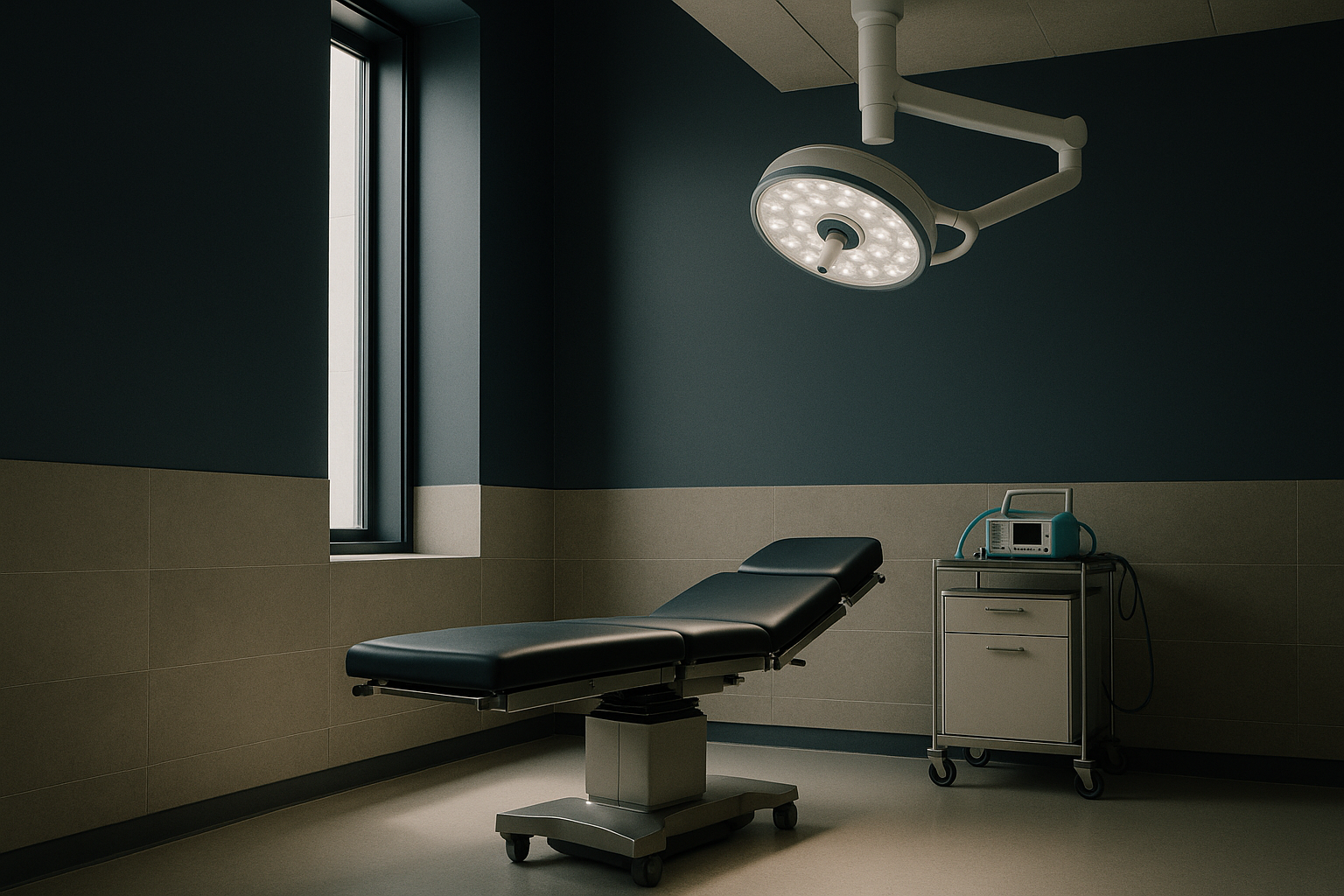
Hairline lowering surgery, also known as forehead reduction, is a cosmetic procedure that adjusts the position of the hairline for aesthetic purposes. Understanding the hairline lowering surgery cost is crucial for prospective patients considering this procedure abroad. This guide provides a detailed overview of costs, timelines, and safety considerations to help international patients make informed decisions.
What is Hairline Lowering Surgery?
Hairline lowering surgery is a medical procedure aimed at reducing the height of the forehead by advancing the scalp. It is often sought by individuals who feel their forehead is disproportionately large in relation to their facial features. The surgery involves removing a strip of skin from the forehead and adjusting the hairline to a more desirable position. This realignment can significantly alter how an individual perceives their facial balance, often leading to increased self-confidence.
The procedure is generally performed under local or general anesthesia, depending on the patient’s preference and the surgeon’s recommendation. It can take anywhere from two to four hours to complete, depending on the complexity of the case. Some patients may require additional procedures, such as brow lifts, to achieve their desired look, which can extend the duration of the surgery. The decision to use local or general anesthesia often depends on the patient’s comfort level and the extent of the surgery required, and should be thoroughly discussed with the surgeon during the consultation phase.
Recovery time varies, but most patients return to normal activities within a week. Swelling and bruising are common in the days following the procedure, and full recovery can take several weeks. It’s important to consult with a qualified plastic surgeon to discuss personal goals and expectations before undergoing the surgery. This consultation should cover the potential risks, the techniques involved, and realistic outcomes, ensuring that patients have a comprehensive understanding of what the procedure entails. During the recovery period, patients are usually advised to avoid strenuous activities and to follow specific care instructions for the incision site to minimize complications and promote healing.
How Much Does Hairline Lowering Surgery Cost?
The cost of hairline lowering surgery can vary significantly based on several factors, including geographic location, surgeon expertise, and the complexity of the procedure. On average, the hairline lowering surgery cost ranges from £3,000 to £8,000. This range can be attributed to the surgeon’s fee, facility costs, anesthesia, and any additional procedures that might be necessary to achieve the desired results. For instance, if a patient opts for complementary cosmetic enhancements, such as a brow lift, the overall cost will naturally increase.
Additional expenses may include pre-operative consultations, post-operative care, and any necessary medications. It’s advisable for patients to request a comprehensive quote from their chosen surgical facility to understand the full financial commitment. This quote should itemize all potential costs, including follow-up visits and emergency coverage, if necessary. In some cases, patients might also need to consider the costs of medical insurance, especially if undergoing surgery abroad, to cover any unforeseen complications or extended care needs.
International patients should also consider travel and accommodation costs when planning for surgery abroad. Comparing costs across different regions can be beneficial, but it’s crucial to prioritize quality and safety over cost-saving alone. Patients need to assess the reputation of the surgical facilities and the credentials of the surgeons. While cost is a significant factor, the priority should always be on obtaining high-quality care to ensure both safety and satisfactory results. Often, patients find that the extra expense for a reputable surgeon and facility is worthwhile for peace of mind and better outcomes.
Why Consider Hairline Lowering Surgery Abroad?
Many patients opt for hairline lowering surgery abroad due to potentially lower costs, access to renowned surgeons, or the opportunity to combine the procedure with travel. Medical tourism has become an attractive option for individuals seeking high-quality care at competitive prices. The allure of receiving care in countries known for their advanced medical technologies and skilled practitioners is strong, especially when combined with the possibility of enjoying a recuperative vacation.
Countries like Turkey, Thailand, and Mexico have emerged as popular destinations for cosmetic procedures, offering experienced surgeons and modern facilities at a fraction of the cost found in Western countries. For instance, the cost of surgery in Turkey can be up to 70% less than in the UK or the US, depending on the clinic and the specific procedures involved. However, patients must thoroughly research and choose accredited clinics to ensure safety and success. Accreditation by international bodies, such as the Joint Commission International (JCI), can be a good indicator of a clinic’s standards.
It is essential for patients to weigh the pros and cons of traveling abroad for surgery carefully. They should consider factors such as language barriers, cultural differences, and the availability of post-operative care when making their decision. Additionally, patients should plan for potential extended stays to accommodate follow-up appointments or manage any complications that may arise. These considerations are critical to ensuring a smooth and successful surgical experience abroad. For example, understanding post-operative care availability can be crucial, as some countries might not have the same follow-up protocols as Western nations, affecting recovery management.
What to Expect During the Consultation Process?
Before undergoing hairline lowering surgery, patients will typically have a consultation with the chosen surgeon. This meeting is crucial for discussing personal goals, assessing hairline position, and evaluating overall health. The surgeon will explain the procedure in detail, including potential risks and complications. This is also the time to discuss any additional cosmetic goals and how they might be achieved within the scope of the surgery.
During the consultation, patients should inquire about the surgeon’s credentials, experience, and track record with similar procedures. It’s also beneficial to ask for before-and-after photos of previous patients to gauge results. These photographs can provide a realistic expectation of the outcomes and help patients make informed decisions about the surgery. Understanding the surgeon’s previous work can also help in setting realistic expectations about the results and possible limitations of the procedure.
Open communication between the patient and surgeon is vital. Patients should feel comfortable discussing any concerns or questions they may have about the surgery, recovery process, and expected outcomes. This dialogue ensures that both the patient and the surgeon are aligned on the goals and limitations of the surgery, reducing the likelihood of dissatisfaction post-procedure. Additionally, patients should discuss any medical conditions or medications they are taking that could affect the surgery or recovery process. Allergies, medical history, and lifestyle factors like smoking or alcohol consumption can all influence surgical outcomes and should be openly discussed.
How to Prepare for Hairline Lowering Surgery?
Preparation for hairline lowering surgery involves several steps to ensure a smooth procedure and recovery. Patients are typically advised to avoid smoking and discontinue certain medications that may increase bleeding risk. This preparation phase is crucial, as it can significantly affect the surgery’s outcome and the speed of recovery.
- Undergo any required pre-operative tests or evaluations. These may include blood tests, imaging studies, or a general health assessment to ensure the patient is fit for surgery.
- Follow dietary or lifestyle recommendations given by the surgeon. This may involve adjusting one’s diet to support healing, such as increasing protein intake or avoiding alcohol and caffeine.
- Arrange for transportation and post-operative care assistance, if necessary. Patients will need someone to drive them home after surgery and may require assistance with daily activities during the initial recovery period.
A thorough understanding of pre-operative instructions is essential for minimizing complications and enhancing recovery. Patients should also prepare their home environment to accommodate their recovery, ensuring that they have easy access to necessary supplies and a comfortable resting area. Being well-prepared can help alleviate anxiety and contribute to a smoother overall experience. Considerations such as arranging a comfortable rest area with minimal noise and distractions can promote better rest and quicker healing.
What are the Risks and Safety Considerations?
As with any surgical procedure, hairline lowering surgery carries some risks. Common concerns include infection, scarring, and temporary numbness in the forehead area. However, complications are rare when performed by experienced surgeons. The risk of such complications can be further minimized by adhering to the surgeon’s pre- and post-operative instructions.
To maximize safety, patients should select a board-certified surgeon with extensive experience in hairline operations. Verifying the clinic’s accreditation and reading reviews from past patients can provide additional assurance. Patients should also ensure that the surgical facility is equipped with the necessary resources to handle any emergencies that may arise during or after the procedure.
Adhering to post-operative care instructions, such as keeping the incision site clean and avoiding strenuous activities, is vital for a successful recovery. Patients must be vigilant in monitoring their healing process and contact their surgeon immediately if they experience any unusual symptoms, such as excessive swelling or fever. Proper care and caution can significantly enhance the safety and success of the surgery, leading to satisfactory aesthetic results. Additionally, patients should be aware of the signs of potential complications such as infections or unusual discomfort, and seek prompt medical attention if these occur.
How Long is the Recovery Process?
The recovery process for hairline lowering surgery typically lasts several weeks. Most patients can return to work and normal activities within 7 to 10 days, though full recovery may take longer. It is important for patients to plan their schedules accordingly, allowing ample time to rest and recuperate without the pressure of returning to work prematurely.
Swelling and bruising are common in the first few days following surgery. Patients should follow the surgeon’s advice on managing discomfort, such as using prescribed medications and applying cold compresses. These measures can help reduce swelling and alleviate pain, facilitating a smoother recovery process.
- Attend all follow-up appointments to monitor healing progress. These visits allow the surgeon to assess the patient’s recovery and address any concerns that may arise.
- Avoid exposing the incision site to direct sunlight and wear protective headgear if necessary. Sun exposure can exacerbate scarring and prolong the healing process, so patients must take precautions to protect their skin.
- Report any unusual symptoms or concerns to the surgeon promptly. Open communication is essential to address any complications early and ensure a successful recovery.
Following these guidelines can help ensure optimal healing and satisfaction with the results. Patients should also maintain a healthy lifestyle, focusing on proper nutrition and hydration, to support their body’s natural healing processes. With careful adherence to recovery protocols, patients can enjoy the benefits of their enhanced appearance with confidence. A well-rounded approach to recovery, including gentle physical activity and mental relaxation techniques, can further aid in achieving the best outcomes.
Conclusion
Understanding the hairline lowering surgery cost and associated factors is essential for international patients considering this procedure. By carefully researching and planning, patients can achieve their desired aesthetic outcomes while ensuring safety and quality care. The investment in time and resources is justified by the potential for improved self-esteem and personal satisfaction with one’s appearance.
Prospective patients should consult with qualified surgeons, consider all expenses, and prepare thoroughly for their journey. With the right approach, hairline lowering surgery can be a rewarding experience, enhancing both appearance and self-confidence. By prioritizing safety and quality, patients can achieve the best possible outcome from their surgical experience. Through thoughtful planning and comprehensive consultation, individuals can transform their appearance while minimizing risks and maximizing satisfaction.
Proven result
10 to 70 oncology patients a month from Canada
International oncology provider
Frequently asked questions
How much does hairline lowering surgery typically cost?
Hairline lowering surgery typically costs between £3,000 and £8,000, depending on various factors like location and surgeon expertise.
What factors influence the cost of hairline lowering surgery?
Factors influencing cost include geographic location, surgeon expertise, facility accreditation, and additional expenses like consultations and medications.
Is it safe to have hairline lowering surgery abroad?
Having surgery abroad can be safe if patients choose accredited clinics and experienced surgeons, and thoroughly research facilities beforehand.
What should I ask during a surgery consultation?
Inquire about the surgeon’s credentials, experience, potential risks, and view before-and-after photos of past patients to assess results.
Related guides

How Overseas Surgery Insurance Really Works
A lower treatment quote can quickly lose its advantage if an unexpected complication extends your stay, requires emergency…

Analyzing the Medical Tourism Market: Current Trends
Quick answerThe medical tourism market is growing due to factors like cost-effective treatments, advanced medical technologies, and international…
Best Country for Cancer Treatment: Top Countries for Advanced Cancer Treatment Options
Quick answerCountries like the USA, Germany, and Japan offer some of the best cancer treatment in the world,…