
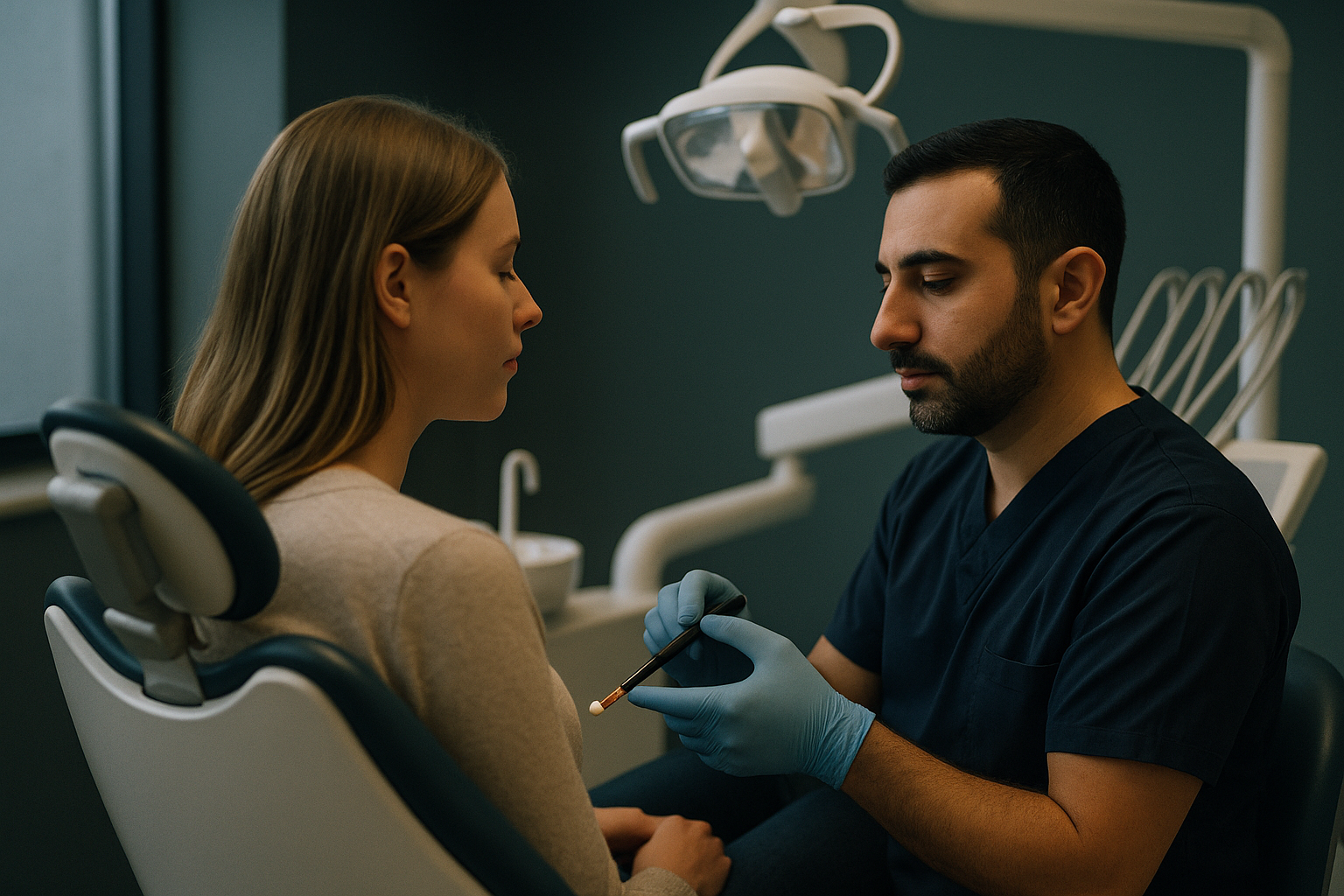
Considering dental treatments abroad can be a daunting decision, but understanding the details can help ease concerns. Composite veneers in Turkey have become an increasingly popular choice for international patients seeking affordable and high-quality dental care. This guide provides a comprehensive overview of costs, procedures, and safety considerations, ensuring a well-informed decision.
What Are Composite Veneers and Why Choose Turkey?
Composite veneers are thin layers of resin applied to the front surface of teeth to enhance their appearance. They are effectively used to correct aesthetic dental issues such as discolouration, slight gaps, and minor misalignments. Such veneers are often preferred over porcelain for their affordability and quicker application process, making them a popular choice for cosmetic dental enhancements. The material is sculpted directly onto the teeth, allowing for a customized fit that can improve a smile dramatically without the need for extensive tooth reduction.
Turkey has emerged as a leading destination for dental treatments, particularly composite veneers, due to its competitive pricing and high standards of care. The country is home to numerous advanced dental clinics equipped with the latest technology, ensuring that patients receive top-notch care. Additionally, Turkish dentists are highly trained, with many having international experience or affiliations with global dental associations. This combination of quality and affordability makes Turkey an attractive choice for dental tourists seeking excellent cosmetic results.
Moreover, the geographical location of Turkey provides added convenience for patients traveling from Europe and the Middle East, reducing travel time and costs. Many dental clinics in Turkey also offer multilingual services, which is a significant advantage for international patients. They provide comprehensive packages that include not only the dental procedure but also accommodation and transportation, making the entire process seamless. This holistic approach to dental tourism ensures that patients can focus on their treatment and recovery rather than logistical concerns.
How Much Does Composite Bonding Cost in Turkey?
The cost of composite bonding in Turkey is influenced by several factors, including the clinic’s prestige, the location, the dentist’s level of expertise, and the number of teeth that require treatment. On average, patients can expect to pay between $100 and $300 per tooth. This range is significantly lower than in many Western countries, where similar procedures can cost upwards of $500 to $1,000 per tooth. For those considering multiple teeth or a full set of veneers, the savings can be substantial, with prices ranging from $2,800 to $8,400 for a full set of 28 teeth.
However, when planning for dental treatment abroad, it’s crucial to account for other expenses such as travel, accommodation, and potential post-procedure care. Many Turkish clinics offer attractive package deals that cover these additional costs, providing a more predictable financial commitment for international patients. These packages often include airport transfers, hotel stays, and sometimes even guided tours, allowing patients to enjoy a vacation alongside their dental treatment.
It’s also worth noting that the cost of composite veneers in Turkey does not compromise the quality of care. The competitive pricing is largely due to the lower cost of living in Turkey and government incentives to promote medical tourism. Thus, patients can benefit from high-quality dental services at a fraction of the price they would pay in their home country, making it a worthwhile consideration for those looking to enhance their smile affordably.
What Is the Process for Getting Composite Veneers in Turkey?
The process of obtaining composite veneers in Turkey is generally straightforward and can often be completed in one to three visits, depending on the complexity of the case and the number of veneers required. The initial consultation is a critical step where the dentist conducts a detailed examination of the patient’s oral health and discusses the desired outcomes. During this session, digital imaging and impressions of the teeth are taken to craft a customized treatment plan tailored to the patient’s needs.
Following the consultation, the actual application of the composite veneers is scheduled. This procedure typically begins with the cleaning and preparation of the teeth, ensuring a clean surface for bonding. The dentist then applies a bonding agent to the teeth, followed by the layering and sculpting of the composite resin material to achieve the desired shape and appearance. The resin is hardened using a special light, after which it is polished to match the natural sheen of the original teeth. The entire process is minimally invasive, often requiring no anesthesia, which is appealing to patients seeking a quick recovery.
After the veneers are applied, patients receive detailed aftercare instructions to ensure the longevity of their new smile. This includes guidance on maintaining oral hygiene, avoiding certain foods or habits that could damage the veneers, and scheduling follow-up visits if necessary. The efficiency and expertise of Turkish dental practitioners ensure that patients leave with a transformed smile in a relatively short amount of time, making the journey for composite veneers in Turkey both rewarding and efficient.
Are Composite Veneers Safe and Accredited in Turkey?
Safety is a paramount concern for international patients seeking dental treatments abroad, and Turkey’s dental industry is well-regulated to meet stringent safety standards. Many dental clinics in Turkey are accredited by international healthcare organizations, which ensures that they adhere to global health and safety regulations. This accreditation provides assurance to patients that they will receive care that meets international standards, minimizing risks associated with dental procedures.
In terms of materials, Turkish clinics often use high-quality composites sourced from reputable manufacturers, akin to those used in Western countries. These materials are chosen for their durability and aesthetic appeal, ensuring that the veneers not only look natural but also last as long as possible. Additionally, the dentists in Turkey are well-trained and often participate in continuous education programs, keeping them abreast of the latest advancements and techniques in dental care.
Patients are advised to conduct thorough research before selecting a clinic, focusing on reputation, patient reviews, and the credentials of the dental professionals involved. Many clinics facilitate this process by providing virtual consultations or sharing before-and-after portfolios of previous patients. By choosing a clinic with a solid reputation and proper accreditation, patients can be confident in the safety and quality of their composite veneers in Turkey, enjoying peace of mind alongside their enhanced smile.
How Long Do Composite Veneers Last?
Composite veneers are designed to last between 5 and 7 years, although their longevity can be influenced by several factors. Key determinants include the patient’s oral hygiene practices, lifestyle habits, and the quality of the composite materials used. Regular dental check-ups, proper brushing and flossing, and avoiding habits that strain the teeth can significantly extend the lifespan of the veneers.
It’s essential for patients to follow the care guidelines provided by their dentist to maintain the veneers’ appearance and functionality. This includes avoiding biting into hard objects, such as ice or pen caps, which can chip or crack the veneers. Additionally, limiting the intake of staining substances like coffee, tea, and tobacco can help preserve their color, ensuring they remain indistinguishable from natural teeth.
While composite veneers are durable, they are not as long-lasting as porcelain veneers, which can last over a decade. However, the ease of repair and the lower cost make composite veneers an appealing option for many. Patients considering veneers should weigh these factors and discuss them with their dentist to determine the best choice for their needs and lifestyle, ensuring they receive the optimal balance of aesthetics and durability.
What Should You Consider Before Travelling for Dental Treatment?
Before embarking on a journey for dental treatment abroad, several critical factors should be considered to ensure a smooth and successful experience. Firstly, it’s imperative to thoroughly research the clinic’s credentials, the dentist’s experience, and patient testimonials. This research will provide insights into the quality of care and help set realistic expectations for the procedure and results.
Understanding the legal and medical implications of receiving treatment in a foreign country is another important consideration. Patients should familiarize themselves with the country’s healthcare regulations and the clinic’s policies regarding follow-up care or complications. This knowledge can aid in making informed decisions and preparing for any potential issues that may arise.
Logistics also play a crucial role in planning dental treatment abroad. A comprehensive travel plan should include transportation arrangements, accommodation, and any required aftercare appointments. Consulting with a local dentist before and after the trip can ensure continuity of care, providing a professional to address any queries or concerns that may arise post-procedure. By preparing meticulously, patients can navigate the complexities of dental tourism with confidence and ease.
Conclusion: Is Turkey the Right Choice for Your Veneers?
Turkey offers a compelling option for those seeking composite veneers, balancing quality, affordability, and convenience. By thoroughly researching and planning your dental journey, you can achieve a confident, improved smile with peace of mind. The country’s commitment to high standards in dental care, combined with its cost-effective solutions, makes it an attractive destination for many seeking dental enhancements.
With comprehensive information and careful preparation, patients can enjoy the benefits of composite veneers in Turkey, enhancing their dental aesthetics without compromising on safety or quality. The experience not only promises a transformed smile but also an opportunity to explore a vibrant country rich in culture and history. As with any medical treatment, the key to success lies in informed decision-making and selecting the right professionals to guide you through the process.
Proven result
20 to 200 hair-transplant patients a month from Australia
Aesthetic surgery group
Frequently asked questions
How much does composite bonding cost in Turkey?
Composite bonding in Turkey typically costs between $100 and $300 per tooth, depending on the clinic and dentist.
How much is composite bonding in Turkey for 28 teeth?
For 28 teeth, composite bonding in Turkey can range from $2,800 to $8,400, depending on various factors.
Can you get composite bonding in Turkey?
Yes, Turkey offers composite bonding with experienced dentists and modern clinics, making it a popular choice for international patients.
How much does composite bonding cost in Turkey Anta?
In Antalya, Turkey, the cost of composite bonding is generally in line with the national average, ranging from $100 to $300 per tooth.
Related guides

Digital Marketing for Clinics That Drives Demand
A clinic can have exceptional physicians, advanced technology, and competitive pricing, yet still lose prospective patients before the…

How Overseas Surgery Insurance Really Works
A lower treatment quote can quickly lose its advantage if an unexpected complication extends your stay, requires emergency…

Analyzing the Medical Tourism Market: Current Trends
Quick answerThe medical tourism market is growing due to factors like cost-effective treatments, advanced medical technologies, and international…