
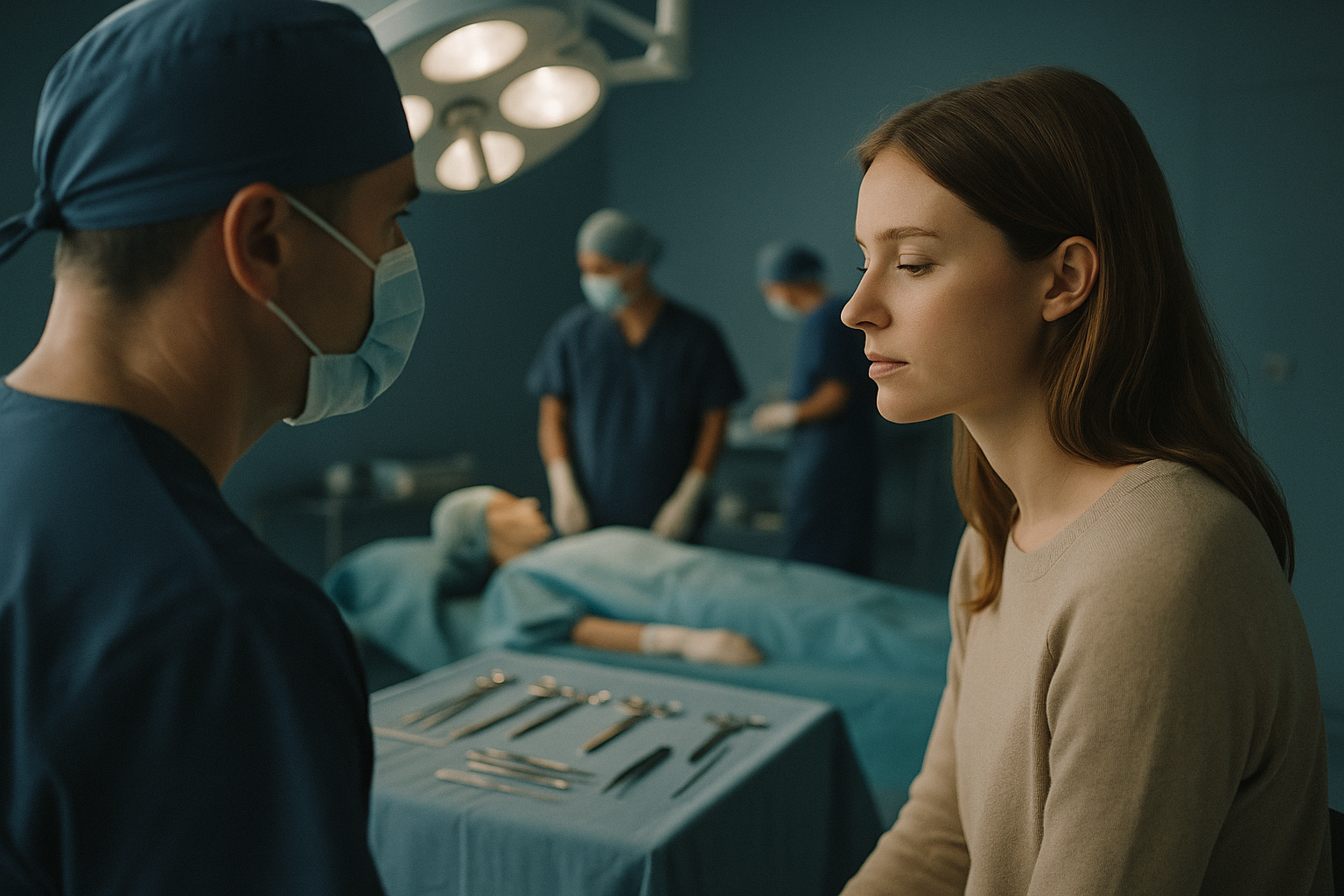
Considering a facelift in Turkey can be an excellent option for those seeking quality cosmetic surgery at a competitive price. Turkey has become a popular destination for medical tourism, offering advanced medical facilities and highly skilled surgeons. This article explores key factors to consider for achieving the best results from a facelift procedure in Turkey.
Why Choose a Turkey Face Lift?
Choosing a facelift in Turkey comes with several advantages, making it a popular choice for individuals from around the globe. Turkey is renowned for its modern medical facilities and experienced surgeons, many of whom are trained internationally in countries such as the United States and the United Kingdom. This international training ensures that the healthcare standards in Turkey align with European and American practices, ensuring that patients receive quality care that meets global expectations.
Additionally, Turkey is a cost-effective option for cosmetic surgery. The cost of facelift procedures in Turkey is typically more affordable than in Western countries, without compromising on quality. For example, a standard facelift in Turkey can range from £2,500 to £4,500, whereas the same procedure might cost upwards of £10,000 in places like the United States or the United Kingdom. This affordability makes it an attractive choice for international patients seeking value for money, allowing them to allocate their budget towards other aspects of recovery and leisure.
Moreover, the location of Turkey plays a significant role in its appeal as a medical tourism destination. The country offers a unique blend of culture and history, allowing patients to enjoy a rich experience while recovering from their surgery. With a well-developed tourism infrastructure, patients can easily combine their medical treatment with a relaxing holiday, exploring historical sites, enjoying local cuisine, and experiencing Turkish hospitality.
How Much Does a Facelift Cost in Turkey?
The cost of a facelift in Turkey varies depending on various factors, including the complexity of the procedure, the surgeon’s expertise, and the specific clinic chosen. On average, facelift prices in Turkey range from £2,500 to £4,500. This cost is significantly lower than in many Western countries, where a similar procedure can easily exceed £10,000. The affordability of facelifts in Turkey does not mean a compromise in quality; instead, it reflects the competitive pricing due to the lower cost of living and operational expenses compared to Western nations.
Several factors influence the cost of a facelift in Turkey. The type of facelift—whether a mini, standard, or deep plane facelift—can affect the overall price. Additionally, some patients may opt for additional treatments, such as neck lifts or eyelid surgery, in conjunction with their facelift, which can increase the total cost. Patients should also consider travel expenses and accommodation when budgeting for their surgery abroad. Flight costs can vary based on the season and location, while accommodation in Turkey ranges from budget-friendly hotels to luxurious resorts.
It is crucial to choose a clinic that is transparent about costs and includes all fees in their package. Some clinics offer comprehensive packages that cover surgery, accommodation, and aftercare, which can provide added convenience and peace of mind. These packages often include transportation from the airport, a stay at a hotel or recovery center, pre-operative consultations, the surgical procedure itself, and post-operative care, ensuring that patients have a streamlined and stress-free experience.
What to Expect During the Surgery?
A facelift procedure in Turkey typically involves the removal of excess skin and the tightening of facial tissues to create a more youthful appearance. The surgery usually takes between 2 to 4 hours, depending on the extent of the procedure and whether additional treatments are performed simultaneously. The procedure is performed under general anesthesia, ensuring that the patient is comfortable and free of pain throughout the surgery.
Patients are advised to arrive a few days before the surgery for pre-operative assessments and consultations. This time allows the surgeon to evaluate the patient’s suitability for surgery, discuss the desired outcomes, and develop a personalized surgical plan. During these consultations, patients should feel free to ask questions and express any concerns, ensuring they understand the procedure and the expected results.
After the procedure, most patients stay in the clinic for one or two nights for monitoring to ensure there are no immediate complications. Post-operative care is crucial for recovery and achieving the best results. Clinics often provide detailed aftercare instructions, including guidelines on wound care, activity restrictions, and follow-up appointments to ensure the patient’s recovery is on track. Patients are typically advised to avoid strenuous activities and exposure to the sun for several weeks following the surgery.
Safety and Accreditation in Turkey
Safety is a top priority for those considering cosmetic surgery abroad, and Turkey has established itself as a reputable destination by adhering to strict regulations governing medical practices. Many clinics in Turkey are accredited by internationally recognized bodies, ensuring high standards of safety and care. Accreditation provides assurance that the clinic follows best practices and that the medical staff is qualified and experienced.
When choosing a clinic, it is essential to verify its accreditation status and the qualifications of the surgeons. Reputable clinics will have surgeons who are members of international professional associations, such as the International Society of Aesthetic Plastic Surgery (ISAPS), and have substantial experience in cosmetic surgery. These affiliations indicate that the surgeons adhere to international standards and continue to update their skills and knowledge.
Patients should also read reviews and testimonials from previous patients to gauge the quality of service and care provided by the clinic. This research helps in making an informed decision and ensures peace of mind. Online forums and platforms dedicated to medical tourism can provide valuable insights into patient experiences, helping potential patients choose a clinic that best fits their needs and expectations.
How to Prepare for Your Facelift Journey?
Preparing for a facelift in Turkey involves several steps, beginning with thorough research and consultation. Patients should gather information about potential clinics and surgeons, reviewing their credentials and patient feedback. This initial research helps narrow down the options and identify clinics that meet the desired standards of care and professionalism.
Once a clinic is chosen, the next step is to consult with the surgeon to discuss expectations and any health concerns. It is essential to be honest about medical history and any medications being taken, as these factors can affect the surgery and recovery. During the consultation, patients should discuss their goals, the surgical plan, and any potential risks associated with the procedure.
Patients should also plan their travel and accommodation, ensuring they have ample time for recovery before returning home. Pre-arranging transport and lodging can alleviate stress and allow for a smoother experience. It is advisable to have a companion accompany the patient to assist during the recovery period. Additionally, arranging for post-operative support, such as nursing care or assistance with daily activities, can further ease the recovery process.
What are the Alternatives to a Facelift?
For those unsure about undergoing surgery, there are non-surgical alternatives to a facelift. These include treatments like dermal fillers, Botox, and laser therapy, which can achieve similar rejuvenating effects with less downtime and risk. Non-surgical options are appealing to individuals looking for temporary improvements without the commitment of surgery.
Each alternative has its benefits and drawbacks. Non-surgical treatments generally offer temporary results and may require regular maintenance every few months to a year, depending on the treatment. For instance, Botox injections typically last 3 to 6 months, while dermal fillers can last up to 18 months. In contrast, surgical facelifts provide more long-lasting outcomes, often lasting 5 to 10 years or more, making them a more permanent solution for aging concerns.
Patients should weigh the pros and cons of each option and consult with a professional to determine the best approach for their individual needs and goals. Factors such as age, skin condition, and the desired level of improvement should be considered. A professional consultation can provide insights into the most suitable treatments, helping patients make informed decisions about their cosmetic journey.
Conclusion
Choosing to undergo a facelift in Turkey can be a rewarding decision, offering high-quality care at affordable prices. By considering factors like cost, safety, and preparation, patients can ensure a successful surgical experience. Thorough research and careful planning are crucial in achieving the desired results and enjoying the benefits of this transformative procedure.
Proven result
20 to 200 hair-transplant patients a month from Australia
Aesthetic surgery group
Frequently asked questions
How much is a facelift in Turkey?
On average, a facelift in Turkey costs between £2,500 and £4,500, depending on the type of procedure and clinic chosen.
Why choose a facelift in Turkey?
Turkey offers high-quality medical care at competitive prices, with experienced surgeons and modern facilities ensuring excellent results.
What is the recovery time for a facelift in Turkey?
Recovery time varies, but most patients can expect to resume normal activities within 2 to 3 weeks post-surgery.
Are there risks associated with facelift surgery in Turkey?
As with any surgery, there are risks, but choosing a reputable, accredited clinic can minimise these and ensure patient safety.
Related guides

How Overseas Surgery Insurance Really Works
A lower treatment quote can quickly lose its advantage if an unexpected complication extends your stay, requires emergency…

Analyzing the Medical Tourism Market: Current Trends
Quick answerThe medical tourism market is growing due to factors like cost-effective treatments, advanced medical technologies, and international…
Best Country for Cancer Treatment: Top Countries for Advanced Cancer Treatment Options
Quick answerCountries like the USA, Germany, and Japan offer some of the best cancer treatment in the world,…