
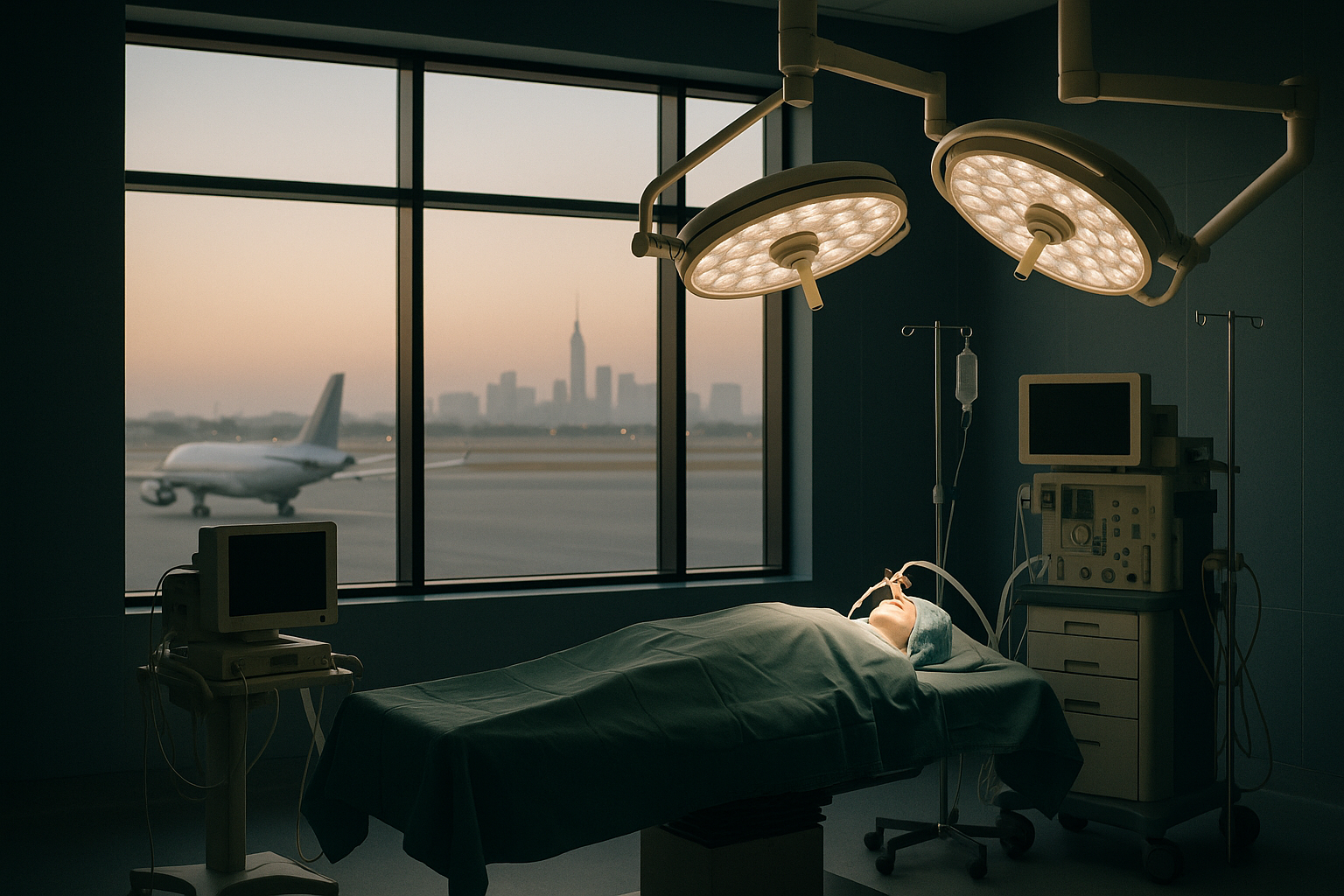
Closed rhinoplasty in Turkey has become increasingly popular among international patients due to its affordability and high-quality medical services. This article provides an in-depth look at what you can expect when considering this procedure abroad, including practical steps, realistic costs, and safety and accreditation guidance.
What is Closed Rhinoplasty?
Closed rhinoplasty is a surgical procedure designed to alter the shape of the nose for cosmetic or functional reasons. Unlike open rhinoplasty, this technique involves incisions made within the nostrils, resulting in no visible scarring. This is particularly beneficial for patients seeking minor adjustments or those concerned with recovery time and post-operative swelling. The closed approach limits the invasiveness of the procedure, which appeals to many patients desiring a quicker return to daily activities.
During a closed rhinoplasty, the surgeon makes precise alterations to the nasal cartilage and bone, ensuring the desired aesthetic outcome while maintaining structural integrity. The procedure typically involves reshaping the nasal tip, correcting a deviated septum, or reducing the nasal hump. The complexity of these changes depends on the patient’s unique nasal structure and desired results, requiring the surgeon’s skill to achieve a harmonious balance.
This method is less invasive than open rhinoplasty, often translating to a quicker recovery period and less discomfort for the patient. Closed rhinoplasty may also result in less swelling and bruising post-surgery. Patients generally appreciate that the absence of external scars allows them to maintain more of their privacy regarding aesthetic procedures. However, the suitability of closed rhinoplasty for a patient depends on individual factors, making a thorough consultation with a qualified surgeon essential. It is crucial for prospective patients to understand that while closed rhinoplasty offers many benefits, it is not suitable for every type of nasal surgery. Patients with complex nasal deformities or those requiring extensive reshaping may still need to opt for open rhinoplasty. Therefore, the decision to undergo closed rhinoplasty should be made in close consultation with a skilled and experienced surgeon who can assess individual anatomical considerations and aesthetic goals.
Why Choose Turkey for Closed Rhinoplasty?
Turkey has emerged as a leading destination for medical tourism, offering high-quality healthcare services at competitive prices. The country is renowned for its experienced surgeons, state-of-the-art medical facilities, and favorable exchange rates, making it an attractive option for international patients seeking closed rhinoplasty. The Turkish healthcare system is well-regarded for its robust infrastructure and modern technology, ensuring that patients receive top-notch care.
Many clinics in Turkey are accredited by international medical bodies, ensuring that patients receive care that meets global standards. These accreditations, such as those from the Joint Commission International (JCI), signify rigorous adherence to quality and safety protocols. Additionally, Turkish surgeons are often trained internationally and bring a wealth of experience to their practice, further enhancing patient confidence in their skills. The comprehensive training and exposure to diverse surgical techniques enable these surgeons to offer innovative and customized solutions to meet the unique needs of each patient.
The country’s strategic location also makes it accessible to patients from Europe, Asia, and the Middle East, further enhancing its appeal as a medical tourism hub. Travel to Turkey is relatively straightforward, with major cities like Istanbul and Ankara offering numerous direct flights from around the world. The cultural and historical richness of Turkey also provides an enriching experience for patients who may choose to extend their stay post-surgery to explore the country’s attractions. Visiting landmarks such as the Hagia Sophia or the ancient ruins of Ephesus offers an added benefit to those traveling for medical purposes, making the journey both a healthcare and cultural experience.
What are the Costs Involved?
The cost of closed rhinoplasty in Turkey is significantly lower than in many Western countries, making it an appealing choice for budget-conscious patients. On average, the procedure can range from $2,000 to $4,000, depending on the complexity of the surgery and the surgeon’s experience. This pricing is considerably more affordable compared to countries like the United States or the United Kingdom, where similar procedures might cost upwards of $7,000 to $15,000. This substantial difference in cost does not compromise the quality of care, as Turkish clinics often offer packages that include comprehensive pre-operative and post-operative care.
- Consultation fees are generally included in the overall package, providing an opportunity for patients to discuss their goals and concerns without additional costs. This allows for a more personalized consultation process, ensuring that the patient’s expectations align with the potential outcomes.
- Post-operative care is often provided at no additional cost, which is crucial for ensuring proper healing and addressing any immediate post-surgery issues. Clinics may offer extended follow-up services, either in person or via virtual appointments, to monitor recovery and address any concerns promptly.
- Accommodation and travel expenses should be factored into the total cost. Many clinics offer packages that include hotel stays and airport transfers, simplifying logistics for international patients. These packages are designed to alleviate the stress of travel and accommodation, allowing patients to focus on their recovery and enjoy their stay in Turkey.
It’s important to verify what is included in the quoted price to avoid unexpected expenses. Patients should inquire about any potential additional costs, such as medications, follow-up appointments, or specific pre-operative tests. Being fully informed about the financial aspects allows patients to budget effectively and focus on their recovery without financial stress. Additionally, understanding the payment options available, such as installment plans or financing, can help manage expenses conveniently.
How to Prepare for the Procedure?
Preparing for closed rhinoplasty involves several steps to ensure a smooth surgical experience and recovery. Patients are advised to maintain open communication with their chosen surgeon, discussing their goals and any concerns they may have. This dialogue is crucial for setting realistic expectations and building trust with the medical team. Clear communication helps in understanding the procedural details, potential risks, and expected recovery timeline, enabling patients to make informed decisions.
- Undergo a thorough medical evaluation to assess suitability for surgery. This typically includes a physical examination and possibly imaging tests to evaluate nasal structures. These assessments help in identifying any underlying health issues that might complicate the surgery or recovery process.
- Refrain from smoking and limit alcohol consumption in the weeks leading up to the procedure, as these can impede healing and increase the risk of complications. Patients are encouraged to maintain a healthy lifestyle, focusing on nutrition and hydration, to support optimal healing.
- Make arrangements for post-operative care and support during recovery. Having a friend or family member available to assist during the initial recovery phase can be invaluable. This support system can help manage daily tasks, facilitate communication with medical professionals, and provide emotional reassurance.
Patients should also familiarize themselves with the clinic’s policies and local healthcare regulations to ensure a seamless experience. Gathering information on what to expect on the day of surgery, including fasting requirements and post-operative care instructions, can alleviate anxiety and enhance preparedness. Additionally, preparing a comfortable recovery space at home with necessary supplies, such as ice packs and prescribed medications, contributes to a smoother healing process. Ensuring that all logistical aspects are in place before the procedure allows patients to focus solely on their recovery journey.
What to Expect During Recovery?
Recovery from closed rhinoplasty typically involves a shorter downtime compared to open rhinoplasty. Most patients can expect to resume normal activities within two weeks, though complete healing may take several months. The initial recovery phase is crucial, as this is when the most significant swelling and bruising occur, which generally subsides within the first two weeks. It’s normal for patients to experience fluctuations in swelling, which can temporarily affect the appearance of the nose, but these will gradually resolve.
Common post-operative symptoms include swelling, bruising, and mild discomfort, which can be managed with prescribed medication. Patients are often advised to keep their head elevated and apply cold compresses to minimize swelling. It’s also recommended to avoid strenuous activities and direct sunlight during the initial recovery period to prevent complications. Protecting the nasal area from trauma or excessive movement is crucial to ensure proper healing and prevent any disruption to the surgical adjustments.
It’s crucial to follow post-operative instructions provided by the surgeon to ensure optimal results and prevent complications. These instructions may include guidelines on nasal care, such as how to clean the incision area and when to resume wearing glasses. Regular follow-up appointments are essential to monitor the healing process and address any concerns that may arise. These check-ups provide an opportunity for the surgeon to assess the progress and make any necessary adjustments to the recovery plan. Adhering to these guidelines ensures that patients achieve the best possible outcomes from their surgery.
What About Safety and Accreditation?
Ensuring safety is paramount when considering surgery abroad. Many Turkish clinics boast accreditation from recognized international bodies such as the Joint Commission International (JCI), which attests to their commitment to maintaining high standards of care. Accreditation involves rigorous evaluations of facilities, staff qualifications, and patient care protocols, ensuring that patients receive safe and effective treatment. These standards help to ensure that surgical procedures are carried out in a controlled and sterile environment, reducing the risk of infection or complications.
Patients should verify the credentials of their chosen surgeon and clinic, reviewing past patient testimonials and success rates. Researching the surgeon’s experience, education, and specialty in rhinoplasty can provide insights into their capability and success in performing the procedure. This due diligence helps ensure that the treatment meets their expectations and is carried out in a safe and professional environment. By examining the surgeon’s portfolio and patient reviews, prospective patients can gain confidence in their choice and ensure the surgeon’s expertise aligns with their specific needs and goals.
In conclusion, closed rhinoplasty in Turkey offers a cost-effective and high-quality option for those seeking nasal surgery. By understanding the process, costs, and safety measures involved, international patients can make informed decisions about their healthcare journey. With the right preparation and a trusted medical team, patients can achieve their desired outcomes while enjoying the benefits of Turkey’s medical tourism offerings. The combination of expert medical care, affordability, and the opportunity to experience Turkey’s rich culture makes this destination an attractive choice for those considering closed rhinoplasty abroad.
Proven result
20 to 200 hair-transplant patients a month from Australia
Aesthetic surgery group
Frequently asked questions
How long does recovery take after closed rhinoplasty in Turkey?
Recovery from closed rhinoplasty typically takes about two weeks for normal activities, with complete healing in several months.
Is closed rhinoplasty in Turkey safe for international patients?
Yes, many clinics in Turkey are accredited by international bodies, ensuring high safety standards for international patients.
What factors influence the cost of closed rhinoplasty in Turkey?
Costs are influenced by the complexity of the surgery, the surgeon’s experience, and additional expenses like travel and accommodation.
How can I ensure I choose the right clinic in Turkey?
Research clinics thoroughly, checking for international accreditation, surgeon credentials, and past patient reviews.
What should I consider before travelling for closed rhinoplasty in Turkey?
Consider consultations, medical evaluations, and post-op arrangements to ensure a smooth experience.
Related guides

How Overseas Surgery Insurance Really Works
A lower treatment quote can quickly lose its advantage if an unexpected complication extends your stay, requires emergency…

Analyzing the Medical Tourism Market: Current Trends
Quick answerThe medical tourism market is growing due to factors like cost-effective treatments, advanced medical technologies, and international…
Best Country for Cancer Treatment: Top Countries for Advanced Cancer Treatment Options
Quick answerCountries like the USA, Germany, and Japan offer some of the best cancer treatment in the world,…