
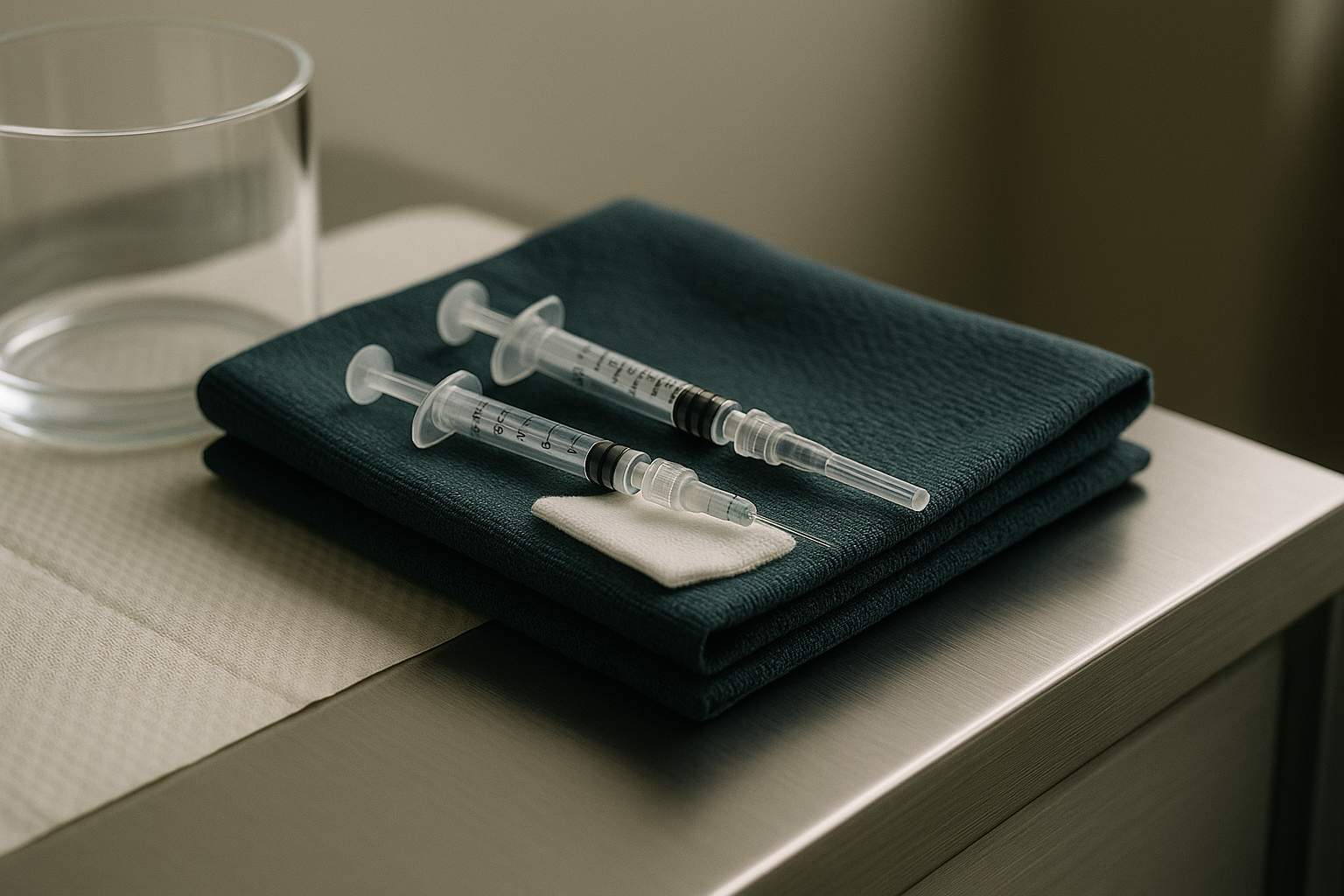
Considering jaw filler enhancements can be a transformative decision for those seeking to improve their facial symmetry and contour. Understanding the jaw filler before and after process is crucial for international patients aiming for successful results.
What are Jaw Filler Enhancements?
Jaw filler enhancements involve the strategic injection of dermal fillers to reshape and contour the jawline. These fillers, often composed of hyaluronic acid, can add volume, reduce asymmetry, and enhance the overall profile of the face. The procedure is minimally invasive, making it an attractive option for many. Patients often choose jaw fillers to address common aesthetic concerns such as a recessed chin, jowls, or lack of definition along the jawline.
In a typical procedure, the practitioner will inject a biocompatible substance into the specific areas needing enhancement. The choice of filler and the amount used will depend on the patient’s anatomy and desired outcomes. Hyaluronic acid fillers are popular due to their safety profile and natural results, but calcium hydroxylapatite can also be an option for those seeking more structural definition. The effects of jaw fillers can last between 6 to 18 months, depending on the type of filler used and the patient’s metabolic rate.
Patients seeking these enhancements typically aim to address concerns such as sagging skin, a weak chin, or an undefined jawline. The procedure is performed by skilled practitioners who use precise techniques to achieve natural-looking results. It’s essential for potential patients to consult with a qualified professional to discuss their goals and ensure that jaw filler is the appropriate solution for their needs.
How Does the Jaw Filler Procedure Work?
The jaw filler procedure begins with an initial consultation, where the practitioner assesses the patient’s facial structure and discusses desired outcomes. This step is crucial in creating a tailored treatment plan that aligns with the patient’s goals. During the consultation, the practitioner may use imaging software to simulate potential outcomes, giving patients a clearer understanding of what to expect from their jaw filler before and after transformation.
During the procedure, the practitioner injects dermal filler into targeted areas of the jawline. The process is relatively quick, typically taking about 30 to 60 minutes. Local anaesthesia or numbing cream is used to ensure comfort throughout the session. The practitioner may use a cannula or needle, depending on their technique and the specific needs of the patient. Cannulas can reduce bruising and swelling by minimizing trauma to the tissue.
Patients often report minimal discomfort, and the results are immediately visible, although some swelling may occur in the initial days post-treatment. It is advisable for patients to schedule a follow-up appointment after a few weeks to assess the results and discuss any necessary touch-ups. The practitioner can also provide guidance on maintaining results and when to consider a repeat treatment.
What Are the Costs and Timelines for Jaw Filler?
The cost of jaw filler can vary significantly based on factors such as the practitioner’s expertise, geographic location, and the amount of filler required. On average, patients can expect to pay between $600 and $1,200 per session, with some high-demand clinics in metropolitan areas charging upwards of $2,000. It’s important for patients to consider the practitioner’s credentials alongside the cost, as experience often correlates with better outcomes.
For international patients, it’s important to consider additional expenses like travel and accommodation. Planning for these costs can help ensure a smooth medical travel experience. It may be beneficial to look for clinics that offer package deals for international clients, which can include accommodations and post-procedure care. Patients should also factor in time for recuperation and follow-up appointments when planning their travel schedule.
The timeline for results and recovery is generally short. Most patients resume normal activities within a day or two, with full results visible after swelling subsides, usually within two weeks. This quick turnaround is one of the reasons jaw fillers have become a popular choice for individuals seeking a rapid yet effective cosmetic enhancement. Patients are often advised to avoid strenuous physical activity and excessive sun exposure during the first few days post-procedure to optimize healing and results.
Does Jawline Filler Help with Turkey Neck?
Jawline filler can contribute to a more defined jawline, which may indirectly help with the appearance of a turkey neck by lifting and tightening the skin around the jaw area. However, fillers are not a direct treatment for excess skin or significant sagging. Patients with moderate turkey neck might see improvement in skin firmness due to the added volume, but those with more pronounced sagging may require additional interventions.
Patients with severe turkey neck may require additional procedures, such as a neck lift, to achieve their desired results. Consulting with a specialist can provide clarity on the best treatment approach. Non-surgical treatments like Ultherapy or radiofrequency skin tightening can also be considered as complementary options to target skin laxity.
Combining jaw filler with other treatments can offer comprehensive improvements for those seeking more substantial changes. A personalized treatment plan that considers the patient’s unique anatomy and goals can optimize outcomes. For instance, combining fillers with Botox or laser treatments can enhance skin texture and tone, providing a more youthful appearance overall.
What to Expect During Jaw Filler Recovery?
Recovery from jaw filler is typically quick and straightforward. Patients may experience mild swelling, bruising, or redness at the injection sites immediately after the procedure. These effects usually subside within a few days. Applying a cold compress can help reduce swelling, and sleeping with the head elevated can minimize overnight puffiness. It’s crucial to follow all post-procedure instructions to ensure a smooth recovery.
To ensure optimal recovery, patients should follow their practitioner’s post-procedure instructions, which may include avoiding strenuous activities and applying cold compresses to reduce swelling. Avoiding alcohol and blood-thinning medications like aspirin can also help prevent excessive bruising. Patients should avoid touching or massaging the treated area to prevent filler migration.
Most individuals return to their daily routines within 24 to 48 hours, making jaw filler an appealing option for those with busy schedules. It’s advisable to schedule the procedure when you can afford to take a day or two off, just in case there’s more bruising or swelling than expected. Patients should keep follow-up appointments to ensure the results meet their expectations and to discuss any concerns they might have with their practitioner.
How to Choose a Qualified Practitioner?
Choosing a qualified practitioner is crucial for achieving safe and satisfactory results with jaw filler enhancements. Prospective patients should research practitioners’ credentials, experience, and patient reviews. Start by checking whether the practitioner is board-certified in dermatology or plastic surgery, and look for before-and-after galleries of their work.
A consultation can provide an opportunity to ask questions, view before-and-after photos of previous patients, and discuss potential risks and benefits. This step is essential for establishing trust and setting realistic expectations. During the consultation, inquire about the types of fillers used and the practitioner’s experience with jawline contouring specifically.
International patients should also consider the accreditation and licensing standards of the destination country to ensure quality care. It’s advisable to verify that the clinic complies with international safety standards and that it has a good reputation in the medical tourism sector. Additionally, consider the availability of aftercare services, especially if you are traveling from abroad, to ensure you have access to necessary follow-up care.
Are There Risks Associated with Jaw Filler?
As with any cosmetic procedure, there are potential risks associated with jaw filler, including infection, allergic reactions, and asymmetry. However, these risks are minimized when the procedure is performed by a skilled and experienced practitioner. It’s important for patients to thoroughly discuss potential risks during the initial consultation and to understand the steps taken to mitigate them.
Patients should disclose their medical history and any allergies to their practitioner prior to treatment. This information helps the practitioner choose the appropriate filler type and technique. For instance, patients with a history of autoimmune diseases or allergies to lidocaine may require special considerations.
Following post-procedure care instructions is essential for minimizing risks and enhancing the longevity of the results. Patients should be vigilant for any signs of complications, such as prolonged swelling or unusual pain, and contact their practitioner if they experience any concerning symptoms. Regular follow-ups can help address issues early and ensure the best possible outcome.
Conclusion
Jaw filler enhancements offer a promising solution for individuals seeking to improve their facial aesthetics. By understanding the jaw filler before and after process, patients can make informed decisions and achieve their desired outcomes with confidence. Consultation with a qualified practitioner is the first step toward a successful experience. Through careful planning and choosing an experienced practitioner, patients can achieve a balanced and enhanced facial profile that aligns with their aesthetic goals.
Proven result
20 to 200 hair-transplant patients a month from Australia
Aesthetic surgery group
Frequently asked questions
What is the typical cost of jaw filler?
The typical cost of jaw filler ranges from $600 to $1,200 per session, depending on various factors such as location and practitioner expertise.
How long does it take to see full results from jaw filler?
Full results from jaw filler are typically visible within two weeks after the initial swelling subsides.
Can jaw filler be combined with other treatments?
Yes, jaw filler can be combined with other treatments such as Botox or a neck lift to enhance overall facial aesthetics.
Is jaw filler a permanent solution?
Jaw filler is not permanent. Results can last between 6 months and 2 years, depending on the filler type and individual metabolism.
What are the side effects of jaw filler?
Common side effects include mild swelling, bruising, and redness, which usually resolve within a few days.
Related guides

How Overseas Surgery Insurance Really Works
A lower treatment quote can quickly lose its advantage if an unexpected complication extends your stay, requires emergency…

Analyzing the Medical Tourism Market: Current Trends
Quick answerThe medical tourism market is growing due to factors like cost-effective treatments, advanced medical technologies, and international…

Best Country for Cancer Treatment: Top Countries for Advanced Cancer Treatment Options
Quick answerCountries like the USA, Germany, and Japan offer some of the best cancer treatment in the world,…