
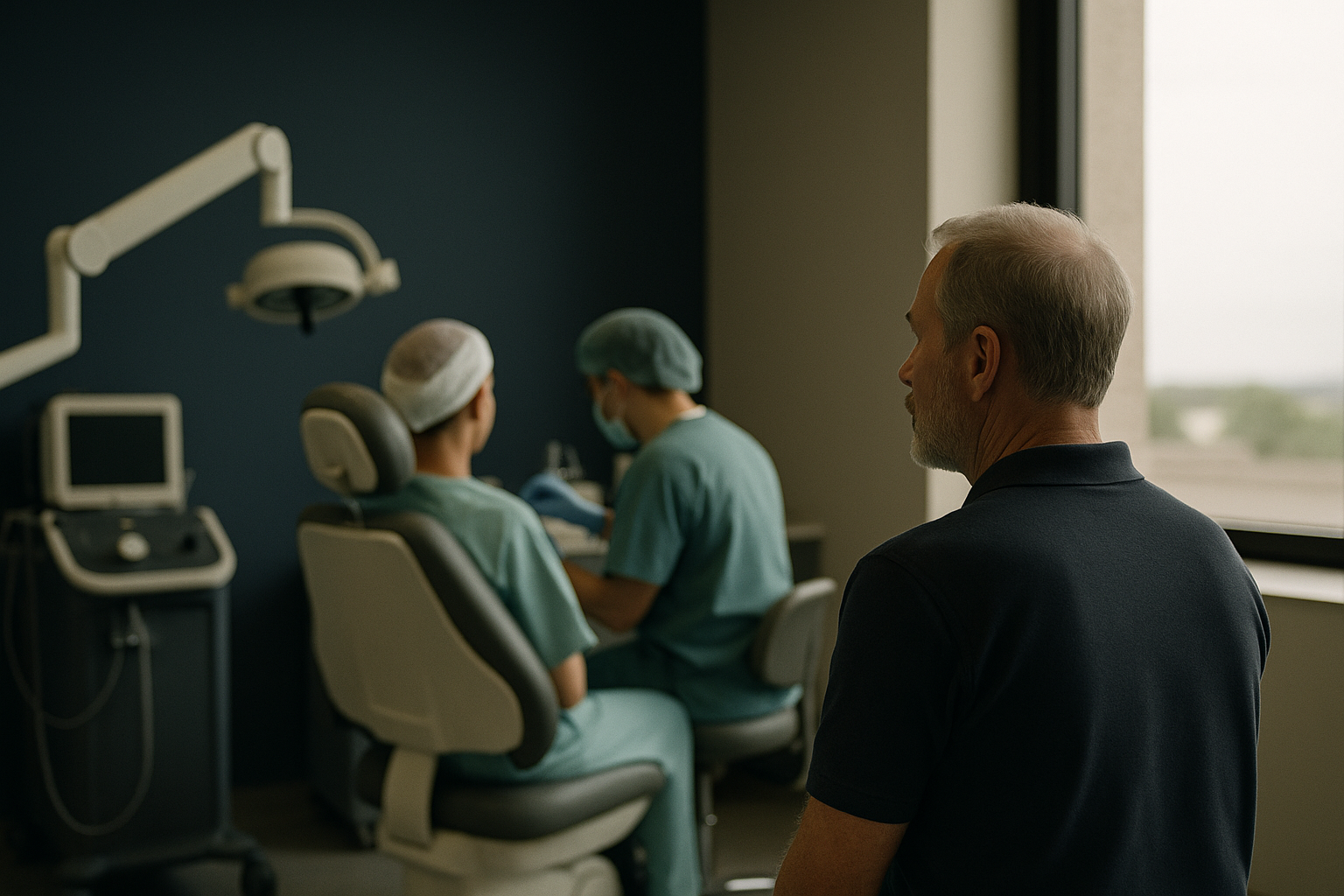
Hair transplants for women provide an effective solution to hair loss, enabling many to restore their hairline and boost their confidence. Understanding the detailed process, costs, and safety measures is crucial for those considering this option.
What Is a Hair Transplant for Women?
Hair transplants involve moving hair follicles from one part of the body to the thinning or balding areas. For women, this often means transferring follicles from the back of the head to the hairline or crown. The procedure is meticulous and requires a skilled surgeon to ensure natural-looking results. This demand for precision is why many women seek out specialists who are not just qualified but also have a proven track record in female hair restoration.
Women face unique challenges in hair restoration compared to men. Their hair thinning often occurs in a more diffuse pattern, making it crucial for surgeons to adopt a strategic approach to ensure even coverage and a natural appearance. Advanced technologies like robotic assistance and digital imaging can aid in planning and executing the transplant with precision. These technologies help in mapping the donor area and selecting the healthiest follicles for transplantation.
Additionally, women suffering from androgenetic alopecia, a hereditary condition, often find hair transplants a viable option. Similarly, those who have lost hair due to traction alopecia from hairstyles that pull on the hair may also consider this procedure. It’s important for potential candidates to have realistic expectations about the outcomes. A comprehensive consultation with a specialist will include a detailed scalp analysis and possibly blood tests to determine the underlying causes of hair loss. These steps ensure that the chosen method aligns well with the individual’s unique hair characteristics and expectations, thereby optimizing the chances of success.
How Does the FUE Method Work?
The Follicular Unit Extraction (FUE) method is a popular technique used in hair transplants for women. It involves extracting individual hair follicles directly from the donor area, usually at the back of the head, and implanting them into the thinning areas. This technique is particularly advantageous for women because it allows for a more selective and aesthetically pleasing placement of hair follicles. Each follicle is carefully selected based on its likelihood to grow in the new location, ensuring a more successful outcome.
FUE is preferred for its minimally invasive nature and reduced scarring compared to older methods like strip harvesting. The procedure typically requires local anesthesia, and patients can expect a quicker recovery time. Post-operative care is simpler with FUE, as the small punctures heal rapidly, allowing women to resume their daily activities sooner. Patients often report minimal discomfort and can usually return to work within a week.
Results from FUE hair transplants are often more natural-looking, as the individual placement of follicles allows for a more accurate recreation of the natural hairline. For example, the careful angling of hairs during implantation mimics natural hair growth patterns, which is crucial for achieving a seamless blend with existing hair. This meticulous approach ensures that the transplanted hair grows in the same direction and pattern as the rest of the hair, which is critical for achieving undetectable results. Surgeons may use advanced tools like stereoscopic microscopes during the procedure to enhance precision and ensure optimal placement of each follicle.
How Much Does an FUE Hair Transplant Cost?
The cost of an FUE hair transplant can vary significantly, influenced by factors such as the extent of hair loss, the number of grafts required, and the clinic’s location. On average, prices can range from £3,000 to £10,000. However, the cost may rise depending on the reputation of the surgeon and the complexity of the procedure. For instance, clinics in metropolitan areas or those with high demand may charge higher fees due to their established success rates and advanced facilities.
It’s crucial to consider both the financial and personal investment. Researching and selecting a reputable clinic with experienced professionals is paramount for achieving satisfactory results. A higher upfront cost often correlates with superior post-operative care and long-term results, which are worth the investment. Importantly, clinics offering unusually low prices should be approached with caution, as this might indicate a compromise on quality or experience.
Some clinics offer financing options or payment plans, making the procedure more accessible. Always ensure that the cost includes post-operative care and follow-up appointments. These additional services can significantly affect the overall cost, but they are crucial for monitoring progress and addressing any complications that might arise. A comprehensive cost package should cover all aspects of the procedure, from pre-operative consultations to post-surgery check-ups, ensuring peace of mind and sustained results. Another potential cost-saving option might be medical tourism, where patients travel to countries with lower procedure costs, but this comes with its own set of risks and considerations regarding quality and follow-up care.
What to Expect During the Procedure?
On the day of the procedure, the patient will undergo preparation, which includes cleaning the scalp and administering local anesthesia. The surgeon then meticulously extracts and implants the hair follicles. This intricate process requires the surgeon to pay close attention to the natural pattern and direction of hair growth, which is crucial for creating a natural-looking hairline that blends seamlessly with existing hair.
The duration of the procedure can range from four to eight hours, depending on the number of grafts. This time frame allows the surgeon to carefully place each follicle, ensuring optimal density and coverage. While the procedure is lengthy, patients are generally comfortable throughout, often passing the time by reading or watching television in a relaxed environment.
Patients might experience some discomfort or swelling post-procedure, which typically subsides within a few days. Aftercare is crucial for the success of the transplant. Patients are usually advised to avoid strenuous activities and follow specific washing instructions to ensure proper healing. They may also be prescribed medication to manage pain and prevent infection. Following these guidelines diligently can significantly enhance the recovery process and the overall success of the transplant. Surgeons might also recommend using special shampoos and avoiding direct sun exposure to protect the grafts as they heal. Monitoring and care during the first week are particularly important to avoid dislodging the new follicles and to ensure that the transplant takes hold successfully.
How to Choose a Qualified Surgeon?
Choosing a qualified surgeon is vital for the success of a hair transplant. Look for professionals with board certification in dermatology or plastic surgery and substantial experience in hair restoration. Their credentials should reflect a deep understanding of the latest techniques and a commitment to ongoing education in the field. This ensures they are well-versed in the most advanced and effective procedures available.
Research the surgeon’s track record and ask to see before-and-after photos of previous patients. A reputable surgeon will provide a thorough consultation, addressing your concerns and setting realistic expectations. During this consultation, they should offer a detailed explanation of the procedure, potential risks, and expected outcomes, ensuring you are fully informed before making a decision. This transparency is a hallmark of a trustworthy professional.
Check for clinics that adhere to international standards, such as those set by the Joint Commission International (JCI), to ensure a high level of safety and care. Accreditation by such organizations demonstrates a commitment to maintaining the highest quality of patient care and procedural excellence. Additionally, consider patient testimonials and online reviews as these can provide valuable insights into the experiences of others who have undergone similar procedures. A personal referral from someone you trust can also be invaluable in finding a skilled surgeon. Ensuring that the surgeon offers comprehensive aftercare is another crucial factor, as this support can significantly impact the success and satisfaction of the hair transplant.
Are Hair Transplants Safe for Women?
Hair transplants are generally safe for women when performed by qualified professionals. Like any surgical procedure, they carry some risks, including infection, scarring, or unsatisfactory results. However, the likelihood of these complications can be significantly reduced by choosing an experienced surgeon and adhering to all pre- and post-operative instructions. The skill of the surgeon plays a crucial role in minimizing these risks and ensuring a smooth recovery.
To minimize risks, it’s essential to follow pre- and post-operative instructions carefully and choose a clinic with a strong reputation for patient safety. This includes attending all follow-up appointments where the surgeon can monitor the healing process and address any issues promptly. These visits are vital for ensuring that the transplant is progressing as expected and that any concerns are immediately addressed.
Discuss any medical conditions or medications with your surgeon, as these can affect the procedure’s outcome and recovery. Certain health conditions, such as autoimmune disorders or chronic illnesses, may influence your eligibility for the procedure or necessitate special precautions. Your surgeon should provide a comprehensive assessment to determine how these factors might impact your hair transplant and tailor the procedure accordingly to ensure the best possible results. Additionally, lifestyle factors such as smoking or stress management can play a role in recovery and should be discussed with the surgeon to optimize the chances of a successful outcome.
Conclusion
Hair transplants for women can be a life-changing procedure, offering a solution to hair loss and restoring confidence. By understanding the process, costs, and safety considerations, prospective patients can make informed decisions about their treatment options. This knowledge empowers women to choose the right procedures and professionals to meet their unique needs, ensuring satisfactory outcomes.
Always seek consultations with multiple professionals and prioritize safety and experience over cost. A successful hair transplant can provide lasting results and significantly improve quality of life. While the initial investment may be substantial, the benefits of enhanced self-esteem and a more youthful appearance can be invaluable. Ultimately, a well-executed hair transplant can transform not only your appearance but also your overall sense of well-being. Consideration of the psychological aspects of hair loss and restoration can further aid in understanding the profound impact this procedure can have on personal and professional aspects of life, making it a worthwhile venture for those struggling with hair loss.
Proven result
20 to 200 hair-transplant patients a month from Australia
Aesthetic surgery group
Frequently asked questions
Do most hair transplant surgeons use manual FUE or NeoGraft?
Most surgeons prefer the FUE method due to its precision, though some may use NeoGraft for automation and efficiency.
What is an FUE hair transplant?
FUE, or Follicular Unit Extraction, involves transplanting individual hair follicles from a donor area to thinning parts of the scalp.
How much is an FUE hair transplant?
The cost varies widely, typically ranging from £3,000 to £10,000, depending on factors like clinic location and the number of grafts.
How much does an FUE hair transplant cost?
An FUE hair transplant can cost between £3,000 and £10,000, influenced by the extent of hair loss and clinic location.
What should I expect after a hair transplant?
Post-procedure, expect mild swelling or discomfort. Results become visible over months as hair grows naturally.
Related guides

How Overseas Surgery Insurance Really Works
A lower treatment quote can quickly lose its advantage if an unexpected complication extends your stay, requires emergency…

Analyzing the Medical Tourism Market: Current Trends
Quick answerThe medical tourism market is growing due to factors like cost-effective treatments, advanced medical technologies, and international…

Best Country for Cancer Treatment: Top Countries for Advanced Cancer Treatment Options
Quick answerCountries like the USA, Germany, and Japan offer some of the best cancer treatment in the world,…