
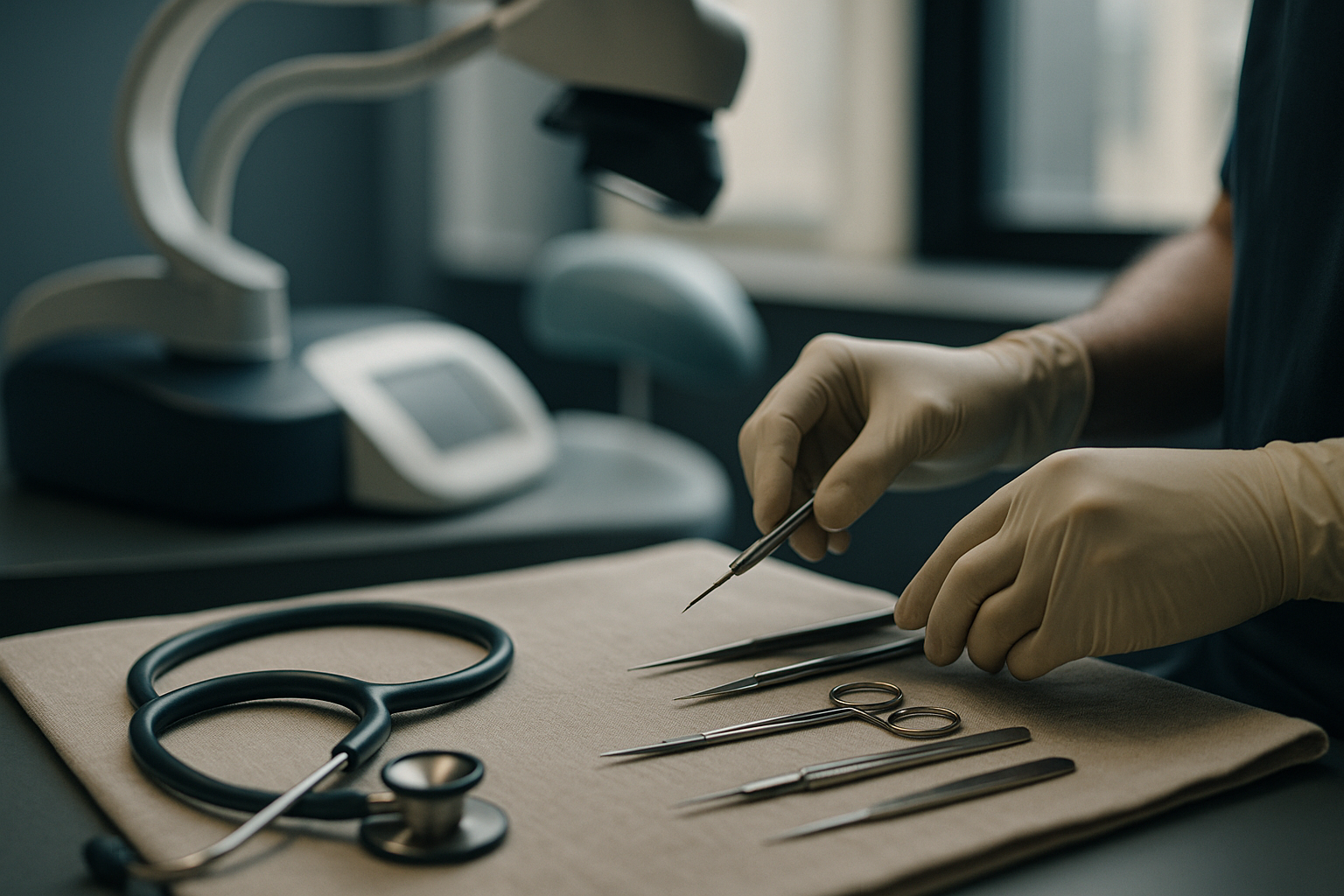
FUE hair implants have become a popular choice for individuals seeking a permanent solution to hair loss. With advanced techniques, these implants provide natural-looking results with minimal scarring.
What is a FUE Hair Transplant?
A Follicular Unit Extraction (FUE) hair transplant involves removing individual hair follicles from a donor site, typically the back of the head, and implanting them into areas experiencing hair loss. This method is known for its precision and the natural appearance of the results. Unlike traditional strip methods, FUE does not leave a linear scar, making it a preferred option for many. This is particularly beneficial for individuals who prefer short hairstyles, as there are no visible scars to conceal.
The FUE process uses a micro-punch tool to extract and place each follicle. This meticulous process allows for a high degree of control over the placement and density of new hair growth. The micro-punch tool’s precision minimizes damage to surrounding tissues, resulting in quicker healing times and less postoperative discomfort. Patients often opt for FUE because it is minimally invasive and allows for a swift return to normal activities, typically within a few days.
In addition to its aesthetic benefits, FUE is adaptable to various hair types and textures, making it suitable for a wide range of patients. This adaptability ensures that individuals with different hair characteristics can achieve optimal results. Whether the goal is to fill in a receding hairline, increase hair density, or cover bald spots, FUE provides a versatile solution. The procedure’s customization options allow for specific tailoring, such as matching hair angles and thickness, to create the most natural look possible.
How Much Does a FUE Hair Transplant Cost?
The cost of FUE hair transplants varies widely, influenced by several key factors. The extent of hair loss and the number of grafts required are primary considerations. A small area with minimal hair loss might need fewer than 1,000 grafts, whereas extensive baldness could require over 4,000 grafts. The cost per graft can range from $3 to $8, meaning the total price can range from $4,000 to $15,000 or more. Patients should consider whether they need multiple sessions, as this can further increase the total expense.
Geographical location significantly impacts the cost of FUE hair transplants. Clinics in urban centers or affluent areas tend to charge more due to higher operational costs. Conversely, clinics in smaller towns or countries with lower living costs may offer more affordable options. It’s advisable for patients to consult with multiple clinics in different locations to compare prices and services, ensuring they receive the best value for their investment.
Another cost consideration is the experience and reputation of the surgeon. Highly experienced surgeons with a track record of successful procedures often charge premium rates. Patients should also factor in potential additional expenses, such as travel, accommodation, and post-operative care products. While the initial outlay can be substantial, many patients find the investment worthwhile due to the long-term benefits of a permanent solution to hair loss. Financing options and payment plans are frequently available, helping patients manage the financial aspect more comfortably.
Do Most Hair Transplant Surgeons Use Manual FUE or Neograft?
Hair transplant surgeons employ both manual FUE and automated systems like Neograft, depending on their expertise and patient needs. Manual FUE is favored for its precision and control, allowing surgeons to tailor the procedure specifically to each individual. This method is particularly beneficial for patients who require detailed customization, such as specific hair angles and densities. Surgeons who specialize in manual FUE often have extensive training and experience, which can lead to higher satisfaction rates among patients.
Neograft, on the other hand, is an automated system that can speed up the extraction process and reduce fatigue for the surgeon, potentially lowering costs. The automation provided by Neograft can be advantageous in large sessions or when multiple areas need to be addressed. However, it requires the surgeon to have a thorough understanding of the technology to ensure optimal results. The choice between manual and Neograft techniques often depends on the patient’s specific hair characteristics and desired outcomes.
When deciding between manual FUE and Neograft, patients should consider factors such as the size of the area to be treated and the surgeon’s proficiency with each technique. Consulting with a qualified surgeon who is experienced in both methods will help determine the best approach. Reviewing before-and-after photos and patient testimonials can also provide insight into the quality of the surgeon’s work. Ultimately, the decision should be based on achieving the best possible results for the patient’s unique situation.
Pros and Cons of FUE Hair Implants
FUE hair implants offer several advantages, including natural-looking results and minimal scarring. The procedure is minimally invasive, with a shorter recovery time compared to traditional methods. This allows patients to return to their normal activities more quickly, which is a significant benefit for those with busy lifestyles. Additionally, FUE provides flexibility in hair styling post-procedure due to the absence of a linear scar, which is appealing to individuals who prefer shorter hairstyles.
- Pros: Natural results, minimal scarring, quick recovery.
- Cons: Higher cost, time-consuming, requires skilled surgeon.
On the downside, the meticulous nature of FUE means longer procedure times. This can be challenging for both the patient and the surgeon, especially when a large number of grafts are required. Additionally, the success of the procedure heavily relies on the skill and experience of the surgeon, making it crucial for patients to choose a highly qualified professional. The cost of FUE can also be a deterrent for some, though financing options are available to help manage expenses.
Understanding these pros and cons is essential for patients as they make informed decisions about their hair restoration journey. For many, the natural results and improved self-esteem gained from FUE outweigh the disadvantages. Consulting with an experienced surgeon can provide clarity on whether FUE is the right choice, based on the individual’s specific needs and expectations. Patients should weigh the benefits against the costs and potential challenges to determine if FUE hair implants are the best solution for their hair loss.
Safety and Accreditation in FUE Hair Transplants
Ensuring the safety of a FUE hair transplant involves selecting a board-certified surgeon and a reputable clinic. Accreditation from recognized bodies ensures adherence to high standards of care, which is crucial for minimizing risks associated with the procedure. During consultations, patients should inquire about the surgeon’s experience, the clinic’s accreditation status, and their track record with FUE procedures. This information can provide peace of mind and confidence in the choice of provider.
Pre- and post-operative care is equally important in ensuring safety and successful outcomes. Patients typically receive detailed instructions, which may include avoiding certain medications, ceasing smoking, and abstaining from alcohol in the days leading up to the surgery. These precautions help optimize surgical results and reduce the risk of complications. Post-operative care often involves specific guidelines for washing the scalp, managing any discomfort, and avoiding activities that might disrupt the healing process.
Clinics that provide comprehensive follow-up care and support often see higher patient satisfaction rates. This ongoing care includes regular follow-up appointments to monitor progress and address any concerns. Patients should ensure they have clear communication channels with their surgeon for any post-surgery issues that may arise. By adhering to recommended care protocols and selecting a reputable provider, patients can enhance their recovery and achieve satisfactory hair restoration results.
FUE Hair Implant Timeline and Recovery
The timeline for FUE hair implants begins with an initial consultation to assess hair loss and discuss expectations. This consultation is crucial for setting realistic goals and understanding the potential outcomes of the procedure. The surgical procedure itself may take several hours to a full day, depending on the number of grafts needed. Patients should prepare for a lengthy session and ensure they have arranged for transportation and assistance if necessary.
Post-procedure, patients might experience mild swelling and discomfort, which usually subsides within a week. The immediate recovery period is critical, as patients must adhere to specific care guidelines to support healing and graft survival. These guidelines often include instructions on how to care for the scalp, manage discomfort, and avoid strenuous activities that could disrupt the newly implanted follicles. Adhering to these instructions is essential for achieving the best possible results.
Hair growth typically begins within three to four months, with full results visible after 12 to 18 months. During this time, patients will notice gradual improvements in hair density and texture. Regular follow-up appointments are important to monitor progress and address any concerns. It is also common for clinics to offer advice on maintaining hair health and maximizing the longevity of the transplant results, including recommendations for hair care products and lifestyle adjustments. By following the surgeon’s care instructions and maintaining regular check-ups, patients can optimize their recovery and enjoy the benefits of their FUE hair implants.
Conclusion
FUE hair implants provide a viable solution for those seeking to restore their hair with natural-looking results. By understanding the procedure, costs, and recovery, patients can make informed decisions. Consulting with an experienced surgeon and choosing a reputable clinic is essential for a successful outcome. The decision to undergo FUE hair implants should be considered carefully, taking into account all relevant factors including financial implications, surgical options, and potential results.
Ultimately, FUE represents a significant advancement in hair restoration technology, offering a minimally invasive option with lasting results. For those affected by hair loss, this procedure not only offers a chance to regain hair but also to restore confidence and enhance overall quality of life. With the right preparation and care, patients can achieve satisfactory outcomes and enjoy the benefits of their investment in their appearance and self-esteem.
Proven result
20 to 200 hair-transplant patients a month from Australia
Aesthetic surgery group
Frequently asked questions
What is a FUE hair transplant?
A FUE hair transplant involves extracting individual hair follicles and implanting them into balding areas, offering natural results.
How much does a FUE hair transplant cost?
The cost ranges from $4,000 to $15,000, varying by location, graft number, and clinic expertise.
Do most hair transplant surgeons use manual FUE or Neograft?
Surgeons use both methods; manual FUE offers precision, while Neograft can speed up the process.
What are the benefits of FUE hair implants?
Benefits include natural results, minimal scarring, and a quicker recovery time compared to traditional methods.
Related guides

How Overseas Surgery Insurance Really Works
A lower treatment quote can quickly lose its advantage if an unexpected complication extends your stay, requires emergency…

Analyzing the Medical Tourism Market: Current Trends
Quick answerThe medical tourism market is growing due to factors like cost-effective treatments, advanced medical technologies, and international…
Best Country for Cancer Treatment: Top Countries for Advanced Cancer Treatment Options
Quick answerCountries like the USA, Germany, and Japan offer some of the best cancer treatment in the world,…