
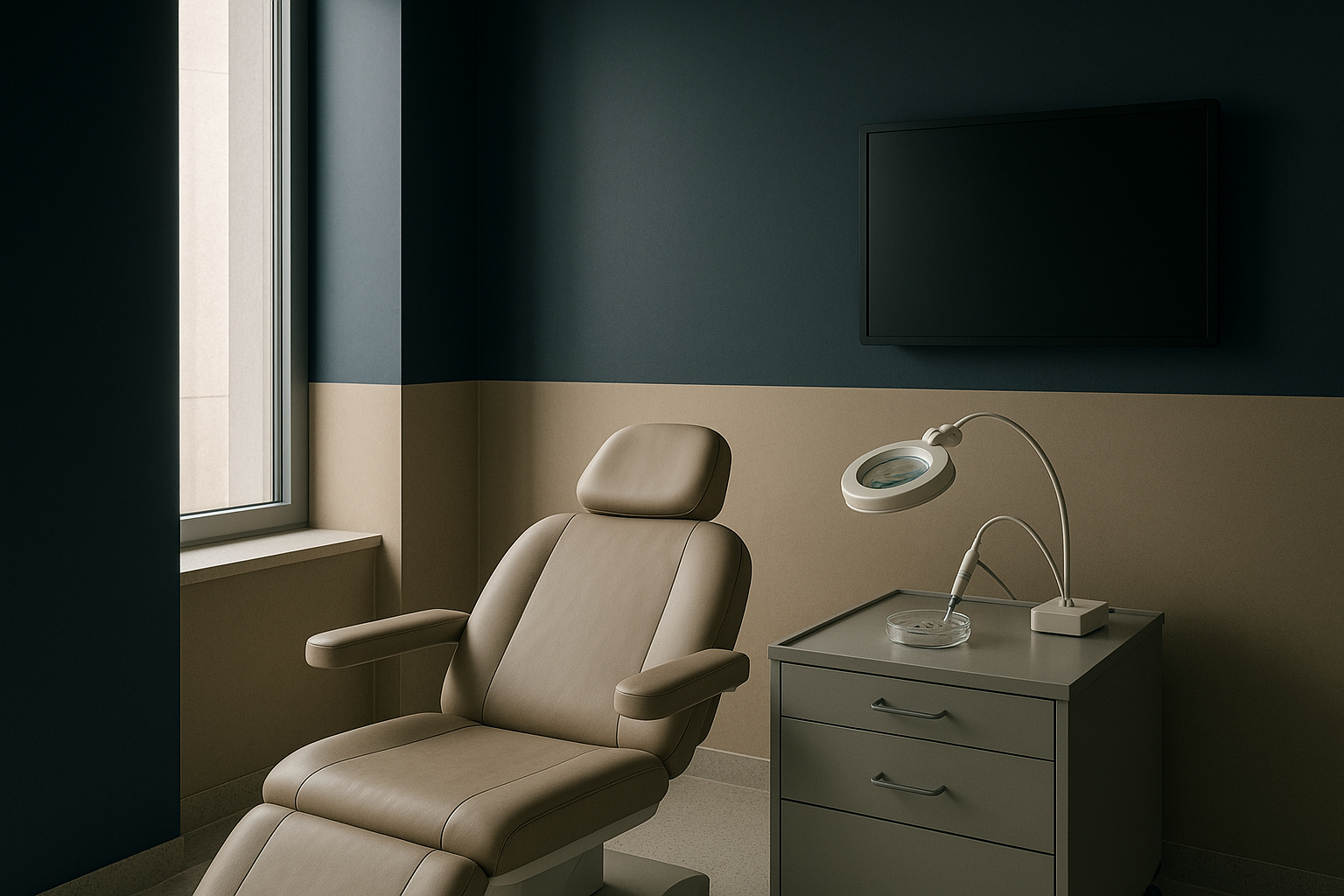
Direct Hair Implantation (DHI) is a modern technique gaining popularity for its efficiency and effectiveness in hair restoration. Understanding the DHI hair cost is crucial for individuals considering this procedure, as it can vary significantly based on various factors.
In this article, we will explore the cost analysis of DHI hair transplants, providing a comprehensive guide to help prospective patients make informed decisions.
What is DHI Hair Transplant?
DHI hair transplant is a minimally invasive hair restoration procedure that involves extracting individual hair follicles and implanting them directly into the scalp. This method allows for precise control over the angle, depth, and direction of each follicle, leading to natural-looking results. The precision of DHI makes it a preferred option for those looking to achieve a specific hairline design or density.
Unlike traditional methods, DHI does not require creating incisions or channels before implantation, which reduces trauma to the scalp and speeds up recovery. This technique is often preferred by those seeking a less invasive option with a high success rate. It also minimizes the risk of complications such as infections or excessive bleeding, which can occur with more invasive methods.
The procedure is typically performed under local anaesthesia, allowing patients to remain awake but comfortable throughout the process. DHI is suitable for both men and women experiencing hair loss due to various reasons, including genetics, hormonal changes, and medical conditions. Its adaptability means it can be tailored to suit different hair types and conditions, ensuring a personalized approach to hair restoration. Additionally, because the technique allows for high precision, it is ideal for patients who desire a natural look while aiming to maintain existing hair density around the transplanted area.
How Does the DHI Hair Transplant Method Work?
The DHI hair transplant method begins with a thorough consultation and assessment by a qualified specialist. This initial step is crucial for mapping out the donor and recipient areas and setting realistic expectations. The process involves three main steps: extraction, preservation, and implantation of hair follicles.
During extraction, individual follicles are carefully removed from the donor area using a specialised tool, ensuring minimal damage to the scalp. The precision of this tool is vital in preserving the integrity of the follicles, which are crucial for successful transplantation. These follicles are then preserved in a specific solution to maintain their vitality until implantation, a step that ensures their survival and growth post-transplant.
The implantation phase involves using a patented DHI implanter pen, which allows for precise placement of follicles into the recipient area. The implanter pen facilitates direct insertion without the need for pre-made incisions, reducing the risk of scarring and enhancing recovery time. This approach also allows for greater density and natural appearance, as each follicle is carefully positioned to mimic natural hair growth patterns. Additionally, because the implanter pen gives the surgeon control over the angle and depth of each implant, it allows for more artistic freedom in creating a hairline that suits the patient’s facial structure and personal preferences.
Is DHI the Best Hair Transplant Method?
DHI is often considered one of the best hair transplant methods due to its precision and natural results. However, the suitability of this method depends on individual needs and circumstances. Factors such as the extent of hair loss, donor hair availability, and personal preferences play a significant role in determining the best approach. It is essential to weigh these factors against the potential benefits of DHI to make an informed choice.
Compared to other techniques like Follicular Unit Transplantation (FUT) and Follicular Unit Extraction (FUE), DHI offers distinct advantages in terms of precision and recovery. FUT, for example, involves removing a strip of scalp and can result in a linear scar, which DHI avoids. However, it may not be suitable for everyone, particularly those with limited donor hair or specific medical conditions that could complicate the procedure.
Consulting with a specialist is crucial to evaluate the best method for your specific case. A professional assessment will ensure that you receive personalised advice tailored to your hair restoration goals. Specialists can provide insights into the potential outcomes and help you understand the dhi hair cost relative to other methods, ensuring you make a decision that aligns with your aesthetic and financial objectives. Moreover, the consultation process allows for a discussion on recovery time and any lifestyle adjustments needed post-procedure, helping you plan effectively for your hair restoration journey.
Understanding DHI Hair Cost
The cost of a DHI hair transplant can vary widely depending on several factors, including the geographical location of the clinic, the experience of the surgeon, and the complexity of the procedure. On average, costs range from $2,500 to $15,000 globally. Clinics in metropolitan areas or countries with high living costs tend to charge more, reflecting the overheads of operating in such environments.
In countries with advanced healthcare systems, prices tend to be higher due to the quality of care and expertise offered. Conversely, some regions offer more affordable options without compromising on quality, making them attractive destinations for medical tourism. For instance, countries like Turkey have become popular for offering competitive prices while maintaining high standards of care.
It’s essential to consider all associated costs, including pre-operative consultations, medication, and post-operative care, when budgeting for a DHI hair transplant. Transparency in pricing and understanding what is included in the cost can prevent unexpected expenses. Always ask for a detailed breakdown of costs from your clinic to ensure you are fully aware of what your investment covers, from initial assessments to follow-up visits. Furthermore, it may be beneficial to check if the clinic offers financing options or payment plans, which can make the dhi hair cost more manageable for patients concerned about upfront payments.
Does DHI Hair Transplant Leave Scars?
One of the significant advantages of DHI hair transplants is the minimal scarring associated with the procedure. The use of a specialised implanter pen eliminates the need for incisions, reducing the risk of visible scars. This aspect is particularly appealing for patients concerned about the cosmetic impact of their hair transplant, as the absence of noticeable scars allows for a more natural look.
Patients may experience small puncture marks at the extraction sites, but these typically heal quickly and are hardly noticeable. The absence of linear scars, which are common in some other transplant methods, makes DHI an appealing choice for many. The quick healing process also means that patients can resume their normal activities sooner, with minimal downtime.
Post-operative care and adherence to specialist instructions play a crucial role in ensuring optimal healing and minimising any potential scarring. Following the recommended guidelines can enhance recovery and the overall aesthetic outcome. This includes avoiding sun exposure, refraining from strenuous activities, and using prescribed medications to prevent infection and promote healing. Moreover, patients are advised to maintain a healthy diet and avoid smoking, as these can impact the healing process and final results.
What is Robotic DHI Hair Transplant?
Robotic DHI hair transplant combines advanced technology with the DHI technique to enhance precision and efficiency. This method utilises robotic assistance in extracting and implanting hair follicles, ensuring consistency and accuracy. The incorporation of robotics aims to maximize the precision of each step, potentially improving the final results.
The robotic system is equipped with sophisticated imaging technology to map the scalp and identify optimal sites for extraction and implantation. This enhances the accuracy of the procedure, reducing human error and improving outcomes. The robotic system can work tirelessly with precise movements, which is particularly beneficial in large sessions where human fatigue might otherwise affect performance.
While robotic DHI may offer advantages in terms of precision, it may also incur additional costs due to the technology involved. Patients should weigh the benefits against the increased expense when considering this option. Discussing with your specialist whether the advantages align with your goals and budget can help you decide if robotic assistance is the right choice for your hair transplant. Additionally, it’s important to consider the availability of robotic DHI in your chosen location, as not all clinics may have access to this advanced technology.
Conclusion
DHI hair transplants offer a promising solution for individuals seeking effective hair restoration with minimal invasiveness and natural results. Understanding the dhi hair cost, procedure details, and potential outcomes are crucial for making informed decisions. The method’s precision and the quality of results make it an attractive option for many, but thorough research and professional consultations are essential steps in the decision-making process.
By consulting with experienced professionals and considering various factors, including location, technology, and personal needs, patients can achieve satisfactory results with DHI hair transplants. Always ensure that you choose accredited clinics and specialists to ensure safety and success. Your choice should be based on a combination of expertise, facility standards, and your own comfort with the procedure and its costs. Moreover, staying informed about the latest advancements in DHI technology and techniques can help you make the most of your investment in hair restoration.
Proven result
20 to 200 hair-transplant patients a month from Australia
Aesthetic surgery group
Frequently asked questions
What is DHI hair transplant?
DHI hair transplant is a minimally invasive procedure that involves direct implantation of hair follicles, allowing for precise and natural results.
Is DHI the best hair transplant method?
DHI is considered one of the best methods due to its precision and natural results, but suitability depends on individual needs and circumstances.
Does DHI hair transplant leave scars?
DHI transplants typically result in minimal scarring due to the lack of incisions, with small puncture marks healing quickly.
What is robotic DHI hair transplant?
Robotic DHI combines advanced technology with DHI technique, using robotic systems for precise extraction and implantation of hair follicles.
Related guides

Digital Marketing for Clinics That Drives Demand
A clinic can have exceptional physicians, advanced technology, and competitive pricing, yet still lose prospective patients before the…

How Overseas Surgery Insurance Really Works
A lower treatment quote can quickly lose its advantage if an unexpected complication extends your stay, requires emergency…

Analyzing the Medical Tourism Market: Current Trends
Quick answerThe medical tourism market is growing due to factors like cost-effective treatments, advanced medical technologies, and international…