
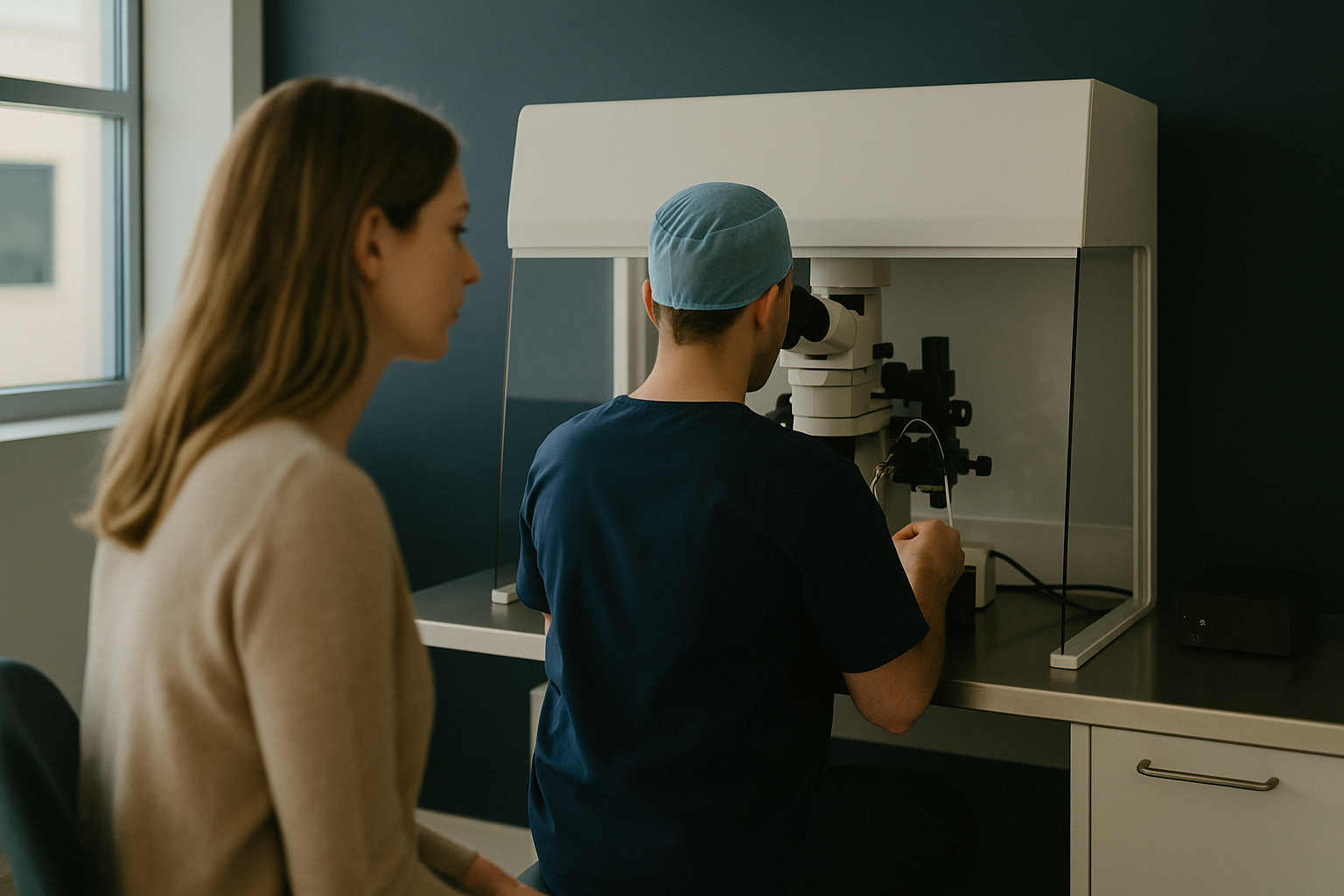
ICSI fertility treatment is a groundbreaking procedure that has revolutionised assisted reproductive technology. It offers couples facing infertility an opportunity to conceive by directly injecting a single sperm into an egg, significantly increasing fertilisation chances.
What is ICSI Fertility Treatment?
Intracytoplasmic sperm injection (ICSI) is a specialised form of in vitro fertilisation (IVF) used to treat severe cases of male infertility. The ICSI procedure involves injecting a single sperm directly into the cytoplasm of an egg. This method bypasses many of the natural barriers to fertilisation, making it particularly useful for couples struggling with low sperm count or poor sperm motility. The technique is particularly beneficial in cases where sperm cannot penetrate the egg naturally, either due to motility issues or abnormal shape. Additionally, ICSI is also recommended for couples who have previously experienced unsuccessful fertilisation with standard IVF methods.
The primary advantage of ICSI is its ability to facilitate fertilisation when traditional IVF methods have failed. By using a single sperm, the ICSI procedure ensures that even men with very low sperm counts can father biological children. This technique has become a standard practice in fertility clinics worldwide, contributing to higher success rates for patients undergoing assisted reproductive treatments. Furthermore, ICSI can be used in combination with other fertility treatments, such as preimplantation genetic testing, to improve outcomes for couples with genetic concerns. The precision of ICSI minimises the number of sperm needed, making it an invaluable option for men with very limited sperm availability due to medical conditions or surgical interventions.
ICSI has transformed the landscape of fertility treatments by addressing male infertility more effectively than ever before. The procedure is typically carried out in a highly controlled laboratory environment, ensuring that the best quality sperm is selected for injection. The procedure’s success has also paved the way for new research and advancements in reproductive technology, potentially leading to even more refined techniques in the future. Clinics often employ advanced imaging technologies and micromanipulation tools to enhance the precision and success rates of ICSI, making it a continually evolving field with promising prospects for future innovations.
How Much Does ICSI Treatment Cost?
The cost of ICSI treatment can vary significantly depending on the country, clinic, and specific patient needs. On average, ICSI treatment costs range from $10,000 to $15,000 per cycle. This price typically includes the cost of the IVF cycle, medications, and the ICSI procedure itself. However, additional fees may apply for fertility assessments, consultations, and alternative treatments. In certain countries with advanced healthcare systems, insurance may cover part of the expenses, reducing the out-of-pocket costs for patients. Patients are encouraged to explore insurance options and government programs that might offer financial assistance or subsidies for fertility treatments.
Patients should be aware that multiple cycles may be necessary to achieve a successful pregnancy, which can increase the overall expense. It is essential to discuss all potential costs with the chosen fertility clinic to ensure a clear understanding of financial commitments. Some clinics offer payment plans or financial assistance to help manage costs. For instance, clinics may provide bundled packages for multiple cycles or discounts for cash payments, making it easier for patients to budget for the entire treatment process. Consulting with a financial advisor or fertility counselor can also help patients plan adequately for the financial aspects of their treatment journey.
Understanding the cost breakdown of ICSI is crucial for informed decision-making. Patients should inquire about the cost of initial consultations, diagnostic tests, and any additional procedures that might be needed, such as genetic testing or embryo freezing. It is also important to consider the travel and accommodation expenses if the clinic is located far from home. Some clinics offer virtual consultations to minimize travel costs, allowing patients to receive expert advice without leaving their locality. Ultimately, being fully informed about all potential expenses helps patients prepare financially and focus on achieving the best possible outcomes from their ICSI treatment.
How Successful is ICSI Treatment?
ICSI treatment boasts high success rates, particularly for couples dealing with male infertility issues. The likelihood of success depends on various factors, such as the woman’s age, the cause of infertility, and the quality of the sperm and eggs used. On average, ICSI has a fertilisation success rate of about 70% to 80% per treatment cycle. However, achieving pregnancy and live birth rates can vary; younger women typically have higher success rates, with live birth rates ranging from 25% to 40% per cycle depending on the clinic’s expertise and the couple’s specific circumstances.
While ICSI significantly increases the chances of fertilisation, the overall success rate of achieving a live birth also relies on embryo implantation and development. Factors such as the uterine environment, the presence of uterine abnormalities, and the overall health of the woman play critical roles in the implantation process. Clinics often recommend lifestyle changes, dietary adjustments, and sometimes additional medical interventions to optimize conditions for implantation and pregnancy. Couples should consult with their fertility specialists to understand their specific prognosis and to set realistic expectations for treatment outcomes.
Success rates can also be influenced by the technology and expertise available at the fertility clinic. Some clinics have developed specialized protocols and techniques to enhance success rates, such as advanced embryo culture systems and time-lapse imaging to monitor embryo development. It is advisable for patients to research and select clinics with proven track records and high success rates. Additionally, patients should be aware of the emotional and psychological aspects of undergoing fertility treatment, and many clinics offer counseling services to support couples through the process. Engaging with support groups and other couples undergoing similar treatments can also provide emotional reassurance and practical insights.
ICSI Procedure: Step by Step
The ICSI procedure follows several key steps. Initially, the woman undergoes ovarian stimulation to produce multiple eggs, which are then retrieved from the ovaries. This is achieved through the administration of hormonal injections over a period of one to two weeks, carefully monitored by ultrasound and blood tests to assess the growth and maturity of the follicles. Once the follicles are deemed ready, a trigger injection is given to induce final egg maturation, and egg retrieval is scheduled approximately 36 hours later.
The man’s sperm is collected and prepared for injection. This involves a semen analysis to assess sperm concentration, motility, and morphology, followed by a sperm wash to concentrate the healthiest sperm. In cases of severe male infertility, surgical sperm retrieval techniques such as testicular sperm extraction (TESE) may be employed. A single sperm is selected and injected directly into the egg using a fine needle under a microscope. This precise procedure is typically performed by an experienced embryologist in a controlled laboratory setting.
After injection, the fertilised egg is monitored in a laboratory for signs of successful fertilisation and embryo development. The embryos are cultured for several days, typically 3 to 5, to reach the optimal stage for transfer, such as the blastocyst stage. Once the embryos reach a suitable stage, they are transferred to the woman’s uterus, where implantation may occur. This meticulous process requires highly skilled embryologists and state-of-the-art laboratory facilities. Some clinics offer the option of genetic testing on the embryos before transfer to select the healthiest embryos and improve implantation chances. The entire procedure demands careful timing and coordination, making the expertise of the fertility team crucial to success.
Post-Procedure Care and Considerations
After the ICSI procedure, patients should follow their healthcare provider’s advice regarding rest and activity levels. It is generally recommended to avoid strenuous activities and to maintain a balanced diet to support overall health and fertility. Some patients may experience mild discomfort or bloating following the egg retrieval. Over-the-counter pain relief and hydration can help alleviate these symptoms. Patients should also be aware of signs of ovarian hyperstimulation syndrome (OHSS), a potential side effect of fertility medications, and seek medical attention if severe symptoms occur.
Regarding daily activities, patients often wonder, “Can I use Indian toilets after ICSI treatment?” Generally, there are no specific restrictions against using any particular type of toilet. However, patients should avoid heavy lifting or excessive straining to reduce the risk of complications. It is advisable to listen to one’s body and take breaks when needed. Stress management techniques such as meditation, yoga, or gentle walks can be beneficial during the post-procedure period. Patients are encouraged to maintain open communication with their healthcare team and report any concerns or unusual symptoms promptly.
Emotional support is also a vital component of post-procedure care. The waiting period after embryo transfer can be a challenging time emotionally. Many clinics offer counseling services or support groups to help patients cope with anxiety and stress. Engaging with these resources can provide comfort and reassurance, fostering a more positive experience during the treatment journey. Additionally, patients should schedule follow-up appointments with their fertility specialist to monitor progress and address any ongoing health concerns. Consistent follow-up is crucial to ensure the best possible outcome from the ICSI treatment.
Choosing the Right Clinic for ICSI Treatment
Selecting a reputable fertility clinic is crucial for successful ICSI treatment. Patients should consider clinics with experienced reproductive specialists, high success rates, and comprehensive care options. Accreditation by recognised bodies, such as the Joint Commission International (JCI), is an indicator of quality and safety standards. Researching the clinic’s credentials, including the qualifications and experience of the medical team, can provide insights into the level of care offered. Additionally, prospective patients should inquire about the clinic’s approach to patient care and whether they offer personalized treatment plans tailored to individual needs.
Prospective patients should also evaluate the clinic’s facilities, laboratory technologies, and patient support services. High-quality laboratories equipped with the latest technology play a significant role in the success of ICSI treatments. Techniques such as time-lapse embryo monitoring and advanced genetic testing can enhance the selection of viable embryos for transfer. Patient support services, including counseling, nutritional advice, and stress management programs, contribute to a holistic approach to fertility treatment, addressing both physical and emotional aspects of care.
Personal recommendations and online reviews can provide valuable insights into patient satisfaction and treatment experiences. Speaking with former patients or reading testimonials can offer a realistic perspective on what to expect from the clinic. Patients should also consider location and accessibility, as frequent visits may be necessary. Some clinics offer virtual consultations and remote monitoring to accommodate patients who live farther away. Ultimately, choosing the right clinic involves balancing various factors, including expertise, technology, support services, and convenience, to ensure the best possible outcomes from ICSI treatment.
Conclusion: A Promising Solution for Infertility
ICSI fertility treatment offers a promising solution for many couples facing infertility challenges. By providing a direct means of fertilisation, ICSI enhances the chances of conception and has helped countless families achieve their dreams of parenthood. The precision and efficacy of ICSI make it one of the most effective treatments for overcoming male infertility, providing hope where traditional methods have failed. As with any medical procedure, patients should consult with their healthcare providers to determine the best course of action based on their individual circumstances. A thorough understanding of the procedure, costs, and potential outcomes helps couples make informed decisions and prepare for their fertility journey.
ICSI continues to evolve, with ongoing research and technological advancements promising further improvements in success rates and patient experiences. As the field of reproductive medicine progresses, ICSI remains at the forefront, offering new possibilities for those struggling with infertility. Patients who embark on the ICSI journey can look forward to a treatment process that is continually refined and supported by a dedicated team of specialists committed to achieving the best possible outcomes. While the path to parenthood can be challenging, ICSI provides a beacon of hope, demonstrating the power of science and technology to transform lives.
Proven result
40× monthly international patients since 2018
One of Türkiye's largest IVF centres
Frequently asked questions
How much does ICSI treatment cost?
ICSI treatment typically costs between $10,000 and $15,000 per cycle, though prices vary by clinic and country.
How successful is ICSI treatment?
ICSI treatment has a high fertilisation success rate of 70% to 80% per cycle, depending on various factors.
What is ICSI fertility treatment?
ICSI fertility treatment involves injecting a single sperm directly into an egg to assist couples with severe infertility issues.
Can I use Indian toilets after ICSI treatment?
Yes, using Indian toilets is generally safe after ICSI treatment, but avoid heavy lifting or straining to reduce risks.
Related guides

How Overseas Surgery Insurance Really Works
A lower treatment quote can quickly lose its advantage if an unexpected complication extends your stay, requires emergency…

Analyzing the Medical Tourism Market: Current Trends
Quick answerThe medical tourism market is growing due to factors like cost-effective treatments, advanced medical technologies, and international…

Best Country for Cancer Treatment: Top Countries for Advanced Cancer Treatment Options
Quick answerCountries like the USA, Germany, and Japan offer some of the best cancer treatment in the world,…