
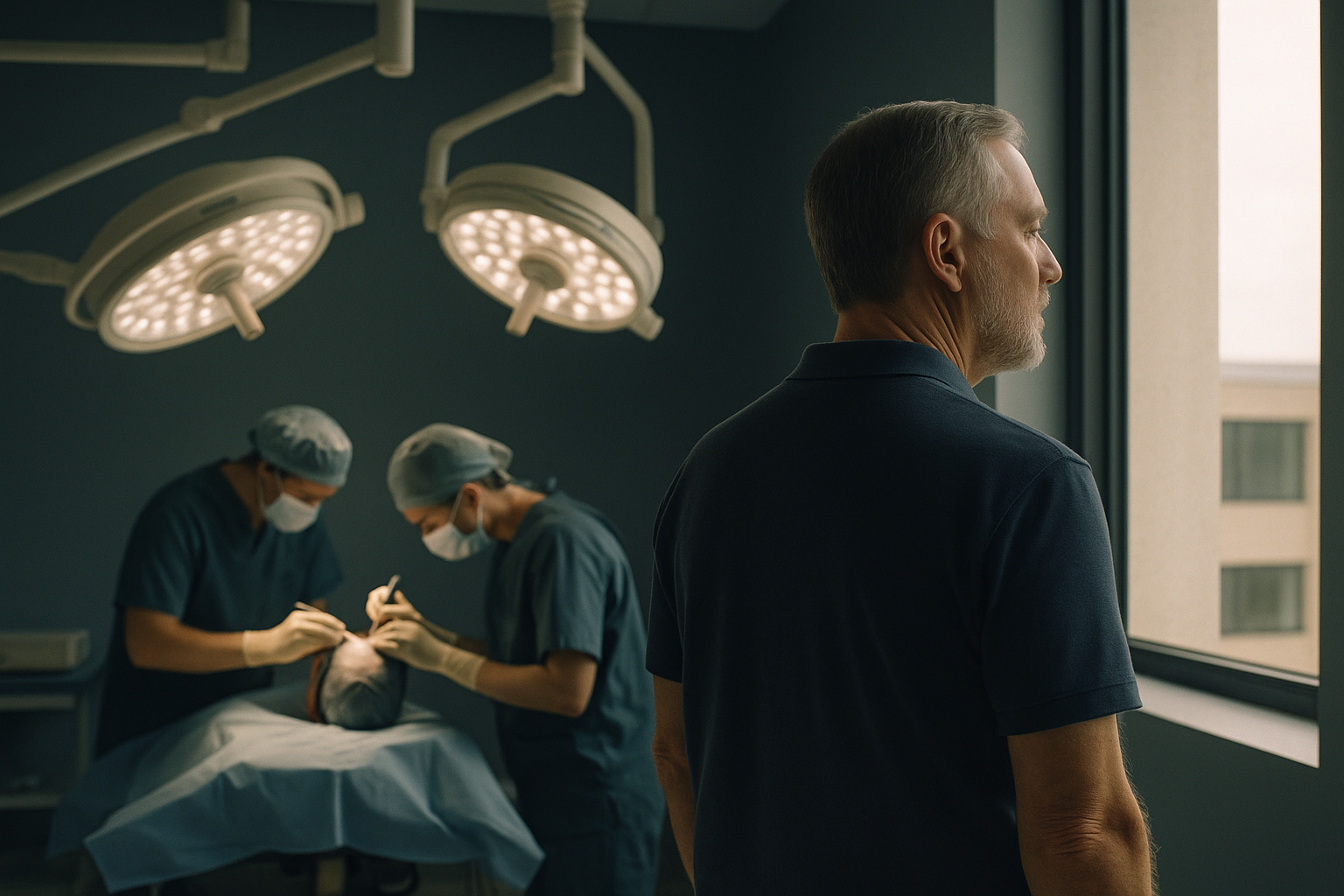
Hairline surgery, a popular cosmetic procedure, aims to restore hair in areas where thinning or balding occurs. Understanding the intricacies of how does hairline surgery work can guide prospective patients in making informed decisions. This article delves into the process, costs, and safety of hairline surgery, especially for international patients.
What is Hairline Surgery?
Hairline surgery, also known as hair transplant surgery, involves relocating hair follicles from a donor site to a balding or thinning area. This procedure is often sought by those experiencing hair loss due to genetics, aging, or medical conditions such as alopecia. Typically, candidates for hairline surgery have areas of strong hair growth, usually at the back or sides of the head, which can be used as donor sites. The ultimate goal is to create a natural-looking hairline that complements the patient’s facial features and age. This involves a detailed analysis of facial symmetry and hair density to ensure that the results are harmonious and aesthetically pleasing.
There are two primary techniques used: Follicular Unit Transplantation (FUT) and Follicular Unit Extraction (FUE). FUT involves removing a strip of scalp from the back of the head, which is then dissected into individual follicular units. This method may leave a linear scar but allows for the transplantation of a large number of grafts in a single session, often ranging from 1,500 to 3,000 grafts. On the other hand, FUE involves extracting individual follicles directly from the scalp using a micro-punch tool, which results in minimal scarring and quicker recovery. The choice between these methods depends on the patient’s specific needs, the extent of hair loss, and the surgeon’s recommendation based on their assessment.
In addition to these traditional methods, advancements in technology have introduced robotic FUE, which uses automation to enhance precision and efficiency. This technique can improve graft survival rates and reduce procedural time, making it an attractive option for many patients. Patients may also be offered adjunct therapies such as Platelet-Rich Plasma (PRP) injections to stimulate hair growth and enhance the results of the surgery. PRP therapy involves using a concentration of platelets from the patient’s own blood to promote healing and growth. Ultimately, the selection of the technique is a collaborative decision between the patient and the surgeon, taking into account factors such as hair type, density, and desired outcome.
How Does Hairline Surgery Work?
The process of hairline surgery begins with a thorough consultation where the surgeon evaluates the patient’s hair loss pattern and discusses expectations. This helps in creating a personalized treatment plan tailored to the individual’s needs. The surgeon will assess the density and quality of the donor hair, the size of the area requiring transplantation, and the patient’s overall health to ensure they are a suitable candidate for the procedure. This initial consultation is crucial as it sets realistic expectations and helps patients understand the potential outcomes and limitations of the surgery.
The actual surgery typically takes several hours, depending on the number of grafts being transplanted. A typical session may involve the transplantation of 1,000 to 3,000 grafts, with each graft containing one to four hair follicles. During the procedure, local anaesthesia is administered to minimize discomfort, allowing patients to remain awake and comfortable. The surgeon then meticulously implants hair follicles into tiny incisions made in the scalp, following the natural direction of the hair growth to achieve the most authentic look. The precision in placement is critical in ensuring that the transplanted hair blends seamlessly with the existing hair, creating a natural appearance.
Post-surgery, patients may experience mild discomfort, swelling, and scabbing in the treated area, which usually subsides within a few days. It is essential for patients to follow post-operative care instructions carefully, which may include avoiding strenuous activities, protecting the scalp from direct sunlight, and using prescribed medications to reduce the risk of infection and promote healing. Follow-up appointments are typically scheduled to monitor progress and address any concerns, ensuring that the patient achieves the best possible outcome from their hairline surgery. Most patients can expect to see new hair growth within three to four months, with significant results visible by the end of eight to twelve months.
How Much Does Hairline Surgery Cost?
The cost of hairline surgery varies significantly depending on several factors, including the location of the clinic, the surgeon’s expertise, and the complexity of the procedure. In the USA, patients can expect to pay anywhere from $4,000 to $15,000. This wide range reflects differences in the number of grafts required, the choice of surgical technique, and the level of post-operative care included. For instance, a procedure involving 2,000 grafts might cost around $8,000, while a more extensive session with 3,000 grafts could reach up to $15,000. It’s crucial for patients to consider these variables when budgeting for the procedure to avoid unexpected expenses.
For those considering surgery abroad, cost savings can be substantial. Countries such as Turkey, Mexico, and India are popular destinations for medical tourism and offer competitive pricing, often ranging from $2,000 to $6,000 for similar procedures. However, it’s essential to balance cost with the quality of care. Patients should thoroughly research potential clinics, ensuring they are accredited and have a proven track record of successful outcomes. Consulting with multiple clinics can provide a clearer picture of the cost breakdown and what is included in the package, such as pre-operative assessments, surgical fees, aftercare, and any additional therapies.
It’s also important to account for travel and accommodation expenses when planning for surgery abroad. While the initial procedure might be cheaper, these additional costs can add up. Patients should also consider the potential need for follow-up visits, which may require additional trips. Therefore, a comprehensive understanding of the total cost, including hidden fees, is essential for making an informed financial decision regarding hairline surgery. Additionally, some clinics may offer financing options or payment plans to make the surgery more affordable.
Is Hairline Surgery Safe?
Hairline surgery is generally considered safe when performed by a qualified and experienced surgeon. As with any surgical procedure, there are inherent risks, but these are minimal and can be effectively managed. Common risks include infection, scarring, and some temporary numbness in the treated area. To mitigate these risks, surgeons typically prescribe antibiotics and provide detailed aftercare instructions. These risks can be significantly reduced by choosing a reputable clinic and following post-operative care instructions meticulously. Patients are advised to discuss these potential risks with their surgeon during the initial consultation to gain a clear understanding of the procedure’s safety profile.
To ensure the highest level of safety, patients should verify that the clinic is accredited and adheres to international healthcare standards. Accreditation by recognized bodies, such as the Joint Commission International (JCI), is a good indicator of a clinic’s commitment to maintaining high-quality care and safety standards. Additionally, researching previous patient reviews and outcomes can provide insight into the clinic’s reputation and the surgeon’s expertise, helping to reassure prospective patients of the clinic’s credibility. It’s also beneficial to inquire about the surgeon’s experience and the number of successful procedures they have performed.
Ultimately, the key to a safe and successful hairline surgery lies in the surgeon’s skill and experience, the quality of the clinic’s facilities, and the patient’s adherence to post-operative care guidelines. By prioritizing these factors, patients can minimize risks and improve the likelihood of achieving a satisfactory outcome. Open communication with the healthcare provider throughout the process is crucial to address any concerns and ensure a smooth recovery. Patients should not hesitate to seek second opinions if they feel uncertain about any aspect of the procedure.
How to Travel Abroad for Hairline Surgery?
For those considering surgery abroad, meticulous planning is crucial to ensure a smooth experience. Start by researching countries known for medical tourism, such as Turkey, Thailand, or Hungary, and identify reputable clinics offering hairline surgery. Considerations should include the country’s healthcare infrastructure, the clinic’s accreditation, and the surgeon’s qualifications. Prospective patients should also be aware of travel restrictions, visa requirements, and language barriers that may impact their journey. Engaging a medical tourism facilitator can help navigate these complexities and provide valuable support.
Once a shortlist of potential clinics is compiled, arrange consultations with them online. These preliminary discussions are vital for understanding the clinic’s approach, the expected outcomes of the procedure, and the logistics of travel and recovery. Patients should inquire about the duration of the recovery period and any necessary follow-up care. Discussing these details upfront can help in planning the length of stay abroad and ensuring adequate time for recovery before returning home. It’s also advisable to ask about the availability of translators or multilingual staff to facilitate communication.
Securing comprehensive travel insurance that covers medical procedures is equally important. This insurance should include coverage for potential complications, additional treatments, or extended stays due to unforeseen circumstances. It is also advisable to familiarize oneself with the local healthcare system in case of emergencies. By taking these preparatory steps, patients can enhance their medical tourism experience, ensuring a safe and successful hairline surgery abroad. Additionally, having a clear plan for post-operative care, either at home or with local healthcare providers, can further ensure a smooth recovery.
Comparing Hairline Surgery with Other Cosmetic Procedures
| Procedure | Purpose | Cost Range | Recovery Time |
|---|---|---|---|
| Hairline Surgery | Restore hairline | $4,000 – $15,000 | 1-2 weeks |
| Dental Implants | Replace missing teeth | $3,000 – $5,000 | 3-6 months |
| IVF Abroad | Assist reproduction | $4,000 – $15,000 | Several weeks |
| Rhinoplasty | Reshape nose | $5,000 – $10,000 | 1-2 weeks |
| Liposuction | Remove fat deposits | $2,500 – $7,500 | 1-4 weeks |
Hairline surgery is distinct from other cosmetic procedures in several ways. For instance, while dental implants focus on oral health and aesthetics, hairline surgery targets overall appearance and self-esteem. The recovery time and cost also vary significantly, with hairline surgery being less invasive than some other procedures like liposuction or complex dental work. Moreover, the outcome of hairline surgery is often more predictable and permanent compared to non-surgical hair restoration techniques, which might require ongoing treatments.
Conclusion: Making an Informed Decision
Understanding how does hairline surgery work is essential for anyone considering this procedure. By weighing the costs, safety, and procedural details, prospective patients can make informed decisions that align with their aesthetic goals. It’s important to remember that each individual’s experience with hairline surgery can vary significantly, depending on factors such as the extent of their hair loss, the chosen surgical technique, and their personal health circumstances. Patients should also consider their long-term goals and how hairline surgery fits into their overall lifestyle and self-image.
As with any medical procedure, thorough research and consultation with qualified professionals are key to achieving the best possible outcome. Prospective patients should take the time to gather information, consult with multiple clinics, and consider the full scope of the procedure, including potential risks and recovery time. By being proactive and informed, patients can ensure that they make the best choice for their needs and achieve the desired results of their hairline surgery. Additionally, maintaining realistic expectations and patience throughout the process is crucial, as the full results of hairline surgery can take several months to become apparent.
Proven result
20 to 200 hair-transplant patients a month from Australia
Aesthetic surgery group
Frequently asked questions
How do hair transplants work?
Hair transplants involve moving hair follicles from a donor area to a balding area, using either FUT or FUE techniques.
How much does a hair transplant cost?
The cost varies widely, typically ranging from $4,000 to $15,000 in the USA, depending on the procedure and clinic.
How to travel abroad for weight loss surgery?
Research destinations with reputable clinics, check visa and travel requirements, and plan for post-operative care before booking.
How does IVF abroad work?
IVF abroad involves undergoing fertility treatments in another country, often due to cost savings or advanced technology.
Related guides

Patient Experience That Drives Trust and Growth
A patient who has already uploaded medical records, compared providers, and arranged time away from work is not…

What Is a Medical Travel Facilitator and Why Use One?
A lower treatment quote can look compelling until you try to compare what it actually includes: surgeon fees,…

What Hospital Accreditation Reviews Really Tell You
A hospital can have polished facilities, prominent surgeons, and hundreds of five-star ratings, yet those signals do not…