
Hair loss can be a distressing experience, leading many to seek solutions such as hair transplants. Understanding how hair transplants work is crucial for those considering this option. This article delves into the process, costs, and considerations for international patients.
What Exactly is a Hair Transplant?
A hair transplant is a surgical procedure designed to address balding or thinning hair. It involves moving hair follicles from one part of the body, typically the back or sides of the head, to the balding or thinning areas. This process helps to restore a natural-looking hairline and fuller hair. The back and sides of the scalp are often referred to as the ‘donor area’ because hair in these regions is usually more resistant to balding. The resistance is largely due to the genetic makeup of the follicles in these areas, which are less sensitive to dihydrotestosterone (DHT), the hormone responsible for hair loss.
There are two main techniques: Follicular Unit Transplantation (FUT) and Follicular Unit Extraction (FUE). FUT involves removing a strip of skin with hair follicles, while FUE involves extracting individual follicles. Both methods have their pros and cons, with FUE being less invasive but more time-consuming. FUT may leave a linear scar, which can be a consideration for those who prefer shorter hairstyles, whereas FUE leaves tiny dot scars that are often less noticeable. The choice of method can also affect the recovery time and the immediate post-operative discomfort experienced by the patient.
The choice between FUT and FUE depends on several factors, including the patient’s hair loss pattern, the donor area’s density, and personal preferences. For example, a patient with extensive hair loss might benefit more from FUT due to the larger number of grafts that can be harvested in a single session. Consulting with a qualified surgeon is essential to help determine the best technique for individual cases, as they can provide specific insights based on the patient’s unique circumstances. Surgeons will evaluate factors such as scalp laxity, the characteristics of the hair follicles, and the patient’s overall health to recommend the most suitable approach.
How Does Hairline Surgery Work?
Hairline surgery, a subset of hair transplants, focuses specifically on reshaping and restoring the hairline. This procedure is often chosen by those experiencing early-stage hair loss or receding hairlines. It involves meticulous planning to ensure a natural and aesthetically pleasing result. The design of the hairline is crucial, as a poorly designed hairline can look unnatural and be a source of dissatisfaction. Surgeons often use advanced imaging software to simulate potential outcomes and help patients visualize the expected results beforehand.
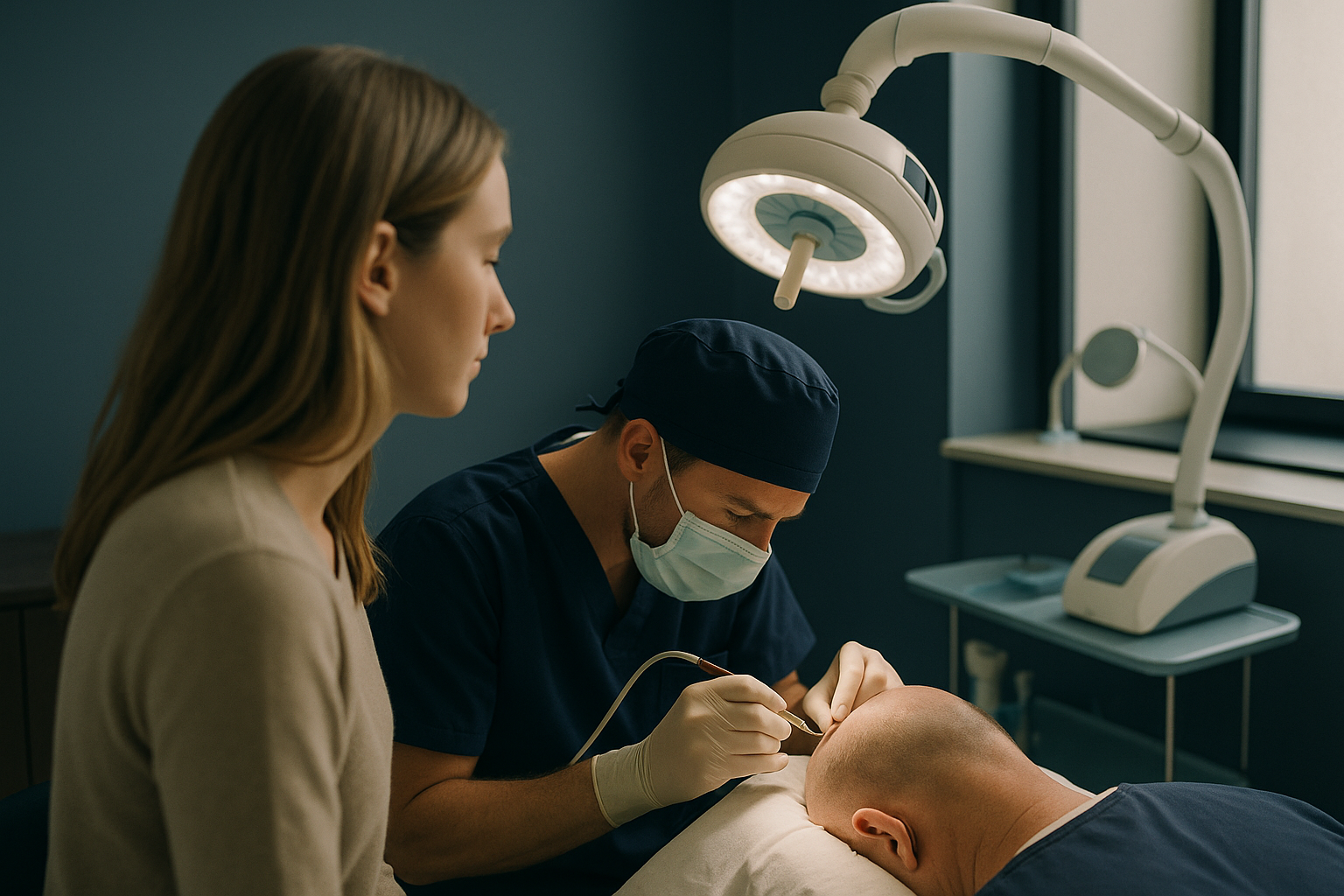
The surgeon will assess the patient’s facial structure, hair characteristics, and desired outcome to design a suitable hairline. Factors such as the angle, direction, and density of the transplanted hair are carefully considered to mimic the natural growth pattern. Hair follicles are then transplanted with precision, a process that can take several hours and is performed under local anaesthesia. The procedure’s meticulous nature helps achieve a seamless transition between the transplanted and existing hair. Surgeons often use magnification devices to ensure the highest level of precision and detail during the transplantation process.
Recovery from hairline surgery involves minimal downtime, with most patients resuming normal activities within a week. Results become noticeable after a few months, as the transplanted hair grows and blends with existing hair. Optimal results typically take 6 to 12 months to fully manifest, allowing time for the transplanted hair to mature and thicken. Adequate post-operative care, including proper washing techniques and avoiding direct sunlight, can significantly enhance the outcome. Patients are usually advised to avoid using harsh shampoos and to protect their scalp from UV exposure during the initial healing phase.
How Much Does a Hair Transplant Cost?
The cost of a hair transplant varies widely depending on several factors, including the technique used, the extent of hair loss, and the location of the clinic. In the USA, prices range from $4,000 to $15,000, with FUE generally being more expensive than FUT due to its time-intensive nature. The cost per graft can range from $2 to $5, and a typical session might involve anywhere from 1,000 to 4,000 grafts. These figures can fluctuate based on the surgeon’s experience, the clinic’s reputation, and the geographical location, with urban centers typically commanding higher prices.
Patients should also consider additional costs such as travel, accommodation, and post-operative care when planning a transplant abroad. It is essential to obtain a detailed quotation that outlines all potential expenses before proceeding. This transparency helps prevent unexpected financial burdens, allowing patients to budget appropriately. Some clinics offer package deals that include accommodation and transport, which can be an attractive option for international patients seeking cost-effective solutions without compromising on quality.
Comparing costs internationally can offer significant savings, with countries like Turkey and India being popular destinations for affordable hair transplants. However, it is crucial to balance cost with the quality and safety of the procedure. Researching clinics and surgeons thoroughly is vital to ensure a successful outcome. Factors such as surgeon qualifications, clinic accreditation, and patient reviews should be weighed carefully alongside cost considerations. Patients should also inquire about the clinic’s follow-up care policy, as post-procedure support can be crucial to achieving the best results.
How to Ensure Safety and Accreditation in Hair Transplants
Safety and accreditation are paramount when considering a hair transplant, especially for international patients. Ensuring the clinic is accredited by relevant bodies and the surgeon is experienced in hair restoration is essential. Accreditation by organizations such as the Joint Commission International (JCI) can be a marker of high standards in healthcare facilities. Clinics that are certified by such bodies adhere to rigorous safety and quality standards, ensuring that patients receive the best possible care.
Check for affiliations with organisations such as the International Society of Hair Restoration Surgery (ISHRS) or equivalent bodies in the destination country. These affiliations indicate adherence to high standards of practice. Surgeons who are members of these organizations are committed to ongoing education and ethical practices, which can provide additional reassurance to patients. Membership in these bodies often requires surgeons to meet specific criteria, including a certain number of successful procedures and peer-reviewed training, further ensuring their expertise.
Patients should also verify the clinic’s hygiene standards and post-operative care protocols. This includes looking at the cleanliness of the facility, the sterility of instruments, and the availability of emergency procedures. Reading reviews and testimonials from previous patients can provide insight into the quality of care and results achieved. Additionally, some patients may choose to directly contact past patients or review before-and-after photos to gain a better understanding of the clinic’s outcomes. A transparent clinic will often share its success rates and patient satisfaction scores as part of its commitment to quality care.
How to Travel Abroad for Hair Transplants
Travelling abroad for a hair transplant requires careful planning. Start by researching potential destinations and clinics. Consider factors such as cost, quality of care, and ease of travel. Popular destinations include Turkey, Thailand, and Mexico, each offering different benefits in terms of cost and expertise. Turkey, for instance, is renowned for its advanced hair transplant facilities and experienced surgeons, often providing procedures at a fraction of the cost compared to Western countries.
Consultations can often be conducted remotely to assess eligibility and discuss expectations. Many clinics offer video consultations where patients can discuss their concerns, ask questions, and understand the procedure’s nuances. Once a clinic is selected, plan travel and accommodation, ensuring adequate time is allocated for recovery before returning home. The typical recommendation is to plan for a stay of at least a week, allowing time for follow-up appointments if needed. This duration can vary based on the complexity of the procedure and the individual’s recovery rate.
Understanding the local healthcare system and having contingency plans in place for any complications can provide peace of mind. Comprehensive travel insurance that covers medical procedures is also recommended. This insurance should include coverage for potential complications, travel delays, and other unexpected events that could impact the recovery period. Additionally, familiarizing oneself with local customs and language basics can enhance the experience and reduce travel-related stress. Some clinics offer translators or coordinators who can assist with communication and logistics during the patient’s stay.
Realistic Timelines for Hair Transplants
The timeline for a hair transplant varies depending on the method used and individual healing rates. The procedure itself can take 4 to 8 hours, with FUE generally taking longer than FUT. Patients should prepare for a full day at the clinic, including pre-operative preparations and post-operative instructions. The length of the procedure also depends on the number of grafts being transplanted, with larger sessions requiring more time to ensure precise placement and optimal outcomes.
Initial recovery usually lasts about 7 to 10 days, during which swelling and minor discomfort may occur. Patients can typically resume normal activities within a week, though strenuous activities should be avoided for a few weeks. It’s important to follow post-operative care guidelines, such as keeping the graft area clean and avoiding direct sun exposure. Surgeons often provide detailed post-care instructions and may prescribe medications to manage discomfort and prevent infection during the healing process.
Full results can take 6 to 12 months to become apparent, as the transplanted hair grows and thickens. During the first few months, patients might experience shedding of the transplanted hair, a normal part of the process known as “shock loss.” Patience and adherence to post-operative care instructions are essential for optimal outcomes. Regular follow-up appointments with the surgeon can help track progress and address any concerns that arise during the recovery period. These consultations also provide opportunities to discuss any desired touch-ups or additional sessions to achieve the best possible results.
Conclusion: Making an Informed Decision
Hair transplants offer a viable solution for those experiencing hair loss, but understanding how hair transplants work, including the processes involved, costs, and safety measures, is crucial. Armed with this knowledge, potential patients can make well-informed decisions that align with their personal goals and financial situation. Thorough research and consultation with experienced professionals are key to navigating the complexities of hair restoration.
For international patients, thorough research and careful planning are key to ensuring a successful and satisfying experience. By considering all aspects, from technique and costs to safety and recovery, patients can make informed decisions that align with their goals and expectations. Ultimately, choosing the right clinic and surgeon, understanding the procedure, and preparing for the journey are integral steps in achieving the desired outcome from a hair transplant procedure. With the right preparation and realistic expectations, patients can look forward to a significant improvement in hair density and appearance, leading to increased confidence and satisfaction.
Proven result
20 to 200 hair-transplant patients a month from Australia
Aesthetic surgery group
Frequently asked questions
How does hairline surgery work?
Hairline surgery involves reshaping and restoring the hairline by transplanting hair follicles to areas of recession, resulting in a natural look.
How much is a hair transplant in the USA?
A hair transplant in the USA typically costs between $4,000 and $15,000, depending on the technique and extent of hair loss.
What are the main techniques for hair transplants?
The two main techniques are Follicular Unit Transplantation (FUT) and Follicular Unit Extraction (FUE), each with its own advantages.
What should international patients consider for hair transplants?
International patients should consider costs, clinic accreditation, surgeon experience, and travel arrangements when planning a hair transplant abroad.
Related guides

Patient Experience That Drives Trust and Growth
A patient who has already uploaded medical records, compared providers, and arranged time away from work is not…

What Is a Medical Travel Facilitator and Why Use One?
A lower treatment quote can look compelling until you try to compare what it actually includes: surgeon fees,…

What Hospital Accreditation Reviews Really Tell You
A hospital can have polished facilities, prominent surgeons, and hundreds of five-star ratings, yet those signals do not…