
Securing less expensive dental implants is a priority for many individuals seeking to restore their oral health without compromising financial stability. Understanding the steps involved in finding affordable options abroad can lead to significant savings and satisfactory outcomes.
What are Dental Implants?
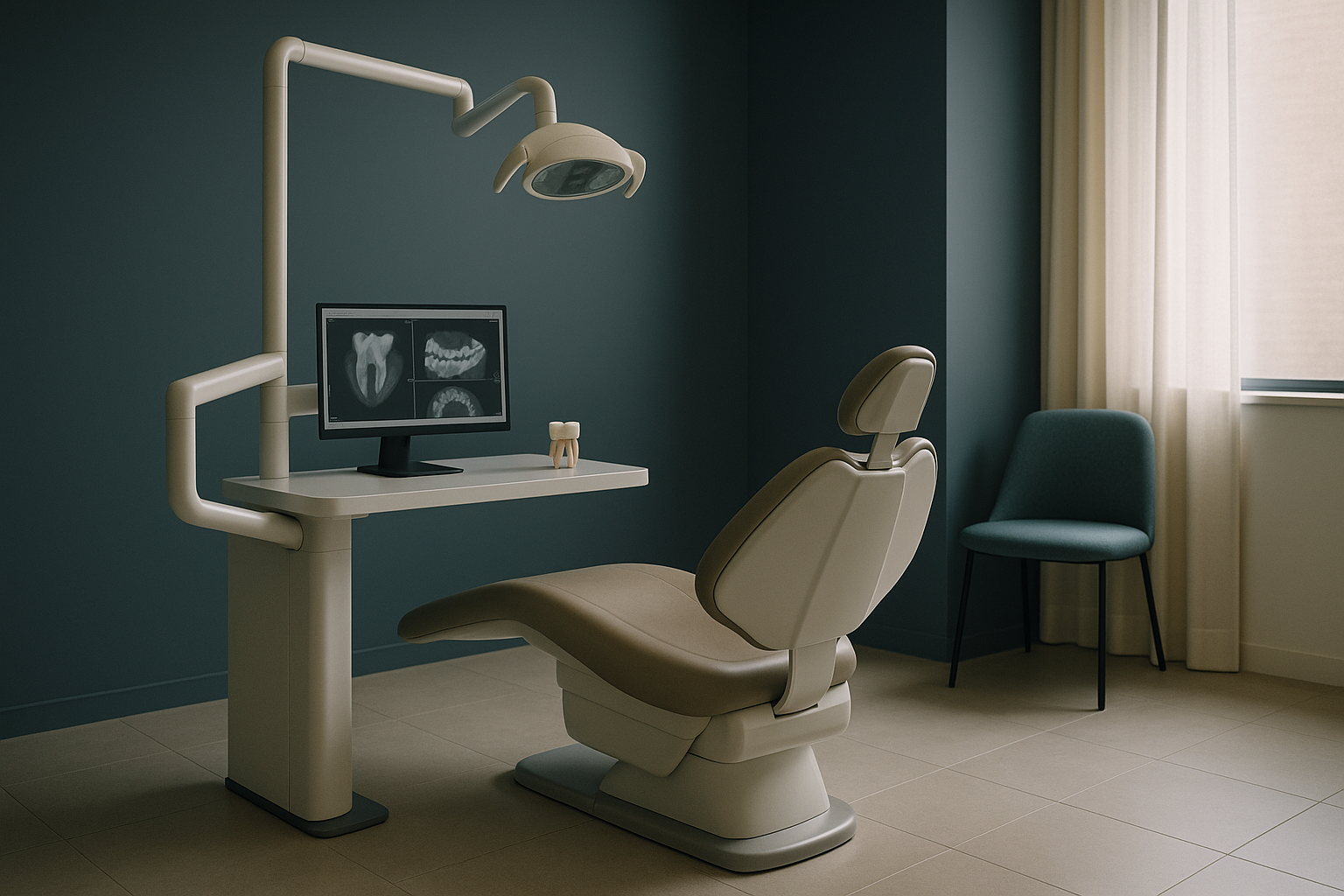
Dental implants are artificial tooth roots made of titanium, surgically placed into the jawbone to support replacement teeth. They offer a permanent solution to tooth loss, providing stability and strength comparable to natural teeth. Understanding the components and procedures involved in dental implants is crucial for anyone considering this option. The process typically begins with a comprehensive dental examination to assess the suitability of implants for the patient. This assessment includes X-rays and sometimes 3D imaging to evaluate bone density and structure.
The components of dental implants typically include the implant itself, an abutment, and a crown. The implant acts as the root, the abutment serves as the connector, and the crown functions as the visible tooth. This structure ensures durability and functionality. The materials used, primarily titanium, are biocompatible, meaning they are accepted by the body and integrate well with the bone. The integration process, known as osseointegration, is crucial as it ensures the stability and longevity of the implant.
While dental implants are a common dental solution, they can be costly, prompting individuals to explore less expensive alternatives abroad where quality care is still achievable. In some countries, the price of dental implants can be significantly lower due to reduced operational costs, making them an attractive option for those without dental insurance or with limited financial resources. Patients must weigh the benefits of cost savings against the need for travel and potential additional time spent abroad.
Why Consider Dental Implants Abroad?
Many individuals consider dental implants abroad due to the significant cost savings. Procedures in countries with lower living costs often translate to reduced prices for medical treatments, including dental implants. This is especially appealing for those without insurance coverage for such procedures. For example, in countries like Mexico or Thailand, the cost of dental implants can be 70% less than in the United States or Western Europe, making the option financially viable for many. Additionally, some countries offer favorable exchange rates, further reducing overall expenses for international patients.
In addition to cost savings, dental tourism allows access to specialised clinics with experienced professionals. Many countries have clinics that cater specifically to international patients, offering packages that include not only the dental procedure but also accommodation and transportation. These packages often provide a comprehensive approach to dental care, ensuring that patients receive not only treatment but also have their logistical needs met, which can ease the process significantly.
However, it’s important to weigh the benefits against potential challenges, such as travel expenses and the need for follow-up care, to make an informed decision. While initial treatment may be less expensive, patients must consider the cost of traveling to and from the destination, as well as any potential need for return visits for follow-up care or adjustments. The time and money spent on travel should be factored into the total cost of treatment when considering dental implants abroad.
How to Evaluate Dental Implant Clinics?
Evaluating dental implant clinics is a critical step in ensuring a positive outcome. Start by researching the clinic’s accreditation and the credentials of its dental professionals. Accreditation from recognised international bodies assures adherence to high standards of care and safety. Many reputable clinics proudly display their accreditations and certifications on their websites, making this information readily accessible to potential patients. It’s advisable to verify these credentials independently when possible to ensure their authenticity.
Reviews and testimonials from previous patients can provide insight into the clinic’s reputation and quality of service. It’s beneficial to look for consistent positive feedback regarding patient care, comfort, and overall satisfaction. Besides online reviews, consider reaching out to previous patients directly through healthcare forums or social media groups to gain a more personal perspective on their experiences. These firsthand accounts can be invaluable in assessing whether a clinic meets your expectations and needs.
Additionally, consider the technology and materials used in the clinic. Modern equipment and high-quality materials are indicative of a clinic’s commitment to providing excellent care. Look for clinics that leverage digital imaging, CAD/CAM technology for precision in implant placement, and use internationally recognized brands for their implant materials. These factors can greatly influence the success of the procedure and the longevity of the implants, ensuring that patients receive the best possible treatment outcomes.
What are the Costs Involved?
The costs of dental implants abroad vary based on factors like location, clinic reputation, and complexity of the procedure. On average, patients can expect to pay 30% to 50% less for dental implants in popular dental tourism destinations compared to prices in Western countries. For instance, a single implant that might cost between $3,000 to $5,000 in the U.S. can be obtained for $1,000 to $2,500 in countries such as Mexico or Costa Rica. This substantial difference can make the prospect of traveling for treatment highly appealing.
It’s essential to obtain a detailed cost estimate that includes all potential expenses, such as the implant, abutment, crown, and any additional procedures that may be necessary. Some clinics offer package deals that encompass these elements, along with accommodation and transport. These packages can simplify the process by offering a comprehensive solution at a fixed price, reducing the likelihood of unexpected costs arising during treatment.
Understanding the full cost breakdown helps avoid unexpected expenses and ensures a transparent financial commitment. Patients should request itemized quotes and clarify what is included in the price, such as pre- and post-operative care, medications, and any necessary follow-up visits. This transparency not only aids in budgeting but also in making an informed decision about whether the financial investment aligns with personal health and financial goals.
How to Ensure Safety and Quality?
Ensuring safety and quality when seeking less expensive dental implants abroad involves several key steps. First, verify the accreditation of the clinic and the qualifications of the dental professionals. Accredited clinics adhere to international standards, ensuring quality care. It is also worthwhile to check if the clinic is affiliated with any international dental associations, which can be a testament to their commitment to maintaining high care standards and continuous professional development.
Check for compliance with hygiene and sterilisation protocols, which are crucial for preventing infections and complications. Clinics should follow strict guidelines to maintain a safe environment for patients. Ask about their sterilization techniques and whether they meet the international benchmarks for cleanliness and infection control. This information should be readily available and willingly provided by reputable clinics to reassure prospective patients.
Communication is also vital. Ensure there is a clear plan for follow-up care and that the clinic provides comprehensive information regarding the procedure, risks, and recovery process. Clinics should be able to offer support in the patient’s native language or provide translators to facilitate clear communication. This is especially important in understanding the risks and post-operative care instructions which are crucial for the success of the dental implant procedure. Establishing a line of communication for any post-treatment concerns or emergencies is equally important to ensure ongoing care and support.
Which Countries are Popular for Dental Implants?
Several countries are renowned for offering affordable dental implants while maintaining high standards of care. Mexico, Hungary, and Thailand are among the top destinations for dental tourism, attracting patients from around the world. Each country offers unique advantages that cater to different patient needs and preferences, from proximity to home countries to linguistic compatibility and cultural familiarity.
Mexico is particularly popular among North American patients due to its proximity and significantly lower costs. Many Mexican clinics are located near the U.S. border, making it convenient for patients to travel for treatment. Additionally, many dentists in Mexico are trained in the U.S. or have international qualifications, which helps reassure patients of the quality of care they will receive. The cultural and linguistic similarities also make Mexico an accessible option for English-speaking patients.
Hungary has a long-standing reputation for dental expertise, offering competitive prices for European patients. Known as the “dental capital of Europe,” Hungary attracts thousands of dental tourists annually, particularly to cities like Budapest where many clinics have international accreditation and offer state-of-the-art facilities. The combination of skilled dentists and affordable treatment costs makes Hungary an attractive option for those in Europe seeking less expensive dental implants.
Thailand is known for its advanced healthcare facilities and experienced dental professionals, making it a preferred choice for patients from Australia and Asia seeking quality treatment at reduced costs. Bangkok and Phuket are popular destinations within Thailand, offering not only excellent dental care but also the opportunity to enjoy a medical holiday. The country’s focus on medical tourism has led to the development of clinics that cater specifically to international patients, ensuring high levels of service quality and patient satisfaction.
What to Expect During Recovery?
Recovery from dental implant surgery varies depending on the individual and the complexity of the procedure. Generally, patients can expect some swelling and discomfort in the first few days post-surgery, which can be managed with prescribed medication. The initial recovery phase typically lasts about a week, during which time patients should follow their dentist’s advice closely to ensure proper healing and avoid complications.
Following the dentist’s post-operative care instructions is crucial for a smooth recovery. This includes maintaining oral hygiene, avoiding hard foods, and attending follow-up appointments to monitor healing. Adhering to these guidelines helps minimize the risk of infection and ensures that the implant site heals properly. Patients are often advised to use a soft-bristled toothbrush and avoid using mouthwash for a certain period to protect the surgical site.
Most patients can return to normal activities within a week, although complete osseointegration, where the implant fuses with the jawbone, may take several months. During this time, patients should avoid activities that could disturb the implant site, such as smoking or strenuous physical activity. Regular check-ups with the dentist are essential to monitor the progress of osseointegration and to make any necessary adjustments to the treatment plan. Patience is key during this period, as proper integration is crucial for the long-term success of dental implants.
Conclusion
Finding less expensive dental implants abroad can be a feasible option for those seeking affordable dental care without compromising quality. By conducting thorough research, evaluating clinics, and understanding the costs involved, patients can make informed decisions and achieve successful outcomes. Safety and accreditation remain paramount, ensuring peace of mind and effective treatment. The journey to restoring one’s smile through dental implants can be rewarding both financially and health-wise, provided all considerations are carefully weighed and decisions are made with a long-term perspective in mind.
Proven result
10 to 70 oncology patients a month from Canada
International oncology provider
Frequently asked questions
How do I choose a country for dental implants?
Consider factors like cost, clinic accreditation, and travel logistics. Research popular dental tourism destinations known for quality care.
Are dental implants safe abroad?
Yes, if you choose accredited clinics with qualified professionals. Verify their adherence to international safety standards before proceeding.
What should I ask a dental clinic before travelling?
Inquire about the dentist’s qualifications, the clinic’s accreditation, the materials used, and a detailed cost estimate. Ensure you understand the follow-up care process.
How long does a dental implant procedure take?
The procedure typically involves multiple visits over several months. Initial surgery is followed by a healing period before placing the abutment and crown.
What if complications arise after returning home?
Discuss contingency plans with the clinic before treatment. Some clinics offer remote consultations or coordinate with local dentists for follow-up care.
Related guides

What Is a Medical Travel Facilitator and Why Use One?
A lower treatment quote can look compelling until you try to compare what it actually includes: surgeon fees,…

What Hospital Accreditation Reviews Really Tell You
A hospital can have polished facilities, prominent surgeons, and hundreds of five-star ratings, yet those signals do not…

International Patient Onboarding Guide for Hospitals
An international patient inquiry is not simply a lead. It is a person weighing a major medical decision…