
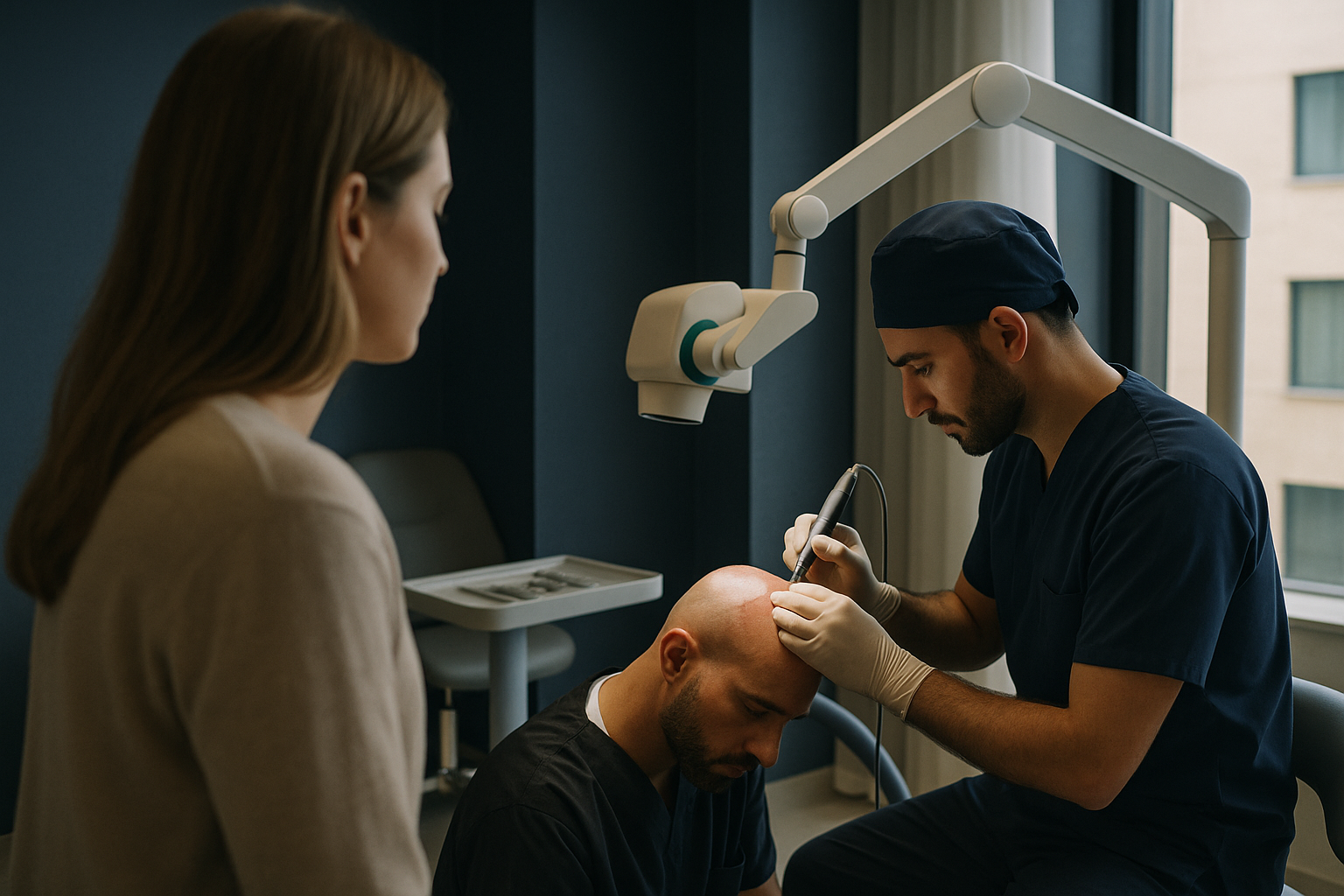
Turkey has become a renowned destination for medical tourism, particularly in the field of hair transplantation. The best DHI hair transplant in Turkey offers a combination of cutting-edge technology and experienced surgeons, making it a preferred choice for those seeking hair restoration. This guide provides essential information for prospective patients considering this procedure.
Why Choose Turkey for DHI Hair Transplant?
Turkey is recognised globally for its expertise in hair transplant procedures, particularly the Direct Hair Implantation (DHI) technique. The country boasts a high concentration of skilled professionals who utilise the latest technology to deliver excellent results. These practitioners are trained to international standards, often participating in global conferences, which ensures they are up-to-date with the latest advancements in hair restoration.
The cost-effectiveness of the procedure in Turkey is another significant advantage. Patients can receive top-tier services at a fraction of the cost they might incur in other countries. For instance, while a similar procedure in the United States can cost upwards of $15,000, Turkish clinics offer the same quality service for €1,500 to €4,000. This affordability, combined with high success rates, makes Turkey a leading destination for hair transplantation.
Moreover, the country’s strategic location at the crossroads of Europe and Asia makes it accessible for international travellers. With a robust tourism infrastructure, patients can combine their medical journey with leisure and exploration. Attractive tourist spots such as Istanbul’s historic sites or the beaches of Antalya offer patients the opportunity to enjoy their stay while undergoing treatment. Language barriers are also minimal as most clinics provide English-speaking staff to assist international patients, ensuring a seamless experience.
What to Consider When Selecting a Clinic?
Choosing the right clinic for your DHI hair transplant is crucial for achieving satisfactory results. One of the first factors to consider is the clinic’s accreditation and certifications. Ensure the facility complies with international standards like ISO 9001 and is recognised by relevant health authorities such as the Turkish Ministry of Health. Accreditation ensures that the clinic adheres to stringent safety protocols and quality controls, a critical factor for international patients.
Research the clinic’s track record and patient reviews. Testimonials and before-and-after photos can provide insight into the clinic’s expertise and success rates. It’s also beneficial to inquire about the specific surgeons who will be performing the procedure, including their qualifications and experience. Surgeons with extensive experience in DHI and a portfolio of successful cases are preferable. It is also useful to know how many DHI procedures the surgeon performs annually as a measure of their proficiency.
- Accreditation and certifications
- Surgeon qualifications
- Patient reviews and testimonials
Finally, consider the clinic’s post-operative care and support. Comprehensive follow-up care is essential to ensure optimal recovery and results. Look for clinics that offer detailed post-operative instructions and regular follow-up appointments. Some clinics provide online consultations after you return home, which can be invaluable for monitoring progress and addressing any concerns that may arise during recovery.
How to Evaluate the Cost of a DHI Hair Transplant?
The cost of a DHI hair transplant in Turkey varies based on several factors, including the extent of hair loss, the number of grafts required, and the clinic’s reputation. On average, prices range from €1,500 to €4,000, which is significantly lower than in Western countries. The number of grafts typically determines the cost, with clinics charging between €1.50 and €3 per graft. Understanding these details is crucial for budgeting accurately.
When evaluating costs, it’s essential to understand what is included in the package. Some clinics offer all-inclusive packages that cover surgery, accommodation, airport transfers, and post-operative care. For example, an all-inclusive package might include a three-night hotel stay, meals, and transportation within the city, which can save on additional expenses and simplify the process for international patients. Clarifying these details in advance can help avoid unexpected expenses.
Comparing different clinics and their offerings can assist in making an informed financial decision. It’s important to balance cost with quality to ensure the best outcome. While it might be tempting to choose the cheapest option, the expertise of the surgeon and the quality of care should be weighed heavily in your decision-making process. Investing in a reputable clinic with a proven track record can prevent future corrective procedures that might arise from subpar initial results.
How Long is the Recovery Process?
Recovery from a DHI hair transplant is typically swift, with most patients resuming normal activities within a week. However, complete healing and hair growth take time and patience. Initially, patients may experience mild swelling, redness, and scabbing, which subside within a few days. During the first week, it is essential to follow all care instructions provided by your clinic to minimize discomfort and prevent infection.
New hair growth usually starts within 3 to 4 months, with noticeable improvements by 6 to 12 months post-surgery. By the end of the first year, patients can expect to see full results, with their new hair blending seamlessly with existing strands. It is important to remember that hair growth occurs in cycles, so results may vary slightly from patient to patient. Adhering to post-operative care instructions, such as using recommended shampoos and avoiding sun exposure, can significantly impact the success of the transplant.
Regular follow-up appointments with the clinic are crucial to monitor progress and address any concerns. These consultations also ensure that the transplanted hair is growing as expected. Many clinics offer remote consultations for international patients, allowing for continuous support even after returning home. These follow-ups are vital for ensuring the long-term success of the transplant and addressing any unexpected issues promptly.
What are the Safety and Accreditation Standards?
Safety is a primary concern for international patients considering a DHI hair transplant in Turkey. It’s vital to choose a clinic that adheres to rigorous safety and hygiene standards. Accreditation by reputable organisations ensures that the clinic maintains high-quality care and patient safety. Facilities with JCI (Joint Commission International) accreditation, for example, demonstrate adherence to internationally recognized healthcare standards.
The Turkish Ministry of Health regulates medical practices, requiring clinics to meet specific criteria before offering services to international clients. This regulation ensures that facilities operate legally and ethically, providing peace of mind to patients. Clinics must follow strict protocols for sterilisation, emergency preparedness, and staff training. These measures are critical not only for preventing infections but also for ensuring that the clinic is prepared to handle any complications that may arise during the procedure.
Patients should verify the clinic’s adherence to safety protocols and inquire about their sterilisation practices, emergency procedures, and staff training. It is advisable to ask about the qualifications of the medical team, including anesthesiologists and nursing staff, to ensure that they are adequately trained and experienced in handling DHI procedures. Choosing a clinic that prioritizes safety and quality can make a significant difference in your overall experience and the success of your hair transplant.
How to Prepare for Your Trip to Turkey?
Preparation is key to a successful DHI hair transplant experience in Turkey. Begin by arranging your travel documents, including a valid passport and any necessary visas. It’s important to check the entry requirements for Turkey from your home country, as these can vary. It’s also wise to schedule your procedure to allow ample recovery time before returning home, considering how much rest you will need post-surgery.
Research and book accommodation near your chosen clinic to minimise travel stress. Many clinics offer package deals that include hotel stays, which can simplify logistics. These accommodations are usually located near the clinic, reducing the need for extensive travel during your stay. Make sure to confirm what is included in the accommodation package, such as meals and transportation, to better plan your itinerary and budget.
- Arrange travel documents
- Schedule procedure and recovery time
- Book accommodation
Additionally, consult with your local healthcare provider before travelling to ensure you’re fit for surgery. Discuss any existing medical conditions and medications with your surgeon to avoid complications. It is also a good idea to arrange for someone to accompany you on your trip if possible, as having support can be beneficial during the immediate post-operative period. Preparing thoroughly can lead to a more relaxed and enjoyable experience, allowing you to focus on your recovery and new hair growth.
Conclusion
Selecting the best DHI hair transplant in Turkey involves careful research and planning. By considering factors such as clinic accreditation, surgeon expertise, and cost, patients can make informed decisions that lead to successful outcomes. With its combination of quality care and affordability, Turkey remains a top choice for hair restoration. The country’s emphasis on patient satisfaction and advanced medical practices ensures that individuals seeking hair transplants will find an environment conducive to achieving their desired results, making it a wise choice for those considering this transformative procedure.
Proven result
20 to 200 hair-transplant patients a month from Australia
Aesthetic surgery group
Frequently asked questions
What is DHI hair transplantation?
DHI, or Direct Hair Implantation, is a technique where hair follicles are implanted directly into the scalp using a specialised tool, allowing for precise placement.
How long does a DHI hair transplant take?
A DHI hair transplant session can take anywhere from 4 to 8 hours, depending on the number of grafts required and the technique used.
Are there risks associated with DHI hair transplants?
While DHI is generally safe, potential risks include infection, scarring, and unnatural-looking results. Choosing a reputable clinic can minimise these risks.
What should I expect during recovery?
During recovery, expect mild discomfort and swelling, with most symptoms subsiding within a week. Hair growth typically begins 3 to 4 months post-surgery.
Is a DHI hair transplant permanent?
Yes, DHI hair transplants offer permanent solutions as the transplanted hair follicles are resistant to hair loss, though results may vary based on individual factors.
Related guides

What Is a Medical Travel Facilitator and Why Use One?
A lower treatment quote can look compelling until you try to compare what it actually includes: surgeon fees,…

What Hospital Accreditation Reviews Really Tell You
A hospital can have polished facilities, prominent surgeons, and hundreds of five-star ratings, yet those signals do not…

International Patient Onboarding Guide for Hospitals
An international patient inquiry is not simply a lead. It is a person weighing a major medical decision…