
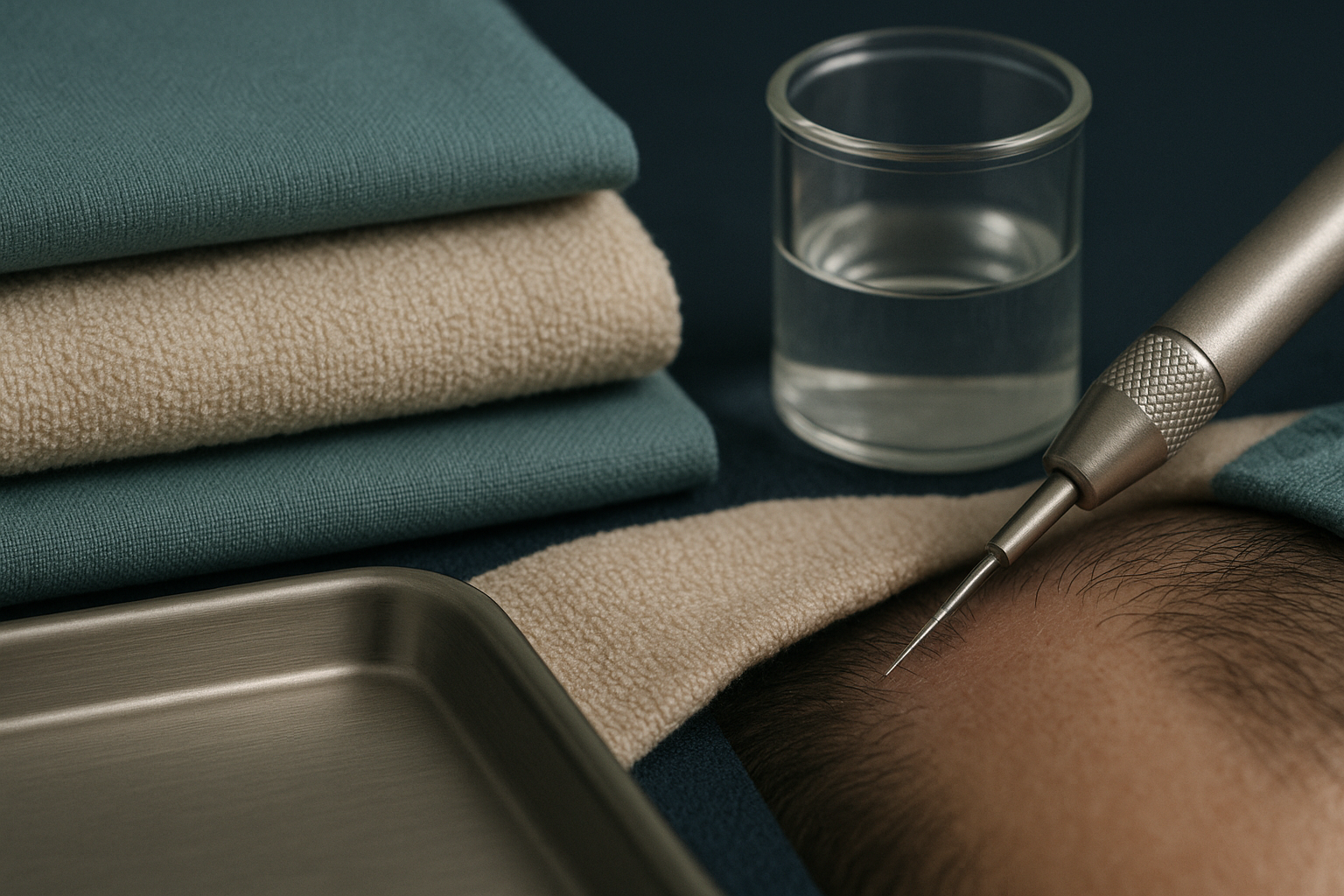
Hair loss is a common concern affecting millions globally, driving interest in advanced solutions like the No Shave FUE hair transplant. This procedure offers a discreet alternative to traditional methods, allowing individuals to maintain their current hair length while receiving treatment.
What is No Shave FUE Hair Transplant?
No Shave FUE, or Follicular Unit Extraction, is a hair transplant technique that does not require shaving the recipient’s scalp. This method is particularly appealing to individuals looking to keep their hair length unchanged during the transplant process. Unlike traditional FUE, it involves extracting individual hair follicles from a donor area, typically at the back of the head, and implanting them into areas experiencing thinning or balding. The process is meticulous and requires skilled professionals to ensure natural-looking results.
This method is gaining popularity as it provides a seamless transition with minimal disruption to the patient’s appearance, fostering confidence and discretion. Patients who opt for No Shave FUE can continue with their daily activities without the worry of visible changes or awkward hair regrowth stages. This is especially beneficial for those in public-facing roles or individuals who prefer not to disclose their hair restoration journey.
The technique also utilizes advanced tools and techniques to ensure that the transplanted hair blends naturally with existing strands, making it virtually undetectable. This level of precision requires a highly trained and experienced surgical team. The procedure’s success largely depends on the surgeon’s expertise and the clinic’s technological capabilities, which is why selecting a reputable clinic is crucial. The integration of technology such as robotic assistance in extracting and implanting follicles can enhance precision, reduce procedure time, and minimize human error, further ensuring optimal results.
How Does No Shave FUE Work?
The No Shave FUE procedure begins with a consultation where the patient’s hair restoration goals are discussed. The scalp is then assessed to determine the donor area’s viability and the number of grafts needed for effective coverage. During this initial stage, a thorough examination of hair density, texture, and scalp health is conducted to create a customized treatment plan. Patients are encouraged to ask questions and express any concerns during this consultation to align their expectations with realistic outcomes.
During the procedure, individual hair follicles are carefully extracted using a specialized micro-punch tool, causing minimal damage to surrounding tissues. These follicles are then transplanted into the designated balding areas. The precision of the micro-punch tool ensures that the surrounding hair remains intact, preserving the natural look of the donor area. This meticulous process can take several hours, depending on the number of grafts needed. The use of tiny instruments, often less than 1mm in diameter, allows for minimal scarring and a quicker healing process.
The procedure is typically done under local anesthesia, ensuring patient comfort. Post-procedure, patients can expect minor swelling and redness, which usually subsides within a week. Follow-up appointments are scheduled to monitor the healing process and the growth of new hair. Patients are advised to avoid strenuous activities and direct sunlight for a few weeks to aid recovery. Dietary adjustments, such as increased protein intake, may also be recommended to promote hair growth. In some cases, doctors might suggest supplements like biotin or vitamins to support the health of transplanted follicles.
What Are the Benefits of No Shave FUE?
No Shave FUE offers several advantages, particularly for those seeking discreet hair restoration solutions. One of the primary benefits is that patients can maintain their existing hair length, avoiding the need for a drastic appearance change. This allows for a more seamless integration into daily life, as there is no need to explain sudden changes in hairstyle to colleagues or acquaintances.
- Discretion: Minimal visibility of the transplant, allowing patients to continue daily activities without drawing attention. This is crucial for those in professional environments where image plays a significant role. The method’s subtle nature ensures that even during the healing phase, the changes remain inconspicuous.
- Natural Results: Skilled implementation ensures the transplanted hair blends seamlessly with existing hair. This is achieved through careful selection and placement of each graft to mimic natural hair growth patterns. The use of high-definition magnification during the procedure allows surgeons to place follicles at the correct angle and density.
- Minimal Scarring: The procedure results in minor scarring, often undetectable due to the precise extraction technique. This is particularly advantageous for individuals with shorter hairstyles. The reduced trauma to the donor area also means a faster recovery time, enabling patients to resume their normal activities sooner.
These benefits make it an attractive option for individuals in public-facing roles or those who wish to maintain privacy about their hair restoration journey. Furthermore, the non-invasive nature of the procedure reduces downtime, allowing patients to return to their routines quickly. The gradual nature of the hair growth also contributes to the discretion, as changes appear natural over time. Patients often report increased confidence and satisfaction with their appearance, enhancing their quality of life.
What Are the Costs and Timelines Involved?
The cost of a No Shave FUE hair transplant can vary significantly depending on the number of grafts required, the clinic’s location, and the expertise of the surgical team. On average, prices can range from $4,000 to $15,000 globally, with costs often higher in regions with a higher standard of living. It is important to consider that cheaper options might compromise on quality and results, making it imperative to balance cost with expertise. Some clinics may offer package deals that include post-operative care and medications, which can add value to the overall investment.
The timeline for the procedure and recovery is relatively short. The surgery itself typically takes between 6 to 8 hours, depending on the complexity and number of grafts. Following the procedure, patients can usually return to work within a week, with full recovery and hair growth visible over the next 12 months. Patients may observe initial shedding, which is a normal part of the process as the new hair begins to grow. This shedding phase is often referred to as “shock loss” and should not be a cause for alarm as it is temporary.
Understanding the financial and time commitments involved is essential for planning. Many clinics offer financing options to make the procedure more accessible. Patients should inquire about these options during their initial consultations. Additionally, understanding the projected timeline for results helps manage expectations and allows for better planning of follow-up appointments and any necessary adjustments. Clinics may offer payment plans or partner with financial institutions to provide low-interest healthcare loans, which can ease the upfront financial burden for patients.
How to Choose a Clinic for No Shave FUE?
Choosing the right clinic is crucial for a successful No Shave FUE hair transplant. Prospective patients should consider the clinic’s accreditation, the surgeon’s qualifications, and previous patient testimonials. Accreditation from reputable organizations indicates adherence to high standards of safety and quality. It’s important to verify the credentials of the surgical team, focusing on their experience with No Shave FUE specifically. Clinics with surgeons who have advanced certifications in hair restoration often demonstrate a higher level of expertise.
Accredited clinics are likely to adhere to international standards, ensuring safety and quality. It’s advisable to consult multiple clinics, ask detailed questions, and review before-and-after photos of previous patients to gauge the expected results. A comprehensive consultation should include a detailed explanation of the procedure, potential risks, and expected outcomes. Patients should also inquire about the technology and techniques used, as advancements like robotic assistance can significantly improve the precision and success of the surgery.
Additionally, consider the clinic’s location and travel logistics, particularly if you are an international patient seeking treatment abroad. Some clinics offer packages that include accommodation and transportation, which can be beneficial for those traveling long distances. Understanding these logistical considerations can help streamline the process and reduce stress, allowing patients to focus on recovery and results. Clinics that provide a comprehensive package often ensure a smoother experience, as they handle all details from the procedure to recovery accommodations.
Are There Any Risks or Considerations?
As with any surgical procedure, No Shave FUE comes with potential risks, although they are generally minimal. Common concerns include infection, scarring, and temporary swelling, all of which can be mitigated with proper care and a qualified medical team. It’s crucial to follow the post-operative care instructions provided by your surgeon to minimize these risks. Adhering to prescribed care routines significantly reduces the likelihood of complications and enhances recovery outcomes.
- Infection: Following post-operative care instructions reduces this risk significantly. Patients should ensure the treated area remains clean and avoid touching it unnecessarily. Using prescribed antibacterial ointments and keeping the area clean are essential steps in preventing infection.
- Scarring: While minimal, selecting an experienced surgeon is key to reducing visible scars. The technique used in No Shave FUE minimizes trauma to the scalp, resulting in less noticeable scarring. Surgeons often use advanced methods to ensure that scars blend seamlessly with the natural hairline.
- Swelling: Usually temporary, it can be managed with prescribed medications and rest. Patients may also use ice packs to reduce swelling and follow dietary recommendations to promote healing. Staying hydrated and avoiding certain foods that can exacerbate swelling are additional measures patients can take.
It is important to discuss all potential risks with your surgeon during the initial consultation to ensure informed decision-making. Understanding these risks and how they are addressed can provide peace of mind and confidence in choosing the procedure. Communication with your healthcare provider is key to navigating any concerns that arise during the recovery period. Many clinics offer 24/7 support lines for post-operative patients to address urgent concerns, ensuring continuous care.
Conclusion: Is No Shave FUE Right for You?
No Shave FUE hair transplants offer a discreet and effective solution for those looking to address hair loss without the need for a drastic appearance change. While the procedure is generally safe and yields natural results, it is crucial to consider your personal needs, budget, and the expertise of the chosen clinic. Engaging in thorough research and consultations can help you align your expectations with the outcomes achievable through this technique.
By understanding the procedure, benefits, and potential risks, you can make an informed decision about whether No Shave FUE is the right choice for your hair restoration journey. Consider your lifestyle, the importance of discretion, and your willingness to follow post-operative care instructions. These factors will significantly influence your satisfaction with the results. It is also beneficial to discuss your expectations with the surgeon to ensure they are realistic and achievable.
Ultimately, the decision to undergo a No Shave FUE hair transplant is personal and should be made after careful consideration of all factors involved. Consulting with a trusted healthcare provider can provide additional insights and support, ensuring that you are making the best choice for your individual needs and goals. With the right preparation and understanding, No Shave FUE can be a life-changing procedure, restoring confidence and improving quality of life for those affected by hair loss.
Proven result
20 to 200 hair-transplant patients a month from Australia
Aesthetic surgery group
Frequently asked questions
What is the recovery time for No Shave FUE?
Recovery from No Shave FUE typically takes about a week, with most patients returning to their daily activities shortly after.
Is No Shave FUE suitable for all hair types?
No Shave FUE is generally suitable for most hair types, but it’s important to consult with a specialist to assess individual needs.
Does No Shave FUE leave visible scars?
No Shave FUE is designed to minimise scarring, with any marks usually hidden by existing hair.
How soon will I see results from No Shave FUE?
Results from a No Shave FUE hair transplant typically become noticeable after 3-6 months, with full growth visible within a year.
Related guides

What Is a Medical Travel Facilitator and Why Use One?
A lower treatment quote can look compelling until you try to compare what it actually includes: surgeon fees,…

What Hospital Accreditation Reviews Really Tell You
A hospital can have polished facilities, prominent surgeons, and hundreds of five-star ratings, yet those signals do not…

International Patient Onboarding Guide for Hospitals
An international patient inquiry is not simply a lead. It is a person weighing a major medical decision…