
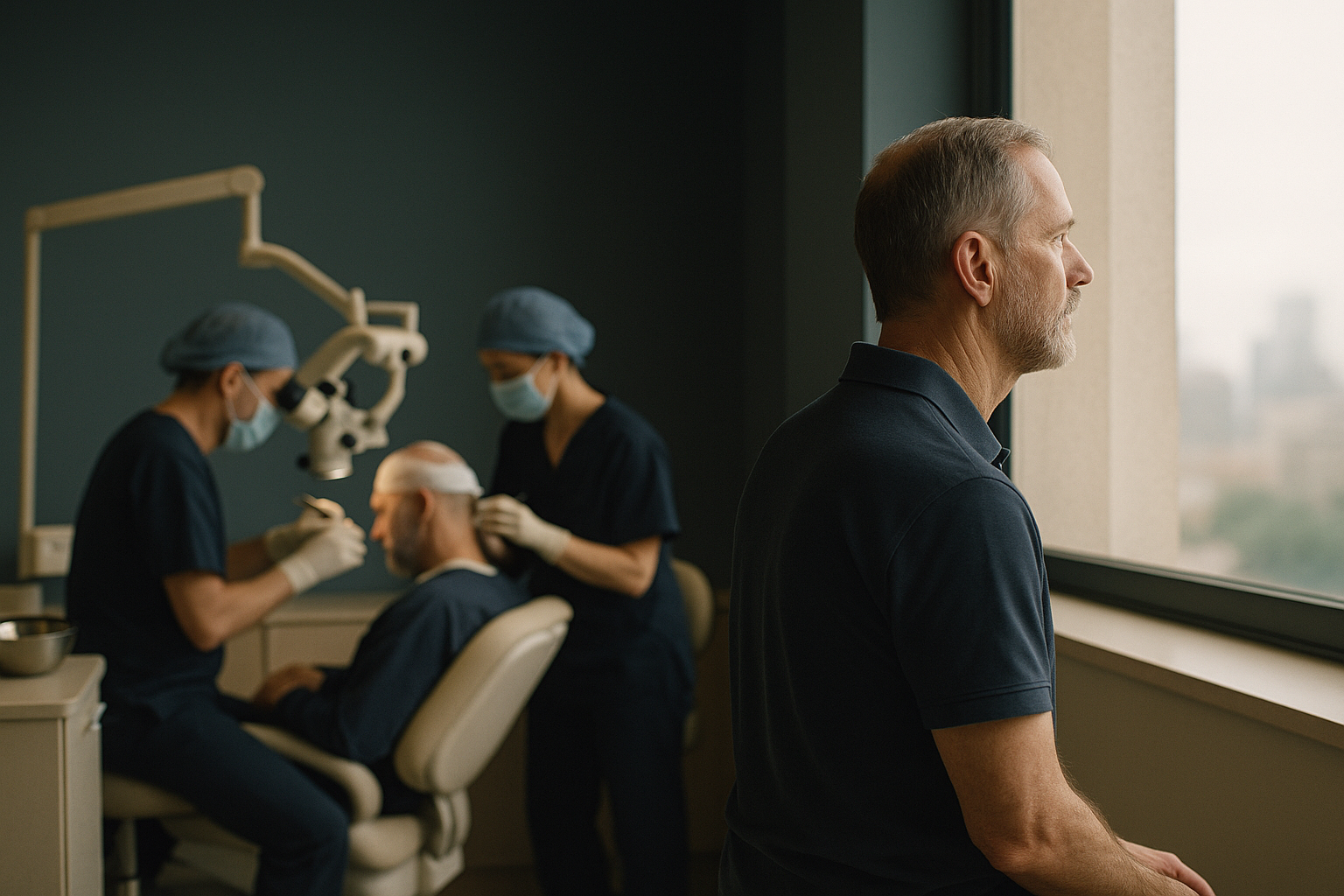
Crown hair transplant is a specialised procedure aimed at restoring hair to the balding area at the crown of the head. This type of hair restoration surgery is popular among individuals seeking effective solutions to hair loss. By understanding the intricacies of this procedure, international patients can make informed decisions about undergoing treatment abroad.
What Is a Crown Hair Transplant?
A crown hair transplant is a surgical procedure that involves relocating hair follicles to the crown area of the scalp, where hair thinning or balding has occurred. This technique is part of a broader category of hair restoration surgeries. It is important for prospective patients to understand the specifics of this procedure to set realistic expectations. The crown, or the vertex, is a common area for androgenetic alopecia, often requiring a different approach compared to other scalp areas due to its unique circular pattern and the direction of hair growth.
The process begins with the extraction of healthy hair follicles from a donor site, typically the back of the head, which are then meticulously implanted into the balding crown area. This requires careful planning and precision to ensure that the transplanted hair grows naturally and covers the balding area effectively. The procedure is performed under local anaesthesia, ensuring minimal discomfort for the patient. This allows the patient to remain awake, reducing the risks associated with general anaesthesia. A session can involve transplanting anywhere from 500 to 2,500 grafts, depending on the extent of hair loss and the desired density.
Understanding the technical aspects of a crown hair transplant can help patients appreciate the skill and precision required. The success of the transplant largely depends on the expertise of the surgeon and the quality of the donor hair. Surgeons must have a keen eye for detail, as the angle, direction, and density of the transplanted hair significantly impact the final appearance. Moreover, the health of the donor hair is crucial, as strong, robust follicles are more likely to produce lasting results. A skilled surgeon can replicate the natural swirl pattern of the crown, which is critical for achieving an aesthetically pleasing outcome.
How Much Does a Crown Hair Transplant Cost?
The cost of a crown hair transplant can vary significantly depending on several factors, including the location of the clinic, the experience of the surgeon, and the extent of the hair loss. On average, patients can expect to pay between £3,000 and £7,000 for a single session. However, the total cost can increase if multiple sessions are required to achieve the desired density and coverage. Patients should also consider the reputation of the clinic, as well-established facilities might charge more due to their track record of successful outcomes. Clinics in metropolitan areas or those renowned for celebrity clientele might present higher price points.
It’s essential for patients to consider additional costs that may arise during the process, such as travel expenses, accommodation, and post-operative care products. Many clinics offer package deals for international patients that include these extras, potentially reducing the overall cost. For instance, a clinic might provide a comprehensive package that covers airport transfers, hotel stays, and a post-surgery care kit, making the experience more convenient for patients traveling from abroad. This can be a cost-effective solution, often saving patients 10-20% on their overall expenses compared to booking each service separately.
Despite the costs, patients often find the investment worthwhile due to the long-lasting results of the procedure. Financing options and payment plans may be available to help manage the expense. Some clinics collaborate with financing companies to offer interest-free payment plans, allowing patients to spread the cost over several months or years. This can make the procedure more accessible, enabling more individuals to benefit from hair restoration. Patients are encouraged to inquire about these options during their initial consultations to understand the financial commitment fully.
What Are the Timelines for Crown Hair Transplant?
The timeline for a crown hair transplant procedure can vary from patient to patient. Generally, the surgery itself takes between 4 to 8 hours, depending on the size of the area being treated and the number of grafts required. For example, a smaller bald patch might be treated in a shorter session, while extensive balding could require a full day at the clinic. The number of grafts needed depends on the degree of hair loss and the desired density, which is assessed during the initial consultation. Surgeons may use advanced imaging technology to plan the graft placement strategically, ensuring optimal coverage and natural-looking results.
Post-operative recovery is an essential phase of the timeline. Patients can expect initial recovery to take about 10 to 14 days, during which time they should follow specific care instructions provided by their surgeon. These instructions may include using a special shampoo, avoiding direct sunlight, and refraining from strenuous activities. Full recovery and the visibility of results can take several months, as the transplanted hair needs time to grow and integrate with the existing hair. Typically, patients start seeing noticeable growth around three to six months post-surgery, with full results visible after 12 to 18 months. The transplanted hair will initially shed, a normal part of the process called “shock loss,” before new growth emerges.
Understanding these timelines helps patients plan accordingly, especially if travelling internationally for the procedure. Knowing the duration of the recovery and the gradual nature of hair growth allows patients to set realistic expectations and avoid unnecessary anxiety about the speed of results. Additionally, it enables them to schedule follow-up visits or consultations, which might be required to monitor progress and address any concerns that arise. Regular follow-ups, typically scheduled every few months post-surgery, are crucial for tracking progress and ensuring optimal outcomes.
How to Choose a Reliable Clinic for Hair Transplant Abroad?
Choosing a reliable clinic for a crown hair transplant is crucial to ensure the success of the procedure and patient safety. Prospective patients should research clinics thoroughly, considering factors such as accreditation, the surgeon’s experience, and patient reviews. A clinic with a strong track record and positive feedback from past patients is often a safer and more reliable choice. Websites like RealSelf and Trustpilot can provide valuable insights into patient experiences. Reading detailed reviews and looking at before-and-after photos can give a clearer picture of what to expect.
Accreditation from reputable international bodies is a good indicator of a clinic’s standards. For example, clinics accredited by the International Society of Hair Restoration Surgery (ISHRS) or the Joint Commission International (JCI) adhere to high standards of care and professionalism. Additionally, patients should look for clinics that offer comprehensive pre- and post-operative care. This might include detailed consultations, personalised treatment plans, and follow-up appointments to monitor recovery and address any complications. Clinics that invest in continuous training for their staff and the latest technology demonstrate a commitment to patient safety and satisfaction.
It’s advisable to select a clinic that provides a detailed consultation process, helping to personalise the treatment plan according to individual needs and expectations. During the consultation, the surgeon should assess the patient’s hair loss pattern, discuss potential outcomes, and answer any questions. This transparency helps build trust and ensures that patients understand what to expect before, during, and after the procedure. Furthermore, a clinic that offers virtual consultations can be particularly beneficial for international patients, as it allows them to discuss their case without the need to travel initially. This can save time and provide peace of mind before making travel arrangements.
What Are the Safety Considerations for Crown Hair Transplants?
Safety is a primary concern for anyone considering a crown hair transplant. Patients should ensure that their chosen clinic follows stringent hygiene protocols and has a well-trained medical team. Proper sterilisation of equipment, use of disposable instruments, and a clean operating environment are essential to minimise the risk of infection and other complications. Patients can inquire about the clinic’s hygiene practices during their initial consultation or visit. Some clinics offer virtual tours or videos showcasing their facilities, which can provide reassurance about their cleanliness and professionalism.
Potential risks and complications should be discussed with the surgeon during the initial consultation. These may include infection, scarring, and the success rate of the grafts. However, selecting a reputable clinic and an experienced surgeon can significantly mitigate these risks. Surgeons with extensive experience in hair transplants can anticipate potential issues and take preventive measures to ensure a smooth procedure. Additionally, understanding the surgeon’s past success rates and viewing before-and-after photos of previous patients can provide reassurance about their capabilities. Surgeons may also offer testimonials from past patients who have successfully undergone the procedure.
Patients should also be informed about the post-operative care required to ensure optimal healing and results. This includes following specific guidelines on hair washing, avoiding certain medications, and attending follow-up appointments. Adhering to these recommendations can enhance the healing process and improve the overall outcome of the transplant. Furthermore, patients should have access to a medical team post-surgery for any questions or concerns that may arise, ensuring they feel supported throughout their recovery journey. Clinics that provide 24/7 support or a dedicated patient coordinator can greatly enhance the post-operative experience.
What to Expect During Recovery?
Recovery from a crown hair transplant involves several stages, each requiring specific care to ensure successful results. In the first week, patients may experience some swelling and discomfort, which can be managed with prescribed medications. These symptoms are typically mild and subside as the body heals. Patients are advised to sleep with their head elevated to reduce swelling and avoid irritating the scalp. It is also crucial to avoid touching or scratching the transplanted area to prevent dislodging the grafts.
During this time, patients are advised to avoid strenuous activities and follow a gentle hair care routine to prevent disturbing the newly transplanted grafts. Light activities are usually permissible, but heavy lifting or intense exercise should be postponed to prevent increased blood flow to the scalp, which can affect graft survival. By the second week, most patients can resume normal activities, but should continue to avoid direct sun exposure and harsh hair treatments. Wearing a loose-fitting hat or using sunscreen on the scalp can protect the sensitive area when outdoors. This precaution helps prevent UV damage, which can affect healing.
Regular follow-ups with the surgeon are essential to monitor progress and address any concerns that may arise during recovery. These appointments allow the medical team to assess the healing of the scalp and the growth of the transplanted hair. Any issues, such as unusual pain or signs of infection, can be promptly addressed, ensuring the best possible outcome. Overall, patience and adherence to post-operative instructions are key to achieving the desired results from a crown hair transplant. Surgeons often provide a detailed timeline of expected progress, which can help set realistic expectations and reduce anxiety.
Conclusion: Making an Informed Decision
Crown hair transplant offers a viable solution for those experiencing hair loss at the crown of the head. By understanding the procedure, costs, timelines, and safety considerations, patients can make informed choices about pursuing this treatment. Thorough research and consultation with experienced professionals are crucial steps in this decision-making process, helping to ensure that the treatment aligns with the patient’s goals and expectations. Patients should weigh the benefits against the risks and consider their personal circumstances, including financial implications and recovery time.
International medical tourism for hair transplants is an increasingly popular option, providing access to high-quality care at competitive prices. Patients are encouraged to thoroughly research their options and consult with qualified professionals to ensure the best possible outcomes. By doing so, they can take advantage of innovative techniques and skilled practitioners from around the world, ultimately restoring their hair and confidence. With the right preparation and guidance, a crown hair transplant can be a life-changing decision, offering not only aesthetic improvements but also a boost in self-esteem and quality of life.
Proven result
20 to 200 hair-transplant patients a month from Australia
Aesthetic surgery group
Frequently asked questions
How long does a crown hair transplant take?
The procedure typically takes 4 to 8 hours, depending on the number of grafts needed and the size of the area being treated.
Is a crown hair transplant painful?
The procedure is usually performed under local anaesthesia, minimising discomfort. Some soreness and swelling may occur post-operatively.
When will I see results after a crown hair transplant?
Initial recovery takes about 10 days, but full results can take several months as the transplanted hair gradually grows in.
Can I travel immediately after a crown hair transplant?
It’s recommended to rest and avoid travel for at least a few days post-surgery to ensure proper healing.
What factors affect the success of a crown hair transplant?
The success depends on the surgeon’s expertise, quality of the donor hair, and adherence to post-operative care instructions.
Related guides

What Is a Medical Travel Facilitator and Why Use One?
A lower treatment quote can look compelling until you try to compare what it actually includes: surgeon fees,…

What Hospital Accreditation Reviews Really Tell You
A hospital can have polished facilities, prominent surgeons, and hundreds of five-star ratings, yet those signals do not…

International Patient Onboarding Guide for Hospitals
An international patient inquiry is not simply a lead. It is a person weighing a major medical decision…