
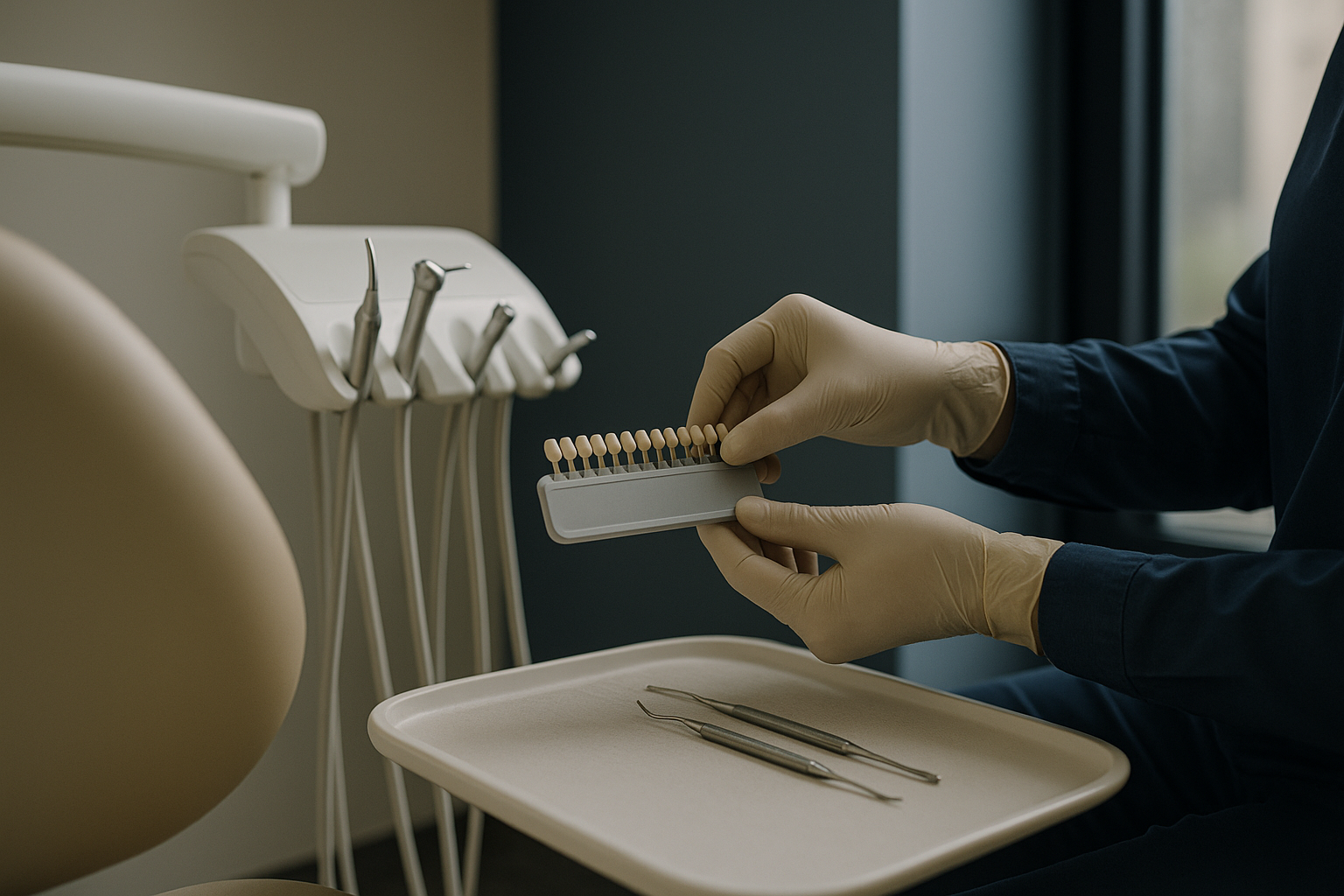
The decision to get teeth veneers is a significant one, often driven by the desire to improve dental aesthetics. Understanding how much teeth veneers cost is critical for prospective international patients. This comprehensive guide will delve into the costs, influencing factors, and considerations for those seeking dental veneers abroad.
What Are Teeth Veneers and Why Consider Them?
Teeth veneers are thin shells made from porcelain or composite resin designed to cover the front surface of teeth. They are used to correct dental imperfections such as discoloration, chips, and misalignment. Veneers provide a natural tooth appearance and are stain-resistant, making them a popular choice for cosmetic dental enhancements. The appeal of veneers lies in their ability to offer a transformative effect on one’s smile, often addressing multiple aesthetic concerns simultaneously. For instance, patients with multiple cosmetic issues can achieve a unified and harmonious smile with the application of veneers. This aesthetic improvement is not only skin-deep; it can profoundly impact a person’s self-esteem and social interactions.
Patients consider veneers to enhance their smile, boost self-confidence, and correct dental issues without undergoing extensive procedures. Unlike orthodontic treatments that can take years to complete, veneers offer a quicker route to an aesthetically pleasing smile. This is particularly attractive to those in professions where appearance plays a critical role, such as public relations, broadcasting, or modeling. Furthermore, veneers are customizable, allowing dentists to match them precisely to the shade and shape desired by the patient, thus ensuring a natural look. This level of customization means that veneers not only fit perfectly but also blend seamlessly with surrounding teeth, contributing to a more natural appearance.
Understanding the costs involved is essential to make an informed decision. Veneers are a significant investment in one’s appearance and oral health. The financial implications extend beyond the initial procedure; potential patients must also consider the long-term maintenance costs. Ensuring that you are fully informed about these aspects can help in planning and deciding whether veneers are the right choice for you. Consulting with a dental professional who can provide a detailed breakdown of costs and options is a crucial first step. This consultation often includes a discussion on the type of veneers that best suit your needs, possible payment plans, and tips on maintaining the veneers post-procedure.
How Much Do Teeth Veneers Typically Cost?
The cost of teeth veneers varies significantly based on several factors. On average, veneers can range from $800 to $2,500 per tooth. The type of material, geographical location, and the expertise of the dental practitioner play vital roles in determining the final cost. For instance, a practice in a major metropolitan area might charge more than one in a suburban setting due to higher overheads. Additionally, the use of cutting-edge technology or advanced techniques by the practitioner can also influence the price. It is also worth noting that some clinics offer package deals that might include multiple veneers or additional treatments like teeth whitening.
Porcelain veneers are generally more expensive than composite resin veneers but offer superior durability and aesthetics. Porcelain is known for its longevity and its ability to mimic the light-reflecting properties of natural teeth, making it a preferred choice despite the higher cost. Composite resin, while more affordable, may require more frequent replacements and lacks the same level of aesthetic appeal. However, it offers a viable option for those needing cosmetic improvement on a budget. For example, a single composite veneer might cost between $800 and $1,500, whereas a porcelain veneer could range from $1,200 to $2,500, reflecting the difference in material quality and lifespan.
It’s important to consult with a dental professional to understand the best option based on your needs and budget. A thorough consultation can reveal nuances about your dental health that might make one type of veneer more suitable than the other. Additionally, a professional can help in understanding financing options, insurance coverage, and any potential for cost-saving measures. Being well-informed can alleviate some of the anxiety associated with the costs and help ensure you get the best value for your investment. Some dental offices offer payment plans or partner with financing companies, making the financial aspect of the decision more manageable.
Factors Influencing the Cost of Teeth Veneers
Several factors influence the cost of teeth veneers. The material choice, whether porcelain or composite resin, is a primary determinant. Porcelain veneers, although more expensive, provide a longer lifespan and natural appearance. They are also less prone to staining and offer a more seamless integration with existing teeth. The decision between these materials often hinges on balancing upfront costs with expected longevity and aesthetic outcomes. For example, a patient might prefer porcelain for its durability and natural look, despite the higher initial cost.
- Geographical Location: The cost of veneers can differ based on country and city. Urban centres with higher living costs generally charge more. For example, veneers in New York or Los Angeles may be priced significantly higher compared to smaller cities or towns. Additionally, international destinations like Turkey or Thailand might offer competitive prices, but travel and accommodation costs must be considered. This factor is crucial for international patients who might find it more economical to travel for treatment despite the added travel expenses.
- Dental Expertise: Highly experienced dentists with specialized training may charge higher fees for their services. This expertise can translate into better aesthetic results and fewer complications. Patients should weigh the benefits of choosing a highly skilled practitioner against the associated costs. Often, reviews and before-and-after photos can provide insight into a dentist’s capability. It’s also prudent to verify the dentist’s credentials and affiliations with recognized dental associations.
- Laboratory Fees: Custom-made veneers require dental laboratory services, adding to the overall cost. The quality and reputation of the lab can affect the price; high-end labs with advanced technology typically produce veneers with superior fit and finish. Patients should inquire about the lab’s role in the process and how it impacts the final cost. Opting for a well-regarded lab might increase costs, but it can ensure a higher quality product that fits better and lasts longer.
Each of these factors plays a role in the overall investment required for veneers. A comprehensive understanding of these variables can assist patients in making a decision that aligns with their financial capabilities and aesthetic goals. For instance, someone looking for cost savings might opt for a dental practice in a suburban area that uses high-quality composite materials, balancing cost with aesthetics and longevity.
Comparison of Dental Veneers with Other Treatments
When considering cosmetic dental procedures, it’s helpful to compare veneers with other options like dental crowns and implants. Here’s a comparative overview:
| Treatment | Cost Range (per tooth) | Longevity |
|---|---|---|
| Veneers | $800 – $2,500 | 10-15 years |
| Dental Crowns | $1,000 – $3,500 | 15-20 years |
| Dental Implants | $3,000 – $4,500 | 20+ years |
Dental implants are the most permanent solution, while veneers and crowns offer significant aesthetic improvements with moderate longevity. Dental crowns encase the entire tooth, providing more structural support, which may be necessary for teeth that are weakened or heavily restored. This makes crowns a suitable choice for patients with significant decay or damage beyond cosmetic concerns. They are often recommended when a tooth is too damaged to support a veneer but still retains enough structure to avoid extraction.
Implants, on the other hand, replace the entire tooth structure, including the root, offering a durable and long-term solution for tooth loss. However, implants require sufficient bone density and may involve a more invasive procedure with a longer recovery period. This can make them less appealing to those looking for a quicker, less invasive aesthetic improvement. The surgical aspect of implants necessitates a longer planning phase, often involving multiple consultations and potentially bone grafting if bone loss has occurred.
Veneers, while not as long-lasting as implants or crowns, offer a more conservative approach since they require minimal alteration to the natural tooth structure. This makes them ideal for patients seeking aesthetic enhancements without significant structural changes. When choosing between these options, patients should consider factors such as the condition of their existing teeth, desired outcomes, and budgetary constraints. A dental professional can provide guidance tailored to individual needs and help align treatment choices with patient expectations and financial realities. This personalized approach ensures that patients receive the most suitable treatment for their specific dental health needs and lifestyle preferences.
How to Plan for Veneer Treatment Abroad
Planning for veneer treatment abroad requires careful consideration. Research potential countries and clinics, focusing on accreditation and patient reviews. Countries like Turkey and Thailand offer competitive pricing and high-quality care, attracting many international patients seeking cost-effective dental solutions. However, price should not be the sole factor driving your decision; quality and safety are paramount. This means thoroughly vetting potential clinics and ensuring practitioners are licensed and experienced.
Ensure the clinic is accredited by relevant dental health authorities. This accreditation is often a marker of quality and adherence to international standards. Verify the credentials of the dental practitioners to ensure you receive safe and effective treatment. Look for practitioners with international certifications or those who are members of recognized dental associations. These affiliations can provide additional assurance of the quality and professionalism of the care you will receive.
Consider travel and accommodation costs when budgeting for your procedure. While the treatment itself may be more affordable abroad, these additional expenses can add up quickly. It’s advisable to plan for an extended stay to allow for consultations, treatments, and follow-ups. Additionally, having a contingency fund for unexpected complications or adjustments can provide peace of mind. Thoroughly understanding the logistical aspects and potential hidden costs can help ensure a smoother treatment experience abroad. Engaging a medical tourism facilitator might also be beneficial, as they can assist with travel arrangements, accommodations, and even local language barriers.
Understanding the Procedure and Recovery
The veneer procedure typically involves multiple visits. Initially, the dentist prepares the teeth by removing a small amount of enamel. This preparation is crucial to ensure that the veneers adhere properly and achieve the desired aesthetic result. Impressions are then made, and temporary veneers may be placed to protect the teeth and provide a preview of the final outcome. The temporary veneers also allow patients to become accustomed to the feel of veneers, offering an opportunity to request adjustments before the permanent ones are applied.
Once the permanent veneers are ready, they are bonded to the teeth using a strong adhesive. This bonding process requires precision to ensure that the veneers align perfectly with the natural teeth and smile line. Recovery is minimal, with patients usually resuming normal activities shortly after. However, some sensitivity to temperature changes or pressure may occur initially, which typically subsides within a few days. This sensitivity is usually temporary and can often be managed with over-the-counter pain relief if necessary.
It’s important to follow post-procedure care instructions to ensure the longevity of your veneers. These instructions may include avoiding certain foods and maintaining rigorous oral hygiene practices. Regular check-ups are also essential to monitor the condition of the veneers and the underlying teeth. By adhering to care guidelines and maintaining open communication with your dentist, you can maximize the lifespan and appearance of your veneers. Proper care not only prolongs the life of the veneers but also ensures that your investment continues to enhance your smile for many years to come.
Long-term Care and Maintenance of Veneers
Proper care is essential for maintaining veneers. Regular dental check-ups, good oral hygiene, and avoiding excessive force on the veneers help prolong their life. This includes brushing twice daily with non-abrasive toothpaste and flossing to remove plaque buildup. Using a soft-bristle toothbrush can also prevent unnecessary wear on the veneers. It’s advisable to use toothpaste that is specifically designed for veneers, as it can prevent scratching and maintain their polished appearance.
While veneers are stain-resistant, they are not stain-proof. Limiting consumption of staining substances like coffee and tobacco can help maintain their aesthetic appeal. In addition, using a straw when consuming beverages that might stain can minimize direct contact with the veneers. If staining does occur, professional cleaning can often restore the original appearance. This professional maintenance should be part of regular dental visits to ensure both the veneers and the natural teeth remain in optimal condition.
In conclusion, the decision to get veneers should consider both the aesthetic benefits and financial investment. By understanding the costs and process, you can make informed choices about your dental health. Veneers offer a significant boost to one’s confidence and self-esteem, but they require ongoing commitment to maintenance and care. Weighing these factors carefully will help ensure that your investment in veneers yields the desired results and enhances your overall quality of life. Consulting with a trusted dental professional can further assist in making decisions that are best suited to your personal needs and lifestyle.
Proven result
20 to 200 hair-transplant patients a month from Australia
Aesthetic surgery group
Frequently asked questions
How much does a hair transplant cost?
Hair transplant costs vary widely, typically ranging from $4,000 to $15,000, depending on the location and method used.
How much does a hair transplant surgery cost in the USA?
In the USA, hair transplant surgery costs generally range from $5,000 to $15,000, influenced by the clinic’s location and the surgeon’s expertise.
How much does hair transplant cost in Turkey?
Hair transplants in Turkey are more affordable, typically ranging from $2,000 to $7,000, with many clinics offering packages including accommodation.
How much will rhinoplasty cost?
Rhinoplasty costs typically range from $5,000 to $15,000, depending on the complexity of the surgery and the surgeon’s experience.
How much does a nose operation cost?
The cost of a nose operation, or rhinoplasty, can vary from $5,000 to $15,000, based on factors like location, surgeon expertise, and procedure complexity.
Related guides

What Is a Medical Travel Facilitator and Why Use One?
A lower treatment quote can look compelling until you try to compare what it actually includes: surgeon fees,…

What Hospital Accreditation Reviews Really Tell You
A hospital can have polished facilities, prominent surgeons, and hundreds of five-star ratings, yet those signals do not…

International Patient Onboarding Guide for Hospitals
An international patient inquiry is not simply a lead. It is a person weighing a major medical decision…