
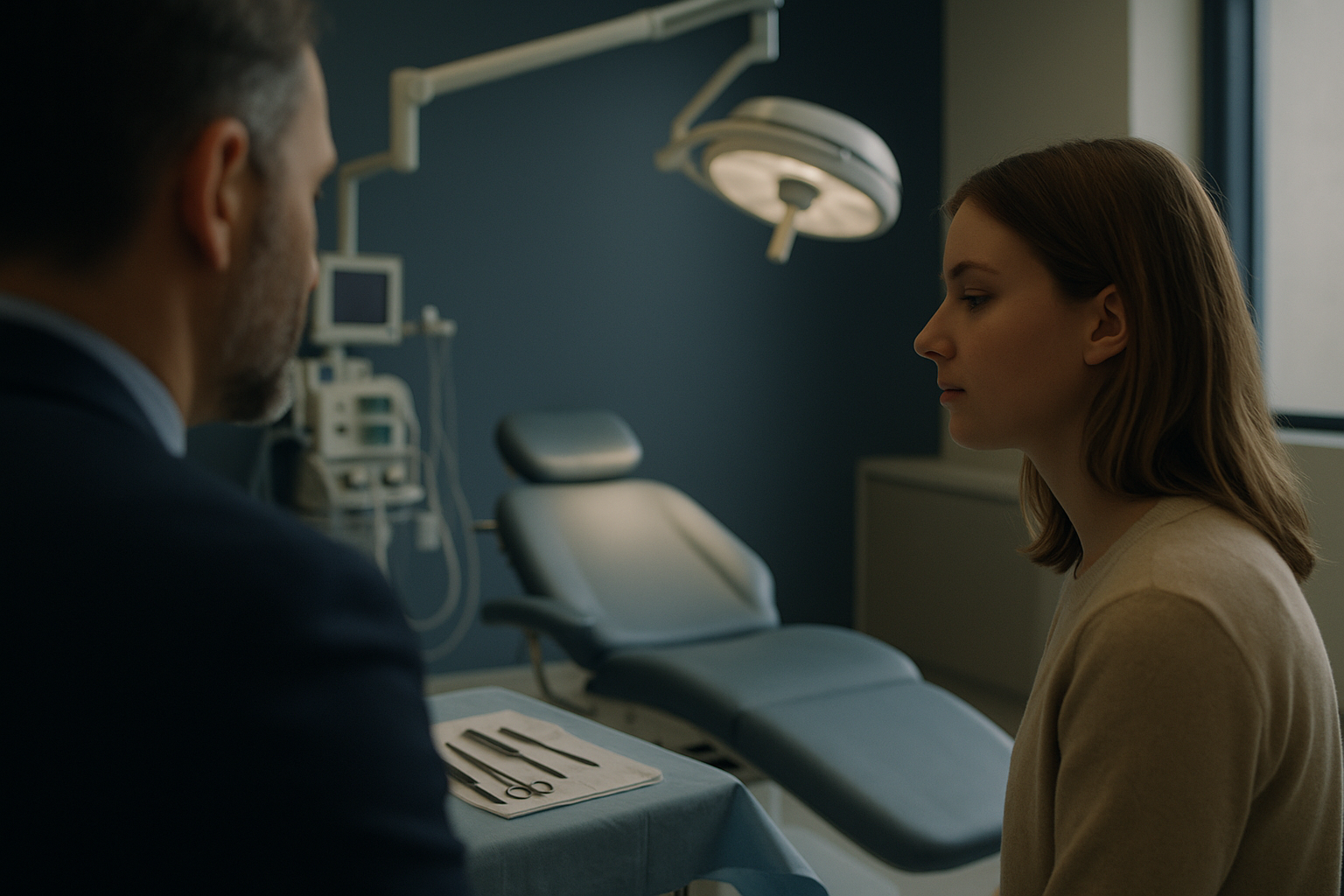
Rhinoplasty, commonly known as a nose job, is a popular cosmetic procedure sought by individuals worldwide. Understanding the cost of rhinoplasty is crucial for prospective international patients considering this surgery abroad. This guide offers insights into pricing, timelines, and safety considerations to help patients make informed decisions.
What is the Average Cost of Rhinoplasty?
The cost of rhinoplasty can vary significantly based on a range of factors. In general, patients can expect to pay between £3,000 to £10,000. This wide range is influenced by the geographic location of the clinic, the surgeon’s experience, and the complexity of the procedure. It is important to obtain a detailed cost breakdown from the clinic to understand what is included in the quoted price. For instance, a renowned surgeon working in a major city like London or New York might charge closer to the higher end of the spectrum due to higher operational costs and extensive experience.
Factors such as pre-surgical consultations, anaesthesia fees, surgical facility costs, and post-operative care can all impact the overall expense of the procedure. Patients are advised to consider these elements when comparing prices between different providers. A comprehensive quote should ideally cover the cost of initial consultations, the surgical procedure itself, anaesthesia, and follow-up care. Transparency in pricing helps patients avoid unexpected charges and better plan their finances.
For those seeking affordable options, countries known for medical tourism, such as Turkey and Thailand, often offer competitive pricing without compromising on quality. However, it’s essential to research and verify the accreditation of the chosen medical facility. Before deciding, patients should also consider the potential cost savings against travel and accommodation expenses. In some cases, the overall cost, including travel, can still be lower than having the procedure done in their home country. Moreover, packages offered by some clinics may include accommodation and airport transfers, adding further convenience and savings.
How Do Rhinoplasty Costs Compare Internationally?
Rhinoplasty costs can differ dramatically from one country to another. In the United States, the procedure is often priced higher, with costs typically starting at around £5,000. This is largely due to the high demand for cosmetic procedures and the stringent regulations that ensure high standards of medical care. The comprehensive nature of these standards often justifies the higher costs. In contrast, countries like Turkey offer the surgery for as low as £2,500, which has positioned them as popular destinations for medical tourists. This affordability is often due to lower operational costs and a highly competitive market.
Comparatively, the United Kingdom and Australia can see prices ranging from £4,000 to £7,000. These variances are influenced by factors such as local economic conditions, healthcare regulations, and the quality of healthcare infrastructure. It’s crucial to note that while lower prices can be appealing, patients should prioritize the clinic’s reputation and the surgeon’s expertise over cost alone. Evaluating the quality of care is essential, and prospective patients should seek clinics that are accredited by recognized international health bodies.
A comparison table of average rhinoplasty costs by country provides a clearer perspective:
| Country | Average Cost (£) |
|---|---|
| USA | 5,000 – 10,000 |
| UK | 4,000 – 7,000 |
| Turkey | 2,500 – 4,500 |
| Thailand | 3,000 – 5,000 |
Patients considering international options should also account for the potential cost implications of any complications or additional procedures that might be needed post-surgery. Ensuring that these are covered in the initial quote or easily accessible in the chosen destination is vital to avoid future financial burdens.
What Factors Influence the Cost of Rhinoplasty?
Several factors influence the cost of rhinoplasty, each contributing to the final price. The expertise and reputation of the surgeon play a significant role; renowned surgeons with extensive experience typically charge higher fees. This is often due to their established track record of successful outcomes and their ability to handle complex cases. Furthermore, the complexity of the surgery itself also affects costs; more intricate procedures that involve significant structural changes are more expensive. For instance, a surgery requiring extensive cartilage grafting or reconstructive work may require more time and resources, thus increasing the cost.
Additionally, the location of the clinic can impact costs. Clinics in major metropolitan areas often have higher operating expenses, which are reflected in their pricing. Conversely, clinics in medical tourism hubs may offer lower prices due to lower operational costs and competitive market conditions. This can also be attributed to the volume of surgeries performed, which can drive down costs through economies of scale. In these regions, the high turnover of patients often allows clinics to maintain lower prices without compromising quality.
Other factors such as the type of anaesthesia used, the length of the hospital stay, and the post-operative care provided can also influence the total cost. For example, general anaesthesia is typically more expensive than local anaesthesia due to the need for an anaesthesiologist and more comprehensive monitoring. Additionally, more extensive aftercare services, including follow-up visits and medication, can add to the overall expense. Patients should ensure that all potential costs are discussed upfront to avoid surprises and ensure that their budget aligns with the expected expenses.
How Long Does the Rhinoplasty Process Take?
The rhinoplasty process involves several stages, each contributing to the overall timeline. Initially, patients undergo a consultation phase, which may include multiple meetings with the surgeon to discuss expectations, review medical history, and plan the procedure. This phase can last several weeks to a few months, depending on the patient’s availability and the surgeon’s schedule. It is during this period that patients can ask questions, express concerns, and gain a thorough understanding of the procedure.
The surgical procedure itself typically takes between two to four hours, depending on the complexity of the case. Following surgery, patients are usually required to stay in the hospital for a short period, often just overnight, for monitoring and initial recovery. The immediate post-operative phase is crucial for managing pain and ensuring that there are no immediate complications. Most clinics offer a comfortable environment to facilitate this initial recovery phase.
Post-operative recovery can vary, with most patients returning to work and normal activities within two weeks. However, full recovery, including the resolution of swelling and bruising, may take several months. Patients should plan for follow-up appointments to ensure optimal healing and results. During the recovery period, patients are advised to avoid strenuous activities and follow specific care instructions provided by their surgeon. This might include guidelines on sleeping positions, dietary restrictions, and the use of cold compresses to minimize swelling.
Are There Additional Costs to Consider?
Beyond the initial surgical fees, patients should be aware of potential additional costs. These may include pre-surgery consultations, which are sometimes charged separately, and any necessary medical tests or imaging required prior to the procedure. These diagnostic steps are essential for ensuring patient safety and tailoring the surgery to meet individual needs. Patients should confirm whether these costs are included in the initial quote or will be billed separately.
Post-operative care is another consideration. Follow-up visits, medication, and any required revision surgery can add to the overall expense. Patients should inquire about the clinic’s policy on revisions and whether these are covered in the original fee. Some clinics offer packages that include a certain number of follow-up visits, which can be beneficial for managing long-term recovery and ensuring satisfactory results.
Travel and accommodation costs are also important for international patients. These can vary widely based on the distance travelled and the duration of the stay. Patients should budget for these expenses to avoid unexpected financial strain. Additionally, some patients may choose to bring a companion, which can further increase travel-related costs. It’s advisable to consider all these factors when calculating the total financial commitment for the procedure.
How to Ensure Safety and Accreditation in Rhinoplasty Abroad?
When considering rhinoplasty abroad, ensuring the safety and accreditation of the chosen clinic is paramount. Patients should verify that the clinic is accredited by recognized international health organizations. This ensures that the facility adheres to global standards of care and safety. Accreditation bodies such as the Joint Commission International (JCI) or the International Society for Quality in Health Care (ISQua) are reputable indicators of quality.
Researching the surgeon’s qualifications and experience is equally important. Prospective patients should look for board-certified surgeons with extensive experience in performing rhinoplasty. Reading reviews and testimonials from former patients can provide additional insight into the quality of care provided. Platforms like RealSelf or Trustpilot offer patient reviews that can help gauge the credibility and performance of surgeons and clinics.
Moreover, patients should confirm that comprehensive pre-operative and post-operative care is available. Clinics offering thorough aftercare programs are more likely to ensure a smooth recovery and satisfactory outcomes. This includes having access to emergency care if needed and clear communication channels for addressing any post-surgery concerns. Ensuring that the clinic provides a holistic approach to patient care will significantly enhance the overall experience and outcome of the surgery.
Conclusion
Understanding the cost of rhinoplasty involves considering various factors, from the surgeon’s expertise to the location of the clinic. By carefully researching and planning, patients can ensure they receive high-quality care that meets their expectations and budget. This guide serves to empower patients with the knowledge needed to make informed decisions about their rhinoplasty journey. Taking the time to evaluate all aspects of the procedure, from cost to safety, will ultimately lead to a more satisfying and successful outcome.
Proven result
20 to 200 hair-transplant patients a month from Australia
Aesthetic surgery group
Frequently asked questions
How much does a hair transplant cost?
The cost of a hair transplant varies widely, typically ranging from £3,000 to £10,000, depending on the clinic and procedure complexity.
How much does a hair transplant cost in Turkey?
In Turkey, hair transplant costs are often more affordable, typically ranging from £1,500 to £3,500, due to lower operational costs.
How much does it cost for hair transplant in USA?
In the USA, hair transplant costs generally range from £4,000 to £15,000, influenced by the clinic’s location and the surgeon’s expertise.
What factors affect the cost of porcelain veneers?
The cost of porcelain veneers is affected by the dentist’s expertise, the complexity of the procedure, and the number of veneers needed.
Related guides

What Is a Medical Travel Facilitator and Why Use One?
A lower treatment quote can look compelling until you try to compare what it actually includes: surgeon fees,…

What Hospital Accreditation Reviews Really Tell You
A hospital can have polished facilities, prominent surgeons, and hundreds of five-star ratings, yet those signals do not…

International Patient Onboarding Guide for Hospitals
An international patient inquiry is not simply a lead. It is a person weighing a major medical decision…