
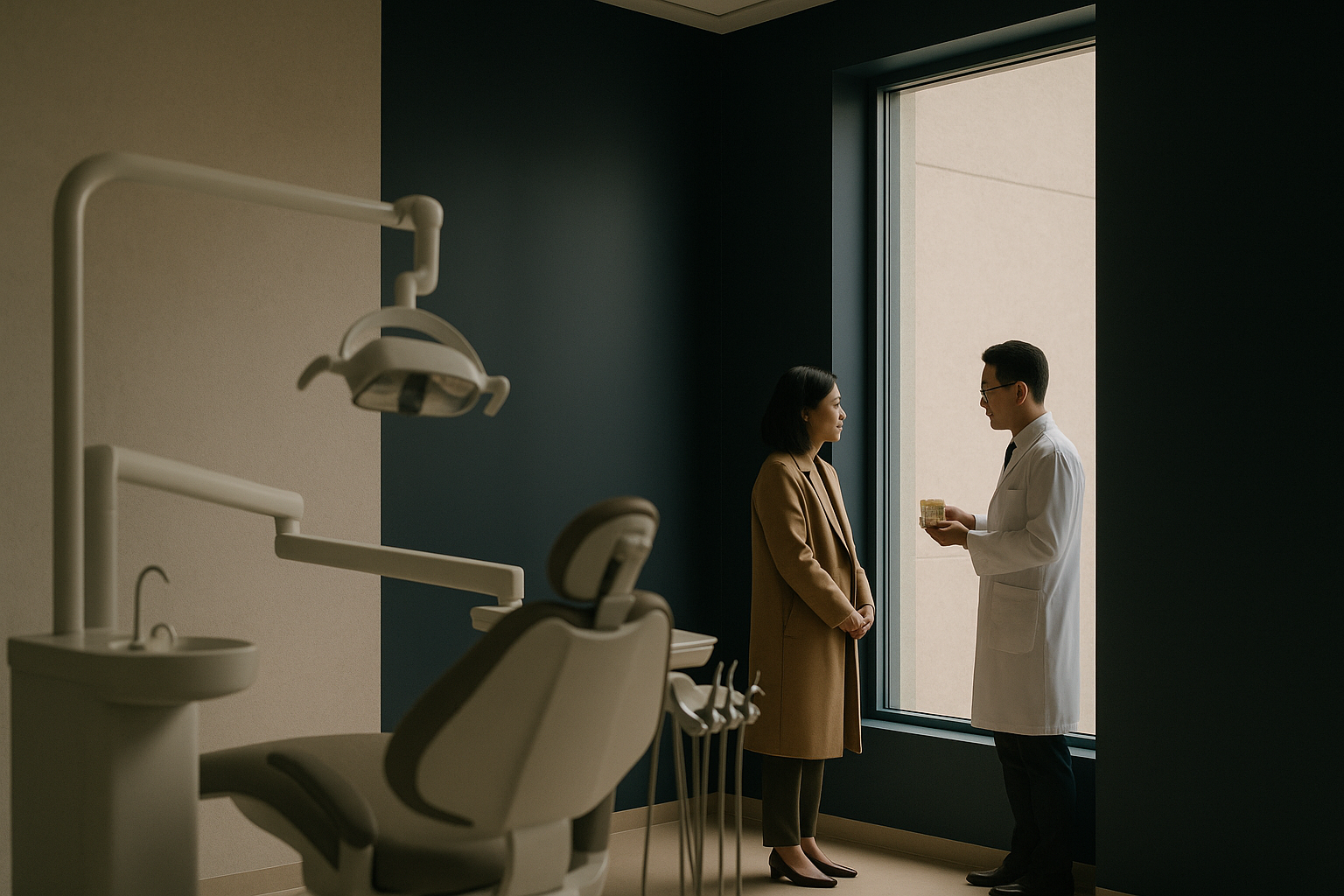
Choosing the right dental implants provider is a crucial step for anyone considering dental implants abroad. This decision involves understanding costs, timelines, and safety standards, ensuring you receive quality care.
What Makes a Trusted Dental Implants Provider?
A trusted dental implants provider should have a reputable track record in delivering successful dental implant procedures. This reputation can be established through years of experience and a portfolio of satisfied patients. For example, a provider with over a decade of experience and hundreds of successful procedures can offer peace of mind. Look for providers with experienced dental surgeons who have specialized training in implantology, which is critical for handling complex cases and ensuring optimal outcomes.
Modern facilities equipped with the latest dental technology also play a significant role in the provider’s trustworthiness. Technologies such as 3D imaging and computer-assisted design and manufacturing (CAD/CAM) systems enhance precision in planning and executing implant procedures. These technologies not only improve the accuracy of the implants but also reduce the margin for error, leading to higher success rates. Furthermore, positive patient testimonials can offer insights into the patient experience, revealing the provider’s ability to deliver not only successful outcomes but also excellent patient care.
Accreditation from international dental organizations, such as the American Academy of Implant Dentistry (AAID) or the International Congress of Oral Implantologists (ICOI), can further assure quality standards. These accreditations indicate that the provider adheres to global best practices and continuous professional development. Additionally, a comprehensive pre-treatment consultation that includes a personalized treatment plan is essential. This plan should address your specific dental needs, outline the procedure, and provide transparent cost estimates, ensuring no hidden fees or unexpected expenses arise.
What Are the Steps to Choose a Dental Implants Provider?
The first step in selecting a dental implants provider is conducting thorough research. Start by identifying providers in your preferred countries known for dental tourism. Use online resources such as dental tourism directories and forums to gather initial information. These platforms can provide valuable insights into the experiences of other patients, helping you create a shortlist of potential providers. Consider using websites that specialize in patient reviews and ratings to get an unbiased perspective of the provider’s reputation.
Once you have a shortlist, investigate each provider’s qualifications, patient reviews, and success rates. Check for credentials and affiliations with reputable dental organizations, which can indicate a commitment to maintaining high standards. Online reviews and testimonials can further offer perspectives on patient satisfaction and the provider’s ability to meet expectations. It’s also worthwhile to look into any awards or recognitions the provider may have received, as these can be indicators of quality and excellence in the field.
Secondly, schedule initial consultations with shortlisted providers. These consultations can often be conducted via video calls if travel is not yet feasible. During these meetings, discuss your dental history, treatment expectations, and any specific concerns. Ensure that the provider communicates clearly, offering a detailed overview of the process, potential risks, and expected outcomes. A provider who takes the time to address all your questions is likely to be patient-centered and committed to quality care.
Finally, evaluate all gathered information to make an informed decision. Consider factors like the provider’s experience, facility standards, and overall treatment costs. Compare the pros and cons of each option, including logistical aspects such as travel convenience and accommodation. Remember that the cheapest option is not always the best; prioritize quality and safety to ensure the long-term success of your dental implants. Additionally, consider the aftercare services and support offered, as these can be crucial for recovery and long-term satisfaction.
What Are the Costs and Timelines Involved?
The cost of dental implants abroad can vary significantly depending on the country and the provider’s expertise. On average, dental implants may cost between $1,000 and $3,000 per implant, excluding additional procedures like bone grafting or sinus lifts, which may be necessary in cases of insufficient bone mass. These procedures can add an extra $200 to $1,500 to your total cost, depending on the complexity and materials used. It’s important to request a detailed breakdown of costs from the provider to avoid unexpected expenses.
Timelines also differ based on the complexity of the case and the treatment plan. Typically, the process involves an initial consultation, implant placement, and follow-up appointments, spanning several months. For straightforward cases, the timeline from consultation to the final crown placement can be around three to six months. More complex cases, requiring bone grafting or multiple implants, may extend over a year. Providers might offer phased payment plans, which can help manage the financial burden over the course of the treatment.
It’s crucial to understand the full timeline before committing, as multiple visits may be required. Some providers offer accelerated programs using advanced techniques to shorten the healing time between procedures. However, these options should be discussed thoroughly to ensure they do not compromise long-term success. Ensure you have a clear understanding of the treatment schedule, including recovery periods and the number of trips required, to plan your dental tourism journey effectively. Consider the implications of travel on your recovery and how it fits into your overall schedule.
Which Countries Are Best for Dental Implants?
Countries like Hungary, Thailand, and Mexico are renowned in dental tourism for offering high-quality dental implants at competitive prices. Hungary, often referred to as the “dental capital of Europe,” is known for its advanced dental technology and skilled practitioners. Budapest alone boasts over 300 dental clinics equipped with the latest technology, attracting thousands of international patients annually. The city’s rich history and vibrant culture make it an appealing destination for those seeking both treatment and a cultural experience.
Thailand offers modern facilities and experienced dentists and is known for combining dental care with luxurious tourism experiences. Thai dentists often provide services in state-of-the-art clinics located in major cities like Bangkok and Phuket, offering a seamless blend of treatment and relaxation. The country’s reputation for hospitality and affordable healthcare costs make it a popular choice for dental tourists. Additionally, Thailand’s exotic beaches and historical landmarks provide a perfect backdrop for recovery and exploration.
Mexico is also a popular choice due to its proximity to the United States and affordable treatment options. Border towns like Tijuana and Cancun have become dental tourism hubs, offering savings of 40-70% compared to U.S. prices. The convenience of travel and the quality of care available make Mexico an attractive option for Americans seeking cost-effective dental solutions. Each country has its own advantages, so consider your personal priorities, such as travel convenience, cultural preferences, and language barriers, to choose the best destination for your needs.
What Should You Know About Safety and Accreditation?
Safety is paramount when undergoing dental treatments abroad. Ensure that your chosen provider adheres to stringent hygiene and sterilization protocols to prevent infections and complications. Sterilization methods should be in line with international standards, and staff should be trained in infection control practices. This includes the use of autoclaves for instrument sterilization and adherence to protocols for single-use items like gloves and needles.
Check if the clinic is accredited by international dental bodies such as the Joint Commission International (JCI) or the International Organization for Standardization (ISO). Accreditation ensures the clinic meets global standards in patient care and safety, which is particularly important in a foreign setting where regulatory standards may vary. These accreditations often involve rigorous assessments and regular audits to maintain certification, ensuring ongoing compliance with safety practices.
Discuss any concerns about infection control and emergency procedures with your provider before proceeding. Ask about the clinic’s track record with patient safety and their protocols for managing complications. Providers who are open about their safety measures and willing to answer all your questions are typically more trustworthy and committed to maintaining high standards of care. It’s also wise to inquire about their insurance policies and post-operative care procedures to ensure comprehensive support throughout your treatment.
How Does Dental Tourism Enhance the Experience?
Dental tourism combines dental care with the opportunity to explore a new country, making the experience both beneficial and enjoyable. It allows patients to receive quality dental treatment while enjoying a vacation, turning a medical trip into a memorable adventure. This blend of healthcare and travel can alleviate the stress associated with medical procedures, providing a more holistic experience.
Providers often offer packages that include travel arrangements, accommodation, and local tours, enhancing the overall experience. These packages provide convenience and savings, as they are often negotiated at discounted rates with hotels and tour operators. Additionally, experiencing the local culture, cuisine, and attractions adds an enriching dimension to the trip, making the recovery period more pleasant. For instance, patients can indulge in local culinary delights or participate in guided tours of historical sites, making the most of their stay.
This approach not only ensures dental health but also provides cultural enrichment. For example, after a treatment session in Thailand, patients can enjoy a relaxing day at the beach or explore the vibrant street markets. In Hungary, a visit to the historic thermal baths can be a soothing experience after dental procedures. This blend of healthcare and tourism can make the process of undergoing dental treatment abroad feel less daunting and more like an opportunity for personal growth and exploration. It’s a chance to return home with not only a healthier smile but also unforgettable memories.
Conclusion
Selecting a trusted dental implants provider requires careful research and consideration. By understanding the factors involved, including costs, safety, and country-specific advantages, you can make an informed decision that best suits your needs. Always prioritize quality and safety to ensure a successful dental implant experience. With the right provider and thorough planning, dental tourism can be a rewarding journey, offering both improved dental health and the chance to explore new cultures and landscapes.
Proven result
10 to 70 oncology patients a month from Canada
International oncology provider
Frequently asked questions
What country is best for dental implants?
Countries like Hungary, Thailand, and Mexico are popular for dental implants due to their high standards and affordable costs.
What should I consider when choosing a dental implants provider?
Consider factors such as the provider’s experience, facility standards, accreditation, and patient reviews.
How much do dental implants abroad typically cost?
The cost varies, but generally ranges from $1,000 to $3,000 per implant, excluding additional procedures.
Is dental tourism safe?
Dental tourism can be safe if you choose accredited providers who adhere to international hygiene and safety standards.
Related guides

What Is a Medical Travel Facilitator and Why Use One?
A lower treatment quote can look compelling until you try to compare what it actually includes: surgeon fees,…

What Hospital Accreditation Reviews Really Tell You
A hospital can have polished facilities, prominent surgeons, and hundreds of five-star ratings, yet those signals do not…

International Patient Onboarding Guide for Hospitals
An international patient inquiry is not simply a lead. It is a person weighing a major medical decision…