
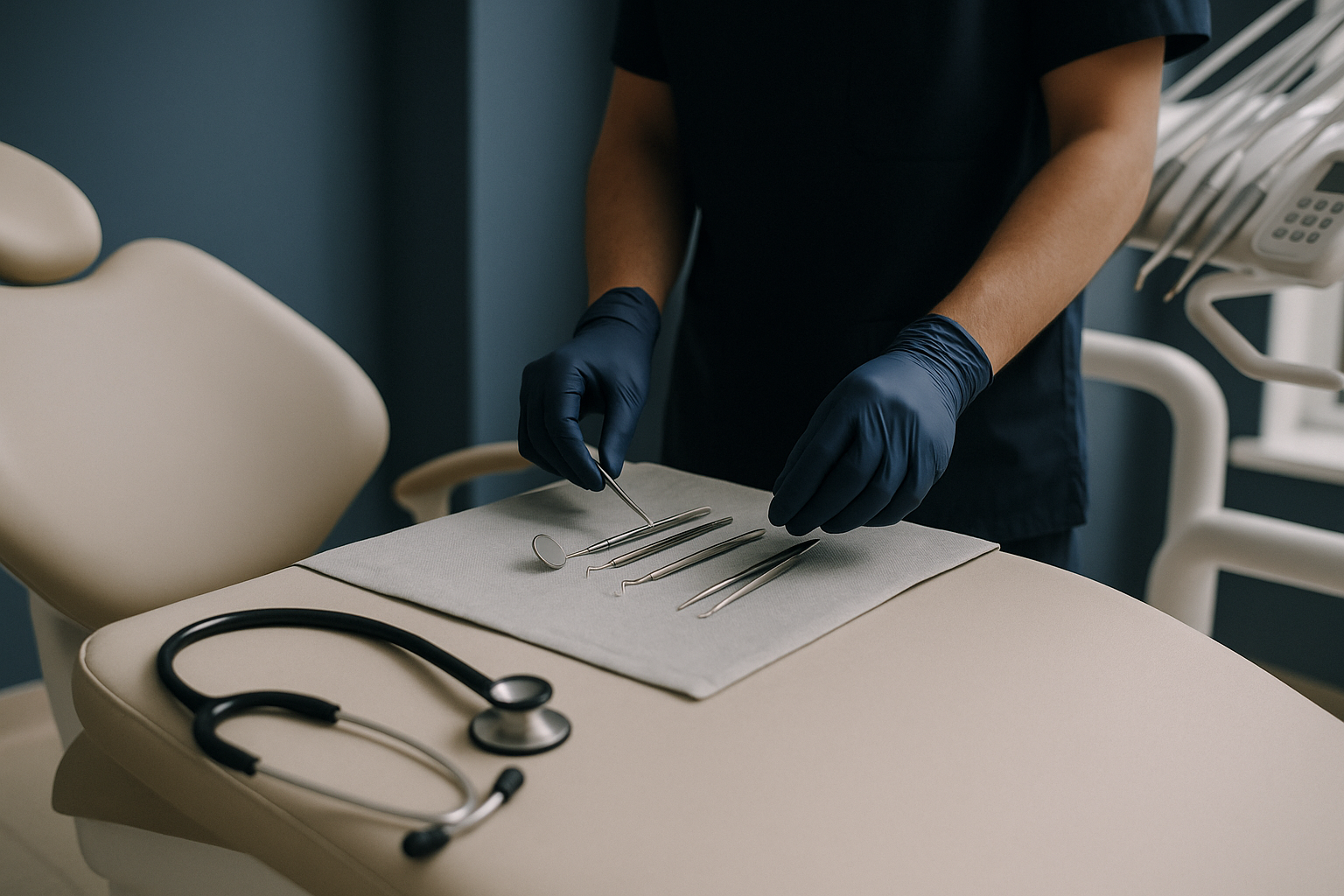
Dental care in Turkey has become a popular choice for international patients looking for affordable and high-quality dental treatments. From routine cleanings to complex procedures, Turkey offers a range of options that cater to various dental needs. This guide provides an in-depth look at what prospective patients can expect when considering dental care in Turkey.
How Much Does Dental Treatment Cost in Turkey?
The cost of dental treatment in Turkey is often significantly lower than in many Western countries, which is a major draw for international patients. Prices can vary depending on the specific procedure, the location of the dental centre, and the experience of the dentist. For example, a dental implant can cost anywhere from $500 to $1,000, whereas the same procedure might cost upwards of $3,000 in the United States. This substantial difference makes Turkey an appealing destination for those seeking cost-effective solutions without compromising on quality.
Other treatments, such as veneers and crowns, are also competitively priced. Veneers typically range from $250 to $500 per tooth, while crowns can cost between $200 and $400 per unit. These savings, combined with the quality of care, make Turkey an attractive option for dental work. Such pricing allows patients to save up to 70% on dental procedures, which can be pivotal for those needing extensive dental work that would be prohibitively expensive in their home countries.
It’s important for patients to research and compare prices from different dental centres in Turkey to ensure they are getting the best value for their money. Consulting with multiple clinics can provide a clearer picture of the costs involved. It is also recommended to request detailed treatment plans and quotations in writing, which can help in making an informed decision and in budgeting for potential additional expenses that might arise during treatment.
Can You Travel to Turkey for Dental Treatment?
Yes, international patients can travel to Turkey for dental treatment. The country has a well-established medical tourism industry, and dental care is a significant part of it. Patients from Europe, the Middle East, and even North America frequently visit Turkey for dental work due to its affordability and high standards of care. Turkey has become a preferred destination not only because of cost savings but also due to the comprehensive service packages often provided by dental clinics, which can include transportation, accommodation, and even guided tours.
Travel arrangements are relatively straightforward, with numerous international flights connecting major cities across the globe to Turkey. Istanbul, in particular, is a hub for dental tourism, offering easy access to world-class dental centres. The city’s two major airports, Istanbul Airport and Sabiha Gökçen International Airport, handle a significant number of international flights daily, making it a convenient entry point for dental tourists. Additionally, Turkey’s visa policy is quite accommodating, with many visitors able to apply for an e-visa online, simplifying the entry process.
Before travelling, patients should ensure they have all necessary documentation, including a valid passport and any required visas. It is also advisable to confirm appointments and travel arrangements well in advance to avoid any last-minute issues. Patients might also consider travel insurance that covers medical tourism to protect against unforeseen circumstances, such as treatment delays or travel disruptions. Engaging with a medical tourism facilitator can further streamline the process, offering peace of mind throughout the journey.
What to Expect from Dental Centres in Turkey
Dental centres in Turkey are known for their modern facilities and use of advanced technology. Many clinics are accredited by international health organizations, ensuring they meet global standards for hygiene and patient care. Prospective patients can expect state-of-the-art equipment and technology, such as digital imaging and 3D printing, which enhance the accuracy and efficiency of dental procedures. Additionally, many Turkish dental clinics emphasize patient comfort, offering amenities like private recovery rooms and multilingual staff to cater to an international clientele.
Patients can expect a range of services, from routine check-ups to more specialised procedures like orthodontics and cosmetic dentistry. Dentists in Turkey often have extensive training and experience, many having studied or practiced abroad. This international exposure allows Turkish dentists to bring the latest techniques and innovations into their practice, thereby enhancing the quality and outcomes of treatments offered.
Most dental centres offer consultation services to discuss treatment plans and costs upfront. This transparency helps patients make informed decisions about their dental care. During these consultations, patients are encouraged to ask questions regarding the duration of treatment, expected outcomes, and post-treatment care instructions. This open communication helps build trust and ensures that patients are comfortable and confident about the care they will receive. Many clinics also provide follow-up care advice and remote consultations post-treatment, an added benefit for international patients returning to their home countries.
Safety and Accreditation in Turkish Dental Clinics
Safety is a top priority for dental clinics in Turkey, and many are accredited by international bodies such as the Joint Commission International (JCI). This accreditation ensures that clinics adhere to strict standards of care and hygiene. JCI-accredited clinics undergo rigorous evaluations focusing on patient safety, infection control, and clinical governance, which serves as a hallmark of excellence for potential patients seeking assurance about the quality of care they will receive.
Prospective patients should look for clinics that display their accreditation certificates prominently. This information is often available on clinic websites and can be verified through relevant accrediting bodies. Patients can conduct additional research by reading reviews and testimonials from previous patients, which can provide insights into the experiences of others and the clinic’s reputation for service and outcomes.
Ensuring the clinic’s accreditation and the dentists’ qualifications can provide peace of mind and confidence in the care received in Turkey. It is advisable for patients to inquire about the specific safety protocols and sterilization practices followed by the clinic. Understanding these measures can help reassure patients, especially those who are apprehensive about maintaining hygiene standards in a foreign country. Additionally, some clinics offer virtual tours of their facilities, giving patients a visual insight into the environment where they will receive care.
Realistic Timelines for Dental Work in Turkey
The timeline for dental work in Turkey can vary depending on the type of treatment required. Simple procedures like cleanings or fillings may be completed within a single visit, while more complex treatments, such as dental implants, may require multiple visits over a period of weeks or months. For instance, the placement of dental implants involves several stages, including consultation, implant placement, and the fitting of crowns after the implant has integrated with the jawbone, which can take several months.
Patients should plan their stay accordingly, allowing enough time for recovery and follow-up appointments. Many clinics offer packages that include accommodation and transportation, simplifying logistics for international patients. These packages often provide different tiers of service, from budget-friendly options to luxury experiences, depending on the patient’s preferences and budget. Such arrangements can greatly reduce the stress of coordinating travel and accommodation, allowing patients to focus solely on their treatment and recovery.
Discussing timelines with the chosen dental centre before booking travel can help manage expectations and ensure a smooth process. Patients should be prepared for potential adjustments in treatment plans, depending on how their body responds to initial procedures. Having a flexible schedule can accommodate unforeseen changes, thus preventing any complications in the overall treatment plan. It is also beneficial for patients to stay in touch with their dentists post-treatment to monitor progress and address any concerns promptly.
Can the NHS Pay for Dental Treatment in Turkey?
In most cases, the NHS does not cover dental treatment abroad, including in Turkey. Patients from the UK should be aware that they will likely need to cover the full cost of treatment themselves. This lack of coverage means that individuals must budget for both the procedure and additional expenses, such as travel and accommodation. Despite this, the significant cost savings in Turkey can make it a viable option for many UK patients, especially for those facing extensive dental work that would be financially burdensome in the UK.
However, the cost savings in Turkey can often offset the lack of NHS coverage, making it a financially viable option for many. Patients should consider the total cost of treatment, including travel and accommodation, when making their decision. Some UK patients may find that even after accounting for all expenses, the total cost remains significantly lower than what they might pay within the UK. It’s also worth exploring if any private health insurance plans offer partial coverage for overseas dental treatment as part of their policy.
It is advisable to contact the NHS or a healthcare advisor for guidance on specific situations and potential options for reimbursement. While direct reimbursement is rare, understanding all available options can help patients make informed financial decisions. Additionally, some patients may choose to finance their dental work through personal loans or healthcare-specific financing options, which can provide more manageable payment plans for their treatments abroad.
Conclusion
Dental care in Turkey offers a compelling combination of quality, affordability, and accessibility for international patients. By researching costs, understanding travel logistics, and ensuring clinic accreditation, patients can confidently navigate their dental treatment journey in Turkey. The country’s dedication to maintaining high standards of dental care, combined with its rich culture and hospitality, makes it a preferred destination for those seeking dental treatments.
As more patients discover the benefits of receiving dental care in Turkey, the industry continues to grow and adapt, offering increasingly personalized and comprehensive care packages. This evolution not only enhances the treatment experience but also positions Turkey as a leader in global dental tourism. With careful planning and due diligence, patients can enjoy a seamless and successful dental treatment experience, often with the added benefit of exploring Turkey’s vibrant cities and stunning landscapes.
Ultimately, taking the time to explore the options available and selecting a reputable clinic can lead to excellent dental outcomes, a significant cost savings, and a memorable experience in one of the world’s most captivating countries.
Proven result
10 to 70 oncology patients a month from Canada
International oncology provider
Frequently asked questions
How much does dental treatment cost in Turkey?
Dental treatment in Turkey is significantly more affordable than in many Western countries, with procedures like implants costing between $500 and $1,000.
Can I fly to Turkey for dental treatment?
Yes, you can. Turkey is a popular destination for dental tourism, offering high-quality and affordable dental care options.
Can the NHS pay for dental treatment in Turkey?
The NHS generally does not cover dental treatment abroad, including in Turkey. Patients usually pay for their treatment out-of-pocket.
How do I choose a dental centre in Turkey?
Look for clinics with international accreditation and dentists with extensive experience. Checking reviews and consulting multiple clinics can also aid your decision.
Related guides

What Is a Medical Travel Facilitator and Why Use One?
A lower treatment quote can look compelling until you try to compare what it actually includes: surgeon fees,…

What Hospital Accreditation Reviews Really Tell You
A hospital can have polished facilities, prominent surgeons, and hundreds of five-star ratings, yet those signals do not…

International Patient Onboarding Guide for Hospitals
An international patient inquiry is not simply a lead. It is a person weighing a major medical decision…